Neuroscience Research
Neuroscience is the study of the nervous system - one of the major mammalian systems responsible for sustaining life. The central nervous system (CNS) and peripheral nervous system (PNS) work in concert to coordinate basic functions such as moving and breathing, as well as 'higher order' functions including thought, speech and emotion.
Neuroscience Research Products Areas
- Stress and Anxiety Research (392)
- Nociception (957)
- Neurotransmission (892)
- Neuropeptides (43)
- Neural Development (795)
- Memory, Learning and Cognition (746)
- Blood-Brain Barrier (119)
- Stroke Research (665)
- Sleep Research (267)
- Schizophrenia Research (709)
- Parkinson's Disease Research (752)
- Huntington's Disease Research (465)
- Epilepsy Research (560)
- Depression Research (631)
- Alzheimer's Disease Research (399)
- Addiction Research (509)
- Multiple Sclerosis (419)
Products for Neuroscience Research - Page 173
- Cat.No. Product Name Information/Activity
-
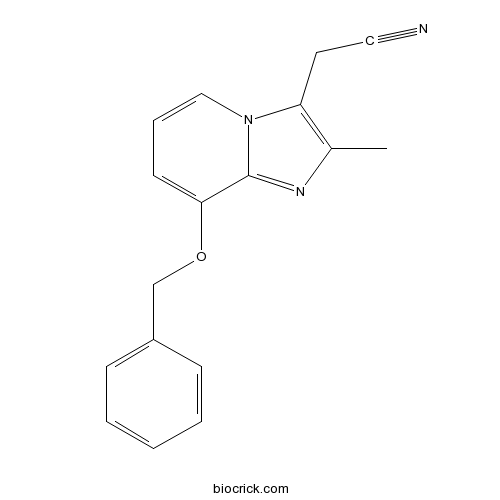
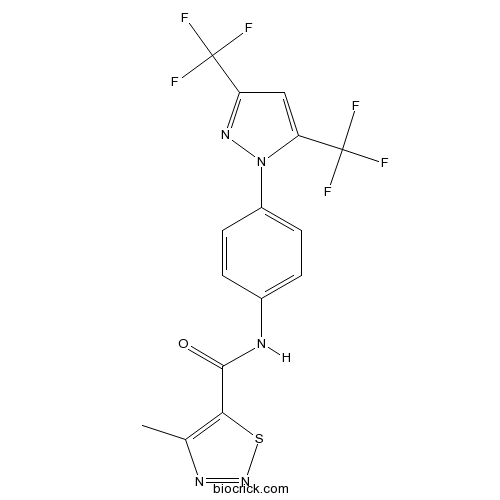
BCC7817
YM 58483
YM-58483 is the first selective and potent inhibitor of CRAC channels and subsequent Ca2+ signals.
-
BCN5814
Artemisinin
Artemisinin (Qinghaosu), a sesquiterpene lactone, is an anti-malarial drug isolated from the aerial parts of Artemisia annua L. plants. Artemisinin inhibits AKT signaling pathway by decreasing pAKT in a dose-dependent manner. Artemisinin reduces cancer cell proliferation, migration, invasion, tumorigenesis and metastasis and has neuroprotective effects.

-
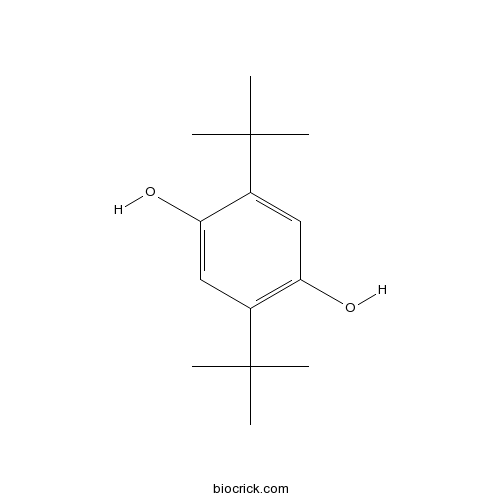
BCC6982
BHQ
Inhibitor of SERCA ATPase
-
BCC6981
Cyclopiazonic acid
Cyclopiazonic acid (CPA), a neurotoxic secondary metabolite (SM) made by A. flavus, is a nanomolar inhibitor of endoplasmic reticulum calcium ATPase (Ca2+ATPase; SERCA) and a potent inducer of cell death in plants.

-
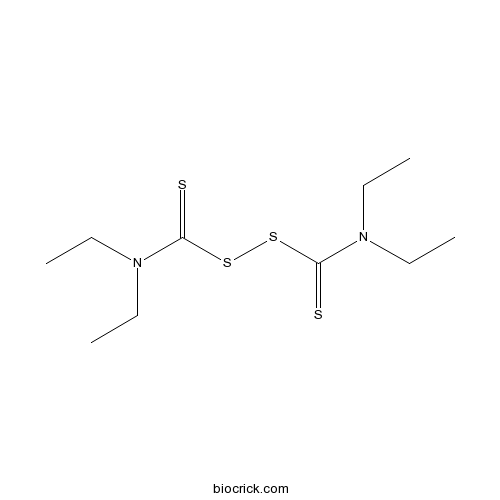
BCC2098
Disulfiram
Disulfiram (Tetraethylthiuram disulfide) is a specific inhibitor of aldehyde-dehydrogenase (ALDH1), used for the treatment of chronic alcoholism by producing an acute sensitivity to alcohol. Disulfiram inhibits gasdermin D (GSDMD) pore formation in liposomes and inflammasome-mediated pyroptosis and IL-1β secretion in human and mouse cells[1-4].
-
BCC7008
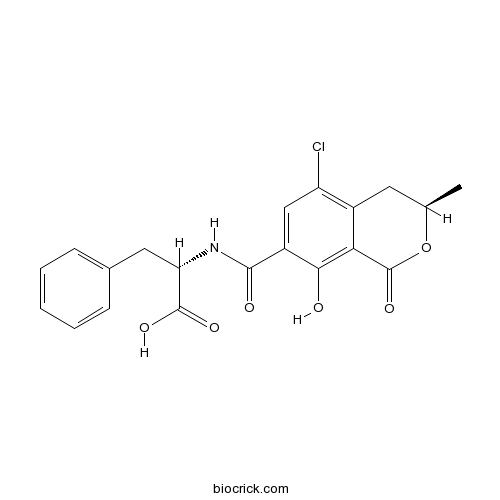
Ochratoxin A
303-47-9
-
BCC1058
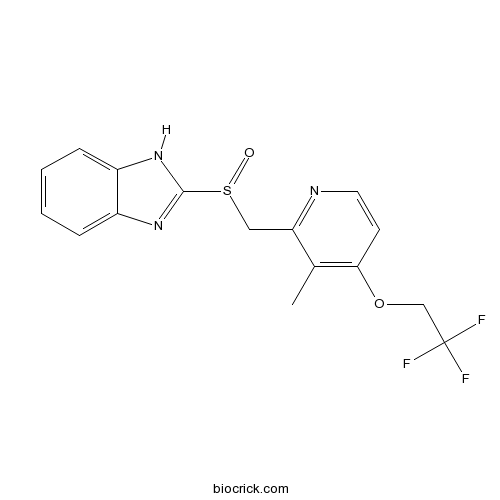
Lansoprazole
Lansoprazole(AG 1749) is a proton pump inhibitor which prevents the stomach from producing acid.
-
BCC1254
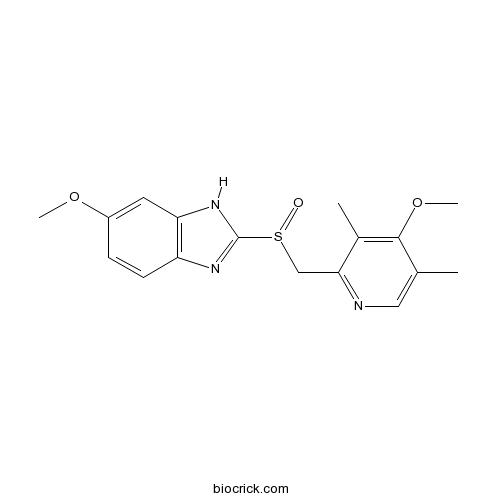
Omeprazole
Omeprazole (H 16868), a proton pump inhibitor (PPI), is available for treatment of acid-related gastrointestinal disorders. Omeprazole shows competitive inhibition of CYP2C19 activity with a Ki of 2 to 6 μM. Omeprazole also inhibits growth of Gram-positive and Gram-negative bacteria.
-
BCC2084
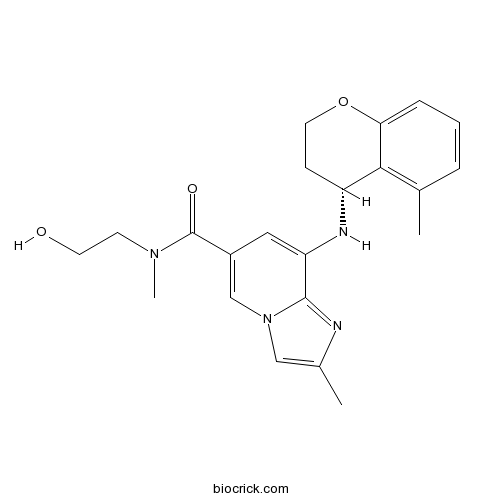
PF-03716556
PF 03716556 is a potent, and selective H+, K+-ATPase antagonist, with a pIC50 value of 6.009.
-
BCC7154
SCH 28080
SCH28080 inhibits gastric H+/K+-ATPase by K+-competitive binding, with an IC50 value of 20 nM in rabbit microsomal membranes. Antisecretory and cytoprotective activities.