
Neuroscience Research
Neuroscience is the study of the nervous system - one of the major mammalian systems responsible for sustaining life. The central nervous system (CNS) and peripheral nervous system (PNS) work in concert to coordinate basic functions such as moving and breathing, as well as 'higher order' functions including thought, speech and emotion.
Neuroscience Research Products Areas
- Stress and Anxiety Research (392)
- Nociception (957)
- Neurotransmission (892)
- Neuropeptides (43)
- Neural Development (795)
- Memory, Learning and Cognition (746)
- Blood-Brain Barrier (119)
- Stroke Research (665)
- Sleep Research (267)
- Schizophrenia Research (709)
- Parkinson's Disease Research (752)
- Huntington's Disease Research (465)
- Epilepsy Research (560)
- Depression Research (631)
- Alzheimer's Disease Research (399)
- Addiction Research (509)
- Multiple Sclerosis (419)
Products for Neuroscience Research - Page 184
- Cat.No. Product Name Information/Activity
-
BCC7907
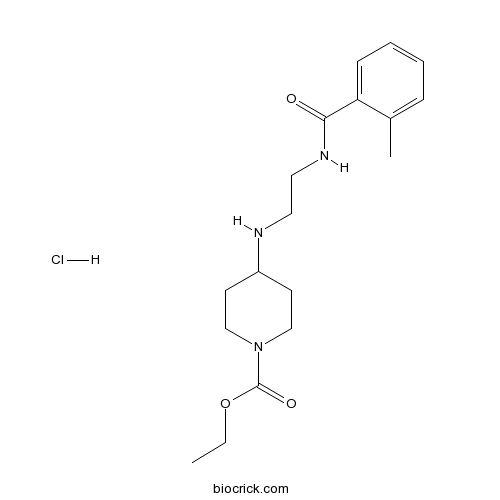
VU 0357017 hydrochloride
VU0357017 hydrochloride is a highly selective M1 agonists that appear to act at an allosteric site to activate the receptor (EC50 = 477 ± 172 nM; pEC50 = 6.37 ± 0.15).
-
BCC6628
Arecaidine propargyl ester tosylate
147202-94-6

-
BCC6939
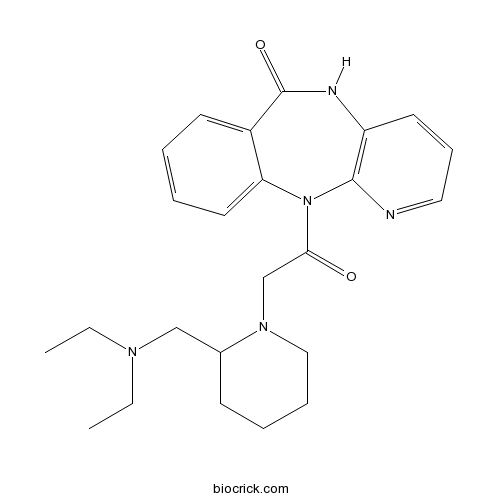
AF-DX 116
Otenzepad (AF-DX 116) is a selective and competitive M2 muscarinic acetylcholine receptor antagonist, with IC50 values of 640 nM and 386 nM for rabbit peripheral lung and rat heart, respectively.
-
BCC7024
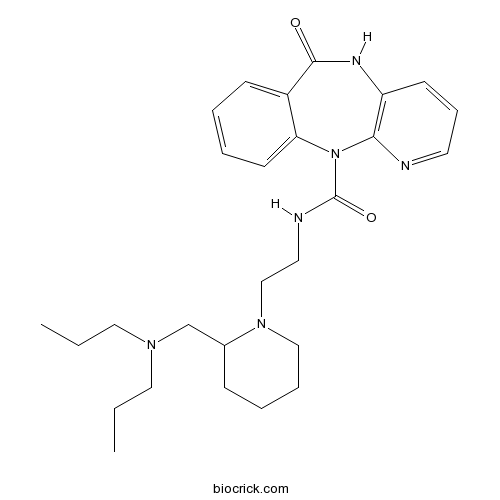
AF-DX 384
118290-26-9
-
BCC7314
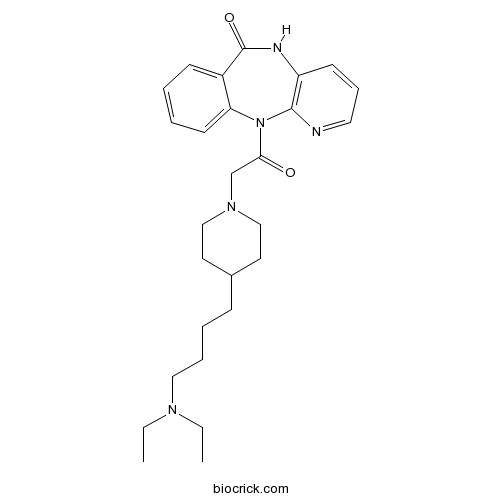
AQ-RA 741
Selective, high affinity M<sub>2</sub> antagonist
-
BCC6661
4-DAMP
1952-15-4

-
BCC7263
DAU 5884 hydrochloride
131780-48-8

-
BCC7389
J 104129 fumarate
257603-40-0

-
BCC7418
Zamifenacin fumarate
Zamifenacin fumarate (UK-76654 fumarate) is a potent gut-selective muscarinic M3 receptor antagonist. Zamifenacin significantly reduces colonic motility in irritable bowel syndrome.

-
BCC7145
PD 102807
23062-91-1