
Addiction Research
According to the World Health Organization (WHO), addiction is 'a chronic disease of the central nervous system that is characterized by a loss of control over impulsive behavior that leads to compulsive drug seeking and taking, and to relapses even after months of abstinence'. Addiction is a complex neuroadaptive process, where drugs of abuse alter cellular and molecular aspects of neural function. The brain circuits mediating the various behavioral effects of these drugs are rendered more, or less, responsive to those effects.
Addiction Research Products Targets
- Others (13)
- D4 Receptor (12)
- 5-HT7 Receptor (11)
- 5-HT6 Receptor (14)
- 5-ht5 Receptor (2)
- 5-HT4 Receptor (17)
- NOP Receptor (21)
- Mu-Opioid Receptors (15)
- Kappa Opioid Receptors (14)
- AMPA Receptor (45)
- GABAA-ρ Receptor (8)
- GABAA Receptor (66)
- GPR55 (8)
- CB2 Receptor (6)
- CB1 Receptor (17)
- Nicotinic (α7) Receptor (25)
- Nicotinic (α4β2) Receptor (14)
- D3 Receptor (12)
- NMDA Receptor (87)
- Kainate Receptor (22)
- D2 Receptor (14)
- D1 and D5 Receptor (16)
- Glutamate Transporter (18)
- Dopamine Transporter (20)
- CRF2 Receptor (3)
- CRF1 Receptor (5)
- 5-HT Transporter (30)
- Delta opioid receptor (16)
Products for Addiction Research - Page 13
- Cat.No. Product Name Information/Activity
-
BCC5972
PHA 543613 hydrochloride
478149-53-0

-
BCC7574
PHA 568487
527680-57-5

-
BCC7700
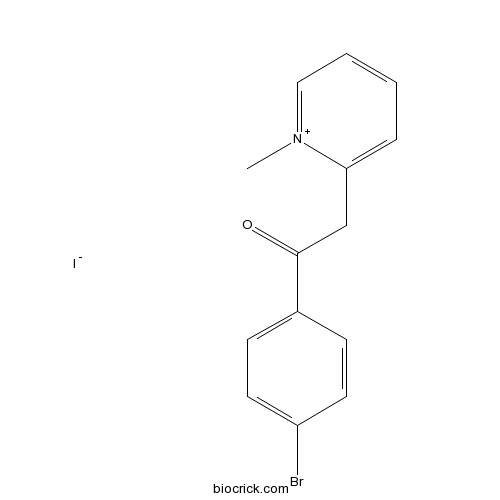
S 24795
304679-75-2
-
BCC6182
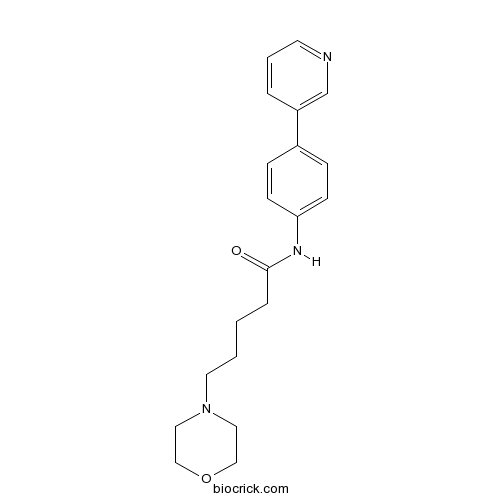
SEN 12333
874450-44-9
-
BCC7394
TC 1698 dihydrochloride
787587-06-8

-
BCC7264
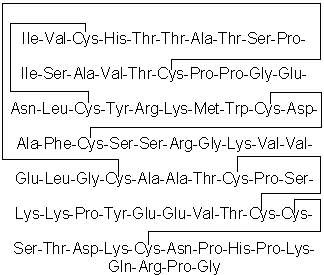
α-Bungarotoxin
11032-79-4
-
BCC1047
COG 133
ApoE peptide fragment; <span class='symbol'>α</span>7 nAChR antagonist

-
BCC5974
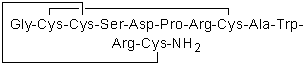
α-Conotoxin ImI
156467-85-5
-
BCC6897
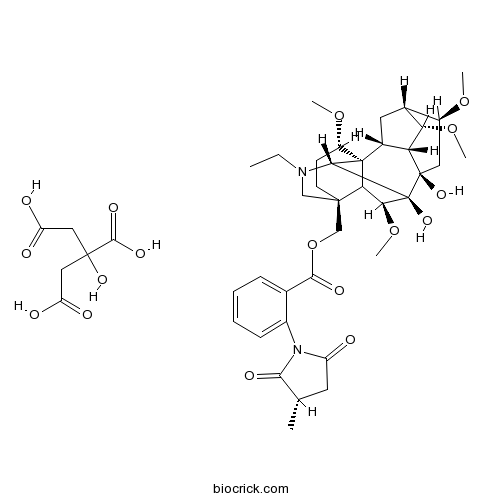
Methyllycaconitine citrate
112825-05-5
-
BCC7028
MG 624
77257-42-2