Addiction Research
According to the World Health Organization (WHO), addiction is 'a chronic disease of the central nervous system that is characterized by a loss of control over impulsive behavior that leads to compulsive drug seeking and taking, and to relapses even after months of abstinence'. Addiction is a complex neuroadaptive process, where drugs of abuse alter cellular and molecular aspects of neural function. The brain circuits mediating the various behavioral effects of these drugs are rendered more, or less, responsive to those effects.
Addiction Research Products Targets
- Others (13)
- D4 Receptor (12)
- 5-HT7 Receptor (11)
- 5-HT6 Receptor (14)
- 5-ht5 Receptor (2)
- 5-HT4 Receptor (17)
- NOP Receptor (21)
- Mu-Opioid Receptors (15)
- Kappa Opioid Receptors (14)
- AMPA Receptor (45)
- GABAA-ρ Receptor (8)
- GABAA Receptor (66)
- GPR55 (8)
- CB2 Receptor (6)
- CB1 Receptor (17)
- Nicotinic (α7) Receptor (25)
- Nicotinic (α4β2) Receptor (14)
- D3 Receptor (12)
- NMDA Receptor (87)
- Kainate Receptor (22)
- D2 Receptor (14)
- D1 and D5 Receptor (16)
- Glutamate Transporter (18)
- Dopamine Transporter (20)
- CRF2 Receptor (3)
- CRF1 Receptor (5)
- 5-HT Transporter (30)
- Delta opioid receptor (16)
Products for Addiction Research - Page 18
- Cat.No. Product Name Information/Activity
-
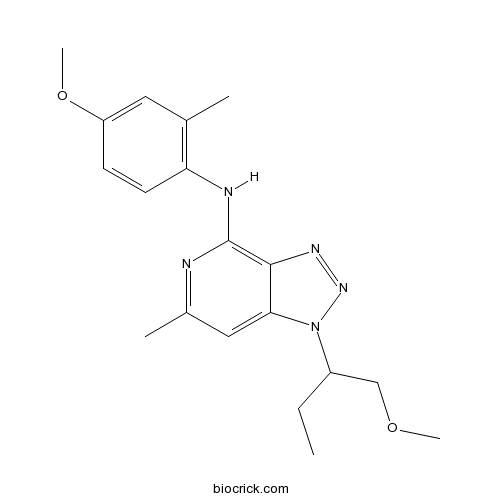
BCC7633
SN 003
197801-88-0
-
BCC5868
Antisauvagine-30
220673-95-0

-
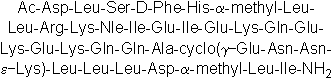
BCC5906
Astressin 2B
681260-70-8
-
BCC5867
K 41498
434938-41-7

-
BCC7104
A 68930 hydrochloride
Potent, selective D<sub>1</sub>-like agonist

-
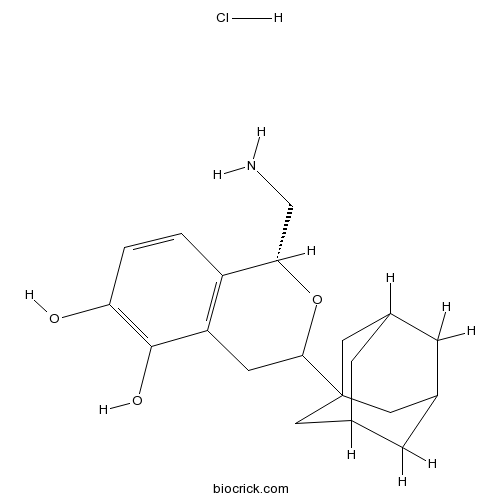
BCC7159
A 77636 hydrochloride
Potent, selective D<sub>1</sub>-like agonist. Orally active
-
BCC7250
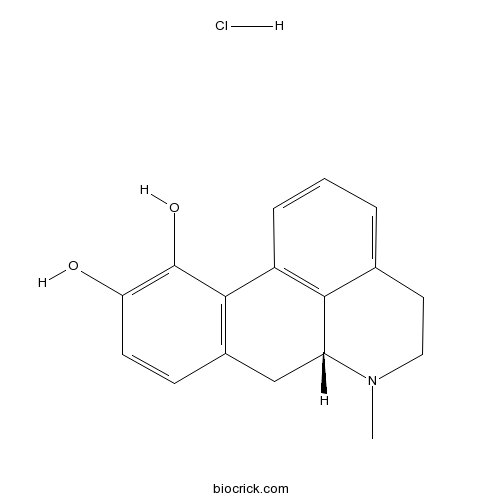
(R)-(-)-Apomorphine hydrochloride
314-19-2
-
BCC6991
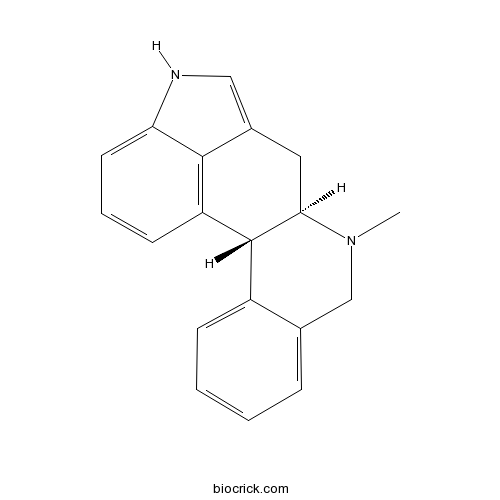
CY 208-243
CY 208-243 is a selective dopamine D1 receptor agonist which exhibits antiparkinsonian activity.
-
BCC5681
Dihydrexidine hydrochloride
(+)-Dihydrexidine hydrochloride ((+)-DAR-0100 hydrochloride) is a dopamine D1 receptor agonist with an EC50 of 72± 21 nM.

-
BCN2195
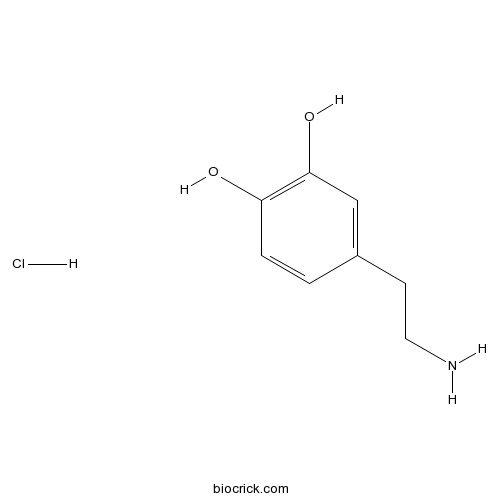
Dopamine hydrochloride
Dopamine HCl is a catecholamine neurotransmitter present in a wide variety of animals,And a dopamine D1-5 receptors agonist.