Addiction Research
According to the World Health Organization (WHO), addiction is 'a chronic disease of the central nervous system that is characterized by a loss of control over impulsive behavior that leads to compulsive drug seeking and taking, and to relapses even after months of abstinence'. Addiction is a complex neuroadaptive process, where drugs of abuse alter cellular and molecular aspects of neural function. The brain circuits mediating the various behavioral effects of these drugs are rendered more, or less, responsive to those effects.
Addiction Research Products Targets
- Others (13)
- D4 Receptor (12)
- 5-HT7 Receptor (11)
- 5-HT6 Receptor (14)
- 5-ht5 Receptor (2)
- 5-HT4 Receptor (17)
- NOP Receptor (21)
- Mu-Opioid Receptors (15)
- Kappa Opioid Receptors (14)
- AMPA Receptor (45)
- GABAA-ρ Receptor (8)
- GABAA Receptor (66)
- GPR55 (8)
- CB2 Receptor (6)
- CB1 Receptor (17)
- Nicotinic (α7) Receptor (25)
- Nicotinic (α4β2) Receptor (14)
- D3 Receptor (12)
- NMDA Receptor (87)
- Kainate Receptor (22)
- D2 Receptor (14)
- D1 and D5 Receptor (16)
- Glutamate Transporter (18)
- Dopamine Transporter (20)
- CRF2 Receptor (3)
- CRF1 Receptor (5)
- 5-HT Transporter (30)
- Delta opioid receptor (16)
Products for Addiction Research - Page 24
- Cat.No. Product Name Information/Activity
-
BCC7617
L-838,417
286456-42-6

-
BCC6170
MK 0343
MK0343 (MRK-409) is an orally bioavailable GABAA receptor subtype-selective partial agonist. MK0343 is a non-sedating anxiolytic.
-
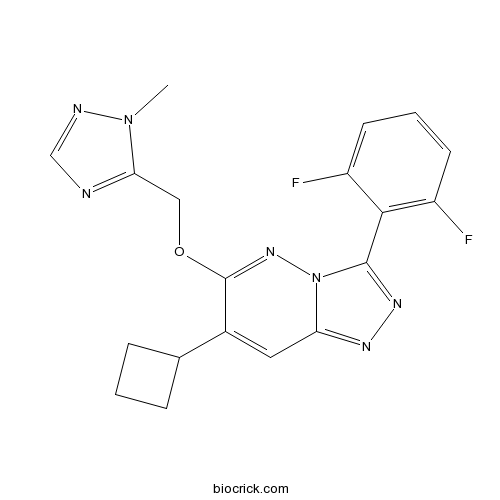
BCC6070
MRK 016
783331-24-8

-
BCC6593
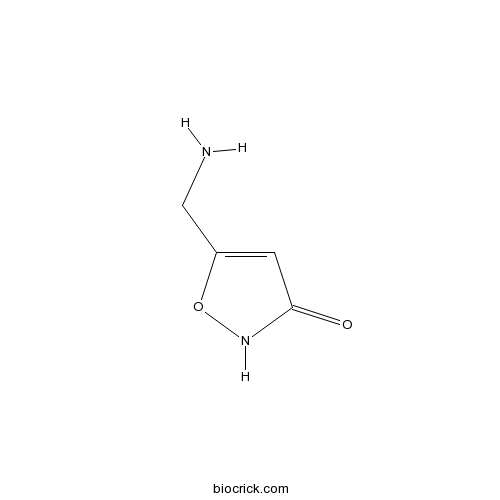
Muscimol
Potent GABA<sub>A</sub> agonist
-
BCC6564
TACA
38090-53-8

-
BCC7819
TCS 1205
355022-97-8

-
BCC6803
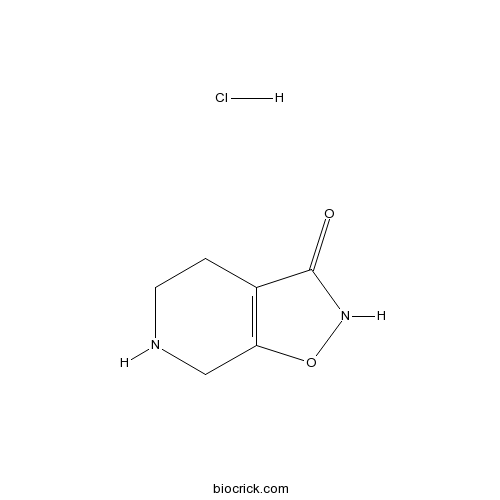
THIP hydrochloride
Gaboxadol hydrochloride (Lu 02-030 hydrochloride; THIP hydrochloride) is a potent agonist of the GABAA receptor and an antagonist of GABAC receptors (IC50=25 μM). Gaboxadol hydrochloride displays a partial agonist efficacy on subunit α1β2γ2 with an ED50 value of 143 µM, a full agonist efficacy at α5 subunit (ED50=28-129 µM) and a superagonist efficacy at α4β3δ (ED50=6 µM). Gaboxadol hydrochloride is a non-opioid analgesic and has hypnotic activities.
-
BCC6169
TP 003
628690-75-5

-
BCC6563
ZAPA sulfate
371962-01-5

-
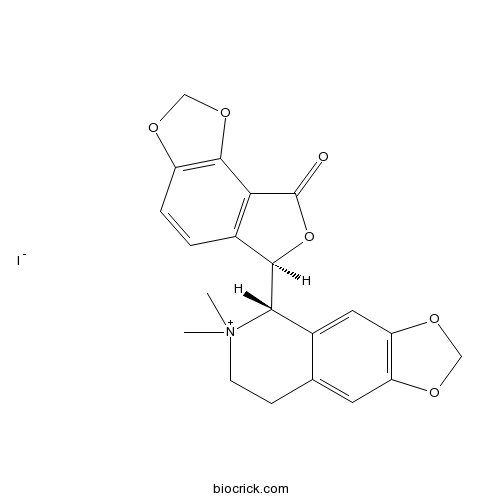
BCC7387
(-)-Bicuculline methiodide
40709-69-1