Addiction Research
According to the World Health Organization (WHO), addiction is 'a chronic disease of the central nervous system that is characterized by a loss of control over impulsive behavior that leads to compulsive drug seeking and taking, and to relapses even after months of abstinence'. Addiction is a complex neuroadaptive process, where drugs of abuse alter cellular and molecular aspects of neural function. The brain circuits mediating the various behavioral effects of these drugs are rendered more, or less, responsive to those effects.
Addiction Research Products Targets
- Others (13)
- D4 Receptor (12)
- 5-HT7 Receptor (11)
- 5-HT6 Receptor (14)
- 5-ht5 Receptor (2)
- 5-HT4 Receptor (17)
- NOP Receptor (21)
- Mu-Opioid Receptors (15)
- Kappa Opioid Receptors (14)
- AMPA Receptor (45)
- GABAA-ρ Receptor (8)
- GABAA Receptor (66)
- GPR55 (8)
- CB2 Receptor (6)
- CB1 Receptor (17)
- Nicotinic (α7) Receptor (25)
- Nicotinic (α4β2) Receptor (14)
- D3 Receptor (12)
- NMDA Receptor (87)
- Kainate Receptor (22)
- D2 Receptor (14)
- D1 and D5 Receptor (16)
- Glutamate Transporter (18)
- Dopamine Transporter (20)
- CRF2 Receptor (3)
- CRF1 Receptor (5)
- 5-HT Transporter (30)
- Delta opioid receptor (16)
Products for Addiction Research - Page 23
- Cat.No. Product Name Information/Activity
-
BCC5696
L-741,742 hydrochloride
874882-93-6

-
BCC5695
L-745,870 trihydrochloride
866021-03-6

-
BCC7702
PD 168568 dihydrochloride
210688-56-5

-
BCC7467
PNU 96415E
170856-41-4
-
BCC7879
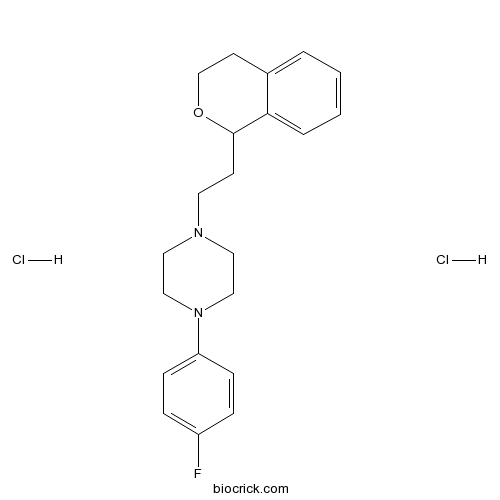
Sonepiprazole
170858-33-0

-
BCC7636
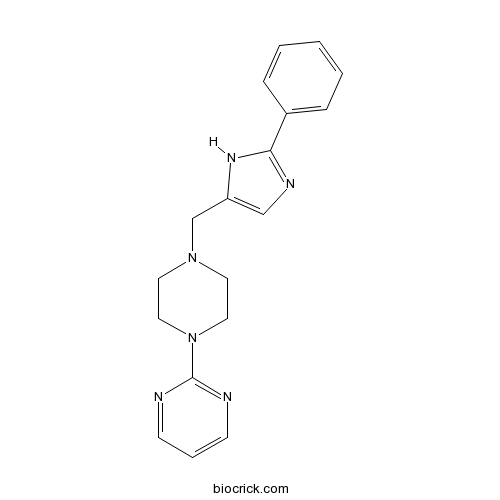
NGD 94-1
178928-68-2
-
BCC1327
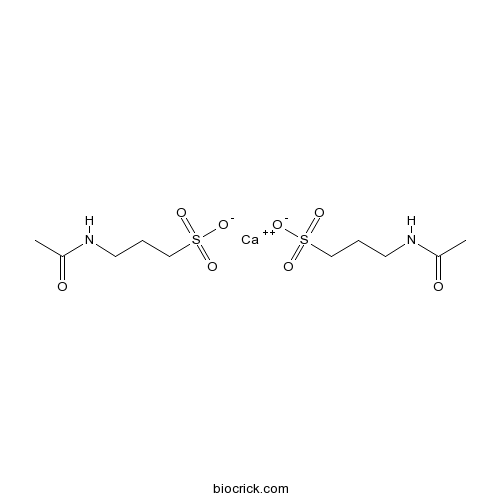
Acamprosate calcium
Acamprosate calcium(Campral EC) is a GABA receptor agonist and modulator of glutamatergic systems; reduces alcohol consumption in animal models of alcohol addiction.
-
BCC5957
DPNI-caged-GABA
Nitroindoline-caged GABA

-
BCN2187
4-Aminobutanoic acid
γ-Aminobutyric acid (4-Aminobutyric acid) is a major inhibitory neurotransmitter in the adult mammalian brain, binding to the ionotropic GABA receptors (GABAA receptors) and metabotropic receptors (GABAB receptors).

-
BCC6575
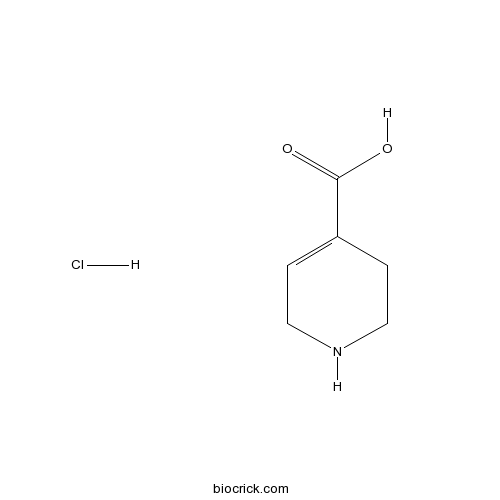
Isoguvacine hydrochloride
Isoguvacine hydrochloride is a GABA receptor agonist.