Depression Research
Major depressive disorder, often referred to as major depression, is a heterogenous condition with complex and diverse neurobiological etiologies. Depression is characterized by a triad of symptoms: low or depressed mood, anhedonia and low energy or fatigue. Approximately 15% of the population in developed countries has been affected by depression in their lifetime and the chance of developing depression is twice as high in women. 40-50% of depressive causes are inheritable (genes as yet unidentified) and the remaining 50-60% of causes are caused by environmental stressors.
Depression Research Products Targets
- FGFR (5)
- Voltage-gated Calcium Channel (CaV) (38)
- Others (13)
- Glucocorticoid Receptor (9)
- Nucleoside Transporter (5)
- Glycine Transporter (6)
- GABA (10)
- Cannabinoid Transporter (10)
- Acetylcholine Transporter (1)
- D4 Receptor (12)
- 5-HT7 Receptor (11)
- 5-HT6 Receptor (14)
- 5-ht5 Receptor (2)
- 5-HT4 Receptor (17)
- NK2 Receptor (7)
- NK1 Receptor (15)
- Glutamate (Metabotropic) Group III Receptor (26)
- Glutamate (Metabotropic) Group II Receptor (33)
- Glutamate (Metabotropic) Group I Receptor (54)
- AMPA Receptor (45)
- D3 Receptor (12)
- NK3 Receptor (5)
- Vesicular Monoamine Transporter (4)
- NMDA Receptor (87)
- Kainate Receptor (22)
- D2 Receptor (14)
- D1 and D5 Receptor (16)
- Trk Receptor (13)
- Trace Amine 1 Receptor (2)
- Glutamate Transporter (18)
- Dopamine Transporter (20)
- CRF2 Receptor (3)
- CRF1 Receptor (5)
- Adrenergic Transporter (23)
- 5-HT Transporter (30)
- Vasopressin Receptor (6)
- Monoamine Oxidase (10)
- Adrenergic α2 Receptor (33)
- Adrenergic α1 Receptor (22)
- Adrenergic β3 Receptor (12)
- Adrenergic β2 Receptor (6)
- Adrenergic β1 Receptor (7)
Products for Depression Research - Page 60
- Cat.No. Product Name Information/Activity
-
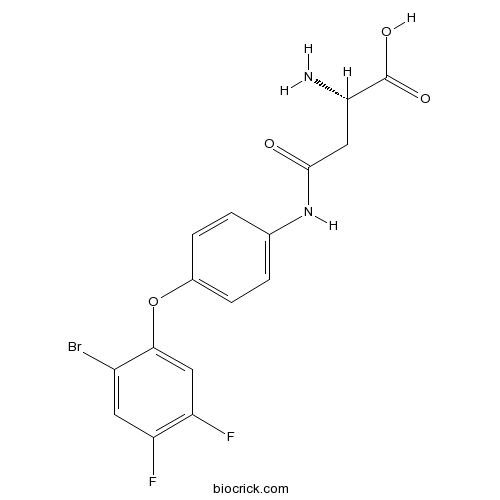
BCC7442
WAY 213613
WAY-213613 is a potent, selective nonsubstrate reuptake inhibitor of GLT-1/EAAT2 with IC50 of 85 nM EAAT2. It displays 59- and 44-fold selectivity over EAAT1 and EAAT3 (IC50s are 5 and 3.8 μM, respectively). WAY-213613 shows no activity at ionotropic and metabotropic glutamate receptors. It is a potential tool for the elucidation of EAAT2 function.
-
BCC7168
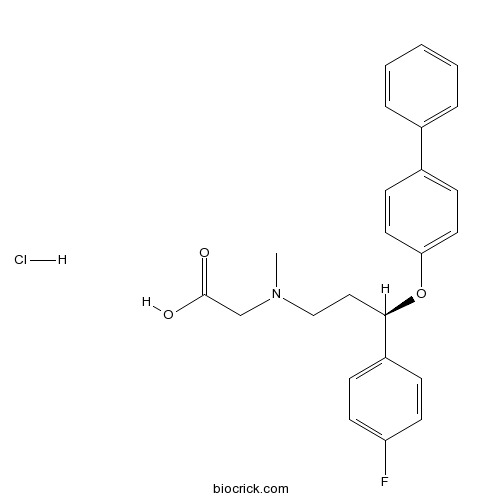
ALX 5407 hydrochloride
Selective non-transportable GlyT1 inhibitor
-
BCC7069
N-Arachidonylglycine
179113-91-8

-
BCC7677
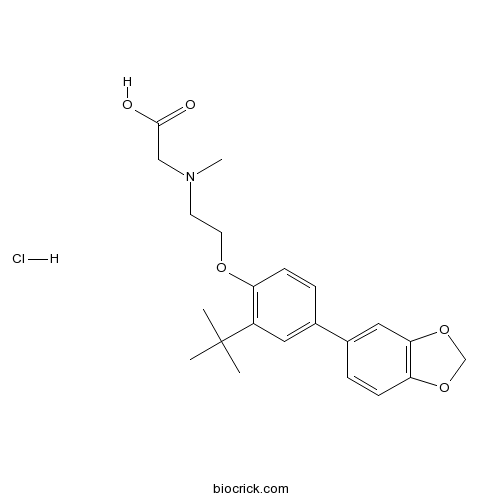
LY 2365109 hydrochloride
868265-28-5
-
BCC7845
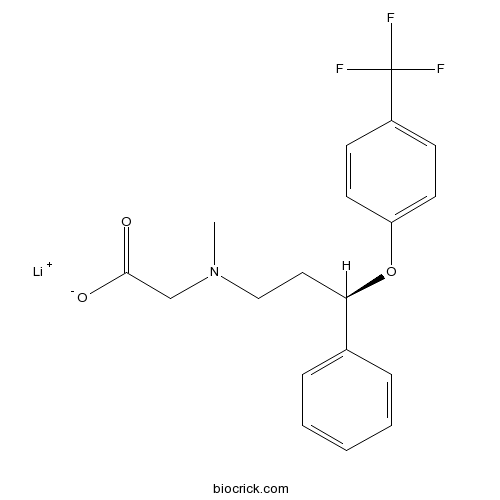
Org 24598 lithium salt
722456-08-8
-
BCC6288
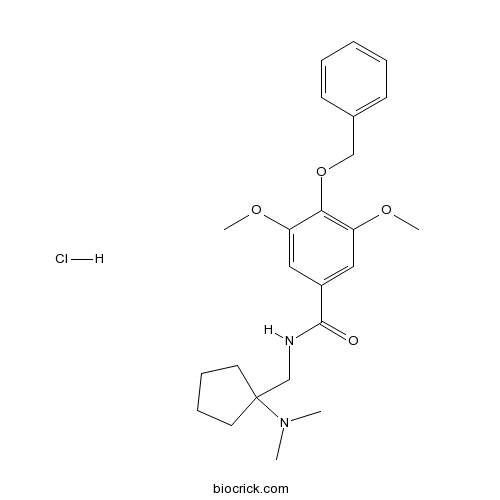
Org 25543 hydrochloride
Potent and selective GlyT2 inhibitor
-
BCN2744
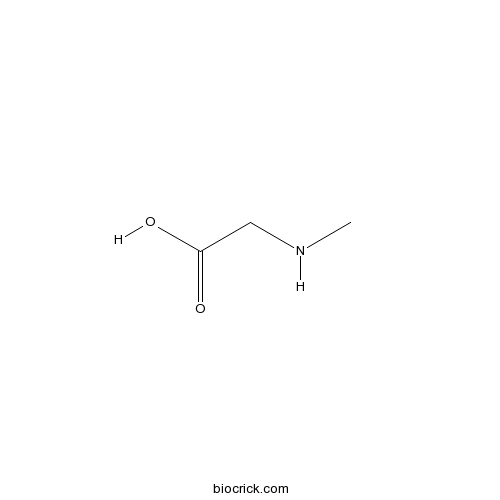
Sarcosine
Sarcosine is a glycine transporter type 1 (GlyT) inhibitor and an N-methyl-D-aspartate (NMDA) receptor co-agonist at the glycine binding site.
-
BCC2291
Cilostazol
Cilostazol (OPC 13013) is a potent and selective inhibitor of phosphodiesterase (PDE) 3A, the isoform of PDE 3 in the cardiovascular system, with an IC50 of 0.2 μM.

-
BCC6271
Decynium 22
977-96-8

-
BCC6660
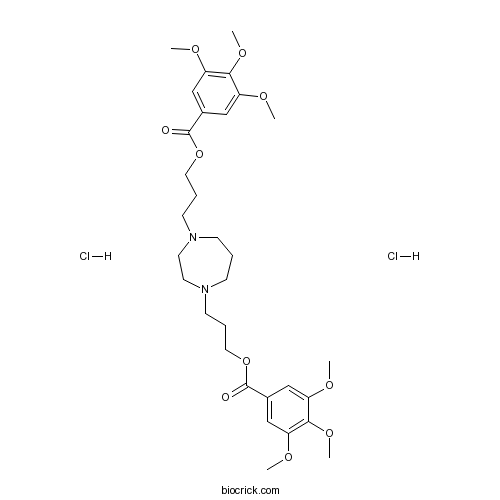
Dilazep dihydrochloride
Dilazep dihydrochloride is an inhibitor of adenosine uptake. Dilazep dihydrochloride has cerebral and coronary vasodilating action through enhancement of effect of adenosine. Dilazep dihydrochloride also inhibits the ischemic damage, platelet aggregation, and membrane transport of nucleosides.