
Multiple Sclerosis
Multiple sclerosis (MS) is a chronic autoimmune, inflammatory disease of the central nervous system (CNS), which causes damage to myelin and axons, resulting in neurological symptoms such as partial loss of sight, paresthesias and ataxia.
Multiple Sclerosis Products Targets
- STAT (10)
- Voltage-gated Potassium (KV) Channel (38)
- Integrin Receptor (15)
- Others (29)
- Complement (2)
- Vitamin D Receptor (10)
- PORCN (4)
- beta-catenin (13)
- Casein Kinase 1 (7)
- AMPA Receptor (45)
- GPR55 (8)
- CB2 Receptor (6)
- CB1 Receptor (17)
- NMDA Receptor (87)
- Kainate Receptor (22)
- Chemokine CXC Receptor (9)
- Chemokine CC Receptor (13)
- TRPM (8)
- Tankyrase (5)
- ROS and Other Gaseous Donor (8)
- Nrf2 (5)
- ITK (2)
- ASK1 (2)
- Acid-Sensing Ion Channel (3)
- Calcium-Activated Potassium (KCa) Channel (19)
- Inward Rectifier Potassium (Kir) Channel (21)
- NCX (5)
- Retinoid X Receptor (13)
- Cytokine (15)
Products for Multiple Sclerosis - Page 28
- Cat.No. Product Name Information/Activity
-
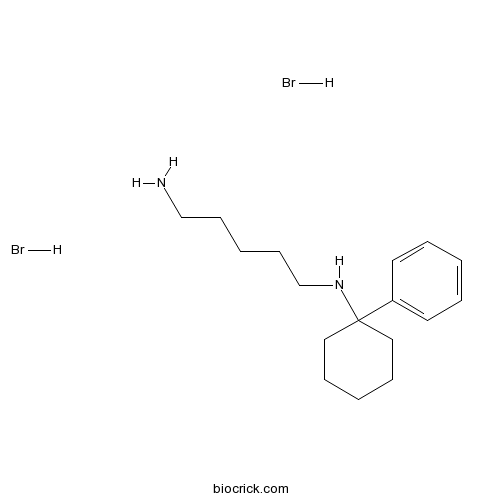
BCC7885
IEM 1925 dihydrobromide
258282-23-4
-
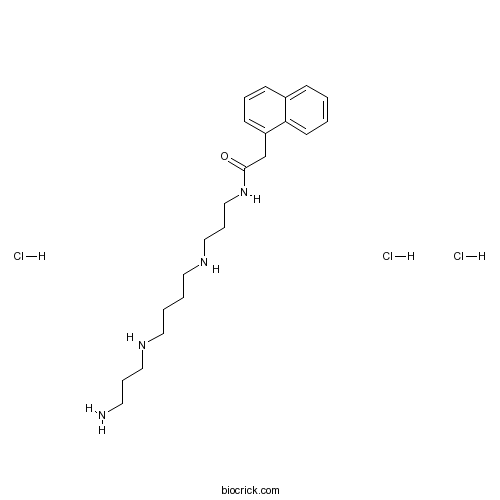
BCC7476
Naspm trihydrochloride
Naspm trihydrochloride (1-Naphthylacetyl spermine trihydrochloride), a synthetic analogue of Joro spider toxin, is a calcium permeable AMPA (CP-AMPA) receptors antagonist.
-
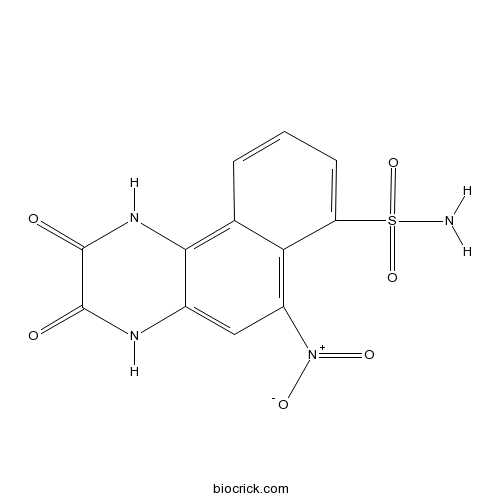
BCC6624
NBQX
NBQX is a highly selective and competitive AMPA receptor antagonist.
-
BCC6907
NBQX disodium salt
479347-86-9

-
BCC7478
Philanthotoxin 74
Philanthotoxin 74 dihydrochloride (PhTx 74) is an AMPAR antagonist; inhibits GluR3 and GluR1 with IC50s of 263 and 296 nM, respectively.

-
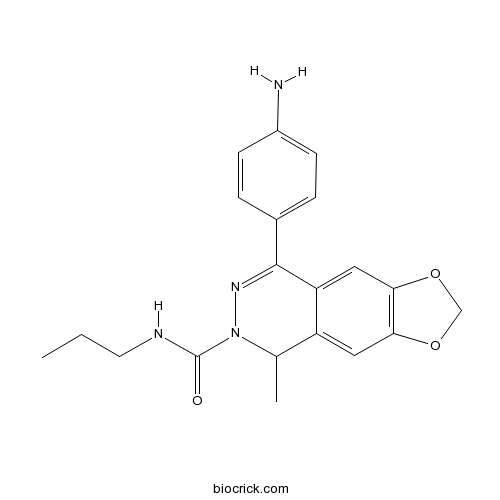
BCC6866
SYM 2206
SYM 2206 is a novel, potent, non-competitive AMPA receptor antagonist.
-
BCC6378
Talampanel(LY300164)
Talampanel is a potent and selective AMPA-receptor antagonist, is a potential new antiepileptic drug (AED).

-
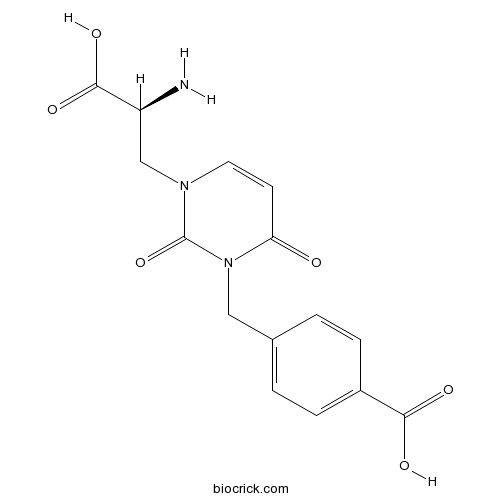
BCC7171
UBP 282
544697-47-4
-
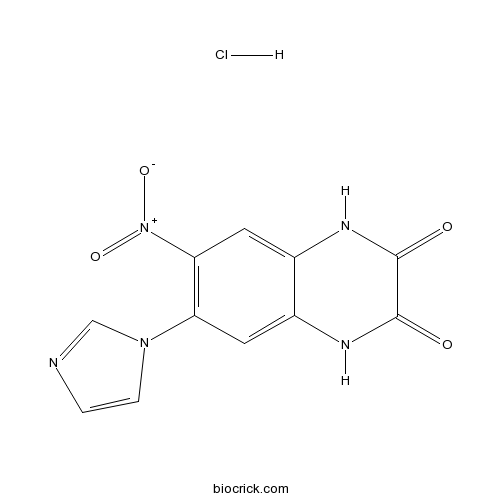
BCC7455
YM 90K hydrochloride
154164-30-4
-
BCC7339
ZK 200775
Fanapanel (ZK200775) is a highly selective AMPA/kainate antagonist with little activity against NMDA; have Ki values of 3.2 nM, 100 nM, and 8.5 μM against quisqualate, kainate, and NMDA, respectively.