
1-MonolinoleinCAS# 2277-28-3 |
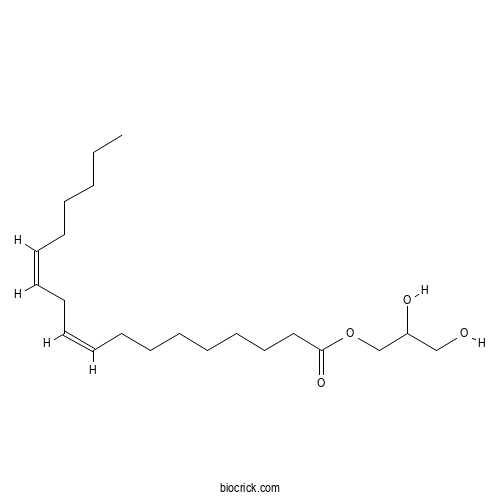
| Cas No. | 2277-28-3 | SDF | File under preparation. |
| PubChem ID | 5283469.0 | Appearance | Oil |
| Formula | C21H38O4 | M.Wt | 354.5 |
| Type of Compound | N/A | Storage | Desiccate at -20°C |
| Solubility | Soluble in Chloroform,Dichloromethane,Ethyl Acetate,DMSO,Acetone,etc. | ||
| Chemical Name | 2,3-dihydroxypropyl (9Z,12Z)-octadeca-9,12-dienoate | ||
| SMILES | CCCCCC=CCC=CCCCCCCCC(=O)OCC(CO)O | ||
| Standard InChIKey | WECGLUPZRHILCT-HZJYTTRNSA-N | ||
| Standard InChI | InChI=1S/C21H38O4/c1-2-3-4-5-6-7-8-9-10-11-12-13-14-15-16-17-21(24)25-19-20(23)18-22/h6-7,9-10,20,22-23H,2-5,8,11-19H2,1H3/b7-6-,10-9- | ||
| General tips | For obtaining a higher solubility , please warm the tube at 37 ℃ and shake it in the ultrasonic bath for a while.Stock solution can be stored below -20℃ for several months. We recommend that you prepare and use the solution on the same day. However, if the test schedule requires, the stock solutions can be prepared in advance, and the stock solution must be sealed and stored below -20℃. In general, the stock solution can be kept for several months. Before use, we recommend that you leave the vial at room temperature for at least an hour before opening it. |
||
| About Packaging | 1. The packaging of the product may be reversed during transportation, cause the high purity compounds to adhere to the neck or cap of the vial.Take the vail out of its packaging and shake gently until the compounds fall to the bottom of the vial. 2. For liquid products, please centrifuge at 500xg to gather the liquid to the bottom of the vial. 3. Try to avoid loss or contamination during the experiment. |
||
| Shipping Condition | Packaging according to customer requirements(5mg, 10mg, 20mg and more). Ship via FedEx, DHL, UPS, EMS or other couriers with RT, or blue ice upon request. | ||
Quality Control & MSDS
3D structure
Package In Stock

Number of papers citing our products


1-Monolinolein Dilution Calculator
1-Monolinolein Molarity Calculator
-
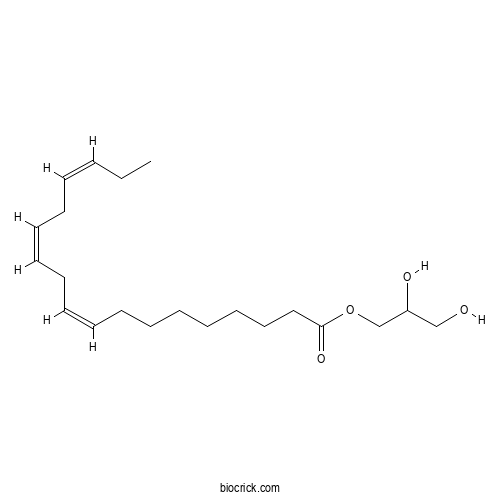 1-O-LinolenoylglycerolCatalog No.: BCX2536CAS No.: 18465-99-1
-
 1-MonopalmitinCatalog No.: BCN7749CAS No.: 542-44-9
-
 1-Octacosanoyl glycerideCatalog No.: BCN8190CAS No.: 71035-02-4
-
 MonomyristinCatalog No.: BCN8388CAS No.: 589-68-4
-
 Glyceryl hexacosanoateCatalog No.: BCC8991CAS No.: 127098-14-0
-
 TrilinoleinCatalog No.: BCN9130CAS No.: 537-40-6
-
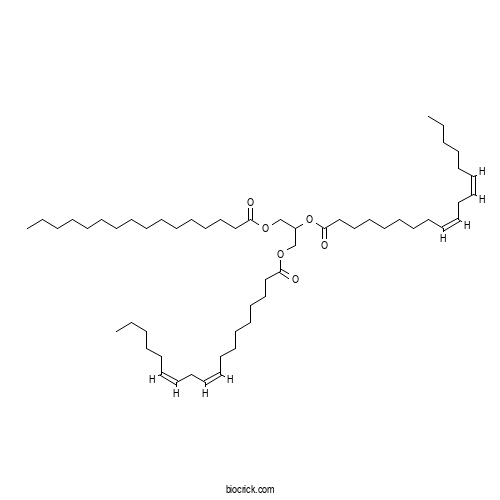 1,2-Dilinoleoyl-3-palmitinCatalog No.: BCX2844CAS No.: 2190-15-0
-
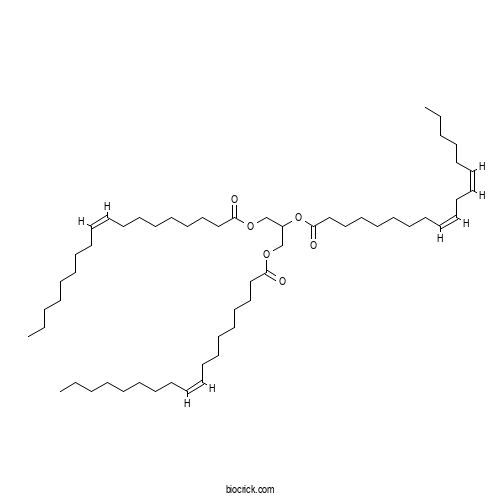 1,3-Dioleoyl-2-linoleoylglycerolCatalog No.: BCX2852CAS No.: 2190-19-4
-
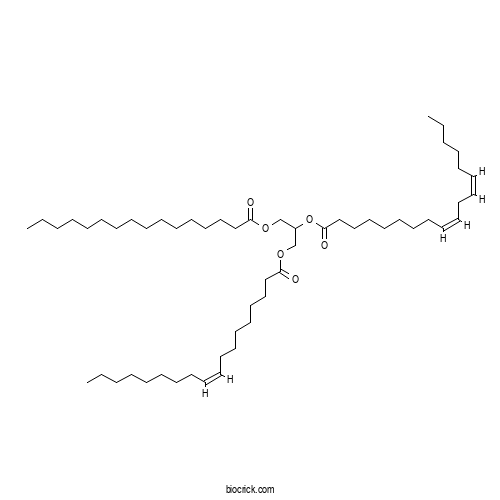 1-Palmitin-2-Linolein-3-OleinCatalog No.: BCX2864CAS No.: 2579-00-2
-
 1,2-Dioleoyl-sn-glycerolCatalog No.: BCC6416CAS No.: 24529-88-2
-
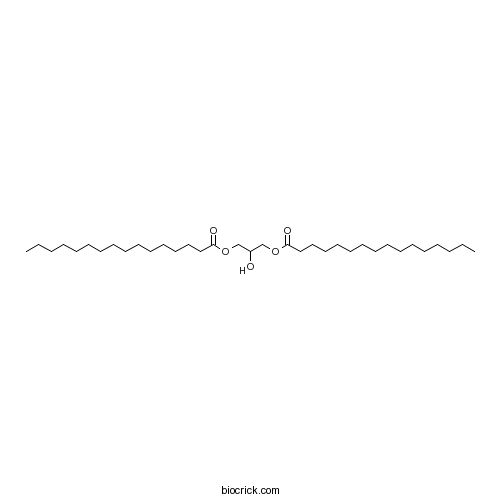 DipalmitinCatalog No.: BCN2214CAS No.: 26657-95-4
-
 Glycerine trioleateCatalog No.: BCN2287CAS No.: 122-32-7
-
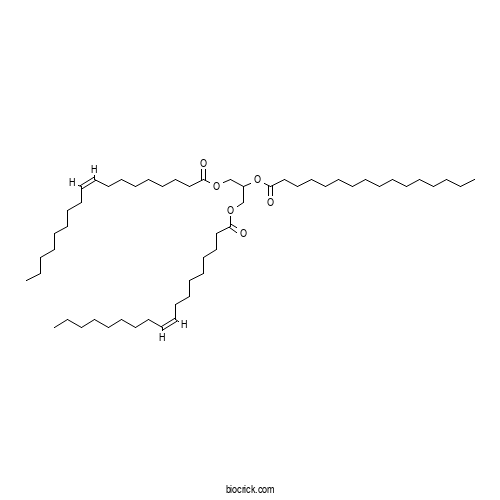 1,3-Dioleyl-2-palmitoylglycerolCatalog No.: BCX2862CAS No.: 1716-07-0
-
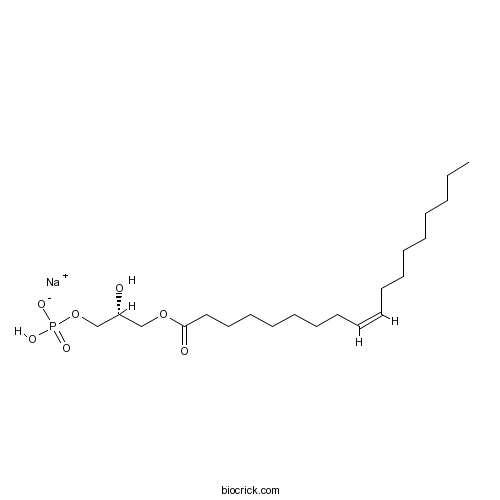 1-Oleoyl lysophosphatidic acid sodium saltCatalog No.: BCC7792CAS No.: 325465-93-8
-
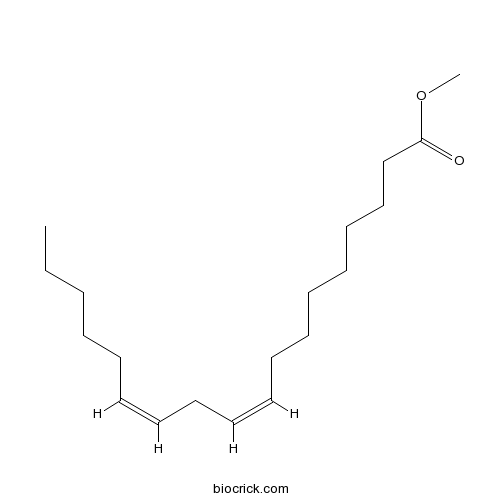 Methyl linoleateCatalog No.: BCN8137CAS No.: 112-63-0
-
 LINOLELAIDICACIDMETHYLESTERCatalog No.: BCX0936CAS No.: 2566-97-4
-
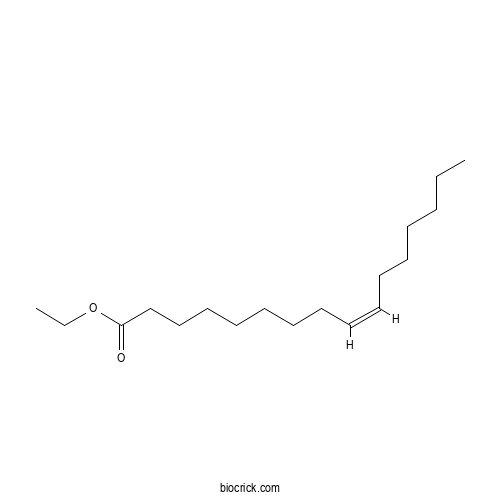 Ethyl palmitoleateCatalog No.: BCX1377CAS No.: 56219-10-4
| 1 mg | 5 mg | 10 mg | 20 mg | 25 mg | |
| 1 mM | 2.8209 mL | 14.1044 mL | 28.2087 mL | 56.4175 mL | 70.5219 mL |
| 5 mM | 0.5642 mL | 2.8209 mL | 5.6417 mL | 11.2835 mL | 14.1044 mL |
| 10 mM | 0.2821 mL | 1.4104 mL | 2.8209 mL | 5.6417 mL | 7.0522 mL |
| 50 mM | 0.0564 mL | 0.2821 mL | 0.5642 mL | 1.1283 mL | 1.4104 mL |
| 100 mM | 0.0282 mL | 0.141 mL | 0.2821 mL | 0.5642 mL | 0.7052 mL |
| * Note: If you are in the process of experiment, it's necessary to make the dilution ratios of the samples. The dilution data above is only for reference. Normally, it's can get a better solubility within lower of Concentrations. | |||||
- Methyl 6-methoxycarbazole-3-carboxylate
Catalog No.:BCX2537
CAS No.:132922-58-8
- 1-O-Linolenoylglycerol
Catalog No.:BCX2536
CAS No.:18465-99-1
- Homoaromoline
Catalog No.:BCX2535
CAS No.:17132-74-0
- 12α-Hydroxyamoorastatone
Catalog No.:BCX2534
CAS No.:152013-84-8
- Eudesmane-1β, 6α,11-triol
Catalog No.:BCX2533
CAS No.:1804930-14-0
- Notoginsenoside SFt3
Catalog No.:BCX2532
CAS No.:1351360-27-4
- Majonoside R1
Catalog No.:BCX2531
CAS No.:81534-62-5
- Majonoside R2
Catalog No.:BCX2530
CAS No.:81534-63-6
- Vinaginsenoside R2
Catalog No.:BCX2529
CAS No.:156980-42-6
- Ginsenoside Rs2
Catalog No.:BCX2528
CAS No.:87733-66-2
- Xanthohumol
Catalog No.:BCX2527
CAS No.:6754-58-1
- 5-Methoxyjatrointelignan D
Catalog No.:BCX2526
CAS No.:2170998-22-6
- Desinapoylhazaleanin A
Catalog No.:BCX2539
CAS No.:147742-26-5
- 11,13-Dehydrolanuginolide
Catalog No.:BCX2540
CAS No.:50764-09-5
- Trichotomoside
Catalog No.:BCX2541
CAS No.:881421-12-1
- Bisnorponcitrin
Catalog No.:BCX2542
CAS No.:158443-92-6
- 3β,16-Dihydroxycleroda-4(18),13-dien-15,16-olide
Catalog No.:BCX2543
CAS No.:935293-69-9
- HN saponin F
Catalog No.:BCX2544
CAS No.:39524-13-5
- 14-Acetoxycostunolide
Catalog No.:BCX2545
CAS No.:2755714-73-7
- Drypetesin B
Catalog No.:BCX2546
CAS No.:1909225-87-1
- 4-Megastigmene-3,9-dione
Catalog No.:BCX2547
CAS No.:74233-41-3
- N-Methyl-N-phenethylbenzamide
Catalog No.:BCX2548
CAS No.:73355-77-8
- (±)-Regiolone
Catalog No.:BCX2549
CAS No.:62332-73-4
- threo-1,2-Bis(4-hydroxy-3-methoxyphenyl)-1-methoxypropan-3-ol
Catalog No.:BCX2550
CAS No.:110995-81-8
Exploring the Potential of Genista ulicina Phytochemicals as Natural Biocontrol Agents: A Comparative In Vitro and In Silico Analysis.[Pubmed:41003516]
Toxins (Basel). 2025 Sep 6;17(9):452.
Development of new sustainable pesticides represents a real challenge for researchers due to environmental issues and public health aspects. In fact, the overuse of chemical pesticides has led to environmental damage, loss of biodiversity, and pesticide-resistant pests. In a framework characterized by the necessity of new sustainable agricultural practices, this study investigates the plant Genista ulicina as a producer of bioactive compounds for potential application as eco-friendly biopesticides. First, both roots and aerial parts of G. ulicina were extracted and the main compounds in the crude extracts were identified via GC-MS. Subsequently, the crude extracts were submitted to antifungal and phytotoxic assays. In particular, the antifungal effects were evaluated on three common phytopathogenic fungi, Fusarium oxysporum, Alternaria alternata, and Botrytis cinerea, while phytotoxic activity was evaluated on two weed species: Euphorbia peplus L. and Oxalis corniculata L. Further insights were obtained on the herbicidal potential of phytochemical compounds produced by G. ulicina through in silico investigations. In particular, molecular docking analyses were performed against three key enzymes involved in essential plant metabolic pathways: acetohydroxyacid synthase (AHAS), 4-hydroxyphenylpyruvate dioxygenase (HPPD), and protoporphyrinogen oxidase (PPO). Among the compounds identified, linolelaidic acid methyl ester, 1-Monolinolein, stearic acid, and palmitic acid derivatives showed promising binding affinities and favorable interaction patterns compared to reference ligands. Selected phytochemicals from G. ulicina show potential as inhibitors of key herbicide targets, suggesting their value as promising leads in the development of sustainable bio-based weed control agents.
Betaine and I-LG may have a predictive value for ATB: A causal study in a large European population.[Pubmed:38968285]
PLoS One. 2024 Jul 5;19(7):e0306752.
PURPOSE: To analyze the causal relationship between 486 human serum metabolites and the active tuberculosis (ATB) in European population. METHODS: In this study, the causal relationship between human serum metabolites and the ATB was analyzed by integrating the genome-wide association study (GWAS). The 486 human serum metabolites were used as the exposure variable, three different ATB GWAS databases in the European population were set as outcome variables, and single nucleotide polymorphisms were used as instrumental variables for Mendelian Randomization. The inverse variance weighting was estimated causality, the MR-Egger intercept to estimate horizontal pleiotropy, and the combined effects of metabolites were also considered in the meta-analysis. Furthermore, the web-based MetaboAnalyst 6.0 was engaged for enrichment pathway analysis, while R (version 4.3.2) software and Review Manager 5.3 were employed for statistical analysis. RESULTS: A total of 21, 17, and 19 metabolites strongly associated with ATB were found in the three databases after preliminary screening (P < 0.05). The intersecting metabolites across these databases included tryptophan, betaine, 1-linoleoylglycerol (1-Monolinolein) (1-LG), 1-eicosatrienoylglycerophosphocholine, and oleoylcarnitine. Among them, betaine (I2 = 24%, P = 0.27) and 1-LG (I2 = 0%, P = 0.62) showed the lowest heterogeneity among the different ATB databases. In addition, the metabolic pathways of phosphatidylethanolamine biosynthesis (P = 0.0068), methionine metabolism (P = 0.0089), betaine metabolism (P = 0.0205) and oxidation of branched-chain fatty acids (P = 0.0309) were also associated with ATB. CONCLUSION: Betaine and 1-LG may be biomarkers or auxiliary diagnostic tools for ATB. They may provide new guidance for medical practice in the early diagnosis and surveillance of ATB. In addition, by interfering with phosphatidylethanolamine biosynthesis, methionine metabolism, betaine metabolism, oxidation of branched-chain fatty acids, and other pathways, it is helpful to develop new anti-tuberculosis drugs and explore the virulence or pathogenesis of ATB at a deeper level, providing an effective reference for future studies.
Network pharmacology study of Yishen capsules in the treatment of diabetic nephropathy.[Pubmed:36094934]
PLoS One. 2022 Sep 12;17(9):e0273498.
OBJECTIVE: In this study, we used network pharmacology to explore the possible therapeutic mechanism underlying the treatment of diabetic nephropathy with Yishen capsules. METHODS: The active chemical constituents of Yishen capsules were acquired using the Traditional Chinese Medicine Systems Pharmacology platform and the Encyclopedia of Traditional Chinese Medicine. Component target proteins were then searched and screened in the BATMAN database. Target proteins were cross-validated using the Comparative Toxicogenomics Database, and Kyoto Encyclopedia of Genes and Genomes (KEGG) pathway analyses of the target proteins were performed. Then, protein-protein interaction (PPI) analysis was performed using the STRING database. Finally, a pharmacological network was constructed to show the component-target-pathway relationships. Molecular docking was used to analyse the interaction between drug components and target proteins. RESULTS: In total, 285 active chemical components were found, including 85 intersection targets against DN. In the pharmacological network, 5 key herbs (A. membranaceus, A. sinensis, E. ferox, A. orientale, and R. rosea) and their corresponding 12 key components (beta-sitosterol, beta-carotene, stigmasterol, alisol B, mairin, quercetin, caffeic acid, 1-Monolinolein, kaempferol, jaranol, formononetin, and calycosin) were screened. Furthermore, the 12 key components were related to 24 target protein nodes (e.g., AGT, AKT1, AKT2, BCL2, NFKB1, and SIRT1) and enriched in 24 pathway nodes (such as the NF-kappa B, AGE-RAGE, toll-like receptor, and relaxin signaling pathways). Molecular docking revealed that hydrogen bond was formed between drug components and target proteins. CONCLUSION: In conclusion, the active constituents of Yishen capsules modulate targets or signaling pathways in DN pathogenesis.
[Active constituents of Urtica fissa in inhibition of benign prostatic hyperplasia].[Pubmed:35178984]
Zhongguo Zhong Yao Za Zhi. 2022 Jan;47(2):419-427.
The present study investigated the material basis of Urtica fissa for the inhibition of benign prostatic hyperplasia(BPH). The active fractions were screened, and the extracts of dichloromethane and ethyl acetate exhibited significantly inhibitory activities against 5alpha-reductase in vitro and BPH in model rats. The chemical constituents in the active fractions were systematically investigated, and 28 compounds were obtained, which were identified as lobechine methyl ester(1), dibutyl-O-phthalate(2), 1-Monolinolein(3), epipinoresinol(4), 5-hydroxy-3,4-dimethyl-5-pentanyl-2(5H)-furanone(5), E-7,9-diene-11-methenyl palmitic acid(6), evofolin B(7), ficusal(8), threo-2,3-bis-(4-hydroxy-3-methoxyphenyl)-3-ethoxypropan-1-ol(9), alpha-viniferin(10),(9R,7E)-9-hydroxy-5,7-mengatigmadien-4-one-9-O-beta-D-glucopyranoside(11), indole-3-carboxaldehyde(12), p-hydroxy ethyl cinnamate(13), benzyl alcohol-O-beta-D-glucoside(14), L-methionine(15), 4-methoxyaniline(16), 6-aminopurine(17), 8'-acetyl oilvil(18), 4-methoxyl-8'-acetyl oilvil(19), vanillic acid(20), beta-hydroxypropiovanillone(21), 7-hydroxy-6-methoxycoumarin(22), p-hydroxybenzaldehyde(23), pinoresinol(24), erythro-1,2-bis-(4-hydroxy-3-methoxyphenyl)-1,3-propanediol(25), urticol(26), urticol-7-O-beta-D-glucopyranoside(27), and lobechine(28). Compounds 1-17 were isolated from U. fissa for the first time. Meanwhile, compound 1 was a new natural product. Compounds 10, 11, 19, 21, and 27 exhibited significant inhibitory effects on 5alpha-reductase.
Lyotropic liquid crystal-based transcutaneous peptide delivery system: Evaluation of skin permeability and potential for transcutaneous vaccination.[Pubmed:34774785]
Acta Biomater. 2022 Jan 15;138:273-284.
Transcutaneous drug delivery is a promising method in terms of drug repositioning and reformulation because of its non-invasive and easy-to-use features. To overcome the skin barrier, which is the biggest challenge in transcutaneous drug delivery, a number of techniques, such as microemulsion, solid-in-oil dispersions and liposomes, have been studied extensively. However, the low viscosity of these formulations limits drug retention on the skin and reduces patient acceptability. Although viscosity can be increased by adding a thickening reagent, such an addition often alters formulation nanostructures and drug solubility, and importantly, decreases skin permeability. In this study, a gel-like lyotropic liquid crystal (LLC) was used as a tool to enhance skin permeability. In particular, we prepared 1-Monolinolein (ML)-based LLCs with different water contents. All LLCs significantly enhanced skin permeation of a peptide drug, an epitope peptide of melanoma, despite their high viscoelasticity. Fourier transform infra-red spectroscopic analysis of the skin surface treated with the LLCs revealed that the gyroid geometry more strongly interacted with the lamellar structure inside the stratum corneum (SC) than the diamond geometry. Finally, as the result of the in vivo tumor challenge experiment using B16F10 melanoma-bearing mice, the LLC with the gyroid geometry showed stronger vaccine effect against tumor than a subcutaneous injection. Collectively, ML-based LLCs, especially with the gyroid geometry, are a promising strategy to deliver biomacromolecules into skin. STATEMENT OF SIGNIFICANCE: Transcutaneous drug delivery is a promising method for drug repositioning and reformulation because of its non-invasive and easy-to-use features. To overcome the skin barrier, which is the biggest challenge in transcutaneous drug delivery, we used a gel-like lyotropic liquid crystal (LLC) as a novel tool to enhance skin permeability. In this paper, we demonstrated that an LLC with a specific liquid crystalline structure has the highest skin permeation enhancement effect for a peptide antigen as a model drug. Moreover, the peptide antigen-loaded LLC showed a vaccine effect that was comparable to a subcutaneous injection in vivo. This study provides a basis for designing a transcutaneous delivery system of peptide drugs with LLC.
Preparation of Monoacylglycerol Derivatives from Indonesian Edible Oil and Their Antimicrobial Assay against Staphylococcus aureus and Escherichia coli.[Pubmed:31358890]
Sci Rep. 2019 Jul 29;9(1):10941.
In the present work, linoleic acid and oleic acid were isolated from Indonesian corn oil and palm oil and they were used to prepare monoacylglycerol derivatives as the antibacterial agent. Indonesian corn oil contains 57.74% linoleic acid, 19.88% palmitic acid, 11.84% oleic acid and 3.02% stearic acid. While Indonesian palm oil contains 44.72% oleic acid, 39.28% palmitic acid, 4.56% stearic acid and 1.54% myristic acid. The oleic acid was purified by using Urea Inclusion Complex (UIC) method and its purity was significantly increased from 44.72% to 94.71%. Meanwhile, with the UIC method, the purity of ethyl linoleate was increased from 57.74% to 72.14%. 1-Monolinolein and 2-monoolein compounds were synthesized via two-step process from the isolated linoleic acid and oleic acid, respectively. The preliminary antibacterial assay shows that the 1-Monolinolein did not give any antibacterial activity against Staphylococcus aureus and Escherichia coli, while 2-monoolein showed weak antibacterial activity against Staphylococcus aureus.
A Network Pharmacology Approach Used to Estimate the Active Ingredients of Moutan Cortex Charcoal and the Potential Targets in Hemorrhagic Diseases.[Pubmed:30828075]
Biol Pharm Bull. 2019;42(3):432-441.
Moutan Cortex charcoal has been used to ameliorate blood heat symptoms and treat pathologic hemorrhage down the ages. Although well known as an agent with the effect of astringency and hemostasis, its active ingredients and action mechanism remain unclear. In the present study, molecular docking technology was employed to screen the potential hemostatic compounds in Moutan Cortex charcoal and their target proteins. Protein-protein-interaction (PPI) analysis was performed to explain the functions and enrichment pathways of the target proteins. The results showed that a total of 25 compounds were estimated as active constituents targeting multiple proteins related to hemostatic diseases, including 5 proteins (SERPINC1, FVIII, FX, FII and FXII) that were considered as the key targets. Then the drug-target (D-T) network was constructed to analyze the underlying hemostatic mechanism of Moutan Cortex charcoal, followed by a hierarchical cluster analysis (HCA) for compounds clustering, and a coagulation screening test for compound verification on their coagulation activities, with the results indicating that M15 (5-Tetradecenoic acid) and M31 (1-Monolinolein) might be the key compounds contributing to the hemostasis effect of Moutan Cortex charcoal by involving in the pathways related to complement, coagulation cascades and the platelet activation, particularly by activating FVIII, FX, FII and FXII and inhibiting SERPINC1. This study has demonstrated that Moutan Cortex charcoal may work as a hemostatic through the interaction between multiple-compounds and multiple-proteins, which provides the basis for further researches on the hemostasis mechanism of Moutan Cortex charcoal.
The Antifungal Properties of Epidermal Fatty Acid Esters: Insights from White-Nose Syndrome (WNS) in Bats.[Pubmed:30096918]
Molecules. 2018 Aug 9;23(8):1986.
Numerous free fatty acids (FFAs) are known to have potent antifungal effects. The mammalian epidermis contains both FFAs and multiple classes of fatty acid esters, including 1-monoacylglycerols and wax esters. We thus hypothesized that wax esters and 1-monoacylglycerols composed of antifungal fatty acids would also have antifungal properties. We tested this hypothesis by examining the effects of 1-monoacylglycerols, 1,3-diacylglycerols, and wax esters on the growth of Pseudogymnoascus destructans (Pd), the fungus that causes White-nose Syndrome (WNS) in North American bats by invading their epidermis. Laboratory experiments with Pd cultures demonstrated that: (a) three 1-monoacylglycerols (1-monopalmitolein, 1-monoolein, and 1-Monolinolein), as well as, (b) two wax esters, behenyl oleate and behenyl palmitoleate, profoundly inhibit Pd growth. The normal growth cycle of Pd was interrupted by addition of two cholesterol esters to the media as well. A bat species resistant to cutaneous Pd infections has these 1-monoacylglycerols in the epidermis, and another Pd resistant bat species has these wax esters in the sebum, thus cutaneous lipid composition is one factor which enables some bats to avoid WNS. Our experiments also revealed that the fatty acid esters which inhibit Pd growth are not hydrolyzed by the lipases secreted by this fungus, whereas the esters that do not inhibit Pd growth are hydrolyzed.
Antimicrobial and Cytotoxic Properties of Bioactive Metabolites Produced by Streptomyces cavourensis YBQ59 Isolated from Cinnamomum cassia Prels in Yen Bai Province of Vietnam.[Pubmed:29869093]
Curr Microbiol. 2018 Oct;75(10):1247-1255.
The endophytic actinomycete strain YBQ59 was isolated from Cinnamomum cassia Prels in Yen Bai province (21 degrees 53'14''N; 104 degrees 35'9''E) of northern Vietnam. Based on analysis of morphological, physiological characteristics and 16S rRNA gene sequence (GenBank Acc. No. MF950891), the strain YBQ59 possessed high similarity to Streptomyces cavourensis subsp. cavourensis strain NRRL 2740, therefore assigned as S. cavourensis YBQ59. The ethyl acetate extract of the YBQ59 culture broth isolated eight pure secondary metabolites, identified as 1-Monolinolein (1), bafilomycin D (2), nonactic acid (3), daidzein (4), 3'-hydroxydaidzein (5), 5,11-epoxy-10-cadinanol (6), prelactone B (7), and daucosterol (8). Compounds 1, 3-8 were reported for the first time from S. cavourensis. Compounds 1-5 exhibited antimicrobial activities against both methicillin-resistant Staphylococcus aureus ATCC 33591 (MRSA) and methicillin-resistant Staphylococcus epidermidis ATCC 35984 (MRSE) among which the compound 1 revealed the strongest effects with minimum inhibitory concentrations of 8.5 and 14.6 microg/mL, respectively. The compound 2 showed high potential effect against MRSA (MIC of 11.1 microg/mL) but less effect against MRSE (MIC of 30.3 microg/mL). The cytotoxicity of the compounds 1-7 was investigated against human lung adenocarcinoma EGFR-TKI-resistant cells, among which compounds 1, 2, and 5 exhibited the strong effect against A549 cells with IC(50) values of 3.6, 6.7, and 7.8 microM, respectively. Taken together, the experimental findings in this study suggested that the compounds 1 and 2 could be reproducible metabolites applicable for inhibition of both drug-resistant bacteria and cancer cell lines.
Herbal extract prevents bone loss in ovariectomized rats.[Pubmed:14661857]
Arch Pharm Res. 2003 Nov;26(11):917-24.
This research aims to test a new drug candidate based on a traditional medicinal herb, F1, an herbal extract obtained from Astragalus membranaceus and its main ingredient, 1-Monolinolein that may have fewer side effects and less uterine hypertrophy. In vitro experiments, human osteoblast-like cell lines, MG-63 and Saos-2, were analyzed by 3-[4,5-dimethylthiazol-2-yl]-2,5-diphenyltetrazolium bromide (MTT) and an alkaline phosphatase (ALP) assays. Mouse osteoclasts were induced through a calcium-deficient diet and inhibition effects were measured. In vivo experiments were done using ovariectomized (OVX) rats for 9 weeks. At necropsy, uterus weights were measured, trabecular bone area (TBA) of tibia and lumbar vertebra were measured bone histomorphology. In results, cell proliferation and ALP activity in Saos-2 by ether F1 or 1-Monolinolein did not increased significantly compared to the control. The F1 inhibited osteoclast development (IC25 = 3.37 x 10(-5) mg/mL) less than 17beta-estradiol. The OVX rats administered F1 (2 mg/kg/day and 10 mg/kg/day) showed an increase in TBA of the tibia significantly (136.3 +/- 4.2% and 138.5 +/- 10.3% of control). In conclusions, the herbal extract, F1 inhibited tibia and lumbar bone loss and did not cause uterine hypertrophy. However, 1-Monolinolein, the main ingredient of the herbal extract, did not inhibit bone loss.
Characterization of soybean lipoxygenase immobilized in cross-linked phyllosilicates.[Pubmed:9693089]
Biotechnol Appl Biochem. 1998 Aug;28(1):55-9.
Lipoxygenase (LOX) is an enzyme that regioselectively introduces the hydroperoxide functionality into polyunsaturated fatty acids, such as linoleic acid (LA). Hydroperoxide derivatives of polyunsaturated fatty acids are of interest because they can serve as important intermediates in the synthesis of chemical and pharmaceutical compounds. In this study, LOX was immobilized in dispersed phyllosilicate layers that were cross-linked with silicate polymers formed by the hydrolysis of tetramethyl orthosilicates. The effects of substrate concentration, reaction temperature and solvent participation were studied on the oxidation of LA by LOX. The temperature optimum for the oxidation of LA by immobilized LOX was 25 degrees C and values of Km and Vmax for this reaction were 1.7 mM and 0.023 micromol/min respectively. Enzymic activity was stimulated by the addition of 10% (v/v) iso-octane to the reaction mixture. The immobilized LOX preparation showed a degree of substrate preference that demonstrated that 1,3-dilinolein was a better substrate than LA in the oxidation reaction, followed in order by 1-Monolinolein, methyl oleate and trilinolein. In general, LOX immobilized in cross-linked phyllosilicates retained the physical and chemical characteristics of free LOX.
Purification and characterization of a novel monomeric glutathione peroxidase from rat liver.[Pubmed:3198607]
J Biol Chem. 1988 Dec 15;263(35):19003-8.
A novel glutathione peroxidase, which is active toward hydroperoxides of phospholipid in the presence of a detergent, has been purified to homogeneity from a rat liver postmicrosomal supernatant fraction by ammonium sulfate fractionation and three different column chromatographies. From a DE52 column, glutathione peroxidase active toward phosphatidylcholine dilinoleoyl hydroperoxides was eluted in one major and two minor peaks. The enzyme in the major peak was found to be separated from the "classic" glutathione peroxidase and glutathione S-transferases and further purified by Sephacryl S-200 and Mono Q column chromatographies. The purified enzyme was found to be homogeneous on polyacrylamide gel electrophoresis under nondenaturing conditions as well as that in the presence of sodium dodecyl sulfate. The molecular weight of the enzyme as determined by sodium dodecyl sulfate-polyacrylamide gel electrophoresis was 22,000, and that by gel filtration was comparable, indicating that the enzyme protein is a single polypeptide. The purified enzyme was found to catalyze the reduction of phosphatidylcholine dilinoleoyl hydroperoxides to the corresponding hydroxy derivatives. The isoelectric point of the enzyme was found at pH 6.2, and the optimum pH for the enzyme activity was 8.0. The enzyme was active toward cumene hydroperoxide, H2O2, and 1-Monolinolein hydroperoxides in the absence of a detergent. The enzyme activity toward phospholipid hydroperoxides was minute in the absence of a detergent but was remarkably enhanced by the addition of a detergent. From these results, the presently purified enzyme is obviously different from the classic glutathione peroxidase and also from phospholipid hydroperoxide glutathione peroxidase purified from pig heart (Ursini, F., Maiorino, M., and Gregolin, C. (1985) Biochim. Biophys. Acta 839, 62-70), though considerably similar to the latter.

Calcutta University

University of Minnesota

University of Maryland School of Medicine

University of Illinois at Chicago

The Ohio State University

University of Zurich

Harvard University

Colorado State University

Auburn University

Yale University

Worcester Polytechnic Institute

Washington State University

Stanford University

University of Leipzig

Universidade da Beira Interior

The Institute of Cancer Research

Heidelberg University

University of Amsterdam

University of Auckland

TsingHua University

The University of Michigan

Miami University

DRURY University

Jilin University

Fudan University

Wuhan University

Sun Yat-sen University

Universite de Paris

Deemed University

Auckland University

The University of Tokyo

Korea University



