
Multiple Sclerosis
Multiple sclerosis (MS) is a chronic autoimmune, inflammatory disease of the central nervous system (CNS), which causes damage to myelin and axons, resulting in neurological symptoms such as partial loss of sight, paresthesias and ataxia.
Multiple Sclerosis Products Targets
- STAT (10)
- Voltage-gated Potassium (KV) Channel (38)
- Integrin Receptor (15)
- Others (29)
- Complement (2)
- Vitamin D Receptor (10)
- PORCN (4)
- beta-catenin (13)
- Casein Kinase 1 (7)
- AMPA Receptor (45)
- GPR55 (8)
- CB2 Receptor (6)
- CB1 Receptor (17)
- NMDA Receptor (87)
- Kainate Receptor (22)
- Chemokine CXC Receptor (9)
- Chemokine CC Receptor (13)
- TRPM (8)
- Tankyrase (5)
- ROS and Other Gaseous Donor (8)
- Nrf2 (5)
- ITK (2)
- ASK1 (2)
- Acid-Sensing Ion Channel (3)
- Calcium-Activated Potassium (KCa) Channel (19)
- Inward Rectifier Potassium (Kir) Channel (21)
- NCX (5)
- Retinoid X Receptor (13)
- Cytokine (15)
Products for Multiple Sclerosis - Page 2
- Cat.No. Product Name Information/Activity
-
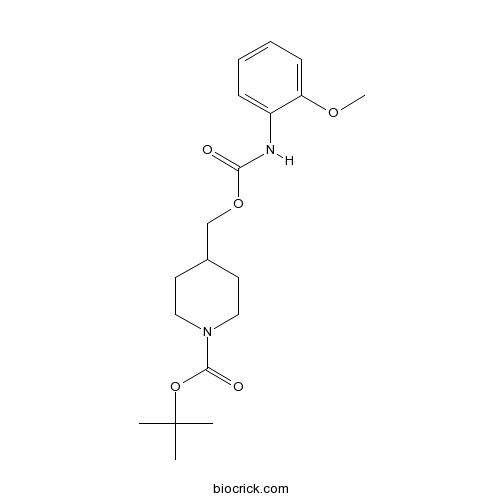
BCC7914
GW 542573X
660846-41-3
-
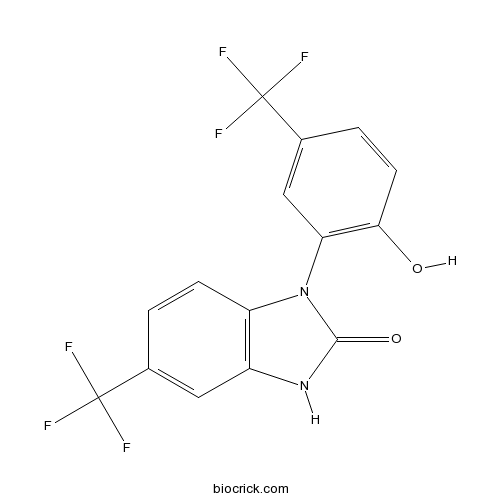
BCC7779
NS 1619
NS-1619 is a selective large conductance Ca2+-activated K+-channel activator.
-
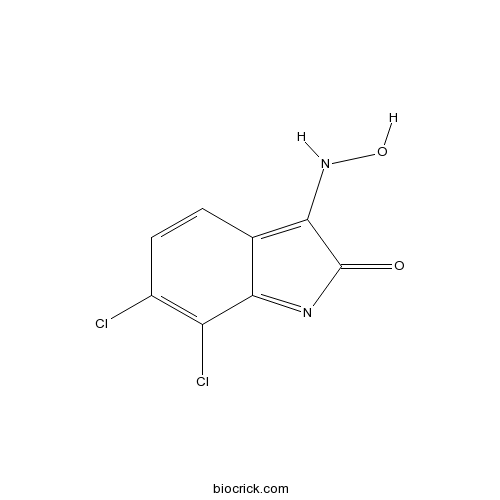
BCC1809
NS309
NS309 is a positive modulator of small- and intermediate- conductance Ca2+-activated K+ channels (KCa2 and KCa3.1 channels); increases Ca2+ sensitivity. Displays no activity at BK channels.
-
BCC7743
SKA 31
SKA-31 is a potent potassium channel activator with EC50s of 260 nM, 1.9 μM, 2.9 μM, and 2.9 μM for KCa3.1, KCa2.2, KCa2.1 and KCa2.3, respectively. SKA-31 potentiates endothelium-derived hyperpolarizing factor response and lowers blood pressure.

-
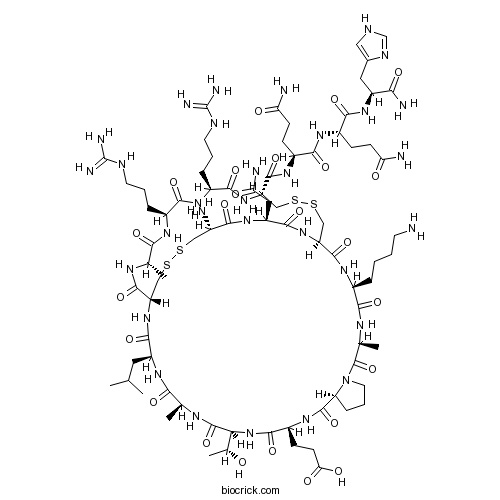
BCC7141
Apamin
Apamin (Apamine) is an 18 amino acid peptide neurotoxin found in apitoxin (bee venom), is known as a specifically selective blocker of Ca2+-activated K+ (SK) channels and exhibits anti-inflammatory and anti-fibrotic activity.
-
BCC6933
Charybdotoxin
95751-30-7

-
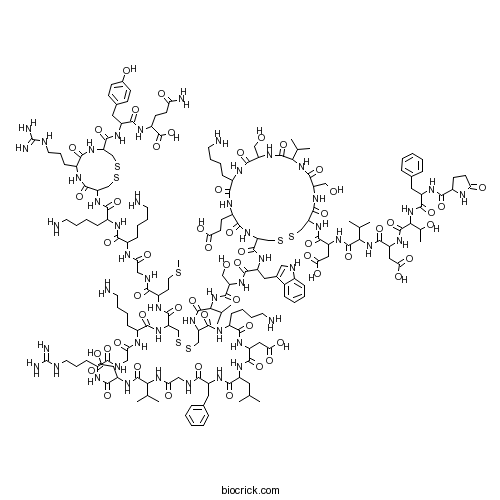
BCC6932
Iberiotoxin
129203-60-7
-
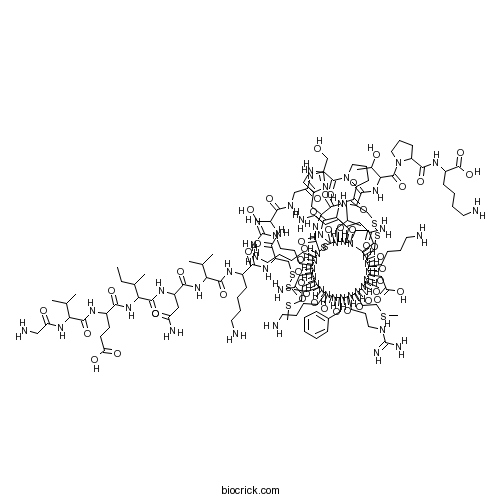
BCC7710
Kaliotoxin
145199-73-1
-
BCC6307
NS 6180
NS6180 is a novel potent and selective KCa3.1 channel inhibitor(IC50= 9 nM) prevents T-cell activation and inflammation.

-
BCC7235
Paxilline
Paxilline is an indole alkaloid mycotoxin from Penicillium paxilli, acts as a potent BK channels inhibitor by an almost exclusively closed-channel block mechanism. Paxilline also inhibits the sarco/endoplasmic reticulum Ca2+ ATPase (SERCA) with IC50s between 5 μM and 50 μM for differing isoforms. Paxilline possesses significant anticonvulsant activity.