
Neuroscience Research
Neuroscience is the study of the nervous system - one of the major mammalian systems responsible for sustaining life. The central nervous system (CNS) and peripheral nervous system (PNS) work in concert to coordinate basic functions such as moving and breathing, as well as 'higher order' functions including thought, speech and emotion.
Neuroscience Research Products Areas
- Stress and Anxiety Research (392)
- Nociception (957)
- Neurotransmission (892)
- Neuropeptides (43)
- Neural Development (795)
- Memory, Learning and Cognition (746)
- Blood-Brain Barrier (119)
- Stroke Research (665)
- Sleep Research (267)
- Schizophrenia Research (709)
- Parkinson's Disease Research (752)
- Huntington's Disease Research (465)
- Epilepsy Research (560)
- Depression Research (631)
- Alzheimer's Disease Research (399)
- Addiction Research (509)
- Multiple Sclerosis (419)
Products for Neuroscience Research - Page 99
- Cat.No. Product Name Information/Activity
-
BCC7247
Iloprost
Iloprost (ZK 36374) is a synthetic analogue of prostacyclin PGI2.

-
BCC5240
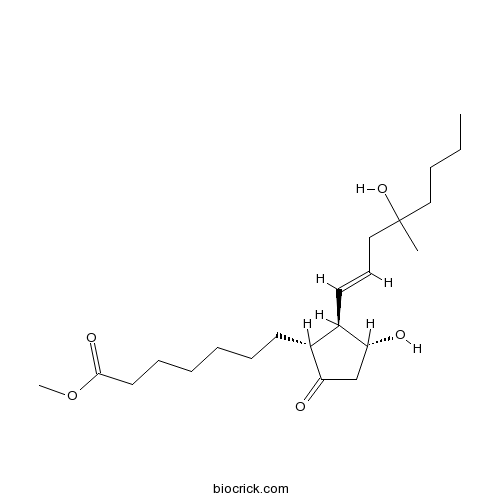
Misoprostol
59122-46-2
-
BCC7316
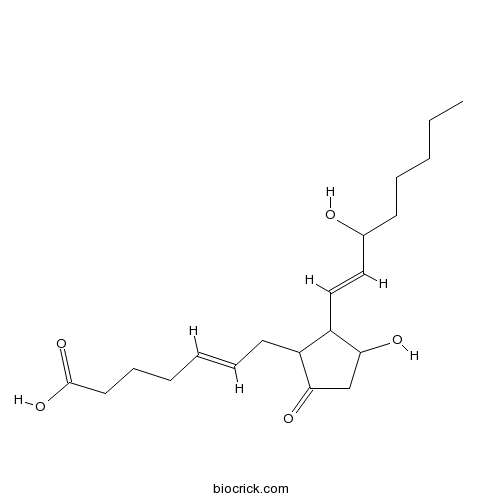
Prostaglandin E2
Prostaglandin E2 is a hormone-like substance that participate in a wide range of body functions such as the contraction and relaxation of smooth muscle, the dilation and constriction of blood vessels, control of blood pressure, and modulation of inflammation.
-
BCC7889
Prostaglandin F2α
Dinoprost tromethamine salt is a naturally occurring prostaglandin used in medicine to induce labor and as an abortifacient.

-
BCC7661
NS 304
Selexipag (NS-304) is an orally available and potent agonist for the Prostacyclin (PGI2) receptor (IP receptor).

-
BCC7547
Sulprostone
60325-46-4

-
BCC7853
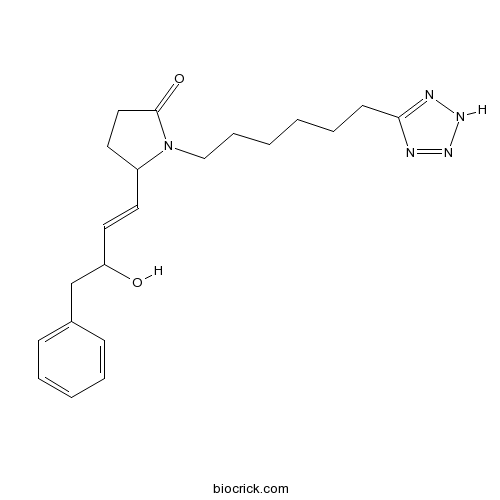
TCS 2510
346673-06-1
-
BCC7207
U 46619
U-46619 (9,11-Methanoepoxy PGH2) is a stable analogue of thromboxane A2 (TXA2) and acts as a potent TXA2 agonist.

-
BCC1332
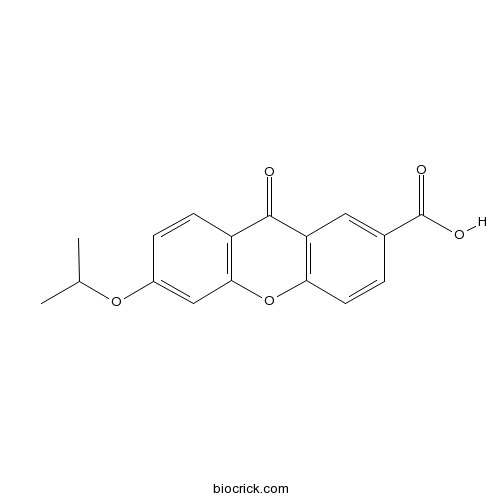
AH 6809
AH 6809 is an EP and DP receptor antagonist with nearly equal affinity for the cloned human EP1, EP2, EP3-III, and DP1 receptors.
-
BCC7961
GW 627368
GW627368 (GW627368X) is a novel, potent and selective competitive antagonist of prostanoid EP4 receptor with additional human TP receptor affinity, with pKi values of 7.0 and 6.8 for human prostanoid EP4 and TP receptors respectively.