Neural Development
Neural development describes the growth and development of the nervous system starting from embryogenesis and continuing throughout life.
Neural Development Products Targets
- FGFR (5)
- GABAB Receptor (28)
- Others (13)
- Stem Cell Signaling (27)
- Stem Cell Proliferation (25)
- Reprogramming (17)
- Nucleoside Transporter (5)
- Glycine Transporter (6)
- GABA (10)
- Cannabinoid Transporter (10)
- Acetylcholine Transporter (1)
- D4 Receptor (12)
- PORCN (4)
- beta-catenin (13)
- Casein Kinase 1 (7)
- 5-HT7 Receptor (11)
- 5-HT6 Receptor (14)
- 5-ht5 Receptor (2)
- 5-HT4 Receptor (17)
- NOP Receptor (21)
- Mu-Opioid Receptors (15)
- Kappa Opioid Receptors (14)
- AMPA Receptor (45)
- GABAA-ρ Receptor (8)
- GABAA Receptor (66)
- GPR55 (8)
- CB2 Receptor (6)
- CB1 Receptor (17)
- Nicotinic (α7) Receptor (25)
- Nicotinic (α4β2) Receptor (14)
- D3 Receptor (12)
- Vesicular Monoamine Transporter (4)
- NMDA Receptor (87)
- Kainate Receptor (22)
- D2 Receptor (14)
- D1 and D5 Receptor (16)
- Glutamate Transporter (18)
- Dopamine Transporter (20)
- Tankyrase (5)
- Adrenergic Transporter (23)
- 5-HT Transporter (30)
- nNOS (5)
- iNOS (11)
- eNOS (1)
- Stem Cell Differentiation (54)
- Delta opioid receptor (16)
- Adrenergic α2 Receptor (33)
- Adrenergic α1 Receptor (22)
- Adrenergic β3 Receptor (12)
- Adrenergic β2 Receptor (6)
- Adrenergic β1 Receptor (7)
- Hedgehog Signaling (15)
- Cancer Stem Cell (9)
Products for Neural Development - Page 70
- Cat.No. Product Name Information/Activity
-
BCC1134
RG 108
RG108 (N-Phthalyl-L-tryptophan) is a non-nucleoside DNA methyltransferases (DNMTs) inhibitor (IC50=115 nM) that blocks the DNMTs active site. RG108 (N-Phthalyl-L-tryptophan) causes demethylation and reactivation of tumor suppressor genes, but it does not affect the methylation of centromeric satellite sequences.

-
BCC7908
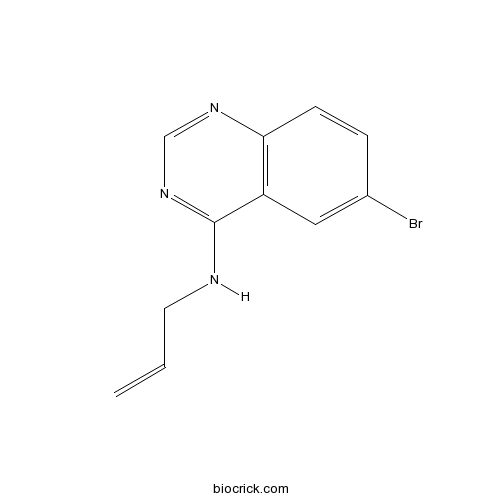
SMER 28
SMER28 is a positive regulator of autophagy acting via an mTOR-independent mechanism. SMER28 prevents the accumulation of amyloid beta peptide.
-
BCC2525
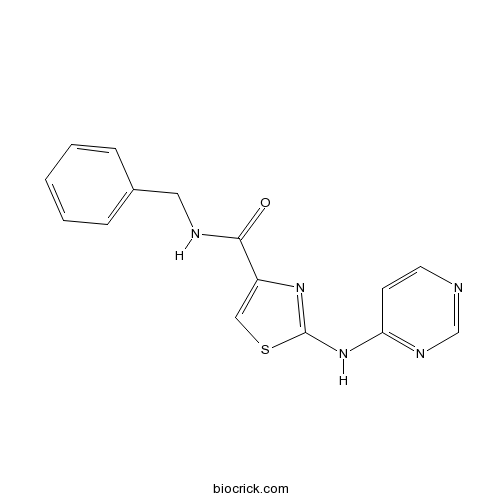
Thiazovivin
Thiazovivin is a potent ROCK inhibitor, which can protect human embryonic stem cells. Thiazovivin improves the efficiency of iPSC generation.
-
BCC7791
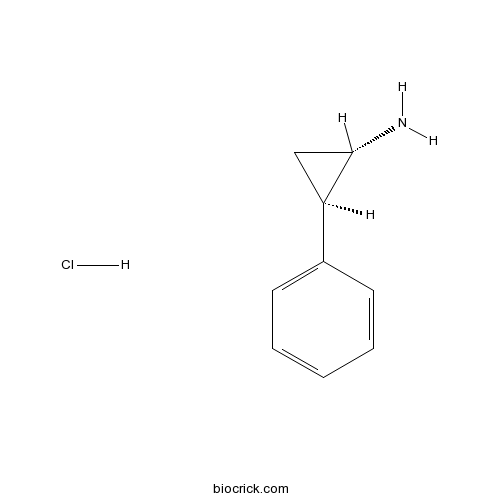
Tranylcypromine hydrochloride
Tranylcypromine is a monoamine oxidase inhibitor, which inhibits CYP2A6 with Ki of 0.08 μM and 0.2 μM in cDNA-expressing microsomes and Human Liver Microsomes, respectively.
-
BCC3605
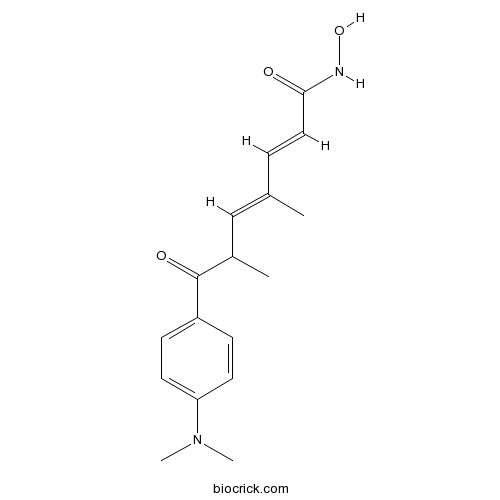
Trichostatin A (TSA)
Trichostatin A (TSA) is a potent and specific inhibitor of HDAC class I/II, with an IC50 value of 1.8 nM for HDAC.
-
BCC4874
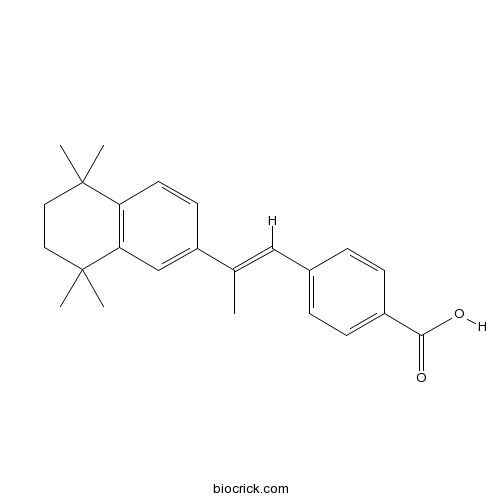
TTNPB (Arotinoid Acid)
TTNPB is a highly potent RAR agonist. Competitive binding assays using human RARs yield IC50s of α=5.1 nM, β= 4.5 nM, and γ=9.3 nM, respectively.
-
BCC3606
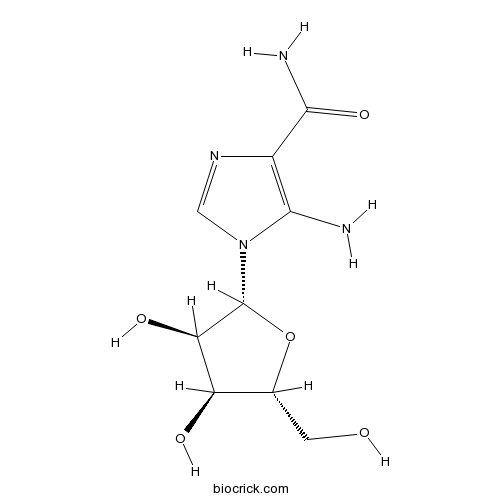
AICAR
AICAR (Acadesine) is an adenosine analog and a AMPK activator. AICAR regulates the glucose and lipid metabolism, and inhibits proinflammatory cytokines and iNOS production. AICAR is also an autophagy and mitophagy inhibitor.
-
BCC7790
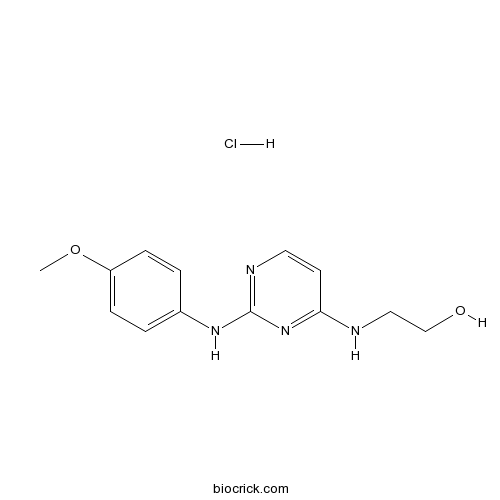
Cardiogenol C hydrochloride
Cardiogenol C hydrochloride is a potent cell-permeable pyrimidine inducer which prompts the differentiation of ESCs into cardiomyocytes (EC50=100 nM). Cardiogenol C hydrochloride also acts cardiomyogenic on already lineage-committed progenitor cell types with a limited degree of plasticity. Cardiogenol C hydrochloride is a useful cardiomyogenic agent and can be used as a tool to improve cardiac repair by cell transplantation therapy in animal models.
-
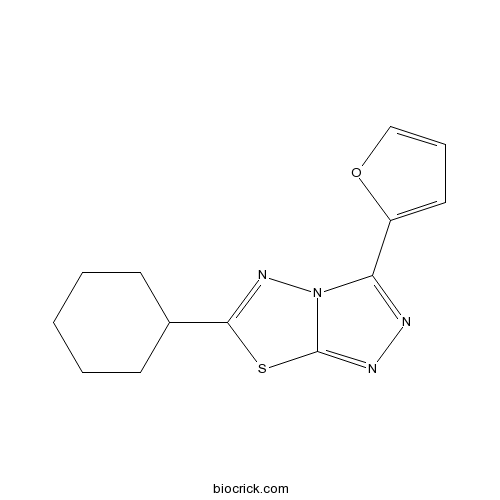
BCC6199
Cardionogen 1
577696-37-8
-
BCC5581
CCG-1423
CCG-1423 is a novel inhibitor of RhoA/C-mediated gene transcription that is capable of inhibiting invasion of PC-3 prostate cancer cells in a Matrigel model of metastasis.