NMDA Receptor
NMDA receptors are members of the ionotropic class of glutamate receptors, which also includes Kainate and AMPA receptors. NMDA receptors consist of NR1 subunits combined with NR2 (A-D) or NR3 (A-B) subunits. The ligand-gated channel is permeable to cations.
Products for NMDA Receptor
- Cat.No. Product Name Information/Activity
-
BCC6566
cis-ACPD
477331-06-9

-
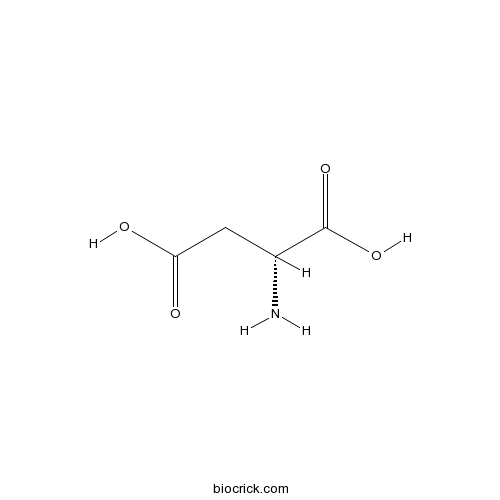
BCC2894
H-D-Asp-OH
(-)-Aspartic acid is an endogenous NMDA receptor agonist.
-
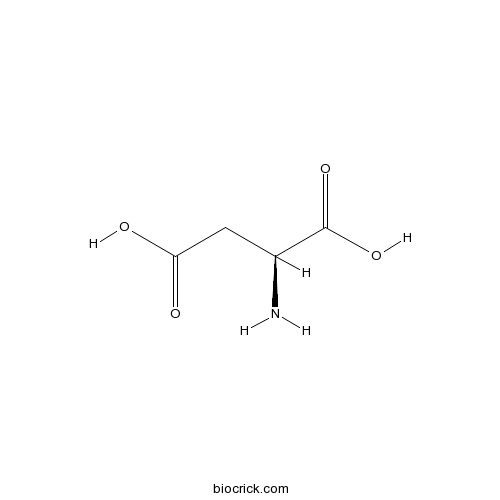
BCC2881
H-Asp-OH
L-Aspartic acid is is an amino acid, shown to be a suitable prodrug for colon-specific drug deliverly.
-
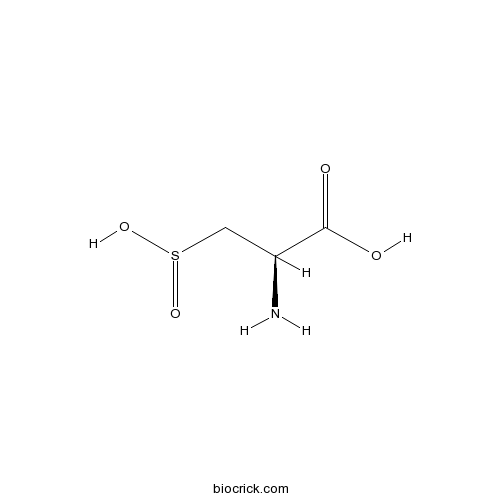
BCC6571
L-Cysteinesulfinic acid
L-Cysteinesulfinic acid is a potent agonist at several rat metabotropic glutamate receptors (mGluRs) with pEC50s of 3.92±0.03, 4.6±0.2, 3.9±0.2, 2.7±0.2, 4.0±0.2, and 3.94±0.08 for mGluR1, mGluR5, mGluR2, mGluR4, mGluR6, and mGluR8, respectively.
-
BCC6013
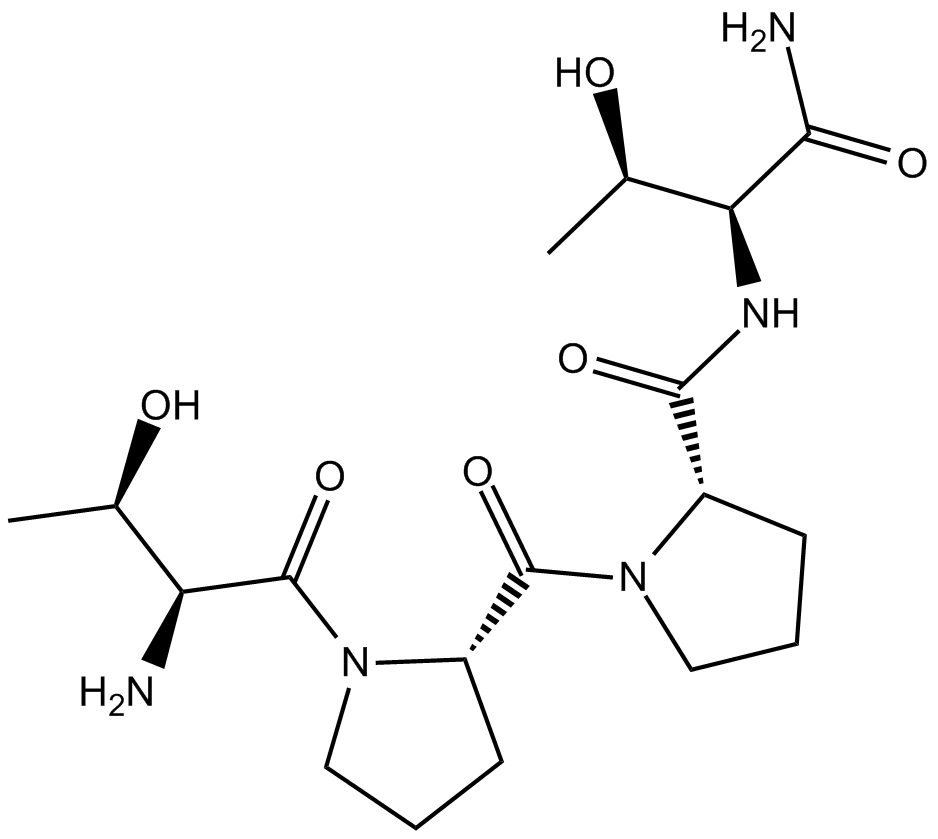
GLYX 13
Rapastinel (GLYX-13) is an N-methyl-D-aspartate receptor (NMDAR) modulator that has characteristics of a glycine site partial agonist.
-
BCC6588
(R)-(+)-HA-966
(R)-(+)-HA-966 ((+)-HA-966) is a partial agonist/antagonist of glycine site of the N-methyl-D-aspartate (NMDA) receptor complex. (R)-(+)-HA-966 selectively blocks the activation of the mesolimbic dopamine system by amphetamine. (R)-(+)-HA-966 can cross the blood-brain barrier and has the potential for neuropathic and acute pain.

-
BCC6570
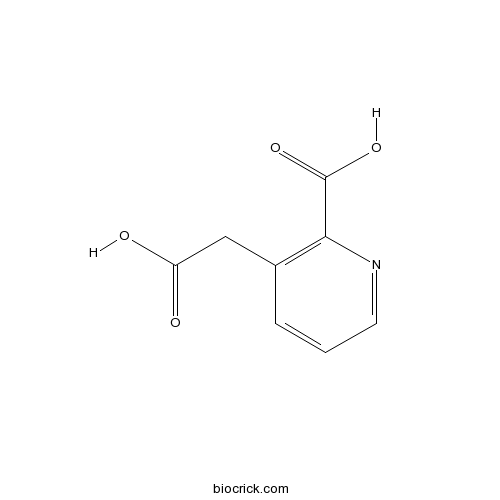
Homoquinolinic acid
490-75-5
-
BCC6591
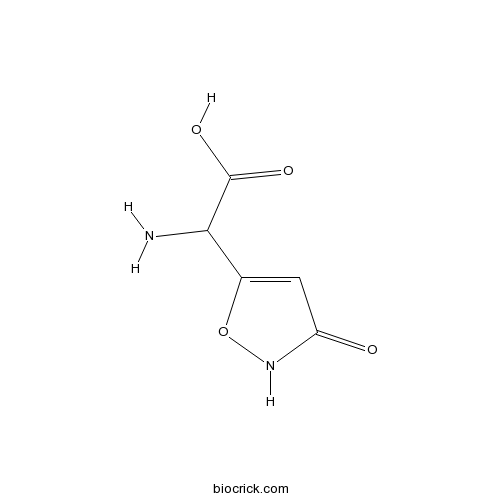
Ibotenic acid
Ibotenic acid has agonist activity at both the N-methyl-D-aspartate (NMDA) and trans-ACPD or metabolotropic quisqualate (Qm) receptor sites.
-
BCC5896
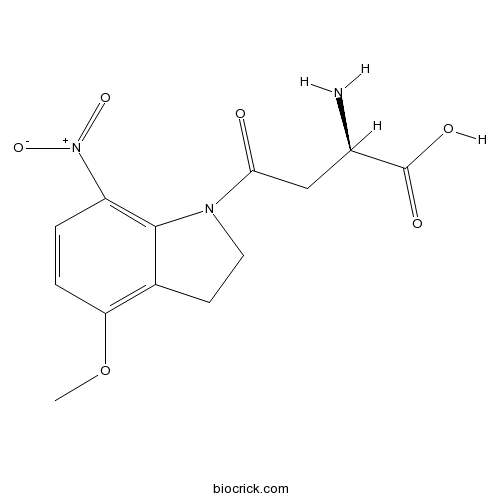
MNI-caged-D-aspartate
845555-94-4
-
BCC4590
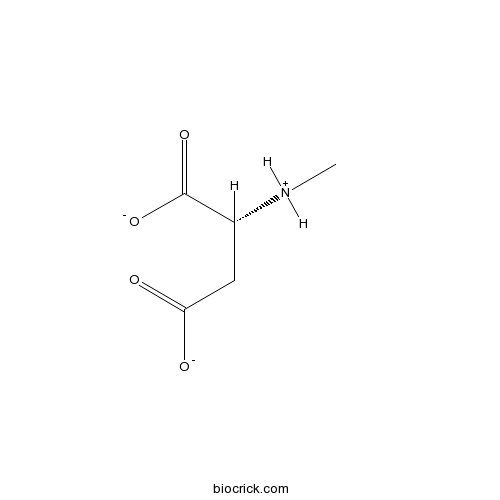
NMDA (N-Methyl-D-aspartic acid)
NMDA is a specific agonist for NMDA receptor mimicking the action of glutamate, the neurotransmitter which normally acts at that receptor.