Cell Cycle
The cell cycle consists of a regulatory network of proteins that controls the order and timing of cellular proliferation events. It is divided into four stages, G1-S-G2-M. The G1 and G2 stages stands for 'GAP 1' and 'GAP 2' respectively. The S stage stands for 'Synthesis' and is the stage when DNA replication occurs. The M stage stands for 'mitosis', and is when nuclear and cytoplasmic division occurs, halving the genome.
Cell Cycle Products Targets
Products for Cell Cycle - Page 9
- Cat.No. Product Name Information/Activity
-
BCC2241
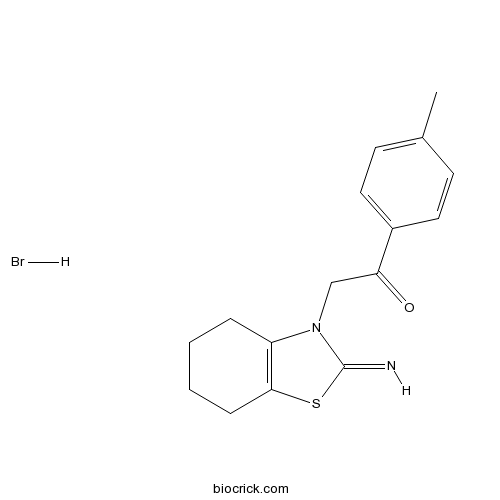
Pifithrin-α (PFTα)
Pifithrin-α hydrobromide is a p53 inhibitor which blocks its transcriptional activity and prevents cells from apoptosis. Pifithrin-α hydrobromide is also an aryl hydrocarbon receptor (AhR) agonist.
-
BCC2407
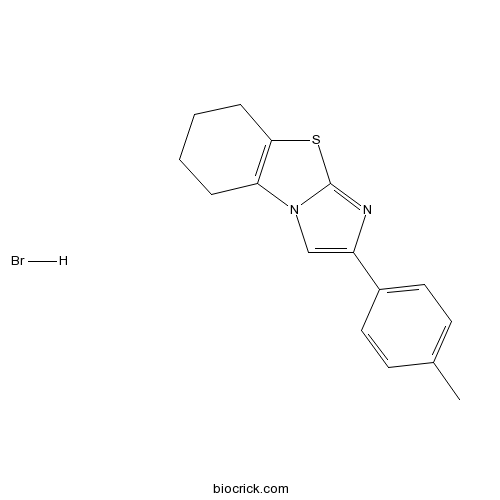
Cyclic Pifithrin-α hydrobromide
Pifithrin-β hydrobromide (PFT β hydrobromide) is a potent p53 inhibitor with an IC50 of 23 μM.
-
BCC2412
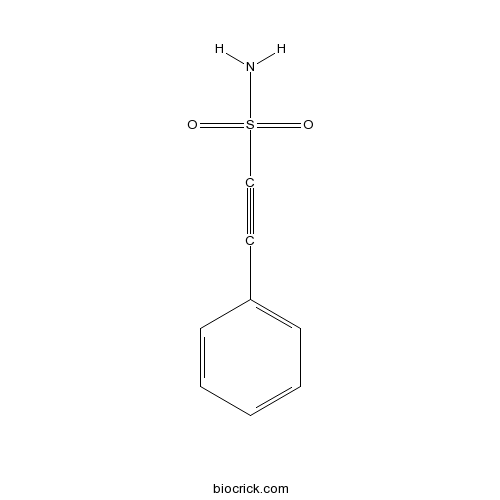
Pifithrin-μ
Pifithrin-μ is an inhibitor of p53 and HSP70, with antitumor and neuroprotective activity.
-
BCC2408
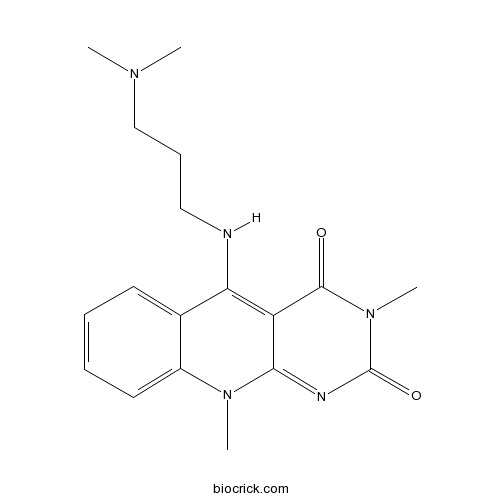
HLI 373
Hdm2 inhibitor; activates p53-dependent transcription
-
BCC2410
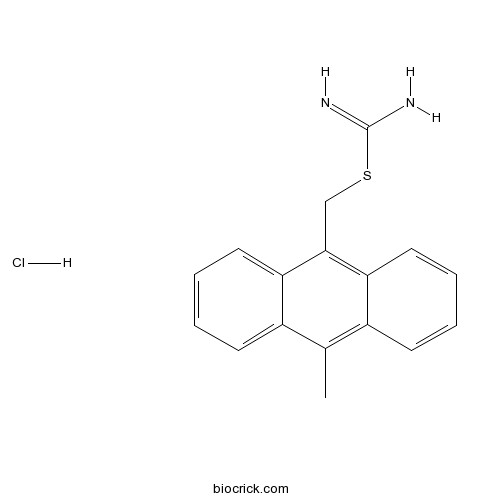
NSC 146109 hydrochloride
NSC 146109 hydrochloride is a small-molecule p53 activator that target MDMX and could be of value in treating breast cancer. NSC 146109 hydrochloride is a pseudourea derivative, promotes breast cancer cells to undergo apoptosis through activating p53 and inducing expression of proapoptotic genes[1].
-
BCC2242
NSC 319726
NSC319726 (ZMC1) is a mutant p53R175 reactivator; inhibits growth of fibroblasts expressing the p53R175 mutation (IC50 = 8 nM); shows no inhibition for p53 wild-type cells.

-
BCC2255
NSC 66811
MDM2 inhibitor. Disrupts MDM2-p53 interaction

-
BCC2238
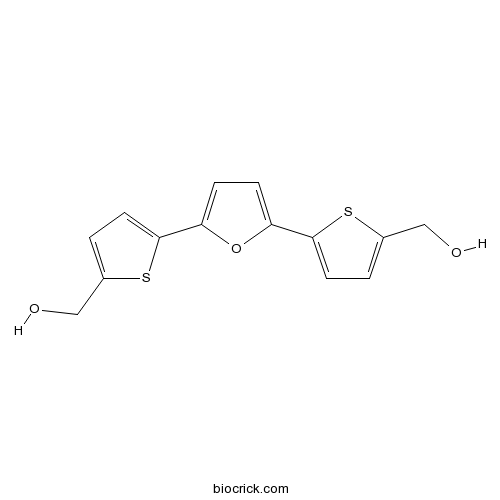
RITA (NSC 652287)
RITA is an inhibitor of p53-HDM-2 interaction, binds to p53dN, with a Kd of 1.5 nM, and also induces DNA-DNA cross-links.
-
BCC2416
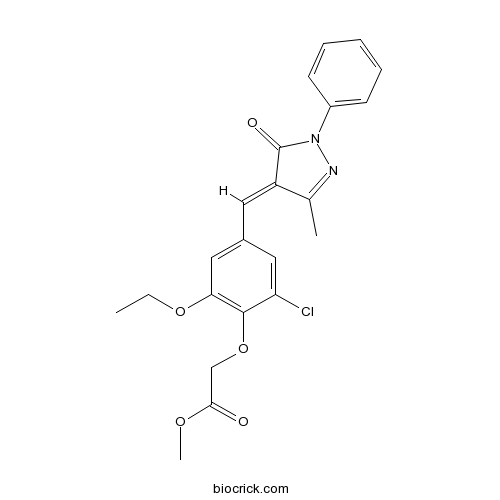
SJ 172550
SJ-172550 is a small molecule inhibitor of MDMX; competes for the wild type p53 peptide binding to MDMX with an EC50 of 5 μM.
-
BCC2239
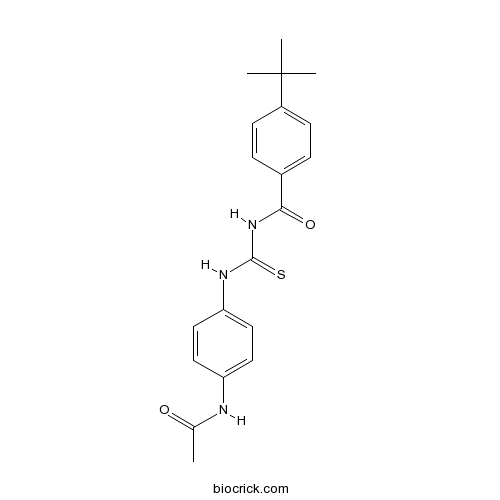
Tenovin-1
Tenovin-1 is an inhibitor of sirtuin 1 and sirtuin 2, an activator of p53 and may have potential in the management of cancer.