Asthma Research
Asthma is a common chronic inflammatory disease of the respiratory system that affects approximately 22 million people in US. It has been classified as a complex genetic condition that is determined by the interaction of numerous genes along with environmental factors.
Asthma Research Products Targets
- Adenosine A2B Receptor (7)
- Adenosine A2A Receptor (11)
- Matrix Metalloprotease (16)
- Caspase (9)
- Elastase (1)
- Lipoxygenase (8)
- Leukotriene and Related Receptor (13)
- Bradykinin Receptor (12)
- Cytokine Receptor (4)
- Urokinase (2)
- Deubiquitinating Enzyme (12)
- Aminopeptidase (5)
- Angiotensin-Converting Enzyme (8)
- Carboxypeptidase (1)
- Calpain (7)
- Histamine H4 Receptor (12)
- Histamine H3 Receptor (22)
- Histamine H2 Receptor (10)
- Histamine H1 Receptor (17)
- Adenosine A3 Receptor (8)
- Adenosine A1 Receptor (12)
- IαB Kinase (6)
- Calcium-Activated Potassium (KCa) Channel (19)
- Dipeptidyl Peptidase IV (1)
- Cathepsin (9)
- gamma-Secretase (9)
- ADAMs (1)
- Proteasome (5)
Products for Asthma Research - Page 10
- Cat.No. Product Name Information/Activity
-
BCC6106
MRE 3008F20
MRE3008F20 is a highly potent and selective antagonist of adenosine A3 receptor (AA3R), inhibits agonist-induced cAMP elevation in resting T lymphocytes with an IC50 of 5 nM.
-
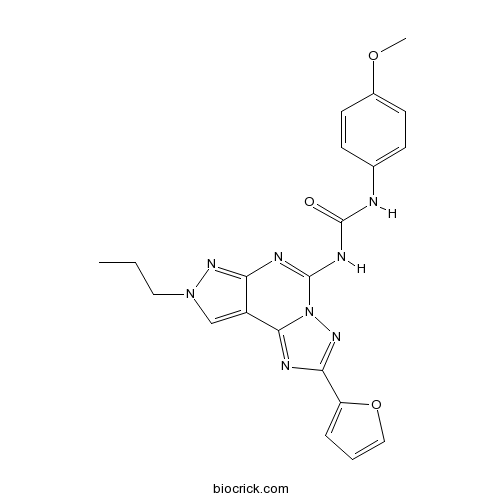
BCC6972
MRS 1220
183721-15-5

-
BCC5753
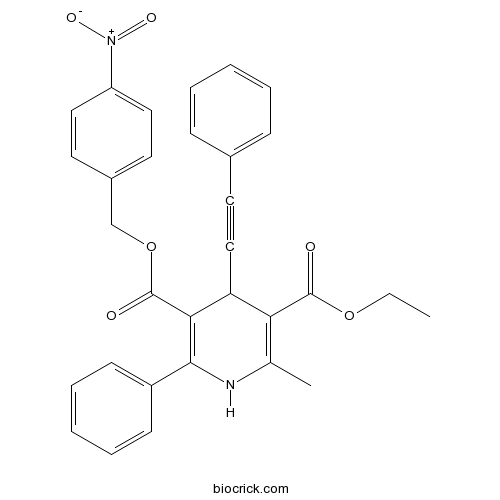
MRS 1334
192053-05-7
-
BCC7238
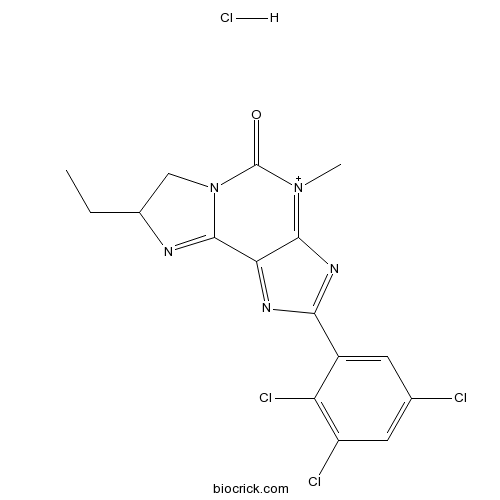
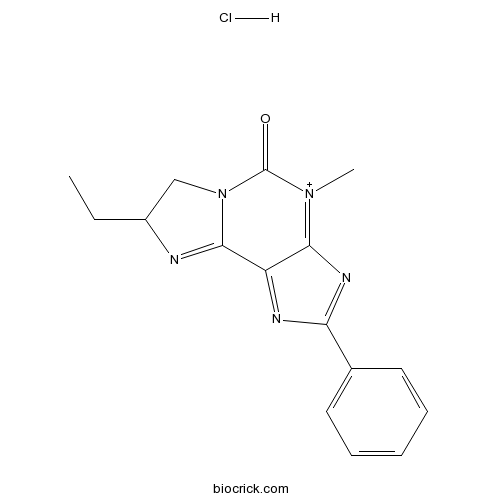
PSB 10 hydrochloride
591771-91-4
-
BCC7239
PSB 11 hydrochloride
453591-58-7
-
BCC7030
VUF 5574
280570-45-8

-
BCC4530
Histamine 2HCl
Histamine dihydrochloride is an endogenous metabolite.

-
BCC6736
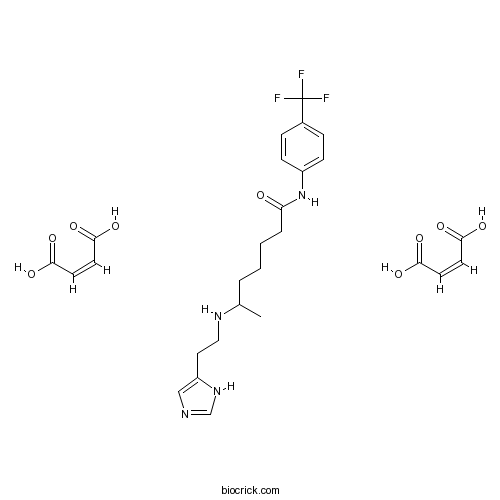
HTMT dimaleate
195867-54-0
-
BCC7379
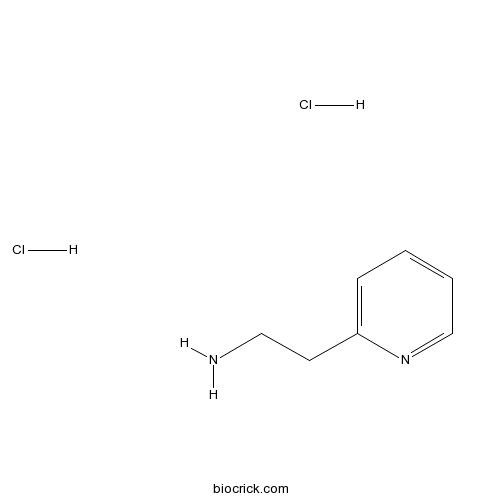
2-Pyridylethylamine dihydrochloride
3343-39-3
-
BCC7691
Astemizole
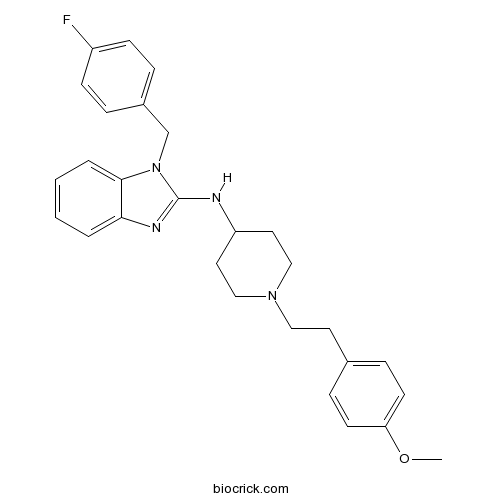
Astemizole (R 43512), a second-generation antihistamine drug to diminish allergic symptoms with a long duration of action, is a histamine H1-receptor antagonist, with an IC50 of 4 nM. Astemizole also shows potent hERG K+ channel blocking activity with an IC50 of 0.9 nM. Astemizole has antipruritic effects.