Asthma Research
Asthma is a common chronic inflammatory disease of the respiratory system that affects approximately 22 million people in US. It has been classified as a complex genetic condition that is determined by the interaction of numerous genes along with environmental factors.
Asthma Research Products Targets
- Adenosine A2B Receptor (7)
- Adenosine A2A Receptor (11)
- Matrix Metalloprotease (16)
- Caspase (9)
- Elastase (1)
- Lipoxygenase (8)
- Leukotriene and Related Receptor (13)
- Bradykinin Receptor (12)
- Cytokine Receptor (4)
- Urokinase (2)
- Deubiquitinating Enzyme (12)
- Aminopeptidase (5)
- Angiotensin-Converting Enzyme (8)
- Carboxypeptidase (1)
- Calpain (7)
- Histamine H4 Receptor (12)
- Histamine H3 Receptor (22)
- Histamine H2 Receptor (10)
- Histamine H1 Receptor (17)
- Adenosine A3 Receptor (8)
- Adenosine A1 Receptor (12)
- IαB Kinase (6)
- Calcium-Activated Potassium (KCa) Channel (19)
- Dipeptidyl Peptidase IV (1)
- Cathepsin (9)
- gamma-Secretase (9)
- ADAMs (1)
- Proteasome (5)
Products for Asthma Research - Page 23
- Cat.No. Product Name Information/Activity
-
BCC2379
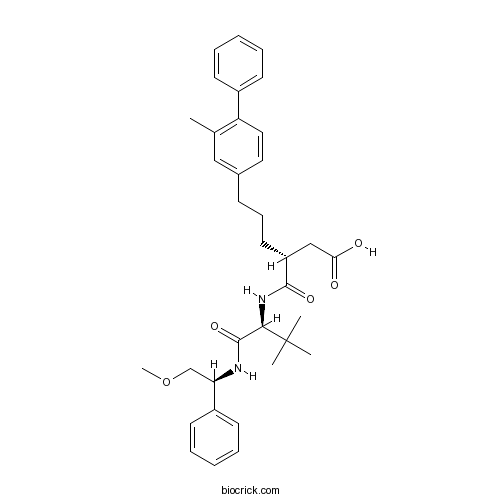
UK 370106
UK-370106 is a potent and highly selective MMP-3 (IC50 of 23 nM) and MMP-12 (IC50 of 42 nM) inhibitor with >1200-fold higher potency than MMP-1, MMP-2, MMP-9, and MMP-14, and about 100-fold than MMP-13 and MMP-8. UK-370106 potently inhibits cleavage of [3H]-fibronectin by MMP-3 (IC50 of 320 nM) and has little effect on keratinocyte migration in vitro.
-
BCC2308
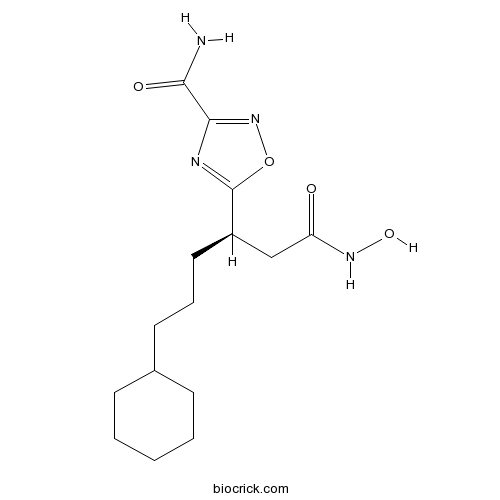
UK 383367
UK-383367 (UK 383367) is a potent and selective inhibitor of BMP-1 (procollagen C-proteinase) with IC50 of 44 nM; Selective for BMP-1 over MMPs 1, 2, 3, 9 and 14 (IC50 values are >10,000 nM for listed MMPs).
-
BCC2098
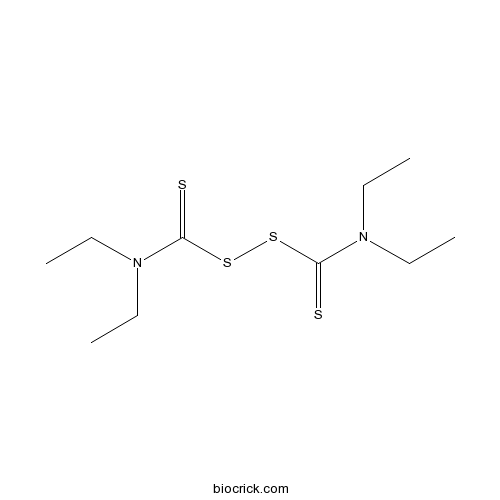
Disulfiram
Disulfiram (Tetraethylthiuram disulfide) is a specific inhibitor of aldehyde-dehydrogenase (ALDH1), used for the treatment of chronic alcoholism by producing an acute sensitivity to alcohol. Disulfiram inhibits gasdermin D (GSDMD) pore formation in liposomes and inflammasome-mediated pyroptosis and IL-1β secretion in human and mouse cells[1-4].
-
BCC7953
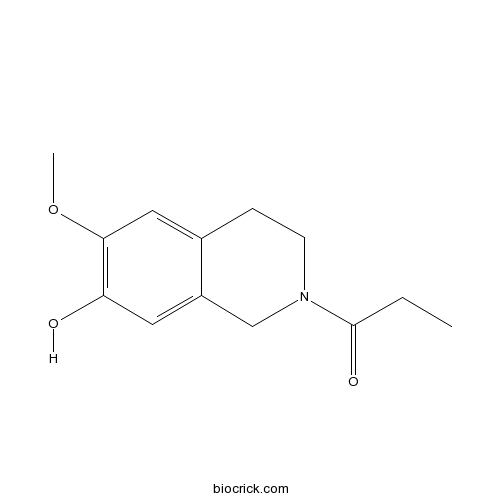
PTIQ
1032822-42-6
-
BCC3589
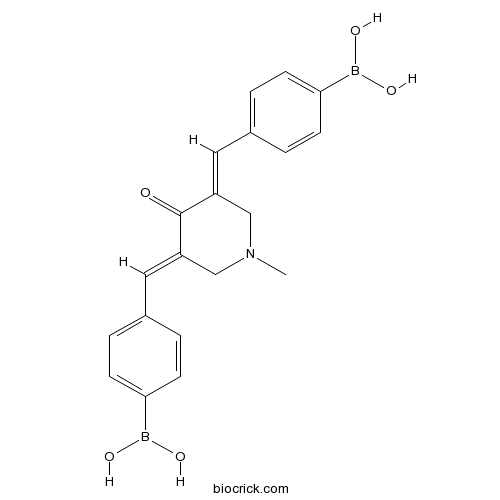
AM 114
856849-35-9
-
BCN3894
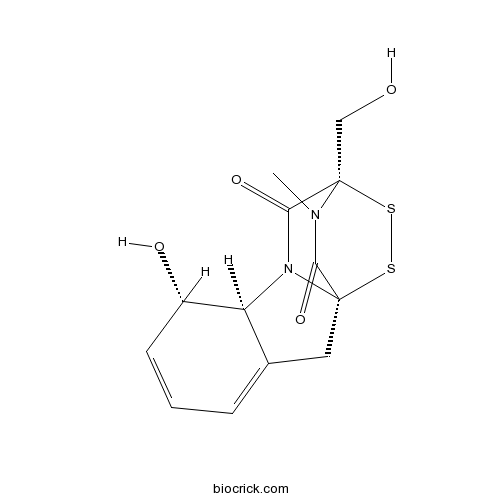
Gliotoxin
Gliotoxin is a secondary metabolite, the most abundant mycotoxin secreted by A. fumigatus, inhibits the phagocytosis of macrophages and the immune functions of other immune cells . Gliotoxin inhibits inducible NF-κB activity by preventing IκB degradation, which consequently induces host-cell apoptosis. Gliotoxin activates PKA and increases intracellular cAMP concentration; modulates actin cytoskeleton rearrangement to facilitate A. fumigatus internalization into lung epithelial cells.
-
BCN1841
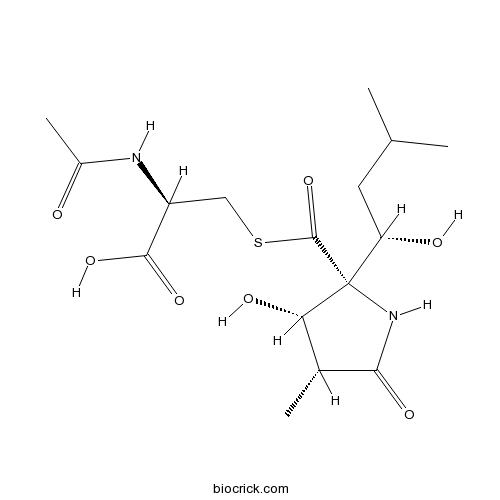
Lactacystin
Lactacystin, an antibiotic Streptomyces spp. metabolite, is a potent and selective proteasome inhibitor with an IC50 of 4.8 μM for 20S proteasome. Lactacystin also inhibits the lysosomal enzyme cathepsin A. Lactacystin inhibits cell growth and induces neurite outgrowth.
-
BCC1124
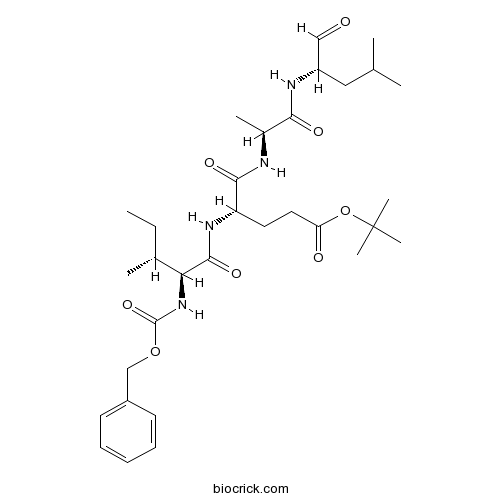
PSI
158442-41-2
-
BCC2381
BC 11 hydrobromide
Selective urokinase (uPA) inhibitor

-
BCC2382
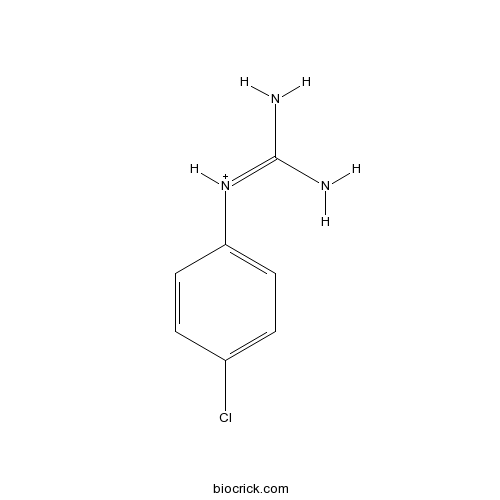
4-Chlorophenylguanidine hydrochloride
Urokinase inhibitor