Depression Research
Major depressive disorder, often referred to as major depression, is a heterogenous condition with complex and diverse neurobiological etiologies. Depression is characterized by a triad of symptoms: low or depressed mood, anhedonia and low energy or fatigue. Approximately 15% of the population in developed countries has been affected by depression in their lifetime and the chance of developing depression is twice as high in women. 40-50% of depressive causes are inheritable (genes as yet unidentified) and the remaining 50-60% of causes are caused by environmental stressors.
Depression Research Products Targets
- FGFR (5)
- Voltage-gated Calcium Channel (CaV) (38)
- Others (13)
- Glucocorticoid Receptor (9)
- Nucleoside Transporter (5)
- Glycine Transporter (6)
- GABA (10)
- Cannabinoid Transporter (10)
- Acetylcholine Transporter (1)
- D4 Receptor (12)
- 5-HT7 Receptor (11)
- 5-HT6 Receptor (14)
- 5-ht5 Receptor (2)
- 5-HT4 Receptor (17)
- NK2 Receptor (7)
- NK1 Receptor (15)
- Glutamate (Metabotropic) Group III Receptor (26)
- Glutamate (Metabotropic) Group II Receptor (33)
- Glutamate (Metabotropic) Group I Receptor (54)
- AMPA Receptor (45)
- D3 Receptor (12)
- NK3 Receptor (5)
- Vesicular Monoamine Transporter (4)
- NMDA Receptor (87)
- Kainate Receptor (22)
- D2 Receptor (14)
- D1 and D5 Receptor (16)
- Trk Receptor (13)
- Trace Amine 1 Receptor (2)
- Glutamate Transporter (18)
- Dopamine Transporter (20)
- CRF2 Receptor (3)
- CRF1 Receptor (5)
- Adrenergic Transporter (23)
- 5-HT Transporter (30)
- Vasopressin Receptor (6)
- Monoamine Oxidase (10)
- Adrenergic α2 Receptor (33)
- Adrenergic α1 Receptor (22)
- Adrenergic β3 Receptor (12)
- Adrenergic β2 Receptor (6)
- Adrenergic β1 Receptor (7)
Products for Depression Research - Page 33
- Cat.No. Product Name Information/Activity
-
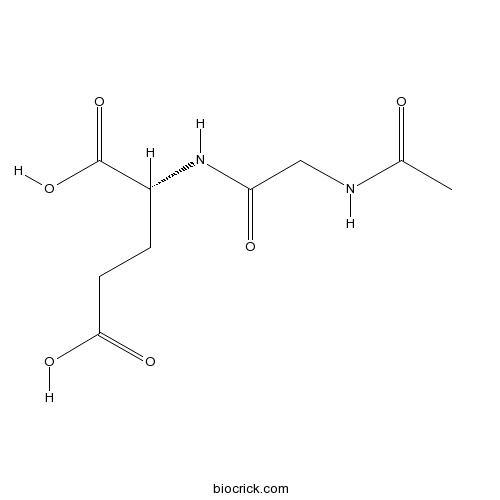
BCC6634
N-Acetylglycyl-D-glutamic acid
135701-69-8
-
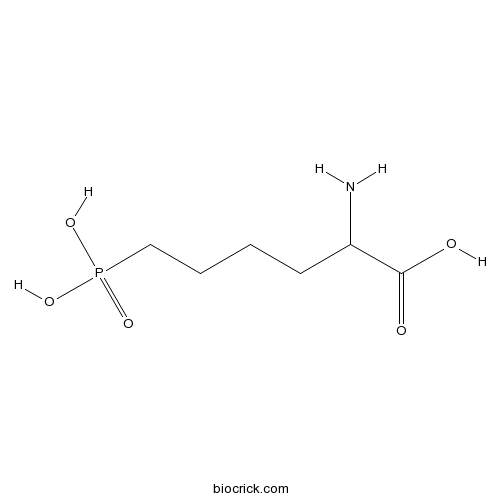
BCC6612
L-AP6
78944-89-5
-
BCC7400
L-BMAA hydrochloride
16012-55-8

-
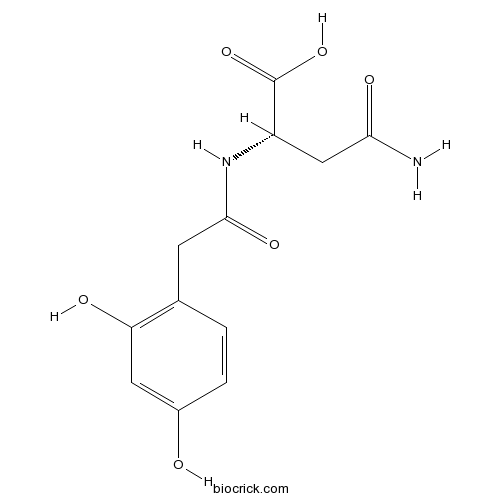
BCC6585
2,4-Dihydroxyphenylacetyl-L-asparagine
111872-98-1
-
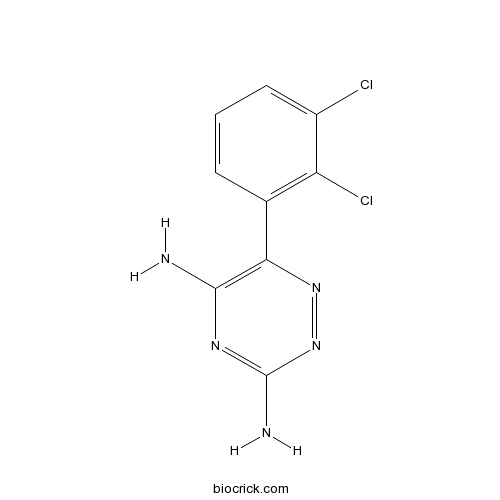
BCC5051
Lamotrigine
Lamotrigine(BW430C) is a novel anticonvulsant drug for inhibition of 5-HT and sodium channel Target: Sodium Channel Lamotrigine stabilises presynaptic neuronal membranes by blockade of voltage-dependent sodium channels, thus preventing the release of excitatory neurotransmitters, particularly glutamate and aspartate [1].
-
BCC7086
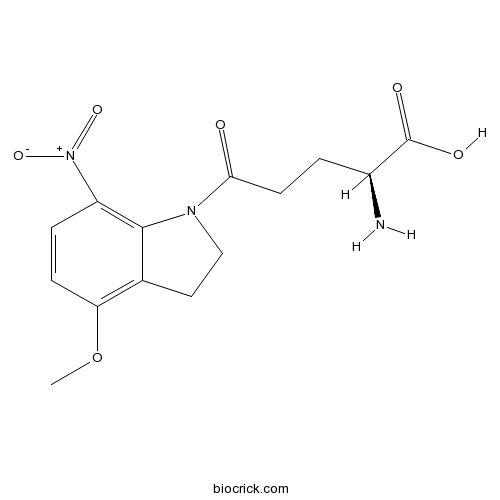
MNI-caged-L-glutamate
295325-62-1
-
BCC7453
Pentylenetetrazole
54-95-5

-
BCC6731
Salsolinol-1-carboxylic acid
57256-34-5

-
BCC6632
Spaglumic acid
Spaglumic Acid is a neuropeptide found in millimolar concentrations in brain.

-
BCN2571
L-Theanine
L-Theanine (L-Glutamic Acid γ-ethyl amide)is a non-protein amino acid contained in green tea leaves, which blocks the binding of L-glutamic acid to glutamate receptors in the brain, and with neuroprotective and anti-oxidative activities. L-Theanine causes anti-stress effects via the inhibition of cortical neuron excitation by oral intake.