Products for Unusual Amino Acids
-
BCC3275
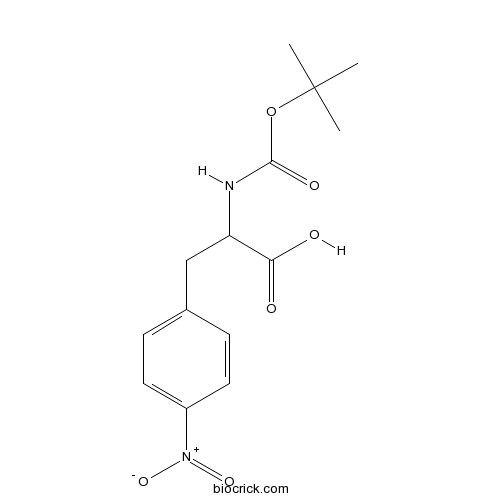
Boc-Phe(4-NO2)-OH
-
BCC3202
H-D-Abu-OH
D-Alanine is a weak GlyR (inhibitory glycine receptor) and PMBA agonist, with an EC50 of 9 mM for GlyR.

-
BCC3174
H-D-Phe(4-Cl)-OMe.HCl

-
BCC3200
Boc-Abu-OH.DCHA

-
BCN2692
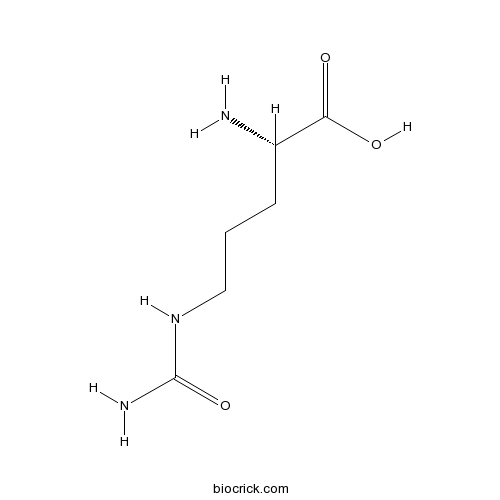
L-Citruline
L-Citrulline is an amino acid derived from ornithine in the catabolism of proline or glutamine and glutamate, or from l-arginine via arginine-citrulline pathway.
-
BCC3325
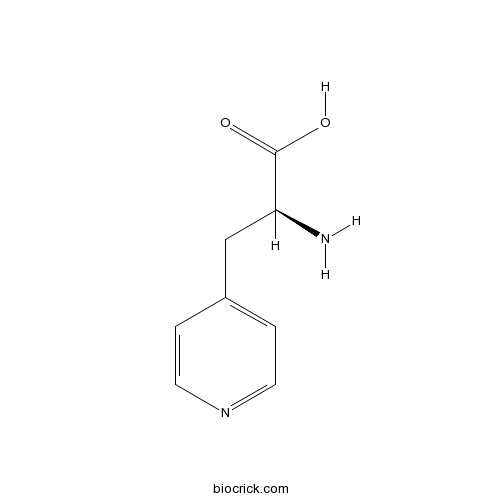
H-D-Ala(4-pyridyl)-OH.HCl
-
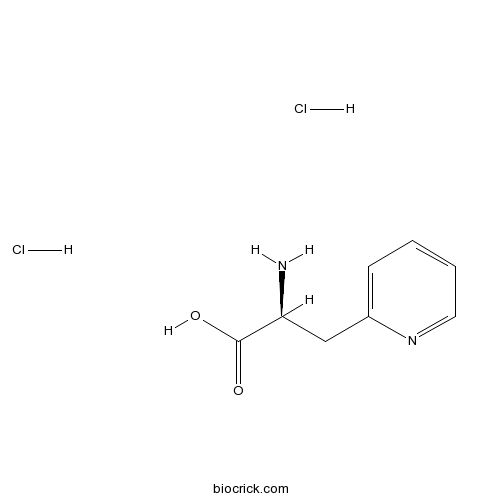
BCC3318
H- Ala(2-pyridyl)-OH.2HCl
-
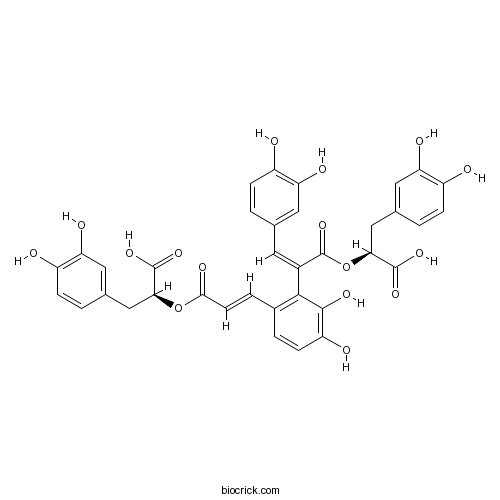
BCC3319
7'(Z)-(8''R,8'''R)-epi-salvianolic acid E
-
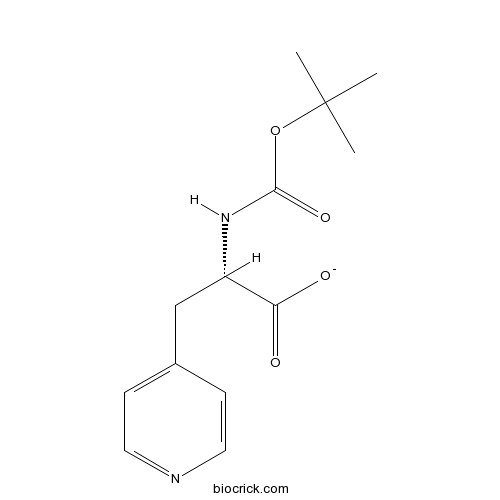
BCC3326
Boc-Ala(4-pyridyl)-OH
-
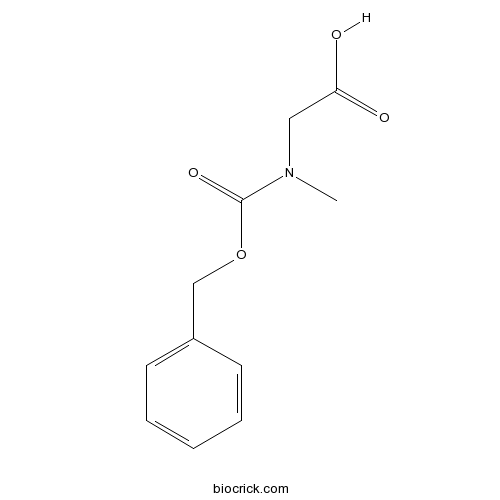
BCC3339
Z-Sar-OH
-
BCC3248
H-Hyp-OMe.HCl
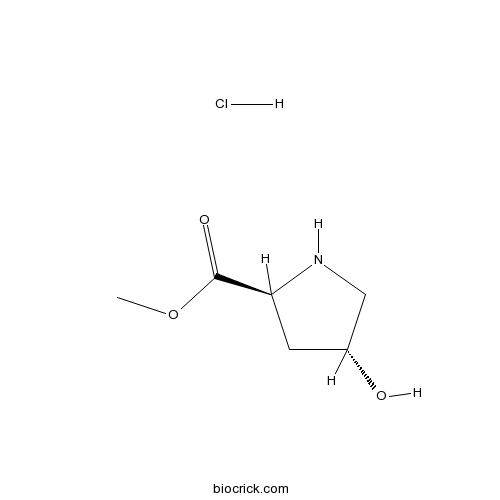
-
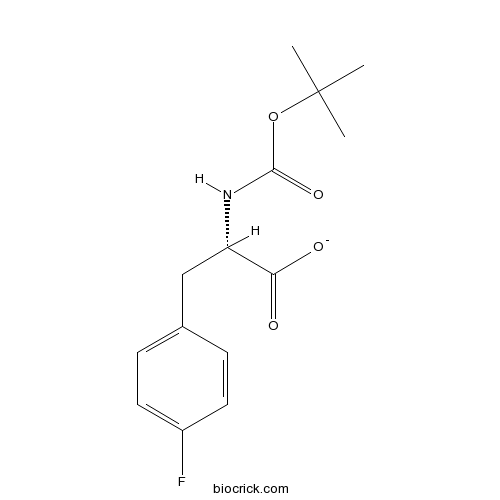
BCC3219
Boc-Phe(4-F)-OH
-
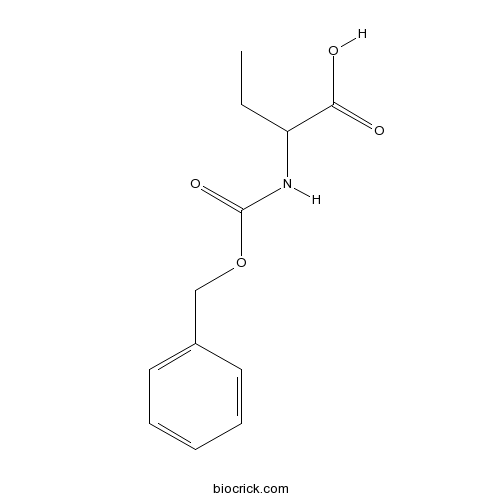
BCC3201
Z-Abu-OH
-
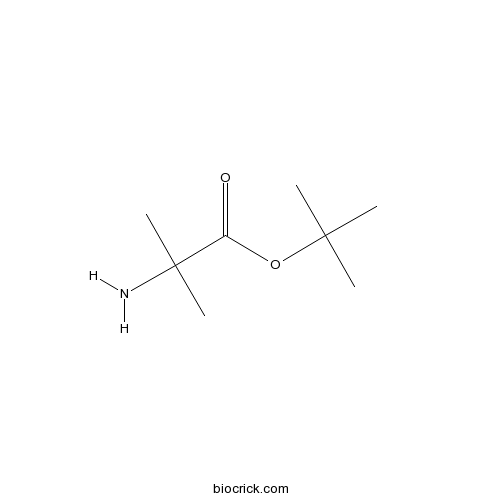
BCC3208
H-Aib-OtBu.HCl
-
BCC3271
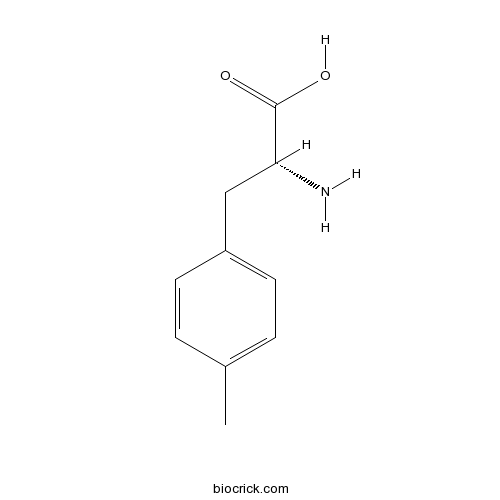
H-D-Phe(4-Me)-OH
-
BCC3272
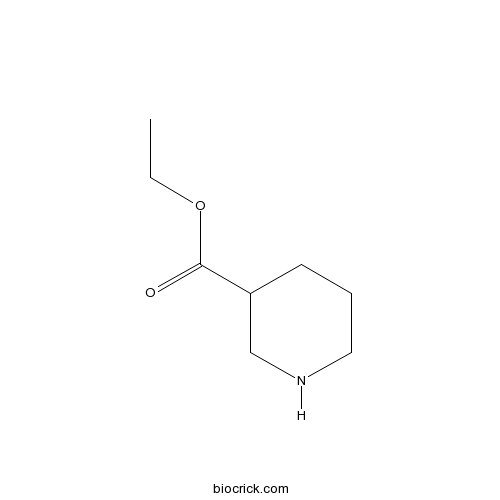
Ethyl Nipecotate
-
BCC3250
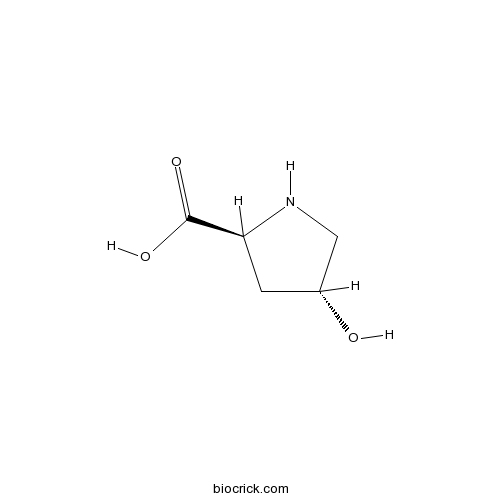
H-Hyp-OH
L-Hydroxyproline, one of the hydroxyproline (Hyp) isomers, is a useful chiral building block in the production of many pharmaceuticals.
-
BCC3307
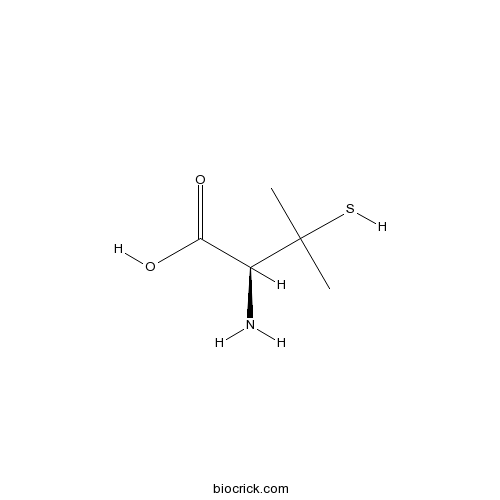
H-D-Pen-OH
Penicillamine (D-(-)-Penicillamine) is the most characteristic degradation product of the penicillin antibiotics.
-
BCC3334
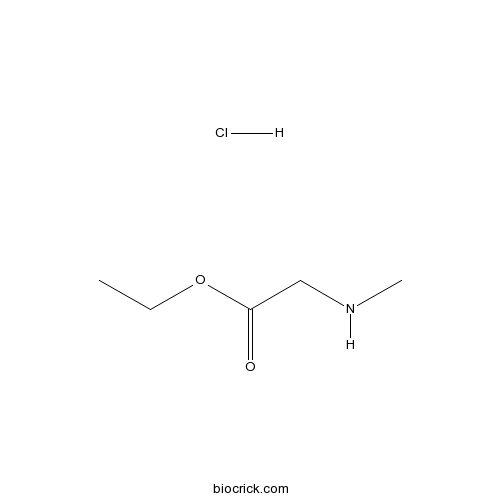
H-Sar-OEt.HCl
-
BCC3179
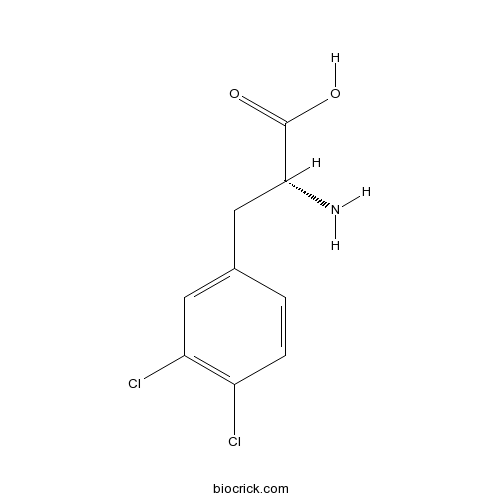
H-D-Phe(3,4-DiCl)-OH
-
BCC3178
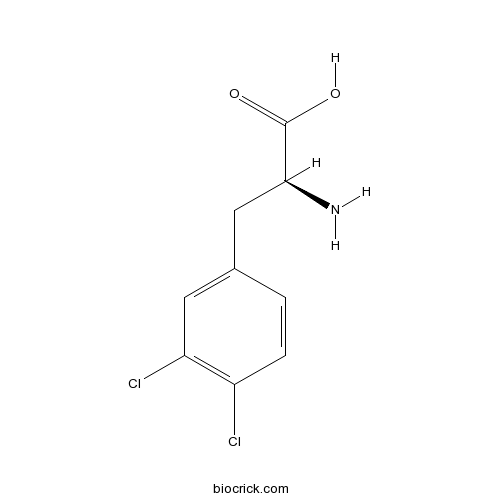
H-Phe(3,4-DiCl)-OH
-
BCC3329
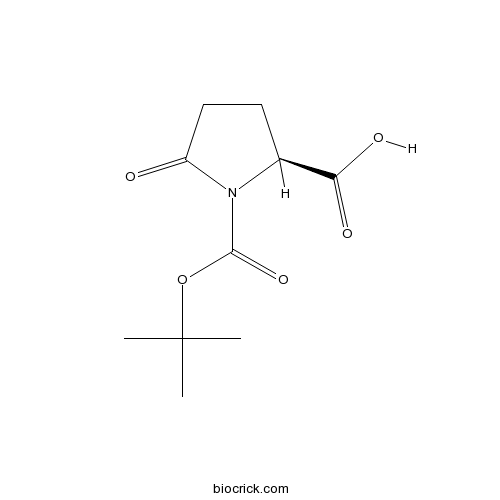
Boc-Pyr-OH
-
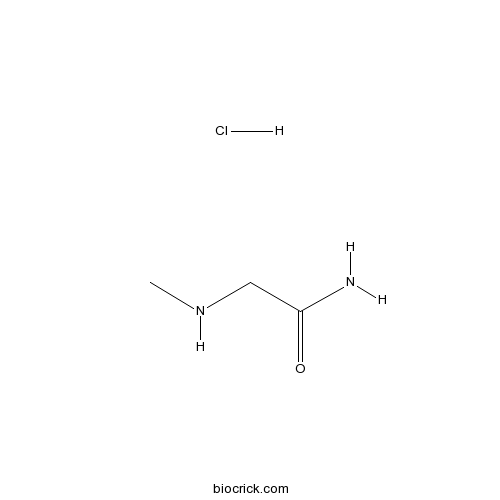
BCC3333
H-Sar-NH2.HCl
-
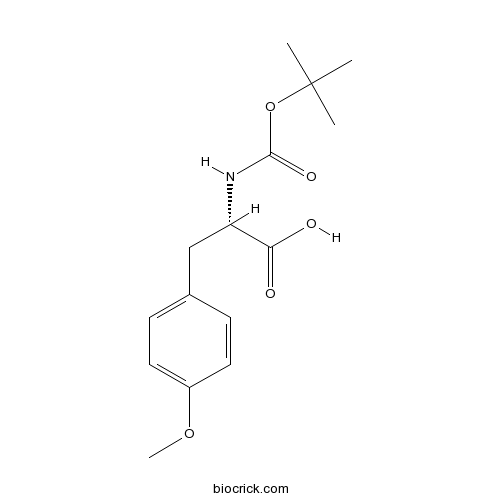
BCC3268
Boc-Tyr(Me)-OH
-
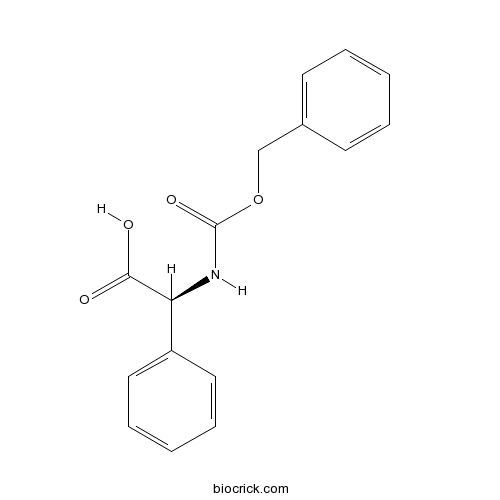
BCC2795
Z-Phg-OH
-
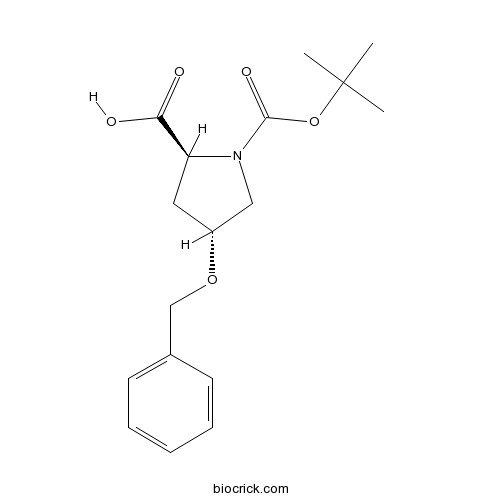
BCC3253
Boc-Hyp(Bzl)-OH.DCHA
-
BCC3283
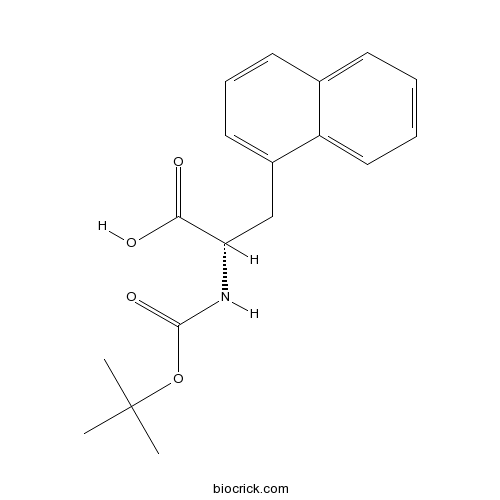
Boc- D-1-Nal-OH
-
BCC3282
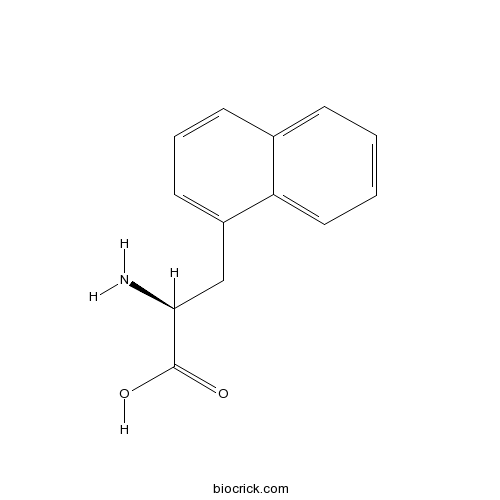
H-1-Nal-OH
-
BCC3153
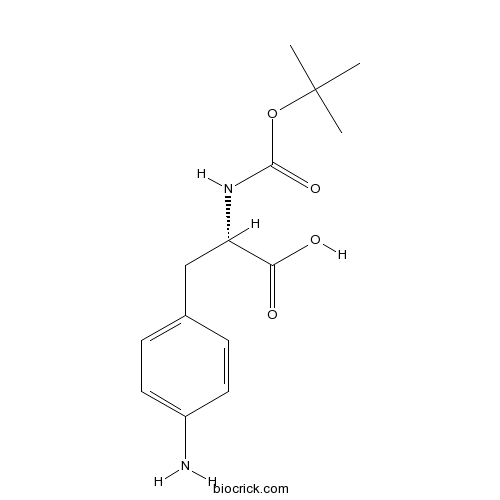
Boc-Phe(4-NH2)-OH
-
BCC3336
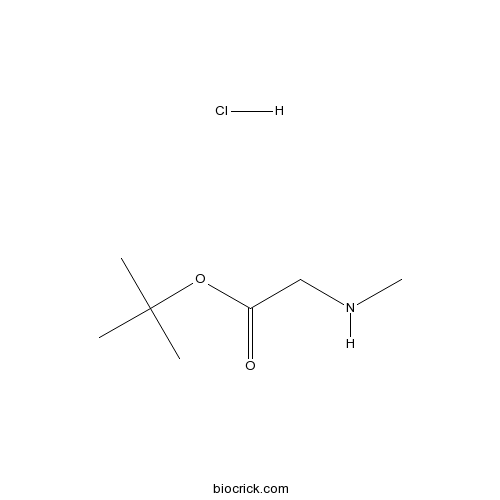
H-Sar-OtBu.HCl
-
BCC3274
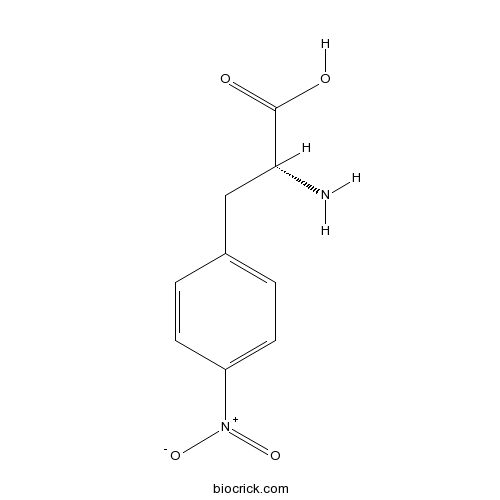
H-D-Phe(4-NO2)-OH
-
BCC3182
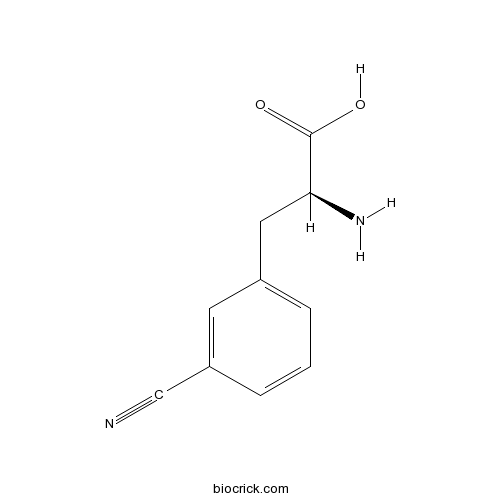
H-Phe(3-CN)-OH
-
BCC3176
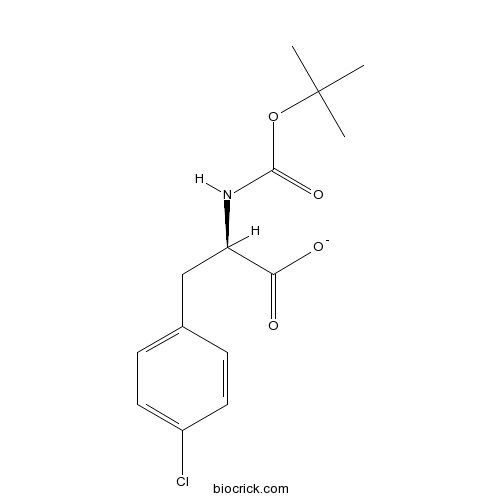
Boc-D-Phe(4-Cl)-OH
-
BCC3218
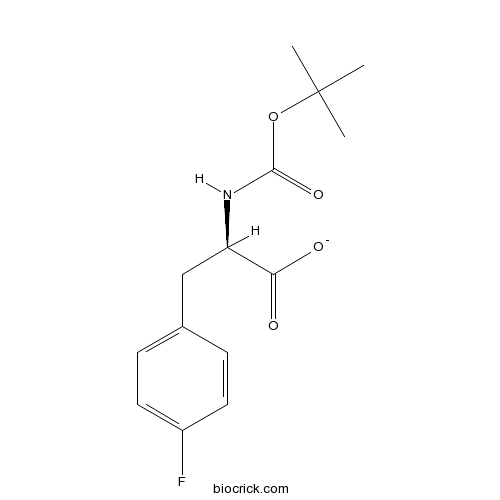
Boc-D-Phe(4-F)-OH
-
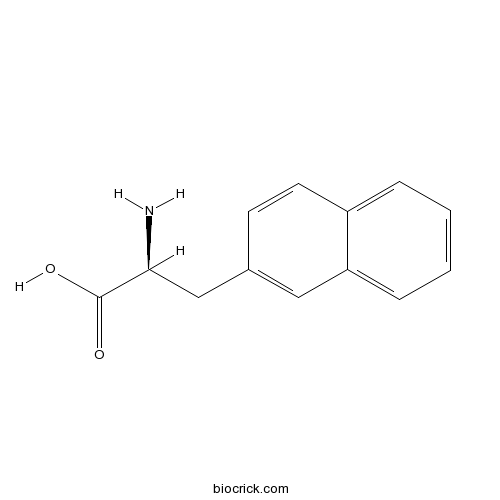
BCC3287
H-2-Nal-OH.HCl
-
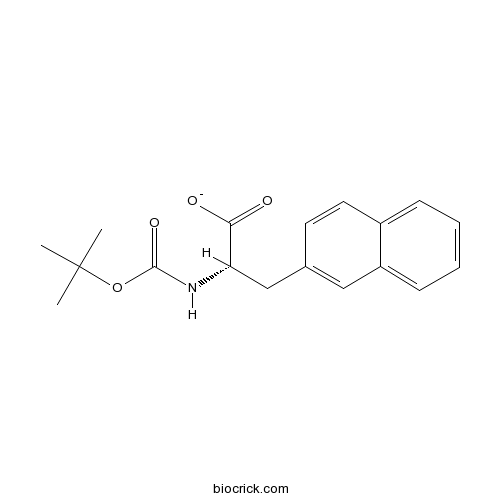
BCC3289
Boc-2-Nal-OH
-
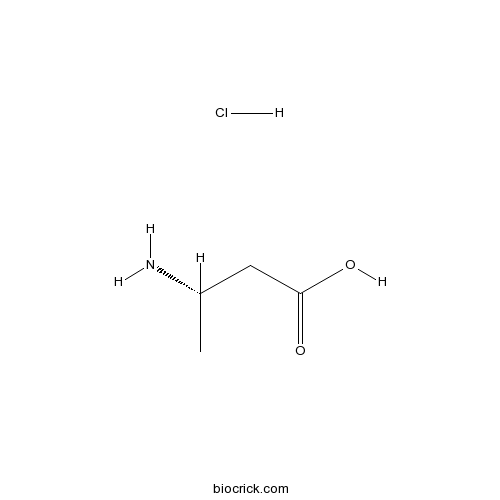
BCC3232
H- ß-HoGlu-OH.HCl
-
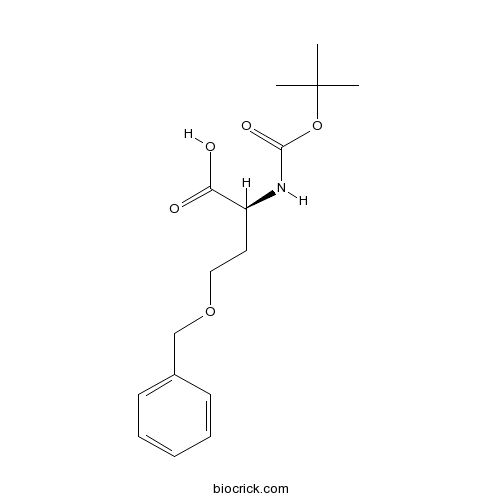
BCC3244
Boc-HoSer(Bzl)-OH
-
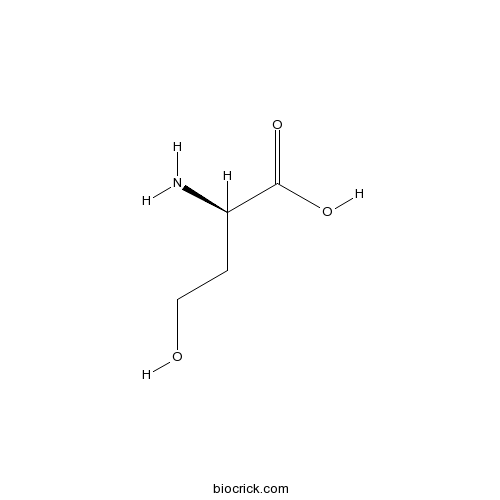
BCC3243
H-D-HoSer-OH
-
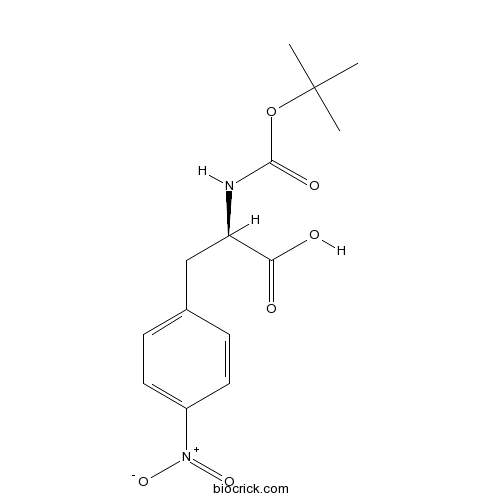
BCC3276
Boc-D-Phe(4-NO2)-OH
-
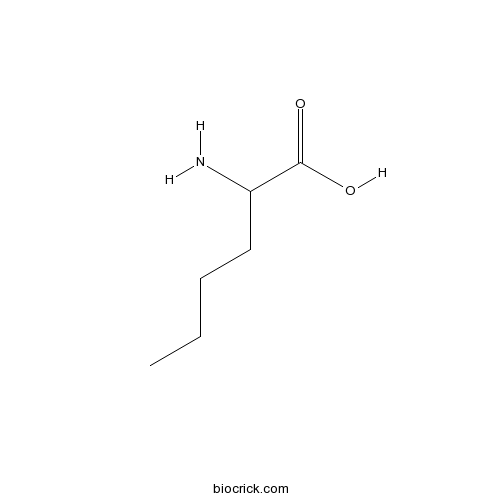
BCC3301
H-DL-Nle-OH
-
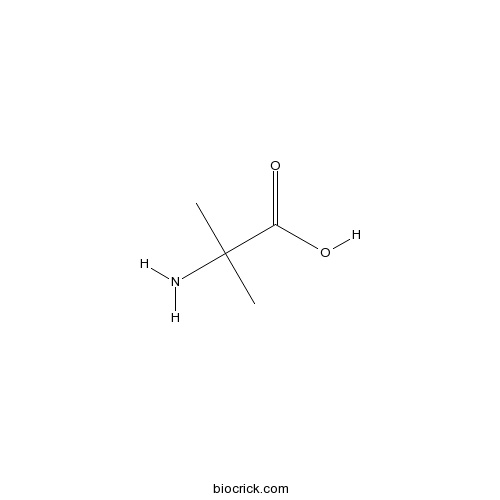
BCC3207
H-Aib-OH
NSC 16590 inhibits the production of endogenous ethylene in the cotyledonary segments of cocklebur.
-
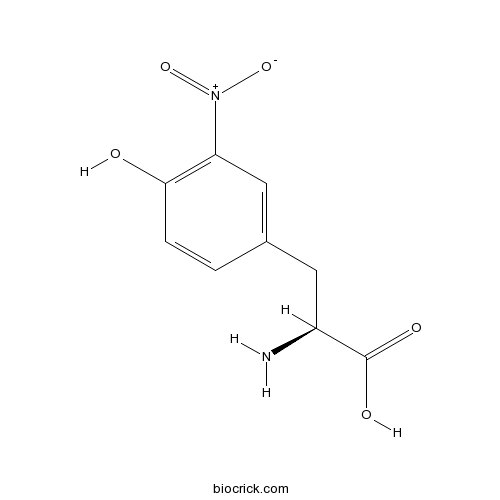
BCN2213
3-Nitro-L-tyrosine
3-Nitro-L-tyrosine is a biomarker of nitrogen free radical species modified proteins in systemic autoimmunogenic conditions.
-
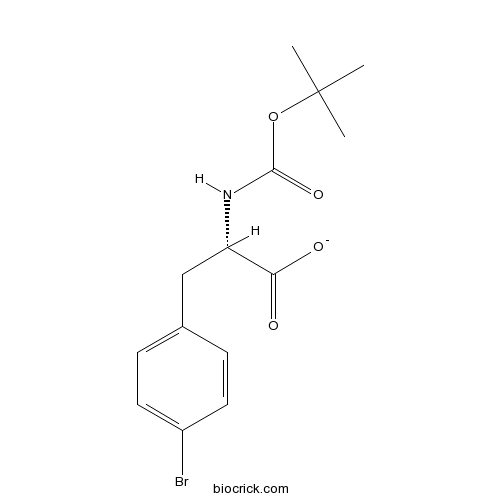
BCC3159
Boc-Phe(4-Br)-OH
-
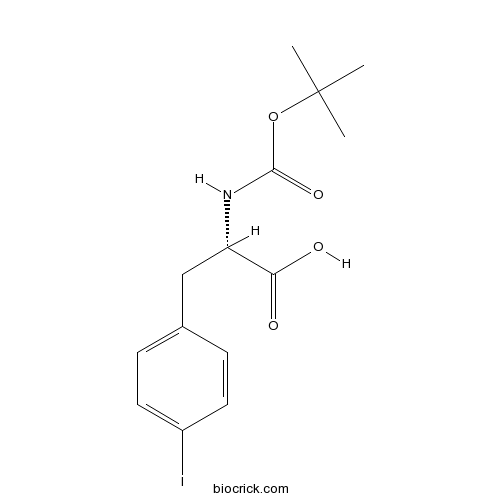
BCC3260
Boc-Phe(4-I)-OH
-
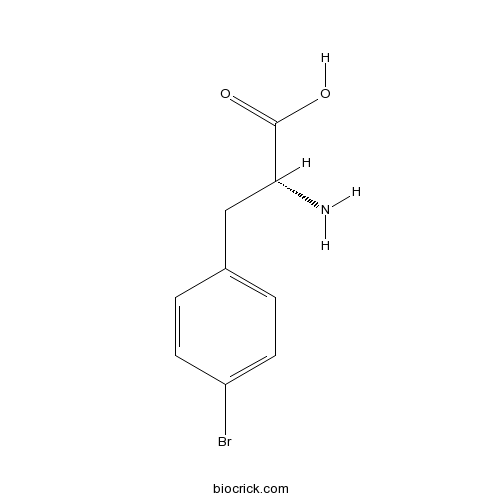
BCC3158
H-D-Phe(4-Br)-OH
-
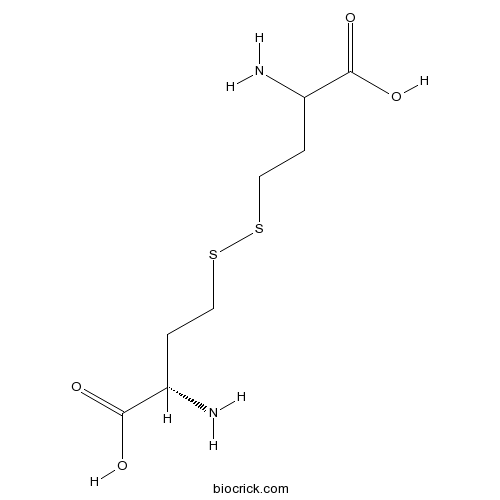
BCC3231
H-HoCys-OH
L-Homocystine is the oxidized member of the L-homocysteine. Homocysteine is a pro-thrombotic factor, vasodilation impairing agent, pro-inflammatory factor and endoplasmatic reticulum-stress inducer used to study cardiovascular disease mechanisms.
-
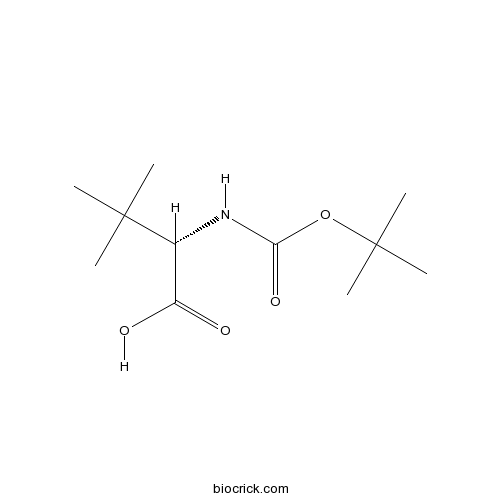
BCC3343
Boc-Tle-OH
-
BCC3296
Boc-Nle-OH

-
BCC3205
Boc-ε-Acp-OH

-
BCC3321
H-Ala(3-pyridyl)-OH.HCl

-
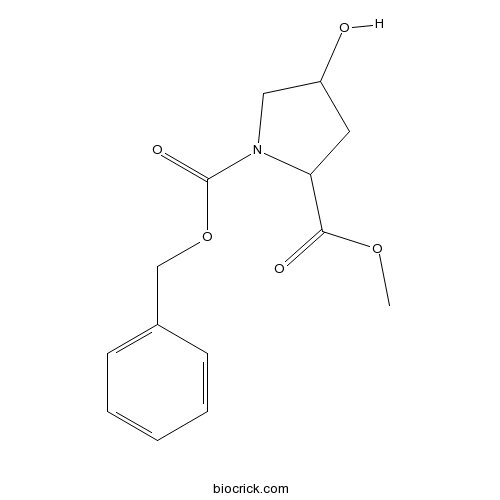
BCC3258
Z-Hyp-Ome
-
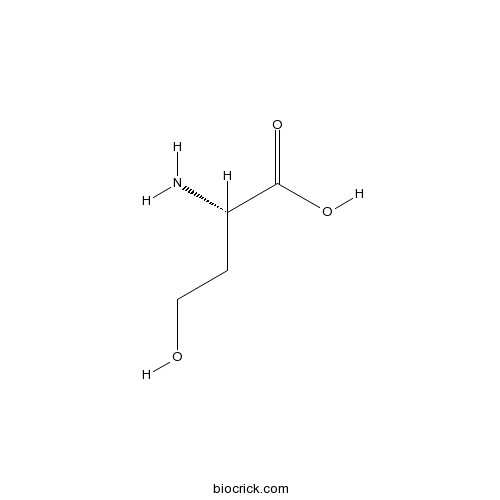
BCC3247
H-HoSer-OH
-
BCC3172
Boc-Phe(4-Cl)-OH

-
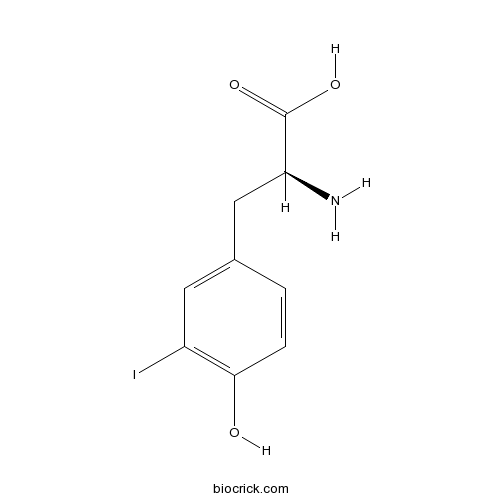
BCC3265
H-Tyr(3-I)-OH
H-Tyr(3-I)-OH is an effective tyrosine hydroxylase inhibitor.
-
BCC3323
H-D-Ala(3-pyridyl)-OH.HCl

-
BCC3320
Boc-Ala(2-pyridyl)-OH

-
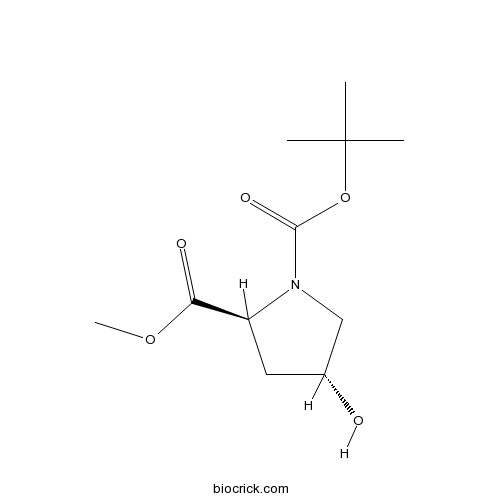
BCC3252
Boc-Hyp-Ome
-
BCC3303
H-DL-Nva-OH
DL-Norvaline, a derivative of L-norvaline, L-norvaline is a non-competitive inhibitor of arginase.

-
BCC3286
H-D-2-Nal-OH.HCl

-
BCC3288
Boc-D-2-Nal-OH

-
BCC3338
Fmoc-Sar-OH

-
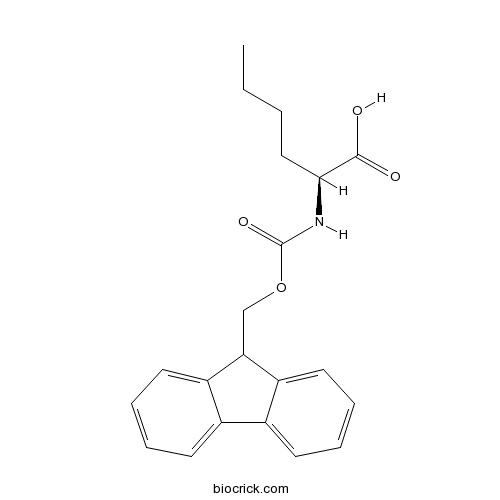
BCC3298
Fmoc-Nle-OH.
-
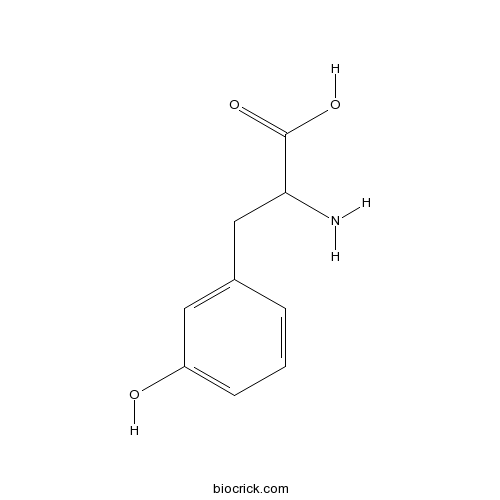
BCC3332
DL-m-Tyrosine
DL-m-Tyrosine shows effects on Arabidopsis root growth. Carbidopa combination with DL-m-tyrosine shows a potent hypotensive effect.
-
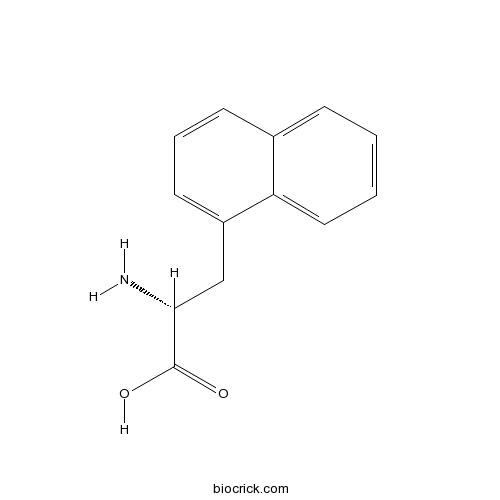
BCC3281
H-D-1-Nal-OH
-
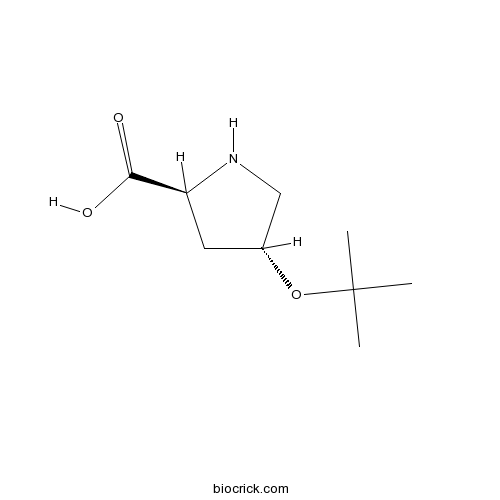
BCC3249
H-Hyp(tBu)-OH
-
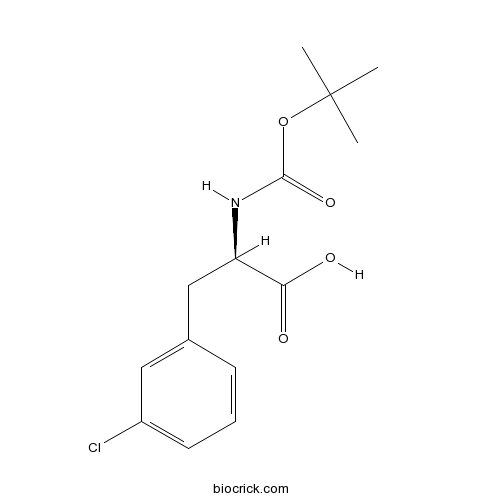
BCC3169
Boc-D-Phe(3-Cl)-OH
-
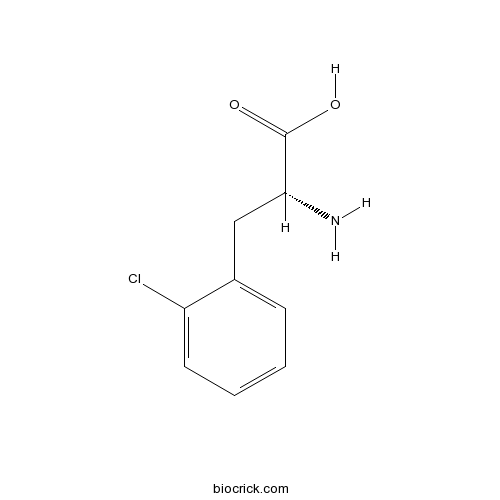
BCC3166
H-D-Phe(2-Cl)-OH
-
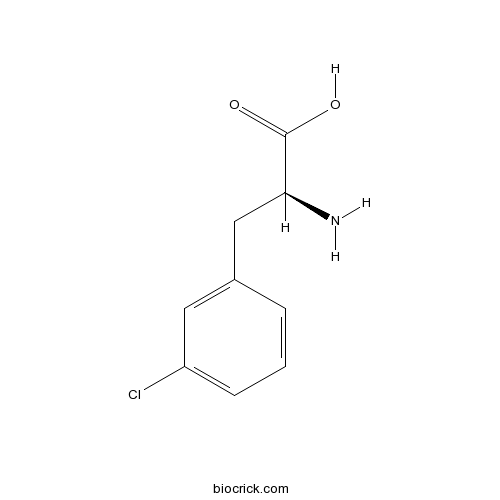
BCC3168
H-Phe(3-Cl)-OH
-
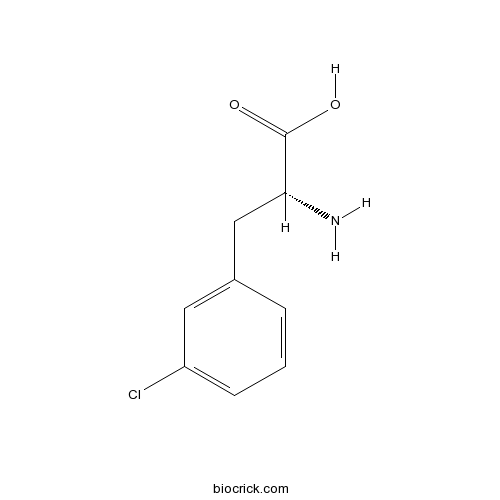
BCC3167
H-D-Phe(3-Cl)-OH
-
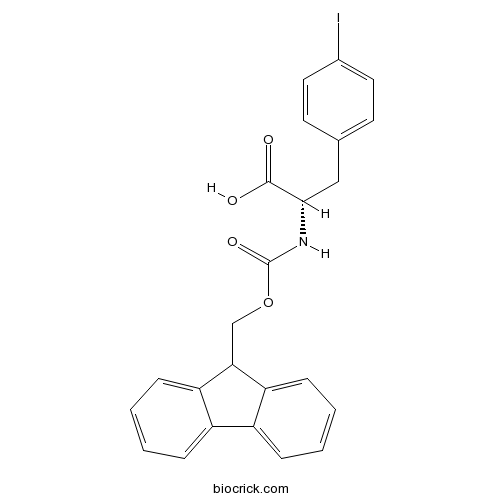
BCC3261
Fmoc-Phe(4-I)-OH
-
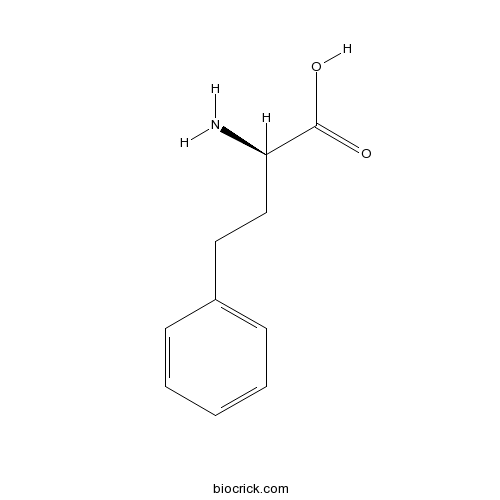
BCC3239
H-D-HoPhe-OH
-
BCC3210
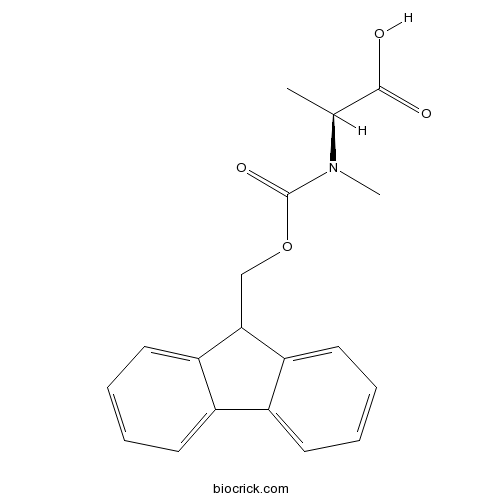
Fmoc-N-Me-Ala-OH
Fmoc-N-Me-Ala-OH, an N-Fmoc-N-methyl amino acid, is available for the peptide-coupling reaction.
-
BCC3313
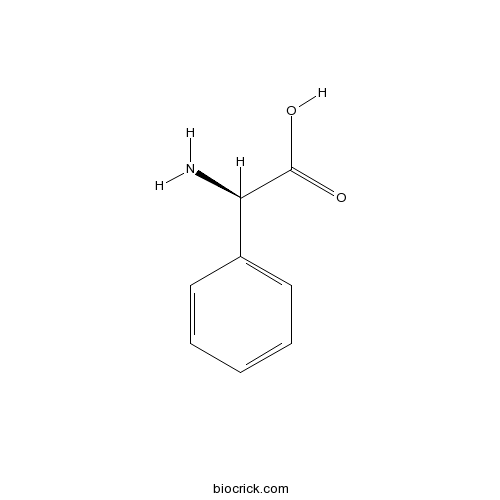
H-D-Phg-OH
-
BCC3254
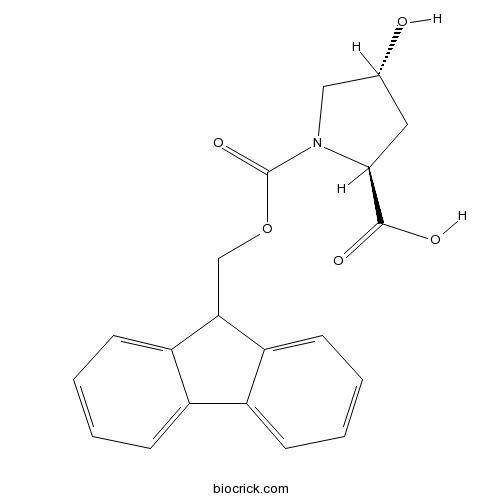
Fmoc-Hyp-OH
-
BCC3206
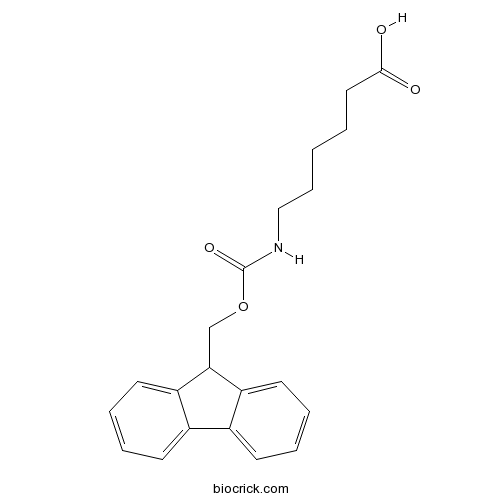
Fmoc-ε-Acp-OH
-
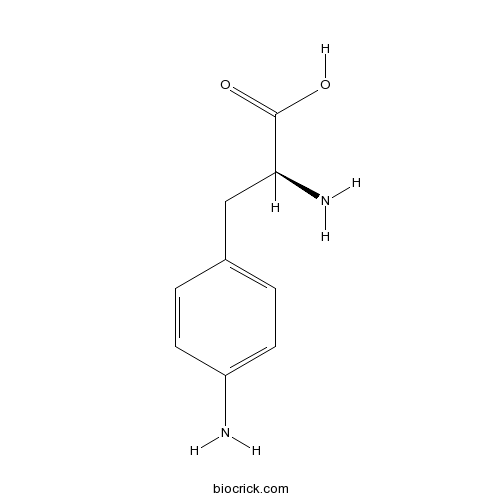
BCC3152
H-Phe(4-NH2)-OH
-
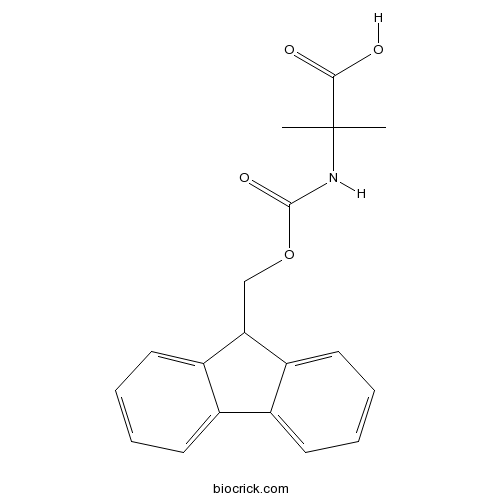
BCC3149
Fmoc-Aib-OH
-
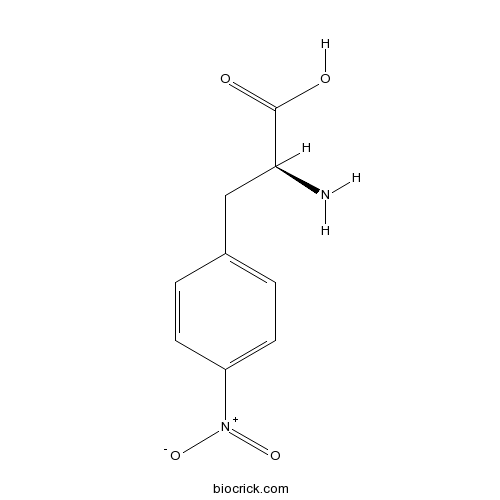
BCC3293
H-Phe(4-NO2)-OH
-
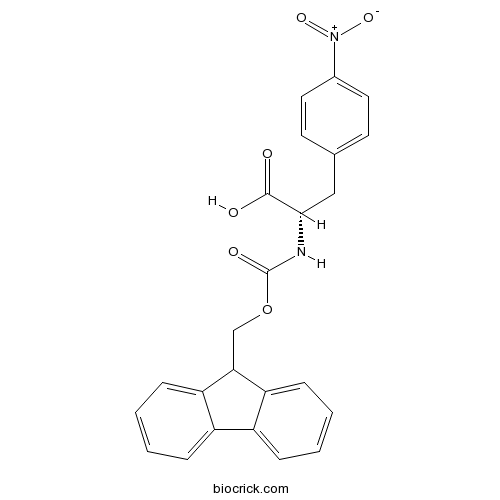
BCC3277
Fmoc-Phe(4-NO2)-OH
-
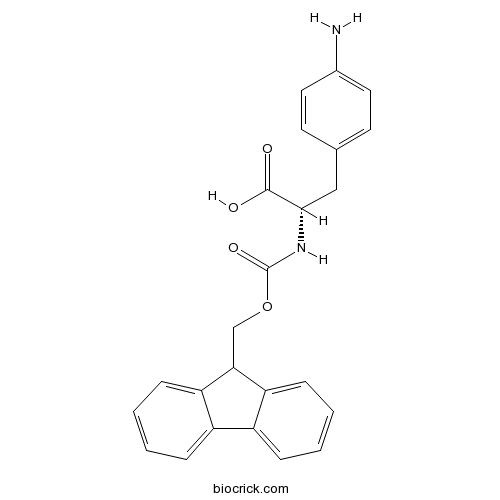
BCC3154
Fmoc-Phe(4-NH2)-OH
-
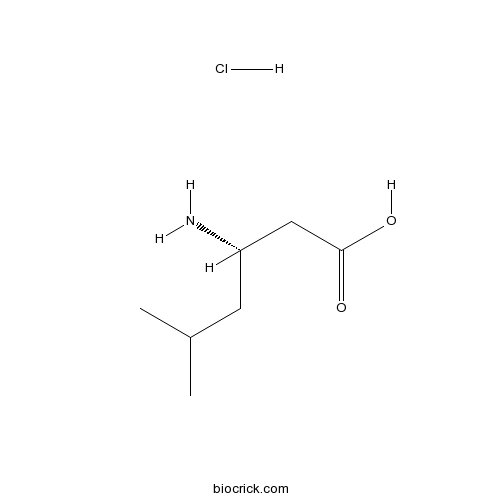
BCC3238
H-ß-HoLeu-OH.HCl
-
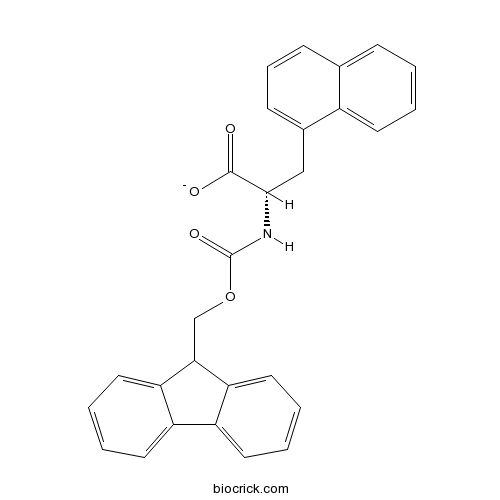
BCC3285
Fmoc-1-Nal-OH
-
BCC3328
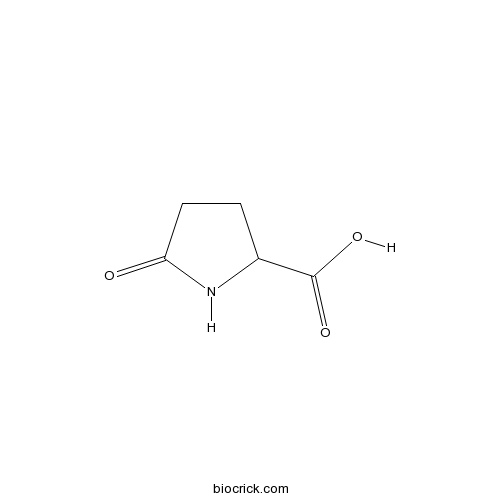
H-Pyr-OH
L-Pyroglutamic acid is the levo-isomer of Pyroglutamic acid. L-Pyroglutamic acid is the biologically active enantiomer in humans. Pyroglutamic acid is an intermediate in glutathione metabolism.