
2-Ethylhexanoic acidCAS# 149-57-5 |
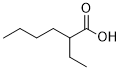
| Cas No. | 149-57-5 | SDF | File under preparation. |
| PubChem ID | N/A | Appearance | Liquid |
| Formula | C8H16O2 | M.Wt | 144.2 |
| Type of Compound | N/A | Storage | Desiccate at -20°C |
| Solubility | Soluble in Chloroform,Dichloromethane,Ethyl Acetate,DMSO,Acetone,etc. | ||
| General tips | For obtaining a higher solubility , please warm the tube at 37 ℃ and shake it in the ultrasonic bath for a while.Stock solution can be stored below -20℃ for several months. We recommend that you prepare and use the solution on the same day. However, if the test schedule requires, the stock solutions can be prepared in advance, and the stock solution must be sealed and stored below -20℃. In general, the stock solution can be kept for several months. Before use, we recommend that you leave the vial at room temperature for at least an hour before opening it. |
||
| About Packaging | 1. The packaging of the product may be reversed during transportation, cause the high purity compounds to adhere to the neck or cap of the vial.Take the vail out of its packaging and shake gently until the compounds fall to the bottom of the vial. 2. For liquid products, please centrifuge at 500xg to gather the liquid to the bottom of the vial. 3. Try to avoid loss or contamination during the experiment. |
||
| Shipping Condition | Packaging according to customer requirements(5mg, 10mg, 20mg and more). Ship via FedEx, DHL, UPS, EMS or other couriers with RT, or blue ice upon request. | ||
Quality Control & MSDS
Package In Stock

Number of papers citing our products


2-Ethylhexanoic acid Dilution Calculator
2-Ethylhexanoic acid Molarity Calculator
| 1 mg | 5 mg | 10 mg | 20 mg | 25 mg | |
| 1 mM | 6.9348 mL | 34.6741 mL | 69.3481 mL | 138.6963 mL | 173.3703 mL |
| 5 mM | 1.387 mL | 6.9348 mL | 13.8696 mL | 27.7393 mL | 34.6741 mL |
| 10 mM | 0.6935 mL | 3.4674 mL | 6.9348 mL | 13.8696 mL | 17.337 mL |
| 50 mM | 0.1387 mL | 0.6935 mL | 1.387 mL | 2.7739 mL | 3.4674 mL |
| 100 mM | 0.0693 mL | 0.3467 mL | 0.6935 mL | 1.387 mL | 1.7337 mL |
| * Note: If you are in the process of experiment, it's necessary to make the dilution ratios of the samples. The dilution data above is only for reference. Normally, it's can get a better solubility within lower of Concentrations. | |||||
- 2-Ethylbutyric acid
Catalog No.:BCX2469
CAS No.:1988-09-5
- 5-(4-Hydroxyphenyl)pentanoic acid
Catalog No.:BCX2468
CAS No.:4654-08-4
- Azadirachtin B
Catalog No.:BCX2467
CAS No.:106500-25-8
- Pyruvic acid
Catalog No.:BCX2466
CAS No.:127-17-3
- Isofouquierol
Catalog No.:BCX2465
CAS No.:53822-99-4
- Arecoline
Catalog No.:BCX2464
CAS No.:63-75-2
- (22R)-Hydroxycholesterol
Catalog No.:BCX2463
CAS No.:17954-98-2
- (±)-Tropic acid
Catalog No.:BCX2462
CAS No.:552-63-6
- 8-Methoxynaringenin
Catalog No.:BCX2461
CAS No.:94884-92-1
- Escin IVc
Catalog No.:BCX2460
CAS No.:249921-71-9
- Galangin 5-methyl ether
Catalog No.:BCX2459
CAS No.:104594-69-6
- Maltol glucoside
Catalog No.:BCX2458
CAS No.:20847-13-6
- Propionic acid
Catalog No.:BCX2471
CAS No.:1979-09-4
- 11-Deoxymogrol
Catalog No.:BCX2472
CAS No.:2654048-89-0
- 2-Hydroxy-2-(2-methylpropyl)butanedioic acid
Catalog No.:BCX2473
CAS No.:60924-65-4
- Rhodojaponin VI
Catalog No.:BCX2474
CAS No.:37720-87-9
- Phytolaccagenic acid 28-O-β-D-glucopyranosyl ester
Catalog No.:BCX2475
CAS No.:288303-32-2
- Moracenin D
Catalog No.:BCX2476
CAS No.:78277-79-9
- Albafuran C
Catalog No.:BCX2477
CAS No.:84323-16-0
- Kuwanon X
Catalog No.:BCX2478
CAS No.:96819-92-0
- Vitisin C
Catalog No.:BCX2479
CAS No.:180580-73-8
- Viniferol E
Catalog No.:BCX2480
CAS No.:870555-67-2
- cis-Upunaphenol K
Catalog No.:BCX2481
CAS No.:879897-47-9
- Ampelopsin BF
Catalog No.:BCX2482
CAS No.:482304-83-6
The toxicity of neodymium substances to soil invertebrates in a boreal soil, and the impacts of soil type, aging, and leaching on metal bioavailability and toxicity.[Pubmed:42364077]
Environ Toxicol Chem. 2026 Oct 1;45(10):2897-2911.
A clear gap in ecotoxicological data was identified regarding the impacts of the technologically critical lanthanide neodymium (Nd) on soil invertebrates in boreal soil. To address this gap, two inorganic metal salts (NdCl3 and Nd2(SO4)3), an organometallic compound Nd-2-ethylhexanoate (Nd-2-EHA) and its organic component 2-Ethylhexanoic acid (2-EHA) were examined. Toxicity exposures were conducted using the earthworm Dendrodrilus rubidus, the collembolan Proisotoma minuta, and the oribatid mite Oppia nitens, in two Canadian boreal soil horizons (i.e., organic and mineral), using standardized soil toxicity test methods; effects included survival and reproduction. Different exposure scenarios were investigated, including aging of test soil for 6 months, and the impact of leaching on toxicity test endpoints. Differences in species sensitivity were observed, with D. rubidus identified as the most sensitive test species. The study highlighted the importance of reporting chemical parameters within toxicity tests, such as electrical conductivity and pH, to better understand test system influences and factors affecting toxicity. Toxicity estimates from leached and aged NdCl3 exposures provided the least confounded assessment of Nd toxicity (reproductive median inhibitory concentration [IC50] for D. rubidus: 890 [767-950] mg Nd kg-1 dry soil), as leaching reduced salt-related effects. Incorporating measures of extractable Nd proved valuable for comparing toxicity across the substances. Despite the lowest measured extractable and total Nd, the organometallic, Nd-2-EHA, was the most toxic compound tested (reproductive IC50 for D. rubidus: 17 [10-30] mg Nd kg-1 dry soil), largely influenced by the organic component (2-EHA) when tested at equivalent concentrations. Exposure to 2-EHA and Nd-2-EHA demonstrated a significant decrease in toxicity with aging. These findings aligned with existing frameworks such that a metal-moiety approach may be insufficient for organometallics, wherein inorganic and organic influences must be considered.
Pd/TiO(2) and Surface Hydrogen: A Dual Driver for n-Butyraldehyde Aldol Condensation and Selective Hydrogenation of the Condensation Product.[Pubmed:42227664]
Langmuir. 2026 Jun 16;42(23):17032-17045.
The integrated aldol condensation of butyraldehyde and selective hydrogenation of its product on Pd/TiO(2) in situ is a novel approach for synthesizing 2-Ethylhexanoic acid. Understanding the catalytic reaction mechanism is essential for enhancing the performance of Pd/TiO(2), and Density Functional Theory (DFT) was utilized to explore the fundamental principles. The main aldol condensation pathway involved alpha-H dissociation, C-C coupling, beta-O hydrogenation, and stepwise dehydration, with beta-O hydrogenation as the rate-determining step (0.90 eV). The rate-determining steps for aldol condensation side reactions were the dissociation of formyl-H and beta-H, with barriers of 3.50 and 1.41 eV, respectively. The rate-determining barrier for C=C hydrogenation on Pd sites was 1.25 eV, lower than that for C=O hydrogenation (1.44 eV), indicating that C=C hydrogenation is kinetically more favorable and selective. The broadening of the projected density of states (PDOS) near the Fermi level for C=C confirmed strong pi-d hybridization, facilitating Pd electron injection into the C=C pi* orbital and promoting hydrogenation. In contrast, the narrowed PDOS of C=O indicated weak interaction with Pd, inhibiting electron injection and suppressing its hydrogenation. Moreover, comparing rate-determining steps revealed that elevating surface hydrogen concentration facilitated the main reactions (beta-O and beta-C hydrogenation) and inhibited side reactions (formyl-H and beta-H dissociation). Therefore, Pd/TiO(2) and surface hydrogen constituted a dual driver that catalyzed the aforementioned process. This work provides a critical theoretical foundation for designing high-performance Pd/TiO(2) catalysts and optimizing process conditions.
Mechanistic Revelations: Surface Hydrogen-Mediated Selectivity Control in Aldol Condensation on TiO(2)(101).[Pubmed:42003105]
J Phys Chem A. 2026 Apr 30;130(17):3348-3360.
The aldol condensation of butyraldehyde to 2-ethyl-2-hexenal is a critical step in synthesizing 2-ethylhexanol and 2-Ethylhexanoic acid. Although TiO(2) is a promising replacement for traditional base catalysts, the reaction mechanisms of the main and side pathways and the selectivity factors remain elusive. To address this, the Density Functional Theory (DFT) was utilized to elucidate the reaction network and microscopic mechanisms of the aldol condensation on the anatase TiO(2)(101) surface. The initial activation of butyraldehyde is dominated by the alpha-H dissociation pathway with a barrier of 0.45 eV rather than the direct enolization pathway that has a higher barrier of 2.69 eV. Following this step, the optimal pathway proceeds sequentially through C-C coupling, beta-O hydrogenation, and dehydration. Among these, beta-O hydrogenation is the rate-determining step, with an energy barrier of 1.00 eV. The dehydration step follows a stepwise pathway involving initial hydrogen elimination followed by OH removal with a barrier of 0.59 eV, lower than the 1.01 eV barrier of the concerted elimination pathway. A common feature in the side reactions is that the formations of both butyl butyrate and 4-heptanone are governed by hydrogen dissociation, with rate-determining barriers of 2.70 eV for the aldehyde-H dissociation in butyl butyrate formation and 1.04 eV for the beta-H dissociation in 4-heptanone formation. Overall, the main reaction is limited by beta-O hydrogenation, whereas the side reactions are controlled by H-dissociation. This mechanistic understanding suggests that tuning the surface hydrogen concentration is key to enhancing selectivity, providing a theoretical basis for developing advanced TiO(2) catalytic processes.
Evaluation of inhalation and dermal exposure to VOCs and SVOCs from commercial nebulizers in the pediatric population.[Pubmed:41795640]
Inhal Toxicol. 2026 Mar;38(3):143-155.
OBJECTIVE: Nebulizers are medical devices that convert liquid solutions, such as saline or medication, into aerosols for direct airway delivery. Their effectiveness relies on interfaces, typically made from polymeric materials containing additives to enhance functionality and durability. This study aimed to characterize emissions of volatile organic compounds (VOCs) and semi-volatile organic compounds (SVOCs) from different components of five nebulizers, considering two exposure routes: inhalation and dermal contact. MATERIALS AND METHODS: Five nebulizers were assessed by analyzing emissions from individual components and from complete system configurations. VOC and SVOC emissions were quantified and short-term exposure (20 minutes) was assessed for infants and children. Estimated exposure levels were compared with toxicological reference values, including inhalation Derived No-Effect Levels (DNELs), to evaluate potential health risks via inhalation and dermal contact. RESULTS: All tested components emitted VOCs, with the highest concentrations detected in masks and whole-system configurations. Some identified compounds, including toluene, styrene, siloxane D4, and 2-Ethylhexanoic acid, are suspected or recognized reproductive toxicants. Although measured levels were very low, inhalation represents a potential exposure route warranting a precautionary approach. Phenol, a suspected mutagen, reached concentrations up to 65.9 mug/m(3), corresponding to 11.7% of the inhalation DNEL for a 20-minute exposure in infants and children. Dermal exposure levels were very low compared with toxicological reference values. Nevertheless, compounds such as benzyl alcohol and 2-ethylhexyl acrylate, both recognized as EU-classified skin sensitizers, were detected. Cyclic siloxanes D5, D6, and D7 were also detected, with D6 showing the highest dermal intake. As these siloxanes are classified as Persistent, Bioaccumulative and Toxic (PBT) in the EU, long-term effects from bioaccumulation and environmental persistence should be considered. DISCUSSION AND CONCLUSIONS: Although measured VOC and SVOC concentrations were low and below established toxicological thresholds, these findings underscore the need for preventive measures, particularly for sensitive populations such as infants and children. Inhalation appears to be the most relevant exposure pathway during use, while dermal exposure, though minimal, may contribute to sensitization risks. The presence of PBT-classified siloxanes further emphasizes the need to consider long-term human health and environmental implications. Overall, these findings support the implementation of preventive strategies and continued monitoring of material emissions in medical devices intended for vulnerable users.
Adding Yttrium to SO(4) (2-)/ZrO(2) Catalysts To Improve the Synthesis Performance of Esters for Electrical Insulating Oils.[Pubmed:41210730]
ACS Omega. 2025 Oct 22;10(43):51158-51169.
Synthetic ester insulating oils exhibit excellent electrical insulating properties, biodegradability, and oxidative stability, rendering them attractive alternatives to conventional mineral- and vegetable-based insulating oils. Typically, synthetic ester insulating oils are prepared via esterification reactions between fatty acids and alcohols using various catalysts. In particular, the solid acid catalyst SO(4) (2-)/ZrO(2) is commonly used in this process. In this study, a small amount of yttrium was substituted into a ZrO(2)-catalyst support to form oxygen vacancy structures in the framework. This modification was intended to alter the interactions with SO(4) (2-) ions and improve both the distribution of acid sites and catalytic activity for esterification. Using the sol-gel method, the synthesized catalyst was calcined at 600 degrees C for 3 h to promote crystallization. The structural and surface properties of the catalyst, as well as its chemical states, thermal stability, electronic structure, and acidity, were investigated using various advanced characterization techniques, including XRD, XPS, and NH(3)-TPD. The catalytic performance was evaluated through the esterification of fatty acids (decanoic acid (capric acid) and 2-Ethylhexanoic acid) and alcohol at 220 degrees C. Among the fabricated catalysts, the SO(4) (2-)/ZrO(2(0.98))-Y(2)O(3(0.02)) catalyst demonstrated the highest conversion of 95.5%. Thus, our developed catalyst could contribute to improving the efficiency of synthetic ester production processes for insulating oil applications.
Synthesis of Thermoplastic Materials Using Cellulose Acetate as a Backbone via Melt Kneading Extrusion.[Pubmed:41141798]
ACS Omega. 2025 Oct 10;10(41):48308-48316.
To develop a highly biomass-based thermoplastic resin using cellulose acetate (CA) derived from woody biomass as the base material, cellulose acetate-graft-polylactic acid (CA-g-PLA) composites were successfully synthesized by a transesterification reaction through the melt kneading method using 2-Ethylhexanoic acid tin-(II) as a catalyst. Various characterization methods, such as Fourier-transform infrared spectroscopy (FTIR), proton nuclear magnetic resonance ((1)H NMR), differential scanning calorimetry (DSC), X-ray diffraction (XRD), and thermogravimetric analysis (TGA), were used to investigate the structure and properties of the as-prepared product. The results showed that the product was a grafted copolymer of CA and PLA, and PLA side chains were detected in the copolymer. From DSC analyses, the composite showed amorphous and its glass transition temperature (T (g)) was around 120 degrees C. The injection molding temperature was 255-260 degrees C for CA, while that for the CA-g-PLA composites was 185-205 degrees C. Tensile tests demonstrated that the composites achieved a maximum tensile strength of 95.5 MPa and a maximum Young's modulus of 1.6 GPa, corresponding to 225 and 133% improvements, respectively, compared to neat PLA.
Near-Unity Quantum Yield Conductive Inks of Lead-Free Double Perovskite Quantum Dots for White LEDs.[Pubmed:41001969]
Adv Mater. 2026 Jan;38(2):e10643.
Double perovskite quantum dots (QDs) with self-trapped exciton emission provide an eco-friendly route to broadband white-light generation. Yet severe charge losses arising from trap-mediated recombination and inefficient carrier transport remain major obstacles to their integration into electroluminescent devices. Here, Sb(3+)/Mn(2+) co-doped Cs(2)NaInCl(6) QD inks are reported that enable the fabrication of defect-suppressed, conductive QD films with low charge transport and hole-injection barriers in light-emitting diode (LED) devices. Sb(3+)/Mn(2+) co-doping not only induces white emission but also suppresses cation disorder, leading to near-unity photoluminescence quantum yield. Moreover, replacing long-chain ligands with short-chain 2-Ethylhexanoic acid and 3,3-diphenylpropylamine chloride enhances the film conductivity by nearly 20-fold and induces a favorable band alignment with the poly(9-vinylcarbazole):poly[N,N'-bis(4-butylphenyl)-N,N'-bis(phenyl)-benzidine] hole transport layer, hereby reducing the injection barrier by 0.4 eV. These improvements enable an LED external quantum efficiency of 0.91% (0.05 cm(2))-the highest reported for double perovskite QDs and nearly 1.3 the previous record. It is anticipated that this work provides a viable route toward overcoming the key limitations of double perovskite electroluminescence and advancing eco-friendly solid-state lighting.
Gas Chromatography-Mass Spectrometry Analysis of Artemisia judaica Methanolic Extract: Chemical Composition, Radical Scavenging Potential, Bioherbicidal Activity, and Dengue Vector Control.[Pubmed:40806485]
Int J Mol Sci. 2025 Jul 30;26(15):7355.
Today's primary challenges include identifying efficient, affordable, and environmentally sustainable substances to serve as raw materials in industrial, agricultural, and medicinal applications. This study aimed to evaluate the chemical composition and biological properties (namely antioxidant and allelopathic activities) of the methanolic extract derived from the above-ground portions of Artemisia judaica collected in Jazan, Saudi Arabia. GC-MS was used to evaluate the chemical composition of the methanolic extract derived from Artemisia judaica. GC-MS analysis revealed a total of 22 volatile compounds in the extract. The most prominent compounds identified were 2-Ethylhexanoic acid, 5-hydroxy-6-(1-hydroxyethyl)-2,7-dimethoxynaphtho-quinone, and piperitone. The extract demonstrated strong antioxidant activity in both the DPPH and ABTS radical scavenging assays, comparable to the standard antioxidant ascorbic acid. The IC(50) value for the extract was 31.82 mg/mL in the DPPH assay and 39.93 mg/mL in the ABTS testing. Additionally, the extract exhibited dose-dependent inhibition of seed germination, root growth, and shoot growth of the weed Chenopodium murale in allelopathic bioassays. The most significant suppression was observed in shoot growth with an IC(50) value of 45.90 mg/mL, which was lower than the IC(50) values for root development and seed germination of C. murale, recorded at 56.16 mg/mL and 88.80 mg/mL, respectively. Furthermore, the findings indicated that methanolic extracts had significant lethal toxic effects on the life cycle of Aedes aegypti. Future research will focus on extracting uncontaminated substances and evaluating the biological effects of each specific constituent.
Unveiling Hidden Health Risks: Machine Learning Enhanced Modeling of Plastic Additive Release Kinetics in Fresh Produce Packaging.[Pubmed:40493015]
Environ Sci Technol. 2025 Jun 24;59(24):12268-12278.
Fresh produce packaging (FPP) plays a critical role in protecting fruits and vegetables from various environmental factors. However, the presence, migration, and human health risks of additives in FPP have received limited attention. This study investigated 73 commonly used additives across six categories of FPP samples collected in China. A Weibull model combined with machine learning techniques was used to assess the migration of these additives into fruits and vegetables. A total of 43 additives were identified in the FPP samples, with concentrations ranging from 1.52 x 10(3) to 2.51 x 10(6) ng/g. Notably, non-phthalate plasticizers (NPPs) were found to be the most prevalent additive group. The migration ratio of additives varied from 10.5% to complete migration, influenced by factors including the molecular structure of the additives, FPP material composition, and temperature. Additives in foamed packaging exhibited the fastest migration rates and the highest migration ratios. Estimates of daily intake indicated that 2-Ethylhexanoic acid (EHA) and triethyl phosphate (TEP) migrating from the FPP can pose significant health risks. These findings highlight a crucial source of health risks to humans and underscore the urgent need for the controlled and scientifically informed incorporation of additives in plastic products in the future.
Comparable hepatocellular metabolomic signatures under glucose and palmitic acid treatment relative to butyrate in relation to metabolic dysfunction-associated fatty liver disease.[Pubmed:40372011]
Arch Physiol Biochem. 2025 Oct;131(5):781-791.
INTRODUCTION: Among the dietary factors, glucose, and fatty acids are known to trigger fatty liver disease, while butyrate attenuates steatosis. OBJECTIVE: To decipher the hepatocellular altered metabolome under nutrient perturbation relevant to fatty liver disease. METHODS: HepG2 cells were cultured under the influence of sub-lethal doses of glucose, palmitic acid (PA), and butyrate. Following the treatment, intracellular metabolites were extracted and derivatized for GCMS analysis. Chemical class enrichment, metabolic pathway analysis, and metabolomic interactome analysis were undertaken. RESULTS: Glucose, PA and butyrate caused loss of cell viability at 160 mM, 1600 microM, and 40 mM concentration, respectively. A total of 39, 47, 52, and 51 metabolites were identified in control, glucose, PA, and butyrate, respectively, among which 2-Ethylhexanoic acid in control and 2-ethylhexan-1-ol in glucose, PA and butyrate were the most abundant metabolites. Pathways related to the mitochondrial electron transport chain were highly enriched in glucose and PA treatments, leading to increased free radicals. The metabolites identified under glucose and PA treatment were linked to the metabolomic markers of metabolic liver diseases. CONCLUSION: Our data showed that the hepatocellular metabolome of HepG2 cells under glucose and PA treatment is closely related, while the metabolome and pathways associated with butyrate treatment are associated with energy metabolism and alleviation of fatty liver.
Amyotrophic lateral sclerosis stratification: unveiling patterns with virome, inflammation, and metabolism molecules.[Pubmed:38644373]
J Neurol. 2024 Jul;271(7):4310-4325.
Amyotrophic lateral sclerosis (ALS) is an untreatable and clinically heterogeneous condition primarily affecting motor neurons. The ongoing quest for reliable biomarkers that mirror the disease status and progression has led to investigations that extend beyond motor neurons' pathology, encompassing broader systemic factors such as metabolism, immunity, and the microbiome. Our study contributes to this effort by examining the potential role of microbiome-related components, including viral elements, such as torque tenovirus (TTV), and various inflammatory factors, in ALS. In our analysis of serum samples from 100 ALS patients and 34 healthy controls (HC), we evaluated 14 cytokines, TTV DNA load, and 18 free fatty acids (FFA). We found that the evaluated variables are effective in differentiating ALS patients from healthy controls. In addition, our research identifies four unique patient clusters, each characterized by distinct biological profiles. Intriguingly, no correlations were found with site of onset, sex, progression rate, phenotype, or C9ORF72 expansion. A remarkable aspect of our findings is the discovery of a gender-specific relationship between levels of 2-Ethylhexanoic acid and patient survival. In addition to contributing to the growing body of evidence suggesting altered peripheral immune responses in ALS, our exploratory research underscores metabolic diversity challenging conventional clinical classifications. If our exploratory findings are validated by further research, they could significantly impact disease understanding and patient care customization. Identifying groups based on biological profiles might aid in clustering patients with varying responses to treatments.
Catalytic 2-Ethylhexanoic Acid Promotes Mild Miyaura Borylations.[Pubmed:38567761]
J Org Chem. 2024 Apr 19;89(8):5901-5904.
The Miyaura borylation of aryl and heteroaryl chlorides and bromides using a combination of potassium carbonate and 5 mol % 2-Ethylhexanoic acid at 25 degrees C is reported. The in situ generation of a catalytic amount of potassium 2-ethylhexanoate under these conditions avoids the need for special handling of stoichiometric quantities of hygroscopic potassium 2-ethylhexanoate during the reaction setup as well as difficulties in removing the resulting carboxylic acid during product isolation.
Sensory-Guided Establishment of Sensory Lexicon and Investigation of Key Flavor Components for Goji Berry Pulp.[Pubmed:38256727]
Plants (Basel). 2024 Jan 8;13(2):173.
Many customers prefer goji berry pulp, well-known for its high nutritional content, over fresh goji berries. However, there is limited research on its sensory lexicon and distinctive flavor compounds. This study focused on developing a sensory lexicon for goji berry pulp and characterizing its aroma by sensory and instrumental analysis. Sensory characteristics of goji berry pulp were evaluated by our established lexicon. A total of 83 aromatic compounds in goji berry pulp were quantified using HS-SPME-GC-Orbitrap-MS. By employing OAV in combination, we identified 17 aroma-active compounds as the key ingredients in goji berry pulp. Then, we identified the potentially significant contributors to the aroma of goji berry pulp by combining principal component analysis and partial least squares regression (PLSR) models of aroma compounds and sensory attributes, which included 3-ethylphenol, methyl caprylate, 2-hydroxy-4-methyl ethyl valerate, benzeneacetic acid, ethyl ester, hexanal, (E,Z)-2,6-nonadienal, acetylpyrazine, butyric acid, 2-Ethylhexanoic acid, 2-methyl-1-propanol, 1-pentanol, phenylethyl alcohol, and 2-nonanone. This study provides a theoretical basis for improving the quality control and processing technology of goji berry pulp.
Higher Toxicity of Gaseous Organics Relative to Particulate Matters Emitted from Typical Cooking Processes.[Pubmed:37874853]
Environ Sci Technol. 2023 Nov 7;57(44):17022-17031.
Cooking emission is known to be a significant anthropogenic source of air pollution in urban areas, but its toxicities are still unclear. This study addressed the toxicities of fine particulate matter (PM(2.5)) and gaseous organics by combining chemical fingerprinting analysis with cellular assessments. The cytotoxicity and reactive oxygen species activity of gaseous organics were approximately 1.9 and approximately 8.3 times higher than those of PM(2.5), respectively. Moreover, these values of per unit mass PM(2.5) were approximately 7.1 and approximately 15.7 times higher than those collected from ambient air in Shanghai. The total oleic acid equivalent quantities for carcinogenic and toxic respiratory effects of gaseous organics, as estimated using predictive models based on quantitative structure-property relationships, were 1686 +/- 803 and 430 +/- 176 mug/mg PM(2.5), respectively. Both predicted toxicities were higher than those of particulate organics, consistent with cellular assessment. These health risks are primarily attributed to the high relative content and toxic equivalency factor of the organic compounds present in the gas phase, including 7,9-di-tert-butyl-1-oxaspiro(4,5)deca-6,9-diene-2,8-dione, 2-Ethylhexanoic acid, and 2-phenoxyethoxybenzene. Furthermore, these compounds and fatty acids were identified as prominent chemical markers of cooking-related emissions. The obtained results highlight the importance of control measures for cooking-emitted gaseous organics to reduce the personal exposure risks.
Efficient Synthesis of 2-Ethylhexanoic Acid via N-Hydroxyphthalimide Catalyzed Oxidation of 2-Ethylhexanal with Oxygen.[Pubmed:37687471]
Materials (Basel). 2023 Aug 23;16(17):5778.
An efficient method for the synthesis of 2-Ethylhexanoic acid has been reported. The method involves the 2-ethylhexanal oxidation using oxygen or air in the presence of N-hydroxyphthalimide in isobutanol as a solvent under mild conditions. A high selectivity of >99% for 2-Ethylhexanoic acid was achieved. The influence of catalyst amount, solvent type and quantity, temperature, and reaction time on the product composition was studied. The developed method is in line with the global trends aimed at developing green oxidation processes as well as having potential for implementation in industry due to its high selectivity, cost-effective oxidizing agent, and mild reaction conditions. The use of isobutanol as a solvent is of crucial importance providing an opportunity for potential producers of 2-EHAL from butanal to employ the less valuable alcohol.

Calcutta University

University of Minnesota

University of Maryland School of Medicine

University of Illinois at Chicago

The Ohio State University

University of Zurich

Harvard University

Colorado State University

Auburn University

Yale University

Worcester Polytechnic Institute

Washington State University

Stanford University

University of Leipzig

Universidade da Beira Interior

The Institute of Cancer Research

Heidelberg University

University of Amsterdam

University of Auckland

TsingHua University

The University of Michigan

Miami University

DRURY University

Jilin University

Fudan University

Wuhan University

Sun Yat-sen University

Universite de Paris

Deemed University

Auckland University

The University of Tokyo

Korea University



