Blood-Brain Barrier
Blood–brain barrier Protective barriers of the brain.jpg Blood and CSF brain barriers Details System Neuroimmune system Identifiers Acronym(s) BBB The blood–brain barrier (BBB) is a highly selective semipermeable membrane barrier that separates the circulating blood from the brain and extracellular fluid in the central nervous system (CNS). The blood–brain barrier is formed by brain endothelial cells and it allows the passage of water, some gases, and lipid-soluble molecules by passive diffusion, as well as the selective transport of molecules such as glucose and amino acids that are crucial to neural function. Furthermore, it prevents the entry of lipophilic potential neurotoxins by way of an active transport mechanism mediated by P-glycoprotein. Astrocytes have been claimed to be necessary to create the blood–brain barrier. A few regions in the brain, including the circumventricular organs, do not have a blood–brain barrier.
Blood-Brain Barrier Products Targets
Products for Blood-Brain Barrier - Page 9
- Cat.No. Product Name Information/Activity
-
BCN2292
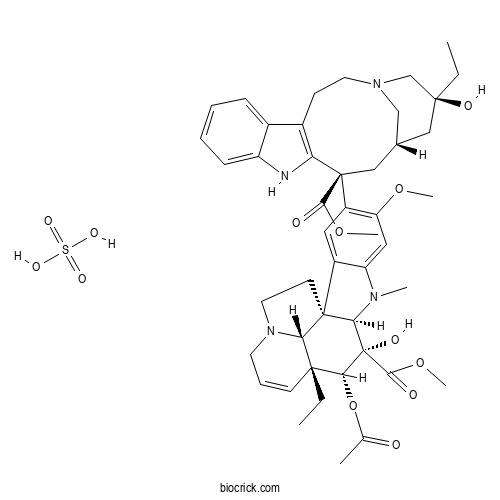
Vinblastine Sulfate
Vinblastine sulfate is a cytotoxic alkaloid used against various cancer types. Vinblastine sulfate inhibits the formation of microtubule and suppresses nAChR with an IC50 of 8.9 μM.
-
BCN2542
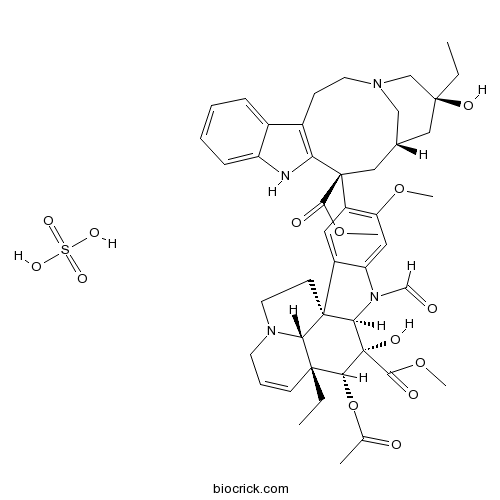
Vincristine sulfate
Vincristine sulfate is an antitumor vinca alkaloid which inhibits microtubule formation in mitotic spindle, resulting in an arrest of dividing cells at the metaphase stage. It binds to microtubule with a Ki of 85 nM.
-
BCN2288
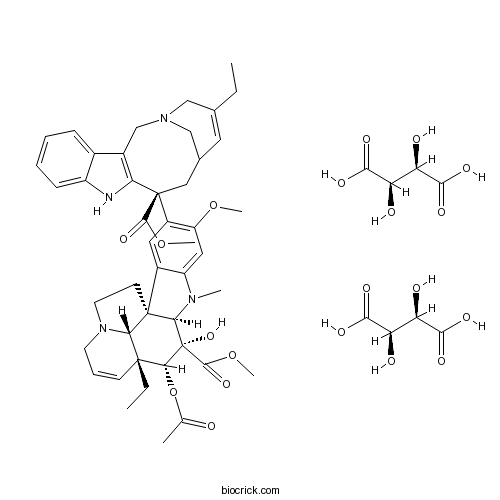
Vinorelbine Tartrate
Vinorelbine (ditartrate) is an anti-mitotic agent which inhibits the proliferation of Hela cells with IC50 of 1.25 nM.
-
BCC7568
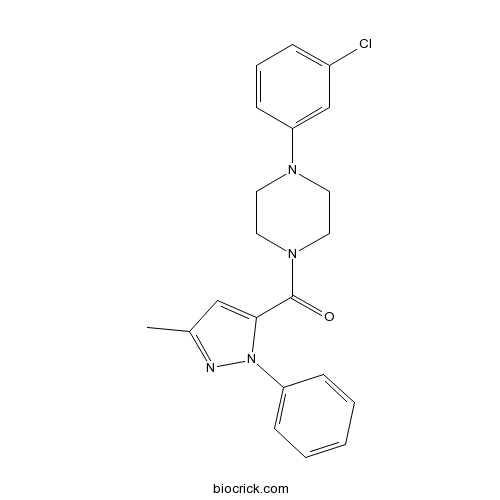
XRP44X
729605-21-4
-
BCC4375
(-)-Blebbistatin
(-)-Blebbistatin is a selective inhibitor of the ATPase activity of non-muscle myosin II.

-
BCC7195
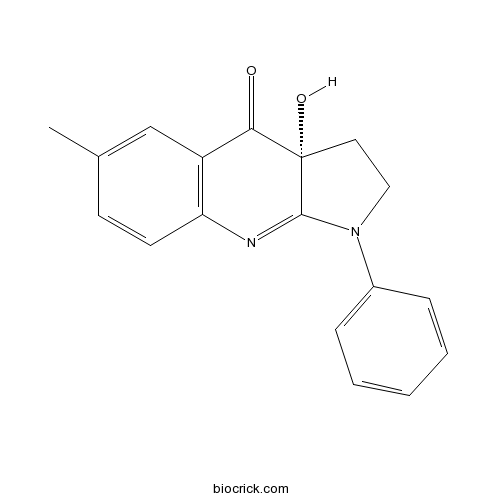
(R)-(+)-Blebbistatin
(+)-Blebbistatin is the inactive enantiomer of (–)-Blebbistatin. (–)-Blebbistatin is a selective inhibitor of myosin II ATPase.
-
BCC7169
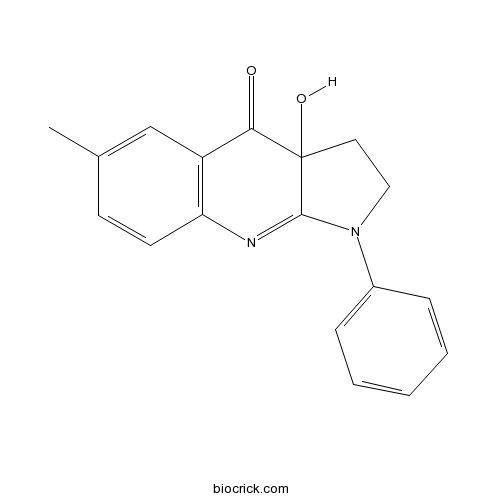
(±)-Blebbistatin
Blebbistatin is a selective non-muscle myosin II (NMII) inhibitor, promotes directional migration of corneal endothelial cells (CECs) and accelerates wound healing, and better preserves cell junctional integrity and barrier function.
-
BCC5425
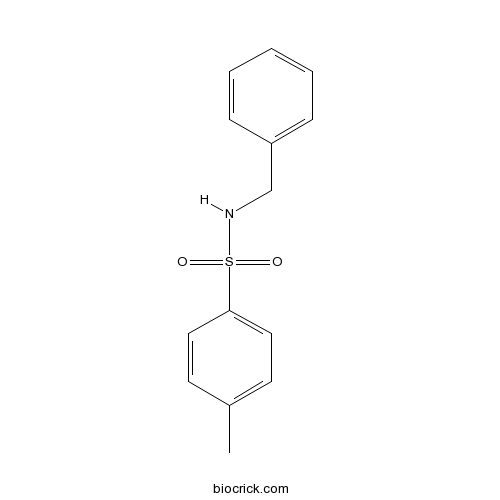
BTS
BTS is a potent inhibitor of Ca2+-stimulated myosin S1 ATPase (IC50 ~ 5 μM) and reversibly blocks the gliding motility.
-
BCC6689
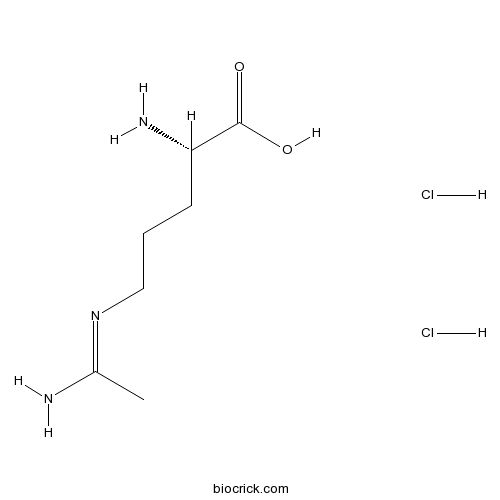
L-NIO dihydrochloride
L-NIO dihydrochloride is a potent, non-selective and NADPH-dependent nitric oxide synthase (NOS) inhibitor, with Kis of 1.7, 3.9, 3.9 μM for neuronal (nNOS), endothelial (eNOS), and inducible (iNOS), respectively. L-NIO dihydrochloride induces a consistentfocal ischemic infarctin rats.
-
BCC6795
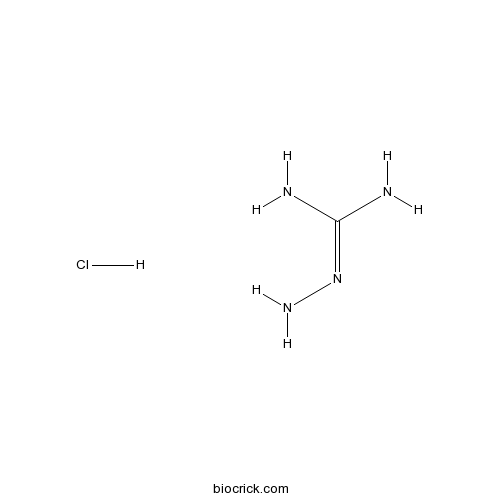
Aminoguanidine hydrochloride
Aminoguanidine hydrochloride is a diamine oxidase and NO synthase inhibitor, reduces levels of advanced glycation end products (AGEs) through interacting with 3-deoxyglucosone, is an investigational drug for the treatment of diabetic nephropathy.