Blood-Brain Barrier
Blood–brain barrier Protective barriers of the brain.jpg Blood and CSF brain barriers Details System Neuroimmune system Identifiers Acronym(s) BBB The blood–brain barrier (BBB) is a highly selective semipermeable membrane barrier that separates the circulating blood from the brain and extracellular fluid in the central nervous system (CNS). The blood–brain barrier is formed by brain endothelial cells and it allows the passage of water, some gases, and lipid-soluble molecules by passive diffusion, as well as the selective transport of molecules such as glucose and amino acids that are crucial to neural function. Furthermore, it prevents the entry of lipophilic potential neurotoxins by way of an active transport mechanism mediated by P-glycoprotein. Astrocytes have been claimed to be necessary to create the blood–brain barrier. A few regions in the brain, including the circumventricular organs, do not have a blood–brain barrier.
Blood-Brain Barrier Products Targets
Products for Blood-Brain Barrier - Page 7
- Cat.No. Product Name Information/Activity
-
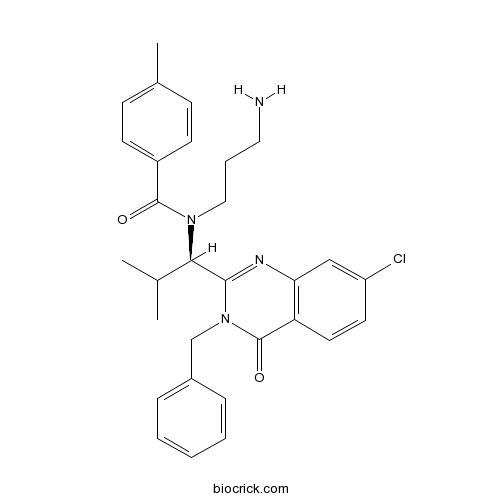
BCC2509
Ispinesib (SB-715992)
Ispinesib is a specific inhibitor of kinesin spindle protein (KSP), with a Ki app of 1.7 nM.
-
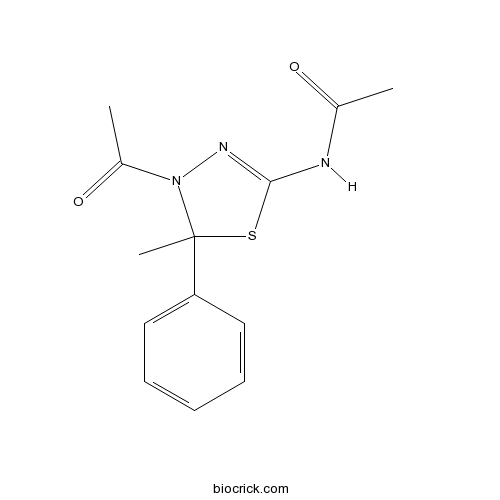
BCC7760
K858
K858 Racemic is an ATP-uncompetitive inhibitor of kinesin Eg5 with an IC50 of 1.3 μM.
-
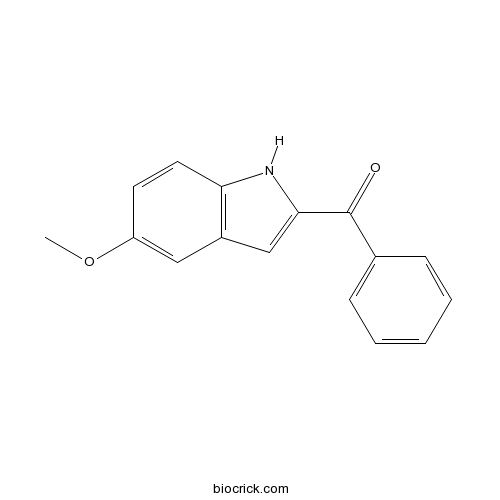
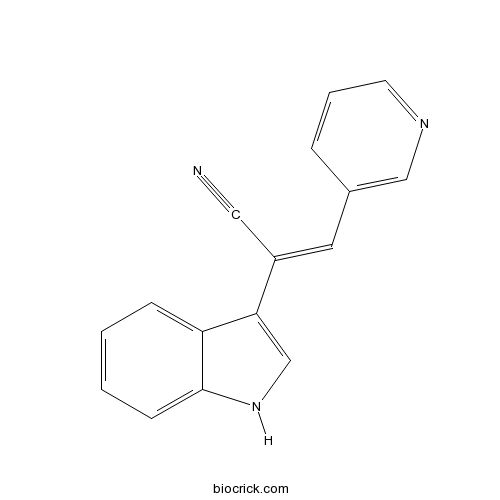
BCC7978
Paprotrain
Paprotrain is a cell-permeable inhibitor of the kinesin MKLP-2, inhibits the ATPase activity of MKLP-2 with an IC50 of 1.35 μM and a Ki of 3.36 μM and shows a moderate inhibition activity on DYRK1A with an IC50 of 5.5 μM.
-
BCC4559
SB743921
SB-743921 is a potent inhibitor of the mitotic kinesin KSP (Eg5), with a Ki of 0.1 nM.

-
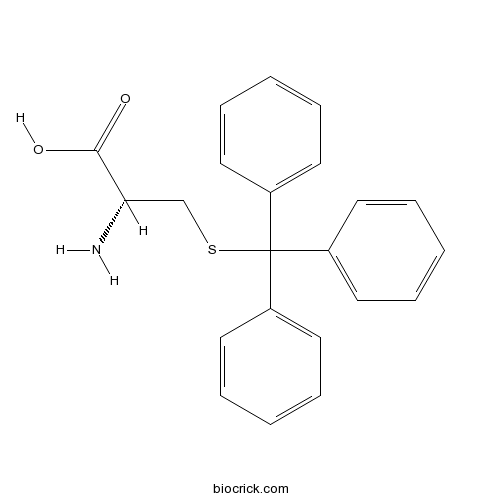
BCC2911
H-Cys(Trt)-OH
2799-07-7
-
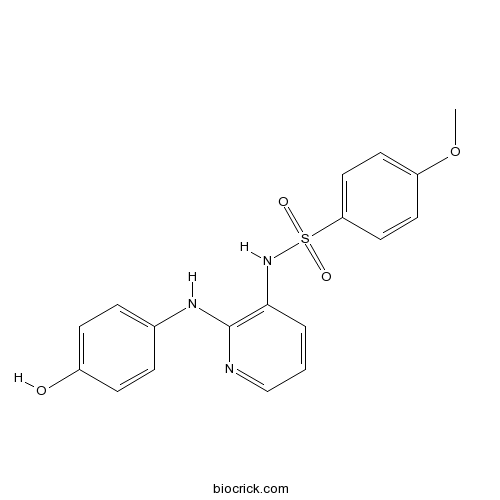
BCC1085
ABT-751 (E7010)
ABT-751(E 7010) is a novel bioavailable tubulin-binding and antimitotic sulfonamide agent with IC50 of about 1.5 and 3.4 μM in neuroblastoma and non-neuroblastoma cell lines, respectively.
-
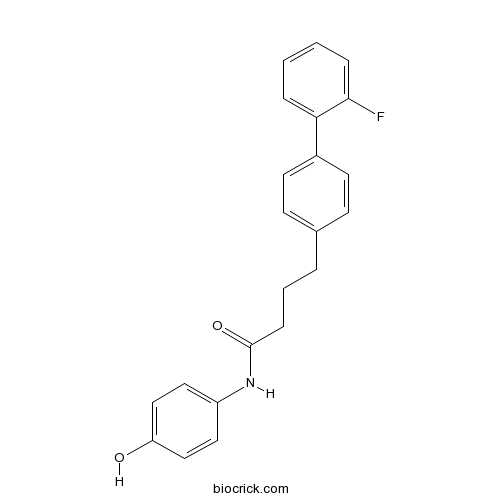
BCC7274
CMPD-1
CMPD1 is a selective and non-ATP-competitive p38 MAPK-mediated MK2 phosphorylation inhibitor with apparent Ki (Kiapp) of 330 nM.
-
BCN6271
Colchicine
Colchicine is a tubulin inhibitor and a microtubule disrupting agent. Colchicine inhibits microtubule polymerization with an IC50 of 3 nM.

-
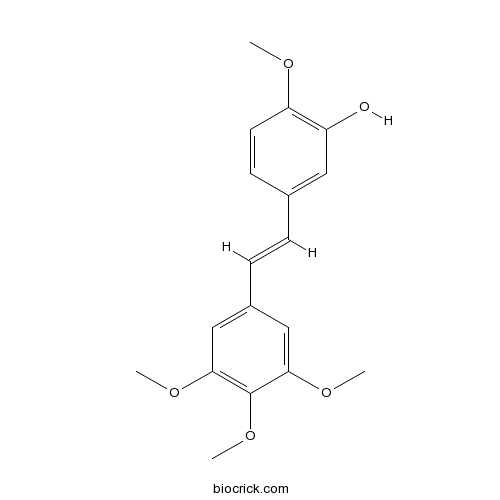
BCC7089
Combretastatin A4
Combretastatin A4 is a microtubule-targeting agent that binds β-tubulin with Kd of 0.4 μM.
-
BCC1510
D-64131
D-64131 is a novel inhibitor of Tubulin polymerization that competitively binds with [(3)H]colchicine to αβ-Tubulin.