Stress and Anxiety Research
Stress is a valuable evolutionary-conserved physiological response to threatening or adverse environments. Chronic stress is a pathological state that is caused by prolonged upregulation of the normal acute stress response. Anxiety disorders, such as phobias and post-traumatic stress disorder, are due to fear conditioning to a neutral stimulus and involve many of the same brain regions as stress.
Stress and Anxiety Research Products Targets
- Others (13)
- D4 Receptor (12)
- 5-HT7 Receptor (11)
- 5-HT6 Receptor (14)
- 5-ht5 Receptor (2)
- 5-HT4 Receptor (17)
- AMPA Receptor (45)
- GABAA-ρ Receptor (8)
- GABAA Receptor (66)
- D3 Receptor (12)
- NMDA Receptor (87)
- Kainate Receptor (22)
- D2 Receptor (14)
- D1 and D5 Receptor (16)
- Adrenergic α2 Receptor (33)
- Adrenergic α1 Receptor (22)
- Adrenergic β3 Receptor (12)
- Adrenergic β2 Receptor (6)
- Adrenergic β1 Receptor (7)
Products for Stress and Anxiety Research - Page 20
- Cat.No. Product Name Information/Activity
-
BCC7266
SCS
3232-36-8

-
BCC6997
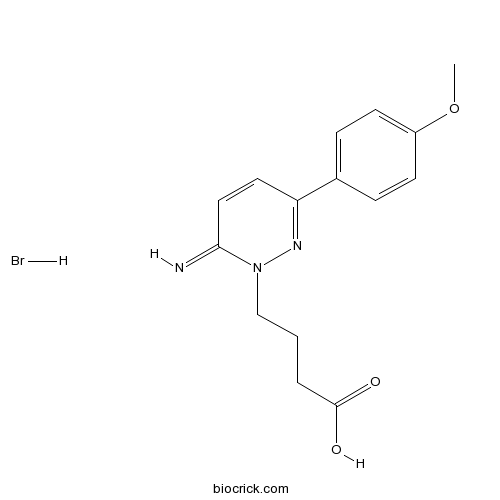
SR 95531 hydrobromide
Gabazine is a selective and competitive antagonist of GABAA receptor, with an IC50 of ~0.2 μM for GABA receptor.
-
BCC7510
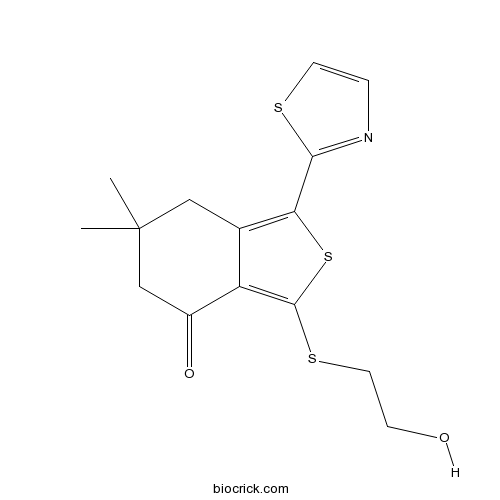
TB 21007
207306-50-1
-
BCC7471
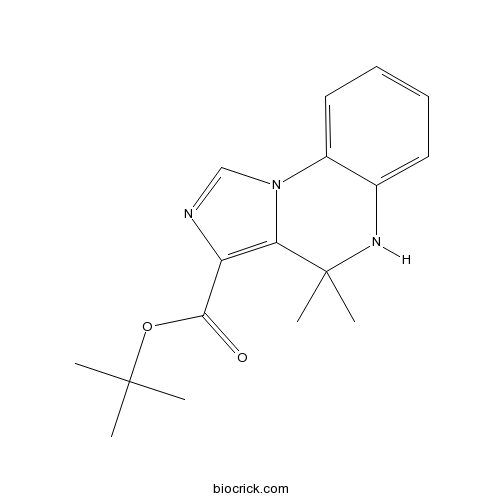
U 93631
U93631 is a GABAA receptor ligand of novel chemical structure with IC50 of 100 nM,and has been shown to induce a rapid, time-dependent decay of GABA-induced whole-cell Cl-currents in recombinant GABAA receptors.
-
BCC5521
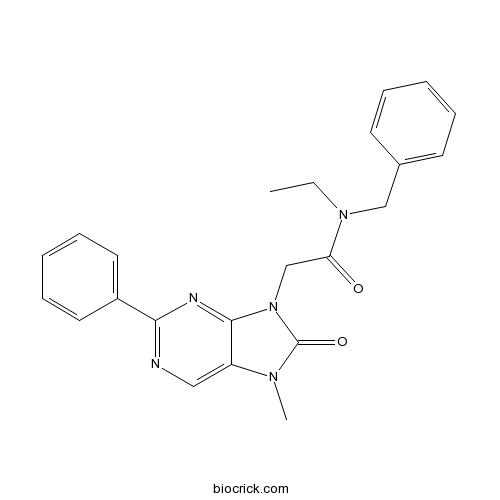
Emapunil
Emapunil(AC-5216;XBD-173) is a translocator protein [TSPO (18 kDa)] ligand.
-
BCC7711
Bretazenil
84379-13-5

-
BCC6635
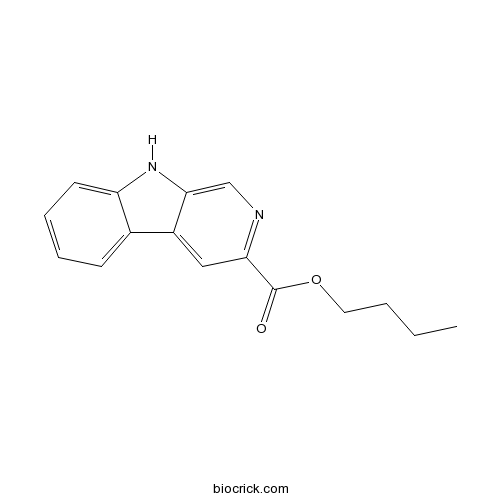
β-CCB
84454-35-3
-
BCC7162
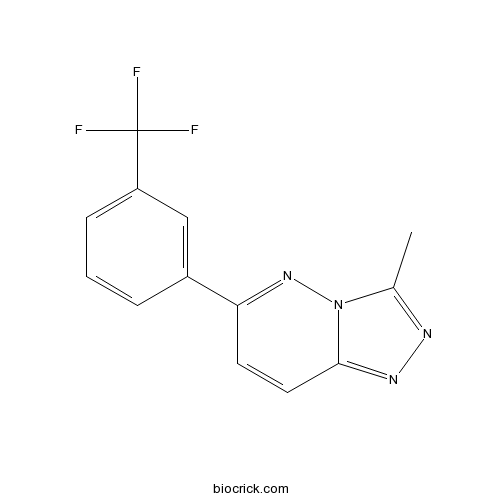
CL 218872
66548-69-4
-
BCC6671
Dihydroergotoxine mesylate
Dihydroergotoxine mesylate is a complex of closely related alkaloid salts; Binds with high affinity to the GABAA receptor Cl- channel, producing an allosteric interaction with the benzodiazepine site.

-
BCC7560
DMCM hydrochloride
DMCM hydrochloride is a nonselective full inverse agonist of benzodiazepine. DMCM shows bnding afinity at human recombinant GABAA αxβ3γ2 receptor subtypes with Kis of 10 nM, 13 nM, 7.5 nM, 2.2 nM for α1, α2, α3, and α5 receptors, respectively.