Neuroscience Research
Neuroscience is the study of the nervous system - one of the major mammalian systems responsible for sustaining life. The central nervous system (CNS) and peripheral nervous system (PNS) work in concert to coordinate basic functions such as moving and breathing, as well as 'higher order' functions including thought, speech and emotion.
Neuroscience Research Products Areas
- Stress and Anxiety Research (392)
- Nociception (957)
- Neurotransmission (892)
- Neuropeptides (43)
- Neural Development (795)
- Memory, Learning and Cognition (746)
- Blood-Brain Barrier (119)
- Stroke Research (665)
- Sleep Research (267)
- Schizophrenia Research (709)
- Parkinson's Disease Research (752)
- Huntington's Disease Research (465)
- Epilepsy Research (560)
- Depression Research (631)
- Alzheimer's Disease Research (399)
- Addiction Research (509)
- Multiple Sclerosis (419)
Products for Neuroscience Research - Page 193
- Cat.No. Product Name Information/Activity
-
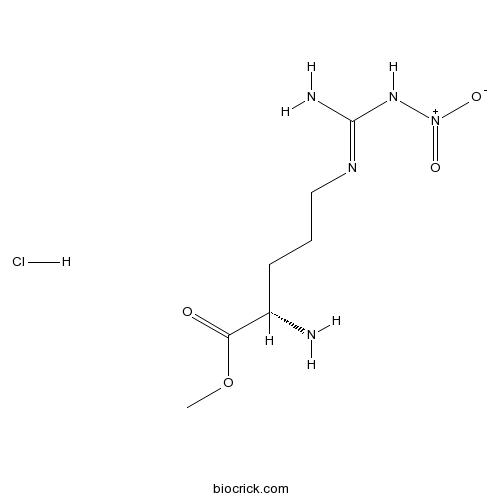
BCC2865
L-NAME hydrochloride
L-NAME hydrochloride inhibits NOS with an IC50 of 70 μM. L-NAME is a precursor to NOS inhibitor L-NOARG which has an IC50 value of 1.4 μM.
-
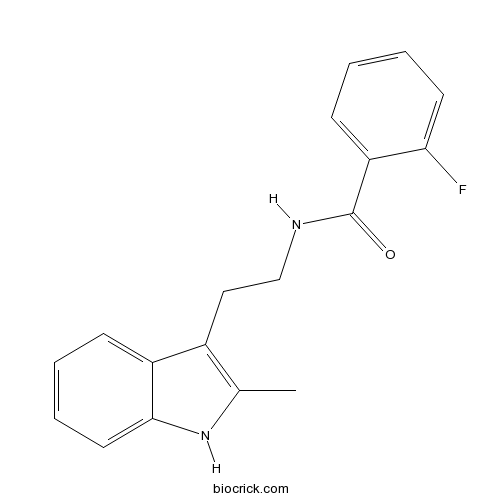
BCC5674
7-NINA
161467-34-1
-
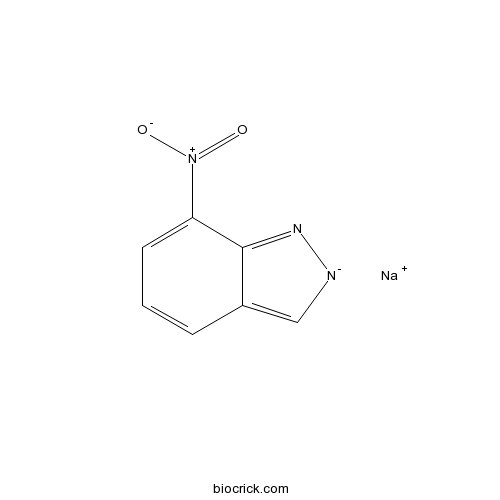
BCC6713
7-Nitroindazole
2942-42-9

-
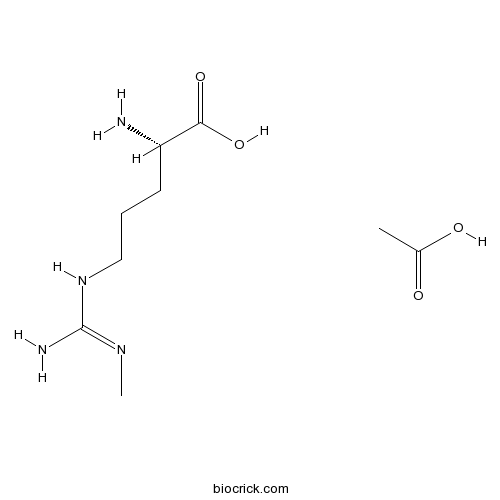
BCC6788
L-NMMA acetate
L-NMMA acetate is a nitric oxide synthase inhibitor of all NOS isoforms including NOS1, NOS2, and NOS3. The Ki values for nNOS (rat), eNOS (human), and iNOS (mouse) are approximately 0.18, 0.4, and 6 µM, respectively.
-
BCC2864
H-Arg(NO2)-OH
2149-70-4

-
BCC6847
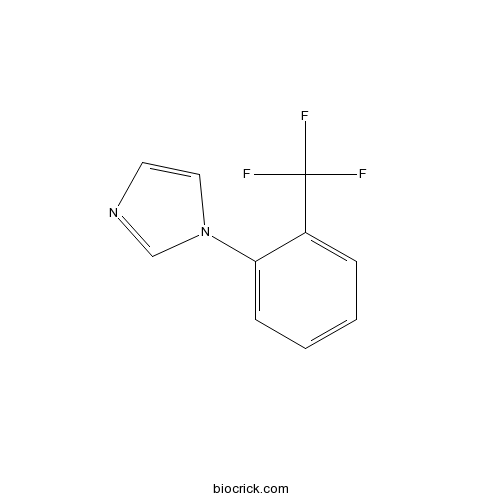
TRIM
25371-96-4
-
BCC7647
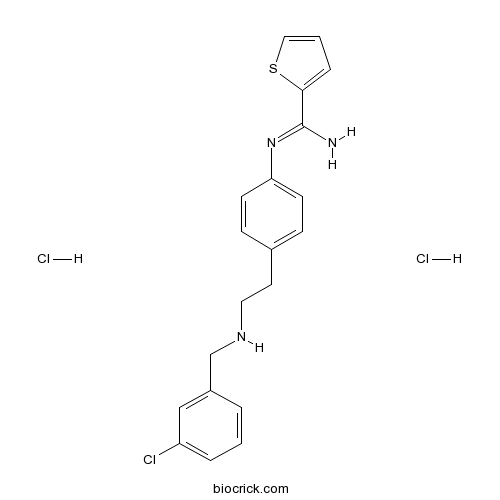
ARL 17477 dihydrochloride
866914-87-6
-
BCC6770
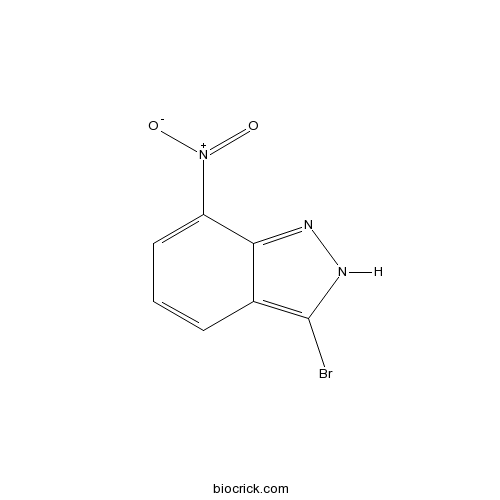
3-Bromo-7-nitroindazole
3-Bromo-7-nitroindazole is a more potent and selective inhibitor of neuronal nitric oxide synthase (nNOS) than eNOS or inducible nitric oxide synthase (iNOS). 3-Bromo-7-nitroindazole affects the intercellular messenger nitric oxide (NO) synthesis throughout the body and brain.
-
BCC6965
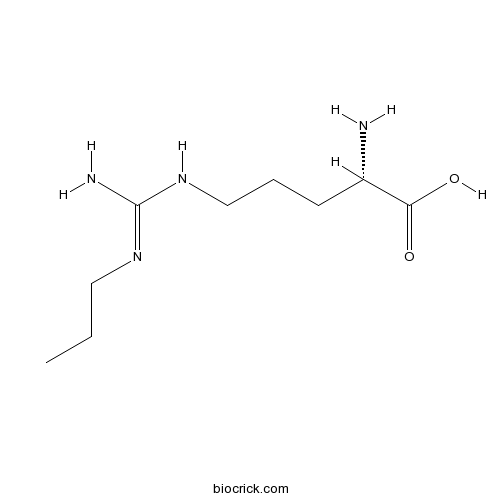
Nω-Propyl-L-arginine hydrochloride
137361-05-8
-
BCC6088
CK 666
CK-666 is a cell-permeable inhibitor of actin-related protein Arp2/3 complex, and binds to Arp2/3 complex, stabilizes the inactive state of the complex, blocking movement of the Arp2 and Arp3 subunits into the activated filament-like (short pitch) conformation.