Epilepsy Research
Epilepsy is a group of neurological conditions consisting of recurrent, usually unprovoked epileptic seizures. Epileptic seizures have recently been defined as "a transient occurrence of signs and/or symptoms due to abnormal, excessive or synchronous neuronal activity in the brain". Epilepsy is one of the most common disorders of the brain, with one in 10 people suffering at least one seizure in their lifetime. There are over 40 different types of epilepsy, each of which presents with its own unique combination of seizure type, typical age of onset, EEG findings, treatment, and prognosis.
Epilepsy Research Products Targets
- NHE (3)
- Monocarboxylate Transporter (3)
- VEGFR (16)
- FGFR (5)
- Voltage-gated Sodium (NaV) Channel (30)
- Voltage-gated Potassium (KV) Channel (38)
- Voltage-gated Calcium Channel (CaV) (38)
- Others (13)
- Epithelial Sodium Channel (3)
- STIM-Orai Channel (4)
- Ryanodine Receptor (6)
- Glutamate (Metabotropic) Group III Receptor (26)
- Glutamate (Metabotropic) Group II Receptor (33)
- Glutamate (Metabotropic) Group I Receptor (54)
- AMPA Receptor (45)
- GABAA-ρ Receptor (8)
- GABAA Receptor (66)
- NMDA Receptor (87)
- Kainate Receptor (22)
- IP3 Receptor (2)
- Gap Channel (7)
- Trk Receptor (13)
- Acid-Sensing Ion Channel (3)
- Calcium-Activated Potassium (KCa) Channel (19)
- Inward Rectifier Potassium (Kir) Channel (21)
- Sodium and Potassium ATPase (3)
- KCC2 (1)
- H+-ATPase (3)
- H+,K+-ATPase (4)
- Chloride Channel (17)
- NCX (5)
- Ca2+-ATPase (7)
- NKCC (2)
- Cytokine (15)
Products for Epilepsy Research - Page 47
- Cat.No. Product Name Information/Activity
-
BCC5069
Ouabain
Ouabain is a selective Na+/K+, -ATPase inhibitor, binds to α2 /α3 subunit with Ki of 41 nM/15 nM.

-
BCC1119
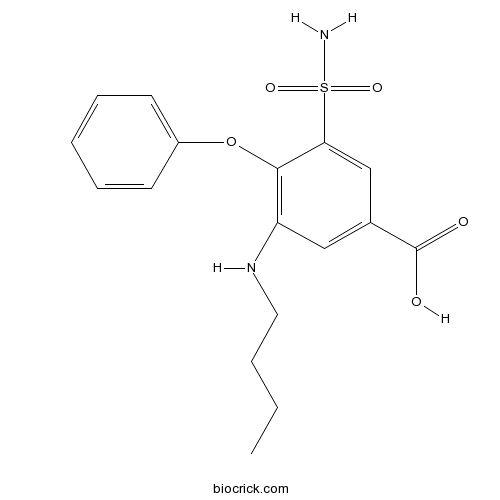
Bumetanide
Bumetanide (Ro 10-6338;PF 1593) is a selective Na+-K+-Cl- cotransporter 1 (NKCC1) inhibitor, weakly inhibits NKCC2, with IC50s of 0.68 and 4.0 μM for hNKCC1A and hNKCC2A, respectively.
-
BCC7448
BMS 191011
BMS-191011 (BMS-A) is an opener of the large-conductance, Ca2++-activated potassium (maxi-K) channel, effective in stroke models.

-
BCC7526
CyPPA
73029-73-9

-
BCC6904
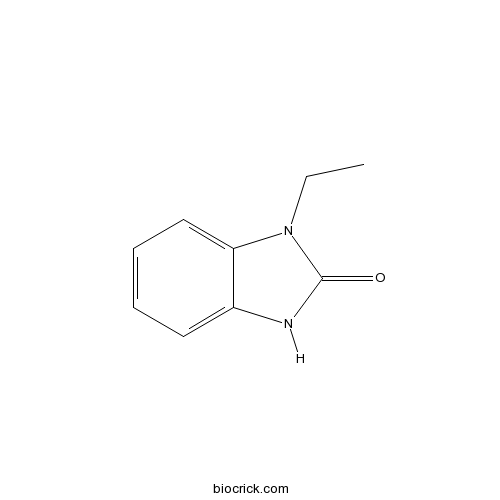
1-EBIO
10045-45-1
-
BCC7914
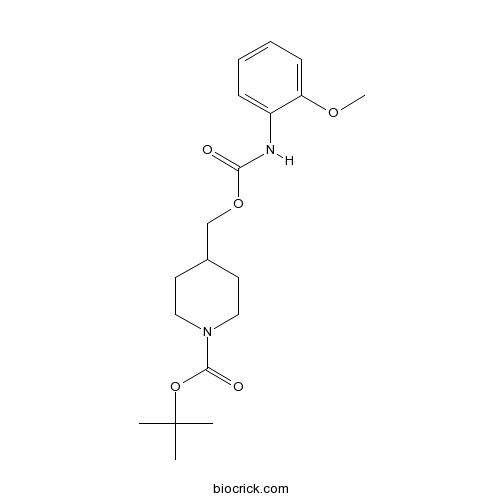
GW 542573X
660846-41-3
-
BCC7779
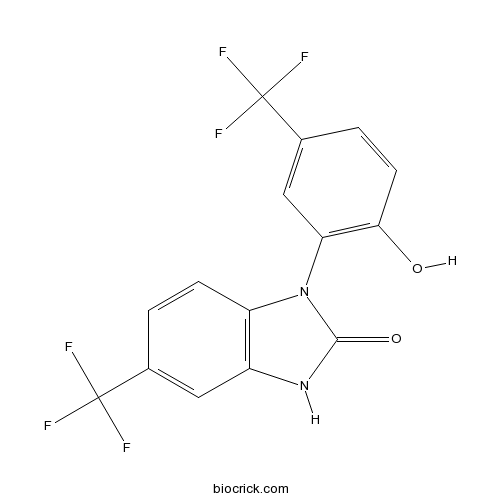
NS 1619
NS-1619 is a selective large conductance Ca2+-activated K+-channel activator.
-
BCC1809
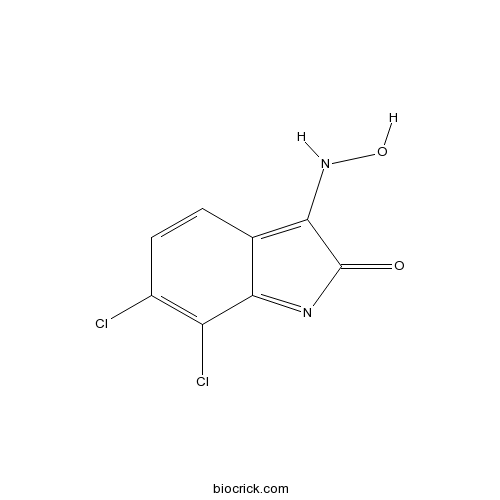
NS309
NS309 is a positive modulator of small- and intermediate- conductance Ca2+-activated K+ channels (KCa2 and KCa3.1 channels); increases Ca2+ sensitivity. Displays no activity at BK channels.
-
BCC7743
SKA 31
SKA-31 is a potent potassium channel activator with EC50s of 260 nM, 1.9 μM, 2.9 μM, and 2.9 μM for KCa3.1, KCa2.2, KCa2.1 and KCa2.3, respectively. SKA-31 potentiates endothelium-derived hyperpolarizing factor response and lowers blood pressure.

-
BCC7141
Apamin
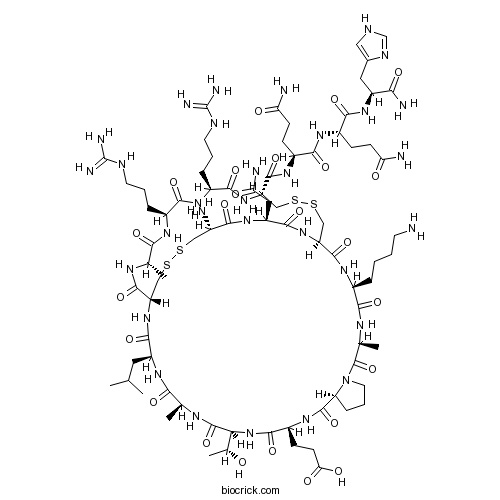
Apamin (Apamine) is an 18 amino acid peptide neurotoxin found in apitoxin (bee venom), is known as a specifically selective blocker of Ca2+-activated K+ (SK) channels and exhibits anti-inflammatory and anti-fibrotic activity.