Nociception
Nociception is the sensory process that provides the signals that lead to pain. This occurs through nociceptors, primary sensory neurons that are activated by stimuli that cause tissue damage. Stimuli can include tissue injury, extremes of heat and noxious chemicals. Unlike other sensory neurons that detect vision or taste, nociceptors are located all around the body, particularly under the skin, however, they are notably absent from the brain.
Nociception Products Targets
- Others (20)
- Nucleoside Transporter (5)
- Glycine Transporter (6)
- GABA (10)
- Cannabinoid Transporter (10)
- Acetylcholine Transporter (1)
- D4 Receptor (12)
- 5-HT7 Receptor (11)
- 5-HT6 Receptor (14)
- 5-ht5 Receptor (2)
- 5-HT4 Receptor (17)
- NK2 Receptor (7)
- NK1 Receptor (15)
- NOP Receptor (21)
- Mu-Opioid Receptors (15)
- Kappa Opioid Receptors (14)
- Glutamate (Metabotropic) Group III Receptor (26)
- Glutamate (Metabotropic) Group II Receptor (33)
- Glutamate (Metabotropic) Group I Receptor (54)
- AMPA Receptor (45)
- GABAA-ρ Receptor (8)
- GABAA Receptor (66)
- GPR55 (8)
- CB2 Receptor (6)
- CB1 Receptor (17)
- Voltage-gated Sodium (NaV) Channels (30)
- Voltage-gated Potassium (KV) Channels (38)
- Voltage-gated Calcium Channels (CaV) (38)
- Neurotensin Receptors (7)
- Glycine Receptors (6)
- Fatty Acid Amide Hydrolase (15)
- Cyclooxygenases (24)
- Bradykinin Receptors (12)
- D3 Receptor (12)
- NK3 Receptor (5)
- Vesicular Monoamine Transporter (4)
- NMDA Receptor (87)
- Kainate Receptor (22)
- D2 Receptor (14)
- D1 and D5 Receptor (16)
- Glutamate Transporter (18)
- Dopamine Transporter (20)
- Histamine H4 Receptor (12)
- Histamine H3 Receptor (22)
- Histamine H2 Receptor (10)
- Histamine H1 Receptor (17)
- Adrenergic Transporter (23)
- 5-HT Transporter (30)
- NO donors and precursors (9)
- nNOS (5)
- iNOS (11)
- eNOS (1)
- M5 Receptor (2)
- M4 Receptor (3)
- M3 Receptor (4)
- M2 Receptor (5)
- M1 Receptor (8)
- Delta opioid receptor (16)
- Adrenergic α2 Receptor (33)
- Adrenergic α1 Receptor (22)
- Adrenergic β3 Receptor (12)
- Adrenergic β2 Receptor (6)
- Adrenergic β1 Receptor (7)
Products for Nociception - Page 15
- Cat.No. Product Name Information/Activity
-
BCC5075
A-803467
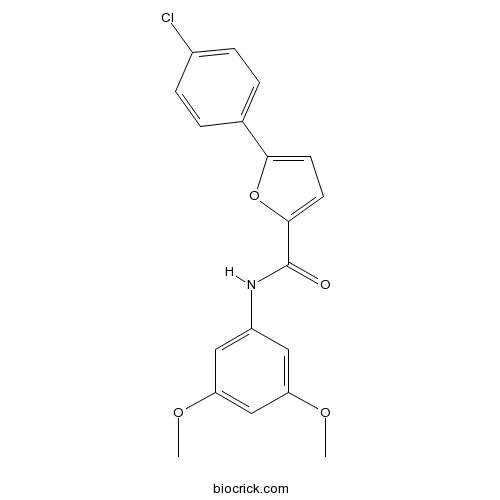
A 803467 is a selective Nav1.8 sodium channel blocker with an IC50 of 8 nM; over 100-fold more selective vs. human Nav1.2, 1.3, 1.5 and 1.7.
-
BCC7898
A 887826
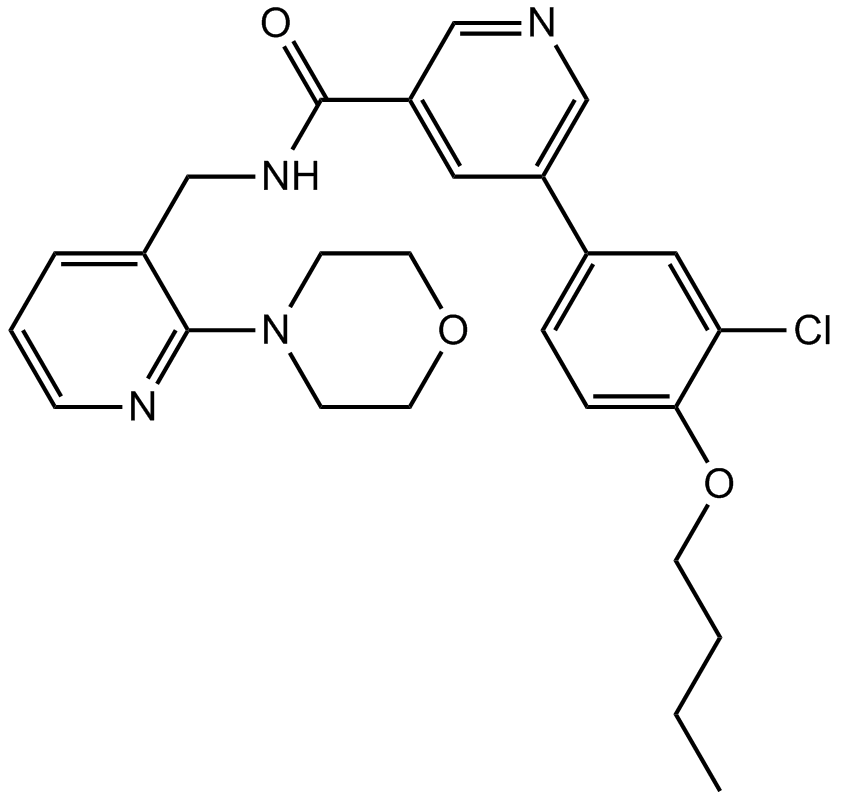
A-887826 is a potent, selective, oral bioavailable and voltage-dependent Na(v)1.8 sodium channel blocker with an IC50 of 11 nM . A-887826 attenuates neuropathic tactile allodynia in vivo.
-
BCC5067
Ambroxol HCl
Na<sup>+</sup> channel blocker,AmbroxolHCl is a potent inhibitor of the neuronal Na+ channels, inhibits TTX-resistant Na+ currents with IC50 of 35.2 μM and 22.5 μM for tonic and phasic block, inhibits TTX-sensitive Na+ currents with IC50 of 100 μM. Phase 3.

-
BCC6294
APETx2
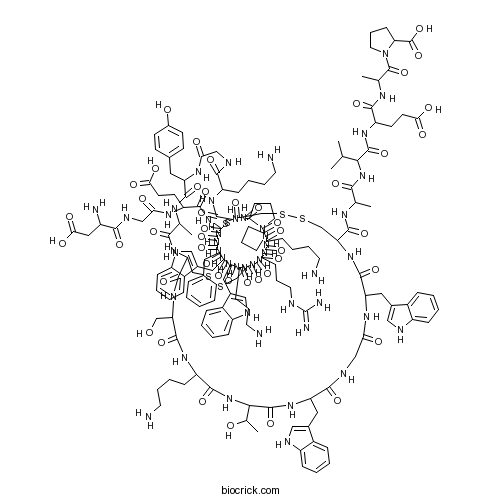
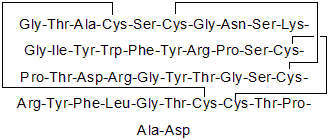
713544-47-9
-
BCC4378
Carbamazepine
Carbamazepine, a sodium channel blocker, is an anticonvulsant drug.

-
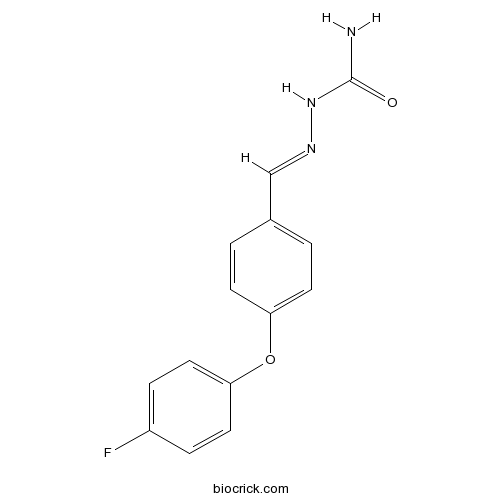
BCC7439
Co 102862
181144-66-1
-
BCC1578
Flecainide acetate
Flecainide acetate (R-818) is a class 1C antiarrhythmic drug especially used for the management of supraventricular arrhythmia; works by blocking the Nav1.5 sodium channel in the heart, causing prolongation of the cardiac action potential.

-
BCC6270
Huwentoxin IV
526224-73-7

-
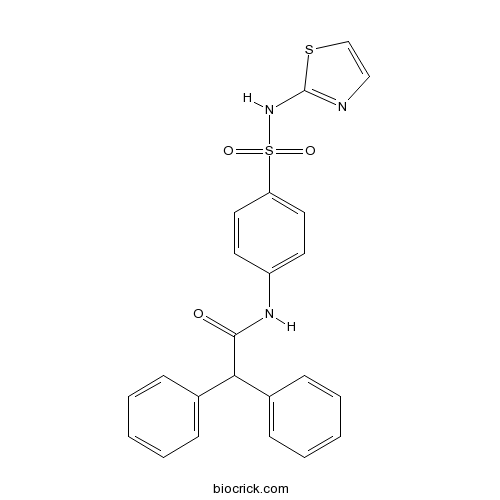
BCC6358
ICA 121431
ICA-121431 is a nanomolar potent and broad-spectrum voltage-gated sodium channel (Nav) blocker, shows equipotent selectivity for human Nav1.1 and Nav1.3 subtypes with IC50 values of 13 nM and 23 nM, respectively. ICA-121431 shows less potent inhibition of Nav1.2 (IC50=240 nM) and 1,000 fold selectivity against Nav1.4, Nav1.6, and the TTX-resistant human Nav1.5 and Nav1.8 channels (IC50s >10 µM).
-
BCC6327
Jingzhaotoxin III
925463-91-8