Nociception
Nociception is the sensory process that provides the signals that lead to pain. This occurs through nociceptors, primary sensory neurons that are activated by stimuli that cause tissue damage. Stimuli can include tissue injury, extremes of heat and noxious chemicals. Unlike other sensory neurons that detect vision or taste, nociceptors are located all around the body, particularly under the skin, however, they are notably absent from the brain.
Nociception Products Targets
- Others (20)
- Nucleoside Transporter (5)
- Glycine Transporter (6)
- GABA (10)
- Cannabinoid Transporter (10)
- Acetylcholine Transporter (1)
- D4 Receptor (12)
- 5-HT7 Receptor (11)
- 5-HT6 Receptor (14)
- 5-ht5 Receptor (2)
- 5-HT4 Receptor (17)
- NK2 Receptor (7)
- NK1 Receptor (15)
- NOP Receptor (21)
- Mu-Opioid Receptors (15)
- Kappa Opioid Receptors (14)
- Glutamate (Metabotropic) Group III Receptor (26)
- Glutamate (Metabotropic) Group II Receptor (33)
- Glutamate (Metabotropic) Group I Receptor (54)
- AMPA Receptor (45)
- GABAA-ρ Receptor (8)
- GABAA Receptor (66)
- GPR55 (8)
- CB2 Receptor (6)
- CB1 Receptor (17)
- Voltage-gated Sodium (NaV) Channels (30)
- Voltage-gated Potassium (KV) Channels (38)
- Voltage-gated Calcium Channels (CaV) (38)
- Neurotensin Receptors (7)
- Glycine Receptors (6)
- Fatty Acid Amide Hydrolase (15)
- Cyclooxygenases (24)
- Bradykinin Receptors (12)
- D3 Receptor (12)
- NK3 Receptor (5)
- Vesicular Monoamine Transporter (4)
- NMDA Receptor (87)
- Kainate Receptor (22)
- D2 Receptor (14)
- D1 and D5 Receptor (16)
- Glutamate Transporter (18)
- Dopamine Transporter (20)
- Histamine H4 Receptor (12)
- Histamine H3 Receptor (22)
- Histamine H2 Receptor (10)
- Histamine H1 Receptor (17)
- Adrenergic Transporter (23)
- 5-HT Transporter (30)
- NO donors and precursors (9)
- nNOS (5)
- iNOS (11)
- eNOS (1)
- M5 Receptor (2)
- M4 Receptor (3)
- M3 Receptor (4)
- M2 Receptor (5)
- M1 Receptor (8)
- Delta opioid receptor (16)
- Adrenergic α2 Receptor (33)
- Adrenergic α1 Receptor (22)
- Adrenergic β3 Receptor (12)
- Adrenergic β2 Receptor (6)
- Adrenergic β1 Receptor (7)
Products for Nociception - Page 52
- Cat.No. Product Name Information/Activity
-
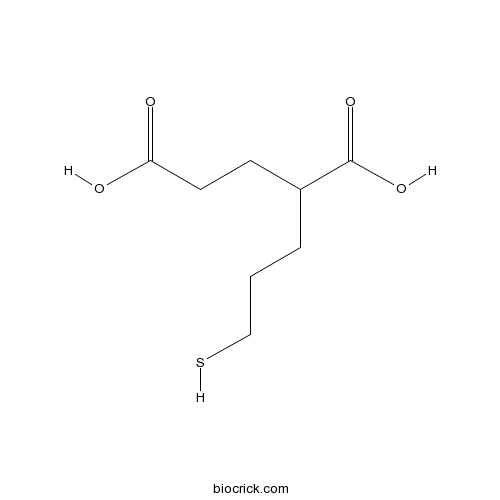
BCC7995
2-MPPA
254737-29-6
-
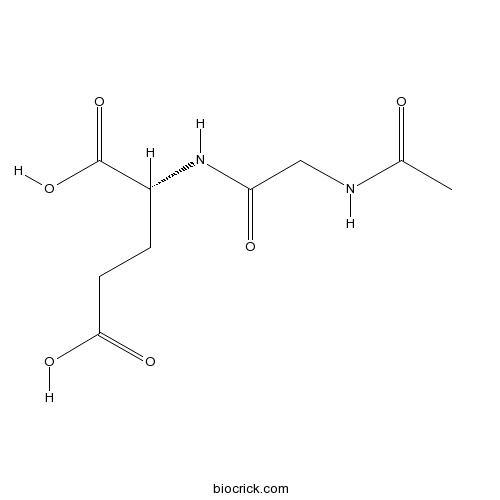
BCC6634
N-Acetylglycyl-D-glutamic acid
135701-69-8
-
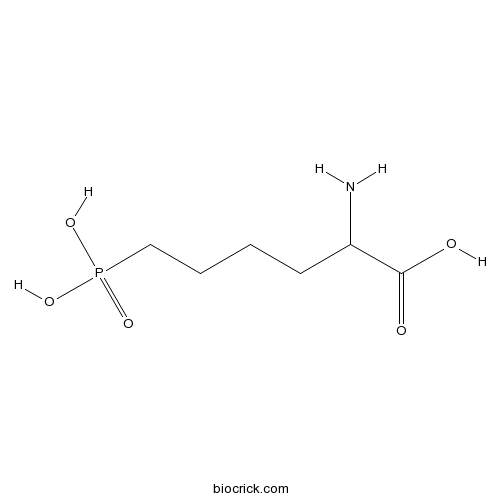
BCC6612
L-AP6
78944-89-5
-
BCC7400
L-BMAA hydrochloride
16012-55-8

-
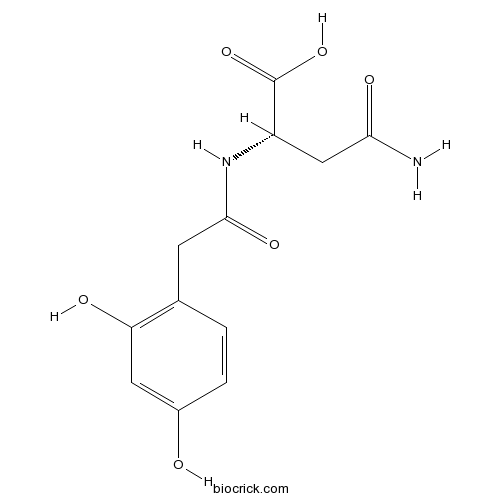
BCC6585
2,4-Dihydroxyphenylacetyl-L-asparagine
111872-98-1
-
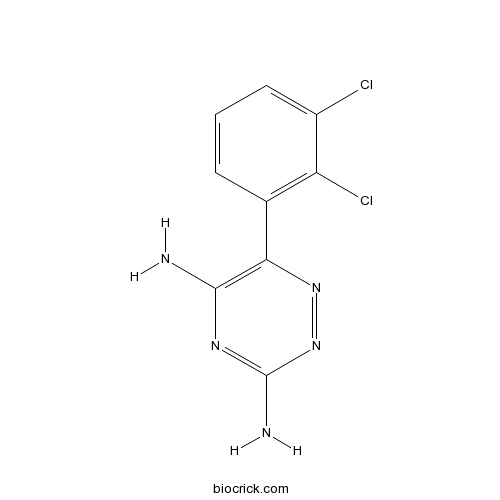
BCC5051
Lamotrigine
Lamotrigine(BW430C) is a novel anticonvulsant drug for inhibition of 5-HT and sodium channel Target: Sodium Channel Lamotrigine stabilises presynaptic neuronal membranes by blockade of voltage-dependent sodium channels, thus preventing the release of excitatory neurotransmitters, particularly glutamate and aspartate [1].
-
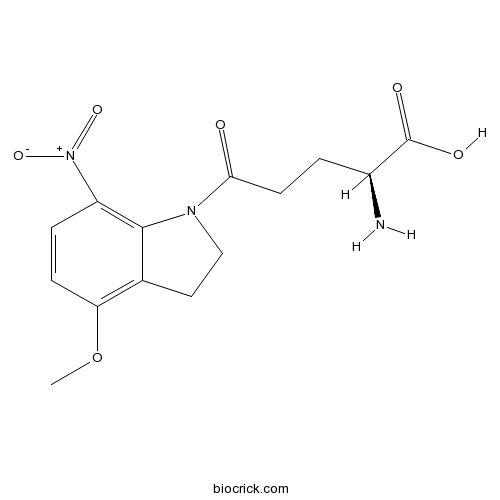
BCC7086
MNI-caged-L-glutamate
295325-62-1
-
BCC7453
Pentylenetetrazole
54-95-5

-
BCC6731
Salsolinol-1-carboxylic acid
57256-34-5

-
BCC6632
Spaglumic acid
Spaglumic Acid is a neuropeptide found in millimolar concentrations in brain.