
BenzilCAS# 134-81-6 |
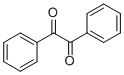
| Cas No. | 134-81-6 | SDF | File under preparation. |
| PubChem ID | N/A | Appearance | Yellow powder |
| Formula | C14H10O2 | M.Wt | 210.2 |
| Type of Compound | N/A | Storage | Desiccate at -20°C |
| Solubility | Soluble in Chloroform,Dichloromethane,Ethyl Acetate,DMSO,Acetone,etc. | ||
| General tips | For obtaining a higher solubility , please warm the tube at 37 ℃ and shake it in the ultrasonic bath for a while.Stock solution can be stored below -20℃ for several months. We recommend that you prepare and use the solution on the same day. However, if the test schedule requires, the stock solutions can be prepared in advance, and the stock solution must be sealed and stored below -20℃. In general, the stock solution can be kept for several months. Before use, we recommend that you leave the vial at room temperature for at least an hour before opening it. |
||
| About Packaging | 1. The packaging of the product may be reversed during transportation, cause the high purity compounds to adhere to the neck or cap of the vial.Take the vail out of its packaging and shake gently until the compounds fall to the bottom of the vial. 2. For liquid products, please centrifuge at 500xg to gather the liquid to the bottom of the vial. 3. Try to avoid loss or contamination during the experiment. |
||
| Shipping Condition | Packaging according to customer requirements(5mg, 10mg, 20mg and more). Ship via FedEx, DHL, UPS, EMS or other couriers with RT, or blue ice upon request. | ||
Quality Control & MSDS
Package In Stock

Number of papers citing our products


Benzil Dilution Calculator
Benzil Molarity Calculator
| 1 mg | 5 mg | 10 mg | 20 mg | 25 mg | |
| 1 mM | 4.7574 mL | 23.7869 mL | 47.5737 mL | 95.1475 mL | 118.9343 mL |
| 5 mM | 0.9515 mL | 4.7574 mL | 9.5147 mL | 19.0295 mL | 23.7869 mL |
| 10 mM | 0.4757 mL | 2.3787 mL | 4.7574 mL | 9.5147 mL | 11.8934 mL |
| 50 mM | 0.0951 mL | 0.4757 mL | 0.9515 mL | 1.9029 mL | 2.3787 mL |
| 100 mM | 0.0476 mL | 0.2379 mL | 0.4757 mL | 0.9515 mL | 1.1893 mL |
| * Note: If you are in the process of experiment, it's necessary to make the dilution ratios of the samples. The dilution data above is only for reference. Normally, it's can get a better solubility within lower of Concentrations. | |||||
- Tryptamine
Catalog No.:BCX2256
CAS No.:61-54-1
- Coniferyl acetate
Catalog No.:BCX2255
CAS No.:94930-81-1
- Scinamine C
Catalog No.:BCX2254
CAS No.:2184979-75-5
- 3''-Hydroxypyrrolezanthine
Catalog No.:BCX2253
CAS No.:2647391-04-4
- Lyxose
Catalog No.:BCX2252
CAS No.:65-42-9
- 3'-O-Methylhesperidin
Catalog No.:BCX2251
CAS No.:28034-80-2
- Benzoic acid,2-[(5,10-dihydro-3,7,8-trihydroxy-5,10-dioxo...
Catalog No.:BCX2910
CAS No.:60202-70-2
- Osmanthuside B
Catalog No.:BCX2909
CAS No.:94492-23-6
- Podoverine A
Catalog No.:BCX2908
CAS No.:107882-43-9
- Benzoic acid,2-(5,10-dihydro-2,3,7,8-tetrahydroxy...
Catalog No.:BCX2907
CAS No.:103744-88-3
- Bacogenin A4 (Ebelinlacton)
Catalog No.:BCX2906
CAS No.:3649-76-1
- Feruloylputrescine
Catalog No.:BCX2905
CAS No.:501-13-3
- Lobetyolin
Catalog No.:BCX2258
CAS No.:129277-38-9
- 4-(2-(Carboxymethyl)-3,5-dihydroxyphenoxy)benzoic acid
Catalog No.:BCX2259
CAS No.:2193189-82-9
- 4,5-Di-O-caffeoylquinic acid
Catalog No.:BCX2260
CAS No.:89886-30-6
- Malic acid
Catalog No.:BCX2261
CAS No.:636-61-3
- Picropodophyllin
Catalog No.:BCX2262
CAS No.:477-47-4
- α-Santalene
Catalog No.:BCX2263
CAS No.:512-61-8
- Valerianol
Catalog No.:BCX2264
CAS No.:20489-45-6
- 7-epi-Teucrenone
Catalog No.:BCX2265
CAS No.:165898-48-6
- Isosyringinoside
Catalog No.:BCX2266
CAS No.:152686-85-6
- Taccalonolide Q
Catalog No.:BCX2267
CAS No.:488791-19-1
- 7-O-Galloyltricetiflavan
Catalog No.:BCX2268
CAS No.:889447-89-6
- (2E,7E)-6,9-Dihydroxy-N-isobutyldeca-2,7-dienamide
Catalog No.:BCX2269
CAS No.:1492015-24-3
Morphological Study on the Gelation-Induced Phosphorescence of All-Organic Phosphors Based on Substituted Benzil.[Pubmed:42798883]
ACS Omega. 2026 Sep 9;11(37):55939-55949.
We report gelation-induced phosphorescence at room temperature based on 4,4'-disubstituted Benzils with alkyloxy and ester groups. The title compounds include five 4,4'-dialkyloxyBenzils with varying alkyl chain lengths (from octyloxy to dodecyloxy) and two 4,4'-diesterBenzil (nonylester and phenyl ester). All of the title compounds showed excellent gelation properties in hydrocarbon, alcohol, and acetonitrile solvents. The room-temperature phosphorescence was turned on upon gelation, whereas no emission was observed in solution. The investigation of the photophysical properties of the dried gels (xerogels) revealed that the length of the alkyloxy side group significantly influenced the phosphorescence lifetime (tau) and quantum yield (Phi(p)). BZL-OC8, -OC9, and -OC10 showed better phosphorescence performance than their longer chain counterparts (BZL-OC11 and -OC12). The maximum tau of 1.28 ms and Phi(p) of 43% were achieved for 4,4'-dinonyloxyBenzil (BZL-OC9). Powder X-ray diffraction patterns suggested that BZL-OC11 and -OC12 may adopt different molecular packing modes that may not facilitate the restriction of intramolecular motion as efficiently as in the shorter-chain molecules. The ester-substituted Benzils showed inferior phosphorescence to BZL-OC9. Between the two ester-substituted Benzils, nonylester (BZL-EstC10) outperformed phenylester (BZL-EstPh). Interestingly, the title compounds showed strong gelation solvent-dependent phosphorescence. This indicates that the appropriate choice of gelation solvent is crucial for efficient fiber growth. For BZL-OC8 and -OC9, ethanol and decane gels were superior to the acetonitrile gel. In the case of BZL-EstC10, ethanol was a better solvent than hexane. 1,1,1-Trichloroethane was found to be the best gelation solvent for phosphorescence in BZL-EstPh. Polarized optical microscopy and scanning electron microscopy confirmed the presence of fibers in the xerogels. In addition, the dependence of phosphorescence on the alkyloxy length and gelation solvent was strongly correlated with the fiber morphology. In general, longer and thicker fibers were associated with better phosphorescence performance. This study successfully proved that properly substituted Benzils can turn on room-temperature phosphorescence via gelation, which could be used as an application-friendly processing method.
Variation of Hammett reaction constant in the accelerated formation of substituted 2,3-diarylquinoxalines in nebuliser microdroplets.[Pubmed:42770433]
Eur J Mass Spectrom (Chichester). 2026 Sep 22:14690667261489095.
The accelerated condensation of a range of 4-substituted-1,2-phenylenediamines [YC(6)H(3)(NH(2))(2); Y = F, Cl, Br, CH(3), CH(3)O, CN, CF(3), CO(2)CH(3) or NO(2)] and 4,5-disubstituted-1,2-phenylenediamines [Y(2)C(6)H(2)(NH(2))(2); Y = F, Cl, Br or CH(3)] with 3,3'- and 4,4'-disubstituted Benzils [(ZC(6)H(4))CO)(2); Z = F, Cl, Br, CH(3), or CH(3)O] to form the corresponding substituted 2,3-diarylquinoxalines has been investigated by competition experiments. Good Hammett correlations with a reaction constant, rho, in the range 1.36 to 2.07 are found in each series of condensations with a given Y and a range of Z, thus indicating that the electron density distribution at the carbonyl carbon atom of the substituted Benzil increases during the rate-limiting step, as would be expected if this component behaved as an electrophile. However, the relatively small changes in rho as Y is varied suggest that the mechanism of the condensation is only marginally altered if this substituent is electron-donating (X = CH(3)O or CH(3)) rather than electron-withdrawing (X = CN or CO(2)CH(3)). Nevertheless, the overall rate of reaction is affected, as illustrated by the condensation of O(2)NC(6)H(3)(NH(2))(2) with [(ZC(6)H(4))CO](2), which was too slow to permit the acquisition of reliable results.
Efficient One-Pot Synthesis of 1,2,4,5-Tetrasubstituted Imidazoles Using GO@SiO(2)@[(CH(2))(3)Im][Cl] as a Novel Nanocomposite Under MW Irradiation.[Pubmed:42638395]
ChemistryOpen. 2026 Sep;15(9):e70281.
This study presents the development of a novel nanocomposite catalyst, GO@SiO(2)@[(CH(2))(3)Im][Cl], for the efficient one-pot synthesis of 1,2,4,5-tetrasubstituted imidazoles under environmentally benign conditions. The catalyst design incorporates graphene oxide, silica, and an imidazolium-functionalized layer, creating a unique catalytic environment for the multicomponent reaction. Thorough characterization of the catalyst was performed using various analytical techniques, including FT-IR, XRD, SEM, TEM, and BET surface area analysis, confirming its successful synthesis and structural integrity. Under optimized solvent-free conditions and microwave irradiation, the reaction proceeds rapidly at room temperature, achieving excellent yields (90%-98%). Notably, the catalyst could be reused for up to seven consecutive cycles with minimal loss of activity and exhibits remarkable efficiency in promoting the four-component condensation of ammonium acetate, a substituted aniline, a substituted benzaldehyde, and Benzil to form highly functionalized imidazoles in 18 examples. This sustainable approach represents a significant advancement over traditional methods, which often require harsh conditions, extended reaction times, and generate substantial waste. The use of microwave irradiation, coupled with a solvent-free protocol and room-temperature conditions, aligns perfectly with green chemistry principles. This work provides a practical and sustainable route to important heterocyclic scaffolds. It highlights the potential of rationally designed nanocomposite catalysts in developing more environmentally friendly synthetic processes for complex organic transformations.
Upcycling polyethylene terephthalate waste into novel Klebsiella pneumoniae fimbrial adhesin inhibitors: Design, synthesis, and integrated computational and experimental evaluation for drug discovery.[Pubmed:42556041]
Talanta. 2027 Feb 1;312(Pt A):130366.
Klebsiella pneumoniae is a major opportunistic pathogen associated with severe nosocomial infections, and its escalating antimicrobial resistance underscores the urgent need for new therapeutic strategies. Targeting fimbrial adhesin proteins, a critical virulence factors required for epithelial attachment and early biofilm establishment offers a promising anti-virulence approach to disrupt infection at its initial stages. In this study, we report the repurposing of polyethylene terephthalate (PET) waste as a sustainable source for drug discovery by designing, synthesizing, structurally confirming, and functionally evaluating a novel hydrazine-based compound, 2-hydrazineylidene-1,2-diphenylethan-1-one terephthalate (HDT). HDT was obtained through upcycling of PET waste via depolymerization into terephthalic acid, followed by condensation with Benzil and hydrazine hydrate, and its chemical structure was validated using (1)H/(13)C NMR, FT-IR, UV-Vis, and mass spectrometry. Molecular docking demonstrated strong affinity of HDT toward the K. pneumoniae fimbrial adhesin, with a binding energy of -8.90 kcal/mol, surpassing ciprofloxacin (-6.89 kcal/mol). Molecular dynamics simulations further supported the stability and compactness of the HDT-adhesin complex through RMSD, Rg, SASA, and RMSF analyses. In vitro antibacterial assays revealed dose-dependent inhibition, with a maximum zone of inhibition of 24.22 +/- 0.18 mm at 100 mug/disc, approaching ciprofloxacin (26.33 +/- 0.24 mm), and statistical analysis confirmed significant activity (p < 0.05). The computational and in vitro findings identify HDT as a promising PET-derived preliminary antibacterial lead candidate against Klebsiella pneumoniae. Molecular docking and molecular dynamics simulations suggest that HDT may interact with the fimbrial adhesin protein, indicating a potential anti-virulence mechanism that requires experimental validation. However, additional studies evaluating cytotoxicity, selectivity, biofilm inhibition, broader strain coverage, and in vivo efficacy are required before HDT can be considered a therapeutic candidate.
A Multi-Stimuli Transformational Network of Benzil-Based Pd(II) Assemblies.[Pubmed:42423223]
Angew Chem Int Ed Engl. 2026 Sep 1;65(36):e9050553.
Achieving precise control over supramolecular topology and nuclearity in coordination-driven self-assemblies through integration of multiple stimuli remains a challenge. We here introduce ligand L(A), based on a flexible and reactive 1,2-dicarbonyl Benzil-based backbone, able to adopt several conformations. A range of homo- and heteroleptic Pd(II) assemblies is formed with different nuclearities and topologies, connected through distinct transformation pathways. In homoleptic systems, folded and open conformations of L(A) afford the mononuclear complex PdL(A) (2) and the lantern-shaped cage Pd(2)L(A) (4). Incorporation of secondary ligands L(C) or L(D) induces more expanded L(A) conformations, yielding cis-Pd(2)L(A) (2)L(C) (2) or a rare isosceles triangular Pd(3)L(A) (2)L(D) (4) ring. These heteroleptic architectures can be interconverted, and both can undergo guest-induced retro-cage-to-cage transformation to regenerate homoleptic species. Furthermore, L(A) can also be conformationally locked through condensation of its Benzil backbone with 1,2-phenylenediamine, producing the rigid quinoxaline ligand L(B). This transformation can occur in a post-assembly fashion, converting both homoleptic and heteroleptic L(A)-based structures into the PdL(B) (2) complex. The conformation and accessibility of L(A) reactive sites within the architectures, as well as the nature of the encapsulated guest, strongly influence assembly stability and reactivity in this condensation, reminiscent of how nature controls functional group reactivity through effects of nanoscopic confinement, conformational restriction, and allosteric regulation.

Calcutta University

University of Minnesota

University of Maryland School of Medicine

University of Illinois at Chicago

The Ohio State University

University of Zurich

Harvard University

Colorado State University

Auburn University

Yale University

Worcester Polytechnic Institute

Washington State University

Stanford University

University of Leipzig

Universidade da Beira Interior

The Institute of Cancer Research

Heidelberg University

University of Amsterdam

University of Auckland

TsingHua University

The University of Michigan

Miami University

DRURY University

Jilin University

Fudan University

Wuhan University

Sun Yat-sen University

Universite de Paris

Deemed University

Auckland University

The University of Tokyo

Korea University



