
Coniferyl acetateCAS# 94930-81-1 |
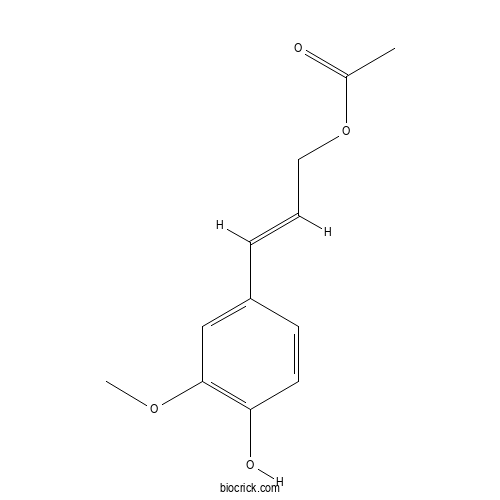
| Cas No. | 94930-81-1 | SDF | File under preparation. |
| PubChem ID | 12835430.0 | Appearance | Powder |
| Formula | C12H14O4 | M.Wt | 222.2 |
| Type of Compound | N/A | Storage | Desiccate at -20°C |
| Solubility | Soluble in Chloroform,Dichloromethane,Ethyl Acetate,DMSO,Acetone,etc. | ||
| Chemical Name | [(E)-3-(4-hydroxy-3-methoxyphenyl)prop-2-enyl] acetate | ||
| SMILES | CC(=O)OCC=CC1=CC(=C(C=C1)O)OC | ||
| Standard InChIKey | XLZFUNZRKIQHOL-ONEGZZNKSA-N | ||
| Standard InChI | InChI=1S/C12H14O4/c1-9(13)16-7-3-4-10-5-6-11(14)12(8-10)15-2/h3-6,8,14H,7H2,1-2H3/b4-3+ | ||
| General tips | For obtaining a higher solubility , please warm the tube at 37 ℃ and shake it in the ultrasonic bath for a while.Stock solution can be stored below -20℃ for several months. We recommend that you prepare and use the solution on the same day. However, if the test schedule requires, the stock solutions can be prepared in advance, and the stock solution must be sealed and stored below -20℃. In general, the stock solution can be kept for several months. Before use, we recommend that you leave the vial at room temperature for at least an hour before opening it. |
||
| About Packaging | 1. The packaging of the product may be reversed during transportation, cause the high purity compounds to adhere to the neck or cap of the vial.Take the vail out of its packaging and shake gently until the compounds fall to the bottom of the vial. 2. For liquid products, please centrifuge at 500xg to gather the liquid to the bottom of the vial. 3. Try to avoid loss or contamination during the experiment. |
||
| Shipping Condition | Packaging according to customer requirements(5mg, 10mg, 20mg and more). Ship via FedEx, DHL, UPS, EMS or other couriers with RT, or blue ice upon request. | ||
Quality Control & MSDS
3D structure
Package In Stock

Number of papers citing our products


Coniferyl acetate Dilution Calculator
Coniferyl acetate Molarity Calculator
-
 Coniferyl ferulateCatalog No.: BCN8543CAS No.: 63644-62-2
-
 Gamma-MethoxyisoeugenolCatalog No.: BCN3999CAS No.: 63644-71-3
-
 1,5-Bis(4-hydroxy-3-methoxyphenyl)penta-1,4-dieneCatalog No.: BCN1388CAS No.: 63644-68-8
-
 Coniferyl alcoholCatalog No.: BCN4651CAS No.: 32811-40-8
-
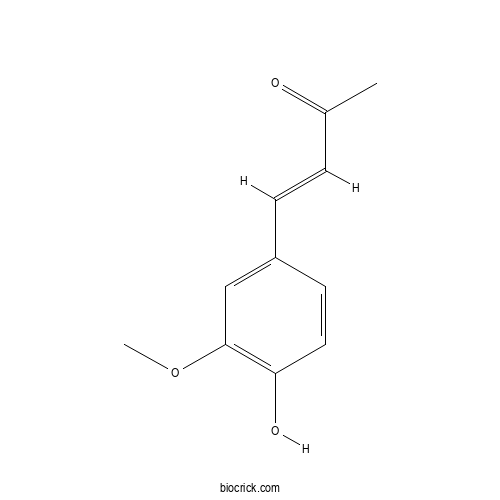 DehydrozingeroneCatalog No.: BCX0250CAS No.: 1080-12-2
-
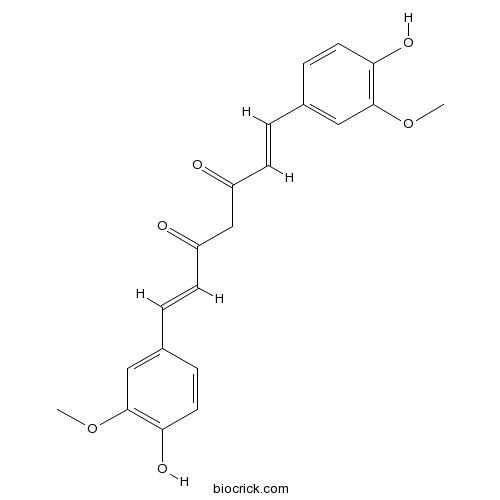 CurcuminCatalog No.: BCN5504CAS No.: 458-37-7
| 1 mg | 5 mg | 10 mg | 20 mg | 25 mg | |
| 1 mM | 4.5005 mL | 22.5023 mL | 45.0045 mL | 90.009 mL | 112.5113 mL |
| 5 mM | 0.9001 mL | 4.5005 mL | 9.0009 mL | 18.0018 mL | 22.5023 mL |
| 10 mM | 0.45 mL | 2.2502 mL | 4.5005 mL | 9.0009 mL | 11.2511 mL |
| 50 mM | 0.09 mL | 0.45 mL | 0.9001 mL | 1.8002 mL | 2.2502 mL |
| 100 mM | 0.045 mL | 0.225 mL | 0.45 mL | 0.9001 mL | 1.1251 mL |
| * Note: If you are in the process of experiment, it's necessary to make the dilution ratios of the samples. The dilution data above is only for reference. Normally, it's can get a better solubility within lower of Concentrations. | |||||
- Scinamine C
Catalog No.:BCX2254
CAS No.:2184979-75-5
- 3''-Hydroxypyrrolezanthine
Catalog No.:BCX2253
CAS No.:2647391-04-4
- Lyxose
Catalog No.:BCX2252
CAS No.:65-42-9
- 3'-O-Methylhesperidin
Catalog No.:BCX2251
CAS No.:28034-80-2
- Benzoic acid,2-[(5,10-dihydro-3,7,8-trihydroxy-5,10-dioxo...
Catalog No.:BCX2910
CAS No.:60202-70-2
- Osmanthuside B
Catalog No.:BCX2909
CAS No.:94492-23-6
- Podoverine A
Catalog No.:BCX2908
CAS No.:107882-43-9
- Benzoic acid,2-(5,10-dihydro-2,3,7,8-tetrahydroxy...
Catalog No.:BCX2907
CAS No.:103744-88-3
- Bacogenin A4 (Ebelinlacton)
Catalog No.:BCX2906
CAS No.:3649-76-1
- Feruloylputrescine
Catalog No.:BCX2905
CAS No.:501-13-3
- Cistanoside D
Catalog No.:BCX2904
CAS No.:94492-21-4
- 4-Hepten-3-one, 1,7-diphenyl-, (4E)-
Catalog No.:BCX2903
CAS No.:170033-27-9
- Tryptamine
Catalog No.:BCX2256
CAS No.:61-54-1
- Benzil
Catalog No.:BCX2257
CAS No.:134-81-6
- Lobetyolin
Catalog No.:BCX2258
CAS No.:129277-38-9
- 4-(2-(Carboxymethyl)-3,5-dihydroxyphenoxy)benzoic acid
Catalog No.:BCX2259
CAS No.:2193189-82-9
- 4,5-Di-O-caffeoylquinic acid
Catalog No.:BCX2260
CAS No.:89886-30-6
- Malic acid
Catalog No.:BCX2261
CAS No.:636-61-3
- Picropodophyllin
Catalog No.:BCX2262
CAS No.:477-47-4
- α-Santalene
Catalog No.:BCX2263
CAS No.:512-61-8
- Valerianol
Catalog No.:BCX2264
CAS No.:20489-45-6
- 7-epi-Teucrenone
Catalog No.:BCX2265
CAS No.:165898-48-6
- Isosyringinoside
Catalog No.:BCX2266
CAS No.:152686-85-6
- Taccalonolide Q
Catalog No.:BCX2267
CAS No.:488791-19-1
A t-anol/isoeugenol synthase responsible for converting coumaryl acetate to t-anol in Illicium verum.[Pubmed:40129382]
Sci Prog. 2025 Jan-Mar;108(1):368504251325630.
OBJECTIVE: Illicium verum is an endemic plant of southern China, which is the primary country for its production. Trans-anethole (t-anethole) is the key component of the volatile aromatic essence in I. verum, and it has therapeutic effects such as anti-cancer and anti-diabetes. However, its biosynthetic pathway in I. verum is rarely reported. METHODS: In the present study, we cloned and expressed the cDNA encoding t-anol/isoeugenol synthase (IvAIS1) in Escherichia coli. The characteristics of the IvAIS1 were determined and its gene expression in different tissues was measured by real-time polymerase chain reaction. RESULTS: The IvAIS1 protein is 76% identical to Schisandra chinensis isoeugenol synthase, and the two proteins were clustered closely together in the clade of IGS and EGS. IvAIS1 exhibits NADPH-dependent enzyme activity and dual product specificity, and it converts coumaryl acetate and Coniferyl acetate to t-anol (the precursor of t-anethole) and isoeugenol, respectively. The Km values for Coniferyl acetate and coumaryl acetate were 438.4 +/- 44.3 muM and 480.30 +/- 86.61 muM, respectively. The catalytic efficiency of IvAIS1 for Coniferyl acetate was found to be higher than that for coumaryl acetate. The gene expression profiles showed that IvAIS1 accumulated in the roots, leaves, and fruits, but the levels were relatively low in the stems and flowers of I. verum. CONCLUSIONS: This study showed a putative t-anol/isoeugenol synthase responsible for converting coumaryl acetate to t-anol in I. verum. It expands our current knowledge of the enzymes involved in t-anethole biosynthesis.
Rootstock Selection for Resisting Cucumber Fusarium Wilt in Hainan and Corresponding Transcriptome and Metabolome Analysis.[Pubmed:39942921]
Plants (Basel). 2025 Jan 24;14(3):359.
Soilborne diseases are important problems in modern agricultural production. Fusarium oxysporum f. sp. cucumerinum (FOC) is one of the predominant soilborne pathogens threatening cucumber cultivation, especially in Hainan, China. This study assessed FOC-resistant rootstocks using incidence rate, disease severity index (DSI), and area under the disease severity index curve (AUDRC), revealing "JinJiaZhen (Mc-4)" as resistant and "JinGangZhuan 1901 (Mc-18)" as susceptible. Comprehensive transcriptome and metabolome analyses were conducted to investigate the defense mechanisms of these rootstocks, revealing key pathways, such as the mitogen-activated protein kinase (MAPK) signaling pathway, starch and sucrose metabolism, and phenylpropanoid biosynthesis, which are crucial for plant disease resistance. Additionally, the study compared the resistance mechanisms of two other rootstocks, Mc-4 and Mc-18, against FOC infection through transcriptomic and metabolomic analyses. Mc-4 exhibited a higher number of differentially expressed genes (DEGs) related to phenylpropanoid biosynthesis compared to Mc-18. Untargeted metabolomics identified 4093 metabolites, with phenylpropanoid biosynthesis, isoquinoline alkaloid biosynthesis, and porphyrin metabolism as primary annotated pathways. On the sixth day post-inoculation, when the number of DEGs and differentially accumulated metabolites (DAMs) was highest, phenylpropanoid biosynthesis emerged as a key pathway in Mc-4, with 37 DEGs and 8 DAMs identified. Notably, Mc-4 showed upregulated expression of genes encoding enzymes involved in phenylpropanoid biosynthesis and increased accumulation of related metabolites, such as coniferyl-aldehyde, coniferyl alcohol, and Coniferyl acetate. These findings highlight the differential defense mechanisms between resistant and sensitive rootstocks and provide insights into plant-pathogen interactions. This study's results will contribute to the development of better and disease-free cucumber varieties, promoting sustainable agriculture.
Genome-Wide Analysis and Characterization of the SDR Gene Superfamily in Cinnamomum camphora and Identification of Synthase for Eugenol Biosynthesis.[Pubmed:39337570]
Int J Mol Sci. 2024 Sep 19;25(18):10084.
Short-chain dehydrogenase/reductases (SDRs) are the largest NAD(H)-dependent oxidoreductase superfamilies and are involved in diverse metabolisms. This study presents a comprehensive genomic analysis of the SDR superfamily in Cinnamomum camphora, a species that is one of the most significant woody essential oil plants in southern China. We identify a total of 222 CcSDR proteins and classify them into five types based on their cofactor-binding and active sites: 'atypical', 'classic', 'divergent', 'extended', and 'unknown'. Phylogenetic analysis reveals three evolutionary branches within the CcSDR proteins, and further categorization using the SDR-initiative Hidden Markov model resulted in 46 families, with the CcSDR110C, CcSDR108E, and CcSDR460A families being the most populous. Collinearity analysis identified 34 pairs of CcSDR paralogs in C. camphora, 141 pairs of SDR orthologs between C. camphora and Populus trichocarpa, and 59 pairs between C. camphora and Oryza sativa. Expression profile analysis indicates a preference for the expression of 77 CcSDR genes in specific organs such as flowers, bark, twigs, roots, leaves, or fruits. Moreover, 77 genes exhibit differential expression patterns during the four developmental stages of leaves, while 130 genes show variance across the five developmental stages of fruits. Additionally, to explore the biosynthetic mechanism of methyl eugenol, a key component of the leaf essential oil in the methyl eugenol chemotype, this study also identifies eugenol synthase (EGS) within the CcSDR460A family through an integrated strategy. Real-time quantitative PCR analysis demonstrates that the expression of CcEGS in the leaves of the methyl eugenol chemotype is more than fourfold higher compared to other chemotypes. When heterologously expressed in Escherichia coli, it catalyzes the conversion of Coniferyl acetate into a mixture predominantly composed of eugenol (71.44%) and isoeugenol (21.35%). These insights pave the way for future research into the functional diversity of CcSDR genes, with a focus on secondary metabolism.
Dual catalytic potential of isoeugenol synthase in Asarum sieboldii Miq. (AsIGS): Unveiling isoeugenol preference in vitro and eugenol production in vivo, with insights into hydrogen bonding influence.[Pubmed:39236971]
Gene. 2025 Jan 15;933:148919.
Asarum sieboldii Miq. is an important medicinal plant valued for its diverse health benefits in the pharmaceutical industry. In the present study, we isolated and characterized isoeugenol synthase from A. sieboldii (AsIGS), an essential enzyme involved in the biosynthesis of volatile phenylpropenes. We hoped to elucidate the secondary metabolic network of eugenol in A. sieboldii plants, which constructed the prerequisite for quality improvement of the well-known TCM Asari Radix et Rhizoma. Bioinformatics analysis revealed high similarity between the DNA sequences of AsIGS and isoeugenol synthase genes from other plants, and that the association of the candidate protein AsIGS with the PIP reductase family. Moreover, the AsIGS protein displayed a molecular weight of about 34.96 kDa, with a theoretical isoelectric point of 6.01 and an average hydrophobicity of -0.092, indicating the protein's partial acidity, stability, and hydrophilic nature. Phylogenetic analysis showed that AsIGS had a close relationship with isoeugenol synthases and fewer eugenol synthases found in other species. Alphafold2 predicted the structure of the AsIGS protein, and CB-Dock2 predicted the binding sites of the ASIGS-NADPH-Coniferyl acetate ternary complex. In vitro enzymatic assay results demonstrated that the optimal temperature of the AsIGS-involved catalysis for Coniferyl acetate was 30 degrees C, and several kinetics parameters were Km (12.21 mM), Vmax (27.9 U/mg), kcat (76.26 s(-1)), and kcat/Km (6.49 s(-1).mM(-1)). Furthermore, it was also determined that the AsIGS protein had varying performance at different pH levels. While the candidate protein converted Coniferyl acetate into both isoeugenol and eugenol at pH 5.5, it just catalyzed the production of isoeugenol at pH 6.5. However, isoeugenol has never been detected in A. sieboldii. Altering AsIGS expression in transgenic plants impacted only eugenol contents. Compared with wild type, overexpression of AsIGS increased eugenol content by 23.3 %, while RNAi-induced down-regulation of AsIGS decreased it by 25.3 %. Taken together, these results confirmed that the AsIGS gene was involved in the biosynthesis of eugenol in A. sieboldii with a dual catalytic potential.
Bioproduction of methylated phenylpropenes and isoeugenol in Escherichia coli.[Pubmed:38799229]
Metab Eng Commun. 2024 May 15;18:e00237.
Phenylpropenes are a class of natural products that are synthesised by a vast range of plant species and hold considerable promise in the flavour and fragrance industries. Many in vitro studies have been carried out to elucidate and characterise the enzymes responsible for the production of these volatile compounds. However, there is a scarcity of studies demonstrating the in vivo production of phenylpropenes in microbial cell factories. In this study, we engineered Escherichia coli to produce methylchavicol, methyleugenol and isoeugenol from their respective phenylacrylic acid precursors. We achieved this by extending and modifying a previously optimised heterologous pathway for the biosynthesis of chavicol and eugenol. We explored the potential of six S-adenosyl l-methionine (SAM)-dependent O-methyltransferases to produce methylchavicol and methyleugenol from chavicol and eugenol, respectively. Additionally, we examined two isoeugenol synthases for the production of isoeugenol from Coniferyl acetate. The best-performing strains in this study were able to achieve titres of 13 mg L(-1) methylchavicol, 59 mg L(-1) methyleugenol and 361 mg L(-1) isoeugenol after feeding with their appropriate phenylacrylic acid substrates. We were able to further increase the methyleugenol titre to 117 mg L(-1) by supplementation with methionine to facilitate SAM recycling. Moreover, we report the biosynthesis of methylchavicol and methyleugenol from l-tyrosine through pathways involving six and eight enzymatic steps, respectively.
Identification and Functional Characterization of a Novel Sinapyl Alcohol Acyltransferase from Euphorbia lathyris L.[Pubmed:38044624]
J Agric Food Chem. 2023 Dec 20;71(50):20187-20197.
Methoxyeugenol is a phenylpropene compound derived from plants and has various bioactivities. The chemical synthesis of methoxyeugenol is accompanied by pollution issues, whereas extraction from plants is associated with problems such as low yield and high cost. The production of methoxyeugenol can be effectively addressed through an enzymatic approach. In this study, the acyltransferase genes of Euphorbia lathyris L. were screened by homologous alignment of the transcriptome data of E. lathyris in the late growth stage and the acyltransferase genes of the closely related plant species. The results showed that ElBAHD10 had the closest relationship with earlier reported ScCFAT and PhCFAT, which were found to catalyze the reaction of coniferyl alcohol to generate Coniferyl acetate. The ElBAHD10 gene was successfully cloned from E. lathyris and subsequently expressed in Escherichia coli. The purified protein ElBAHD10 catalyzed the reaction of sinapyl alcohol with acetyl CoA and cinnamoyl CoA to form sinapyl acetate and sinapyl cinnamate, respectively. In contrast, the crude ElBAHD10 protein could catalyze sinapyl alcohol to directly generate methoxyeugenol. The recombinant E. coli strain expressing ElBAHD10 produced methoxyeugenol through whole-cell transformation. This study provides insights and lays the foundation for methoxyeugenol production through biosynthetic approaches.

Calcutta University

University of Minnesota

University of Maryland School of Medicine

University of Illinois at Chicago

The Ohio State University

University of Zurich

Harvard University

Colorado State University

Auburn University

Yale University

Worcester Polytechnic Institute

Washington State University

Stanford University

University of Leipzig

Universidade da Beira Interior

The Institute of Cancer Research

Heidelberg University

University of Amsterdam

University of Auckland

TsingHua University

The University of Michigan

Miami University

DRURY University

Jilin University

Fudan University

Wuhan University

Sun Yat-sen University

Universite de Paris

Deemed University

Auckland University

The University of Tokyo

Korea University



