
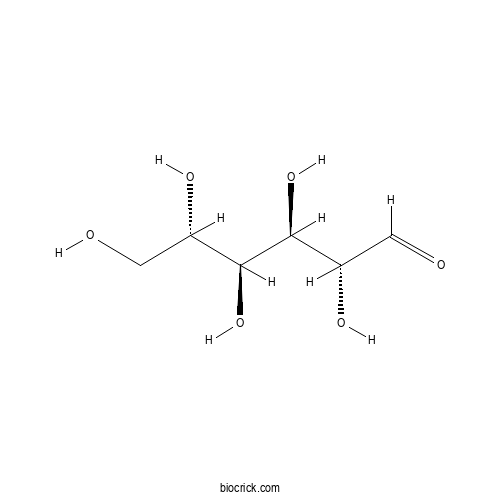
LyxoseCAS# 65-42-9 |
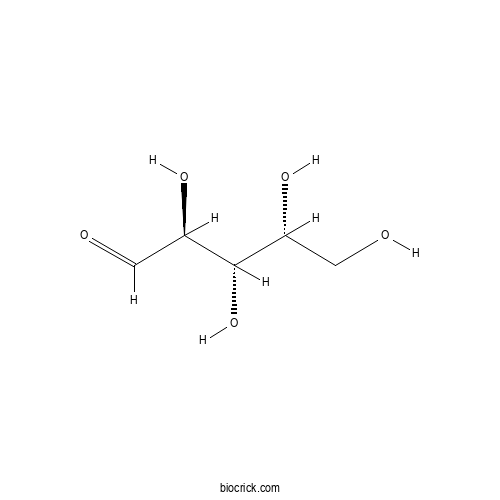
| Cas No. | 65-42-9 | SDF | File under preparation. |
| PubChem ID | 65550.0 | Appearance | Powder |
| Formula | C5H10O5 | M.Wt | 150.1 |
| Type of Compound | N/A | Storage | Desiccate at -20°C |
| Solubility | Soluble in Chloroform,Dichloromethane,Ethyl Acetate,DMSO,Acetone,etc. | ||
| Chemical Name | (2S,3S,4R)-2,3,4,5-tetrahydroxypentanal | ||
| SMILES | C(C(C(C(C=O)O)O)O)O | ||
| Standard InChIKey | PYMYPHUHKUWMLA-UOWFLXDJSA-N | ||
| Standard InChI | InChI=1S/C5H10O5/c6-1-3(8)5(10)4(9)2-7/h1,3-5,7-10H,2H2/t3-,4-,5-/m1/s1 | ||
| General tips | For obtaining a higher solubility , please warm the tube at 37 ℃ and shake it in the ultrasonic bath for a while.Stock solution can be stored below -20℃ for several months. We recommend that you prepare and use the solution on the same day. However, if the test schedule requires, the stock solutions can be prepared in advance, and the stock solution must be sealed and stored below -20℃. In general, the stock solution can be kept for several months. Before use, we recommend that you leave the vial at room temperature for at least an hour before opening it. |
||
| About Packaging | 1. The packaging of the product may be reversed during transportation, cause the high purity compounds to adhere to the neck or cap of the vial.Take the vail out of its packaging and shake gently until the compounds fall to the bottom of the vial. 2. For liquid products, please centrifuge at 500xg to gather the liquid to the bottom of the vial. 3. Try to avoid loss or contamination during the experiment. |
||
| Shipping Condition | Packaging according to customer requirements(5mg, 10mg, 20mg and more). Ship via FedEx, DHL, UPS, EMS or other couriers with RT, or blue ice upon request. | ||
Quality Control & MSDS
3D structure
Package In Stock

Number of papers citing our products


Lyxose Dilution Calculator
Lyxose Molarity Calculator
-
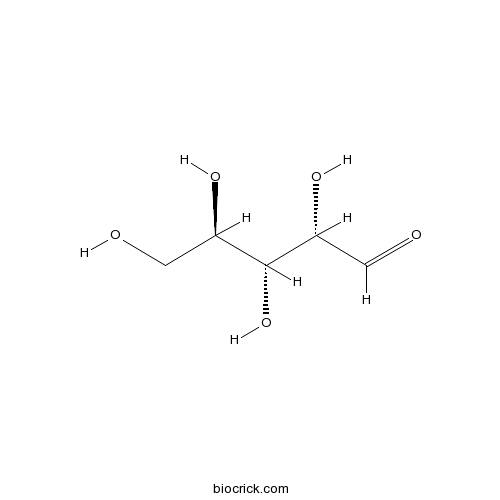 D-ArabinoseCatalog No.: BCN3791CAS No.: 10323-20-3
-
 D-(+)-XyloseCatalog No.: BCN1010CAS No.: 58-86-6
-
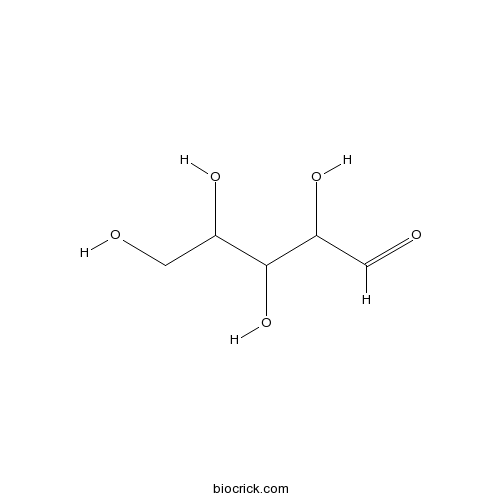 DL-ArabinoseCatalog No.: BCN8541CAS No.: 147-81-9
-
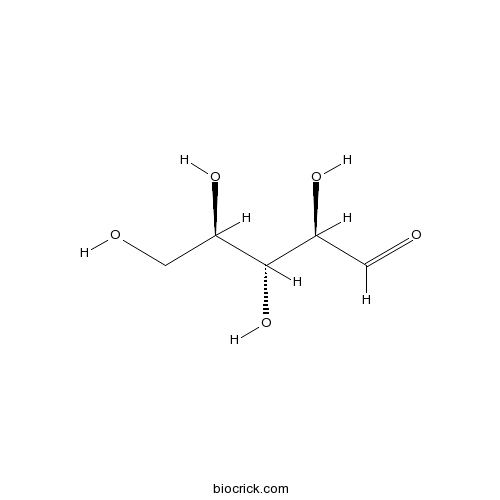 D-RiboseCatalog No.: BCN9063CAS No.: 50-69-1
-
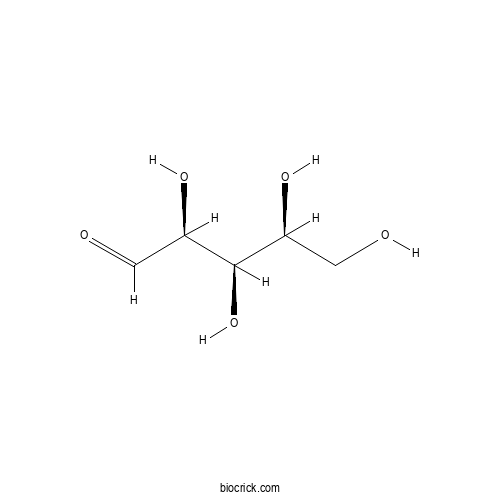 L-xyloseCatalog No.: BCX0644CAS No.: 609-06-3
-
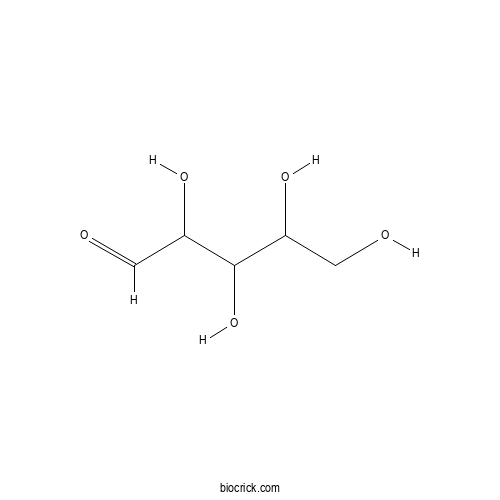 D-LyxoseCatalog No.: BCX0719CAS No.: 1114-34-7
-
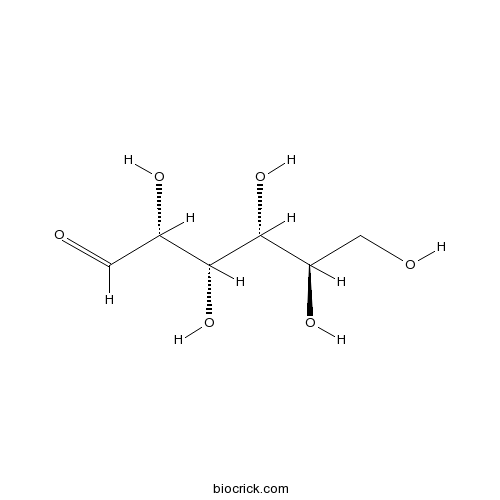 D-(+)-GlucoseCatalog No.: BCN1259CAS No.: 50-99-7
-
 β-D-AlloseCatalog No.: BCN0445CAS No.: 2595-97-3
-
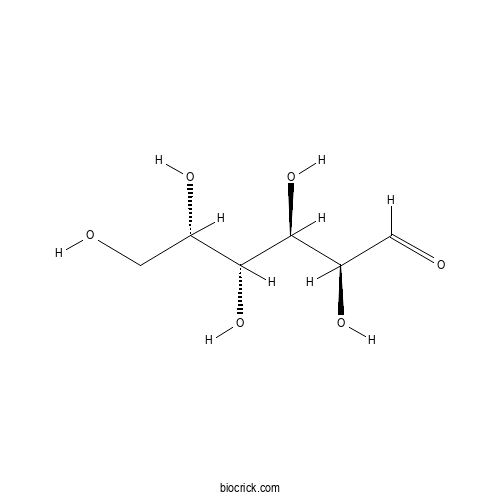 L-GalactoseCatalog No.: BCX2333CAS No.: 15572-79-9
-
 L-MannoseCatalog No.: BCX2334CAS No.: 10030-80-5
| 1 mg | 5 mg | 10 mg | 20 mg | 25 mg | |
| 1 mM | 6.6622 mL | 33.3111 mL | 66.6223 mL | 133.2445 mL | 166.5556 mL |
| 5 mM | 1.3324 mL | 6.6622 mL | 13.3245 mL | 26.6489 mL | 33.3111 mL |
| 10 mM | 0.6662 mL | 3.3311 mL | 6.6622 mL | 13.3245 mL | 16.6556 mL |
| 50 mM | 0.1332 mL | 0.6662 mL | 1.3324 mL | 2.6649 mL | 3.3311 mL |
| 100 mM | 0.0666 mL | 0.3331 mL | 0.6662 mL | 1.3324 mL | 1.6656 mL |
| * Note: If you are in the process of experiment, it's necessary to make the dilution ratios of the samples. The dilution data above is only for reference. Normally, it's can get a better solubility within lower of Concentrations. | |||||
- 3'-O-Methylhesperidin
Catalog No.:BCX2251
CAS No.:28034-80-2
- Benzoic acid,2-[(5,10-dihydro-3,7,8-trihydroxy-5,10-dioxo...
Catalog No.:BCX2910
CAS No.:60202-70-2
- Osmanthuside B
Catalog No.:BCX2909
CAS No.:94492-23-6
- Podoverine A
Catalog No.:BCX2908
CAS No.:107882-43-9
- Benzoic acid,2-(5,10-dihydro-2,3,7,8-tetrahydroxy...
Catalog No.:BCX2907
CAS No.:103744-88-3
- Bacogenin A4 (Ebelinlacton)
Catalog No.:BCX2906
CAS No.:3649-76-1
- Feruloylputrescine
Catalog No.:BCX2905
CAS No.:501-13-3
- Cistanoside D
Catalog No.:BCX2904
CAS No.:94492-21-4
- 4-Hepten-3-one, 1,7-diphenyl-, (4E)-
Catalog No.:BCX2903
CAS No.:170033-27-9
- 4-Hepten-3-one, 7-(4-hydroxy-3-methoxyphenyl)-1-phenyl-, (4E)
Catalog No.:BCX2902
CAS No.:478314-07-7
- 5-hydroxy-1,7-diphenyl-3-heptanone
Catalog No.:BCX2901
CAS No.:55836-43-6
- Cimiciphenone
Catalog No.:BCX2900
CAS No.:863604-14-2
- 3''-Hydroxypyrrolezanthine
Catalog No.:BCX2253
CAS No.:2647391-04-4
- Scinamine C
Catalog No.:BCX2254
CAS No.:2184979-75-5
- Coniferyl acetate
Catalog No.:BCX2255
CAS No.:94930-81-1
- Tryptamine
Catalog No.:BCX2256
CAS No.:61-54-1
- Benzil
Catalog No.:BCX2257
CAS No.:134-81-6
- Lobetyolin
Catalog No.:BCX2258
CAS No.:129277-38-9
- 4-(2-(Carboxymethyl)-3,5-dihydroxyphenoxy)benzoic acid
Catalog No.:BCX2259
CAS No.:2193189-82-9
- 4,5-Di-O-caffeoylquinic acid
Catalog No.:BCX2260
CAS No.:89886-30-6
- Malic acid
Catalog No.:BCX2261
CAS No.:636-61-3
- Picropodophyllin
Catalog No.:BCX2262
CAS No.:477-47-4
- α-Santalene
Catalog No.:BCX2263
CAS No.:512-61-8
- Valerianol
Catalog No.:BCX2264
CAS No.:20489-45-6
High-Throughput Analysis Reveals Stable Metabolome of Paxillus involutus Under White Light Exposure Despite Reduced Mycelium Growth.[Pubmed:42653408]
Int J Mol Sci. 2026 Aug 19;27(16):7405.
Ectomycorrhizal fungi are rarely exposed to light in their natural soil habitat, and, in consequence, the metabolic effects of light exposure on mycelia's molecular status remain largely uncharacterized. Meanwhile, such information may fill knowledge gaps and provide baseline data to understand their ecological resilience, abiotic stress responses, and metabolic regulation. This study analyzed the impact of white light on the metabolome of the ectomycorrhizal fungus Paxillus involutus. Mycelia were grown for six weeks under darkness (control) and white light conditions (150 mumol.m(-2).s(-1); 16/8 day/night periods). Treated mycelia were characterized by phenotypic alterations, mainly decreased growth and formation of more compact hyphal biomass. Although treated Paxillus had increased H(2)O(2) concentrations, P. involutus exposed to light had unchanged malondialdehyde (MDA) levels, indicating that light exposure does not lead to severe oxidative stress. Indeed, a high-throughput GC-MS study revealed that the metabolome of mycelia exposed to light did not differ significantly from that of the controls, with only a few compounds showing altered abundances, all of which were more abundant in the light-exposed treatment. Lyxose and ribitol showed significant differences between treatments based on unadjusted p-values, as confirmed by individual t-tests, whereas only xylonic acid remained significant after FDR correction (alpha = 0.05). This finding is consistent with the overall pattern observed in the PCA and suggests that subtle changes in metabolite abundances may contribute to the observed phenotypic modifications. This first high-throughput metabolomic analysis of ectomycorrhizal mycelium exposed to light indicates that, although light is commonly considered a stress factor for soil fungi, it does not cause significant modifications in the Paxillus involutus metabolome, despite visible phenotypic changes in the mycelium. Although this study focuses solely on mycelium and does not investigate different light spectra, it may help explain potential implications for symbiotic plant interactions under fluctuating light conditions in soil ecosystems.
Metabolomic Profiling of Endomyces magnusii During Long-Term Cultivation on Glycerol and Glucose.[Pubmed:42646119]
J Fungi (Basel). 2026 Aug 10;12(8):592.
INTRODUCTION: The study purpose was to identify possible key metabolites that determine the adaptation of the Endomyces magnusii yeast to long-term cultivation (four weeks) using glycerol as an "oxidative" and glucose as a "fermentative" substrate. METHODS: The metabolic profile was assayed using gas chromatography combined with mass spectrometry, followed by bioinformatic analysis (PARADISe, Golm metabolome database (GMD), MassBank, UniChrom). RESULTS: PCA and PLS-DA analyses showed that the type of carbon source contributed significantly to the overall variability of the data, and the greatest variance was observed for the groups grown on different substrates for the first cultivation week. Growth on glycerol increased the chronological lifespan of E. magnusii due to the early launch of adaptive oxidative stress, the active use of lipids as an energy source, the accumulation of membrane sterols, osmo-protective polyols, organic acids (malic, methyl glycerinic, palmitic, linoleic), and some sugars (Lyxose, galactose), which increased the overall resistance and maintained high cell survival. On the contrary, cultivation using glucose provoked a sharp substrate depletion, inducing passive storage of sugars (trehalose), diauxic shock, and less effective antioxidant protection, which provided lower cell survival upon prolonged growth. CONCLUSIONS: (1) Metabolic signs associated with prolonged culturing were identified in all the compounds classes tested (polyols, fatty acids, lactones); (2) some metabolites (in particular, dulcitol), being hypothetical biomarkers of aging, are at the same time protective agents involved in the adaptation of yeast cells to the deep stationary growth stages. Our data can serve as a basis for comparative studies of aging-related metabolism in other eukaryotic models.
Ultrasound-assisted valorization of Posidonia oceanica polysaccharides: Discovery of novel monosaccharides and enhanced multifunctional bioactivity.[Pubmed:42140302]
Int J Biol Macromol. 2026 Jun;366:152553.
Posidonia oceanica, a Mediterranean seagrass, represents a promising marine resource for the production of high-value polysaccharides with potential industrial and biomedical applications. In this study, ultrasound-assisted extraction (UAE) was deliberately applied under non-optimized conditions to investigate its impact on the structure of polysaccharides obtained from P. oceanica leaves (MKF) and rhizomes (MKR), yielding 0.63% and 0.43% (w/w), respectively. GC-MS analysis of MKF revealed a diverse monosaccharide profile, including xylose (22.7%), arabinose (21.7%), glucose (16.3%), rhamnose (13.2%), and, for the first time in Posidonia oceanica, tentatively identified talose (7.2%), Lyxose (7.7%), and fucose (4.0%). Molecular weight determination via size-exclusion Chromatography showed 394,000 g.mol(-1) for MKF and 180,000 g.mol(-1) for MKR. Leaf-derived polysaccharides exhibited significantly stronger antioxidant activity (DPPH IC(5)(0) = 10.91 +/- 0.70 mug/mL; ABTS IC(5)(0) = 6.78 +/- 0.07 mug/mL) compared to rhizome extracts. Both extracts demonstrated high photoprotective potential (SPF = 42.3 and 39.3 for MKF and MKR, respectively) and substantial antiviral potency toward type 2 herpes simplex virus, with selectivity indices of 750-850 and no detectable cytotoxicity up to 2500 mug/mL. These results suggest that ultrasound-induced structural modifications enhance the bioactivity of P. oceanica polysaccharides, positioning them as multifunctional biomolecules with potential applications in pharmaceuticals, cosmeceuticals, and other industrial sectors.
Serum metabolites in relation to kidney function in non-transplant and kidney transplant settings using gas chromatography-mass spectrometry.[Pubmed:42056966]
BMC Nephrol. 2026 Apr 29;27(1):373.
BACKGROUND: Metabolic disorders are highly prevalent in patients with native and transplanted chronic kidney disease (CKD). However, little is known about the metabolic similarities and differences associated with declining kidney function between non-transplant patients and kidney transplant recipients (KTRs). METHODS: This cross-sectional study employed gas chromatography-mass spectrometry to compare serum metabolomic profiles among native CKD subgroups and KTR subgroups, aiming to identify differential metabolites associated with kidney dysfunction in both clinical settings. RESULTS: 11 and 13 metabolites were associated with kidney dysfunction in native CKD patients and KTRs, respectively. Among these, L-tryptophan, D-Lyxose, xylitol, erythritol, 3,4-dihydroxybutanoic acid and 2,4-dihydroxybutanoic acid were selected as common differential metabolites in both cohorts. Pathway analysis revealed that the pentose and glucuronate interconversions pathway was significantly affected in native CKD patients, whereas phenylalanine, tyrosine, and tryptophan biosynthesis pathway and tyrosine metabolism pathway were the most affected pathways in KTRs. Further comparisons between native CKD and KTRs who were at the same kidney dysfunction stages demonstrated that KTRs showed significantly higher levels of malic acid, but lower levels of D-allose compared to native CKD patients. CONCLUSIONS: Our study not only identified the 6 metabolites associated with kidney function in both non-transplant patients and KTRs, but also determined 5 and 7 metabolites that were specifically associated with kidney dysfunction in native CKD patients and KTRs, respectively. These data suggest that the metabolic process may be influenced by the unique characteristics of kidney transplantation, such as allogeneic immunity and immunosuppressive drugs, in KTRs.
Abiotic sugar enantiomers in the CI carbonaceous chondrite Orgueil.[Pubmed:41593055]
Nat Commun. 2026 Jan 27;17(1):2060.
The uneven detection of prebiotic organic compounds in meteorites-where amino acids and nucleobases are commonly identified but sugars remain rare and poorly characterized-limits our understanding of extraterrestrial organic chemistry. This discrepancy is striking given that laboratory simulations of interstellar ice chemistry readily produce complex sugars. Here we report the simultaneous analysis of sugar and amino acid enantiomers in a meteorite sample. Multiple aldoses were detected in the Orgueil meteorite, including ribose, arabinose, xylose, Lyxose, and the ketopentose ribulose, several of which display near-racemic distributions consistent with an extraterrestrial origin. Recovery experiments demonstrate that sugar abundances are severely underestimated. Despite this limitation, pentose abundances are comparable to those of some C4-C5 amino acid enantiomers, implying higher true concentrations. These results indicate efficient abiotic sugar formation in space and suggest that meteorites may have delivered a broader range of prebiotically relevant sugars to early Earth than previously recognized.
Auricularia auricula polysaccharides intervention in vivo: inhibition of endogenous malodorous gas compounds through gut regulation and enhanced liver metabolism.[Pubmed:41539758]
Food Res Int. 2026 Feb 28;226:118122.
High-fat and high-protein diets increase susceptibility to endogenous malodorous gas compounds (EMGCs), particularly in long-term enclosed environments with limited nutrients. Auricularia auricula polysaccharides (AAP) are proposed to mitigate protein residues fermentation by gut microbiota, thereby reducing EMGCs accumulation and benefiting both health and environmental quality. This study elucidated the prebiotic mechanisms of AAP via rat interventions, fecal microbiota transplantation in pseudo-sterile rats, and in vitro fermentation with AAP-derived functional components and specific bacterial strains. Results demonstrated that AAP intervention effectively reduced EMGCs levels in feces and adipose tissue induced by high-fat and high-protein diets. The degradation products of AAP, including mannitol, lactose, and Lyxose, along with reshaped gut microbiota, especially the functional strain Bacteroides xylanisolvens, all exhibited independent EMGCs-inhibiting activities. Mechanistically, AAP or its degradation products enhanced hepatic CYP450 expression through bile acid-mediated enterohepatic circulation, forming a gut-liver axis for EMGCs suppression. Additionally, gut metabolites lactose and maltose promoted colonic carbohydrate absorption, hepatic Col5a3 and Col1a1 enhanced hepatic protein absorption. Upregulated gut metabolites (histidine, choline bitartrate, lactose, maltose) and hepatic genes (Abcg8, Abcb9) enriched the ABC transporter pathway, expediting hepatic EMGCs excretion. This study supports AAP as a dietary supplement to inhibit EMGCs, ensuring environmental livability and health.
Production of rare sugars by transketolase in combination with ketose 3-epimerase.[Pubmed:41203355]
Methods Enzymol. 2025;722:429-446.
Transketolase is an enzyme of the pentose phosphate pathway, and catalyzes the transfer of a 2-carbon unit from d-xylulose-5-phosphate to d-ribose-5-phosphate, to form d-sedoheptulose-7-phosphate (7-carbon ketose). Transketolase can also recognize non-phosphorylated monosaccharides as substrates, to form non-phosphorylated 7-carbon ketoses (heptuloses). In nature, monosaccharides are usually composed of 3-6 carbons, and higher carbon sugars composed of 7 or more carbons are rare. The higher carbon sugars may exhibit unknown, interesting bioactivity, and a method for their mass production should be established. Transketolase can form a C-C covalent bond, and is expected to show marked potential as a biocatalyst to synthesize higher carbon sugars. We carried out determinations of the optimal pH and temperature on enzyme activity, and X-ray structure determination of Thermus thermophilus HB8 transketolase (TtTK), and revealed that TtTK can efficiently synthesize four heptuloses: d-sedoheptulose, l-glucoheptulose, d-idoheptulose, and l-galactoheptulose, from lithium hydroxypyruvate and non-phosphorylated aldopentoses, d-ribose, l-arabinose, d-xylose, and l-Lyxose, respectively. Transketolase is stereospecific and enantioselective to hydroxyaldehydes substrates (Cn) with an (2R) configuration resulting in the formation of d-threo (3S,4R) Cn+ 2 ketoses. Pseudomonas cichoriid-tagatose 3-epimerase (PcDTE) is a ketose 3-epimerase with a broad substrate specificity, and it was used for the production of a rare sugar, d-allulose from d-fructose (conversion rate: 25 %, purity: 99.5 %). We also clarified that PcDTE can successfully catalyze the epimerization at the 3-position of the four heptuloses obtained by TtTK, to give the four C3-epimers: d-alloheptulose, l-mannoheptulose, d-guloheptulose, and l-taloheptulose. These results demonstrate the potential of TtTK and PcDTE as enzymes producing heptuloses.
Redundant (15)N-Mediated J-Couplings Reveal an Aglycone Conformation in N-Phenyl Glycosylamines.[Pubmed:41169188]
J Org Chem. 2025 Nov 14;90(45):16047-16059.
Prediction of the conformation of novel N-glycomimetics is a crucial step in their rational design for drug discovery and glycobiology. We investigated the applicability of redundant (15)N-mediated J-couplings for predicting the aniline aglycone conformation in (15)N-labeled N-phenyl glycosylamines derived from d-glucose (d-Glc), d-mannose (d-Man), d-xylose (d-Xyl), and d-Lyxose (d-Lyx). The compounds were prepared directly in an NMR tube by reacting free sugar with (15)N-labeled aniline, achieving >90% conversion. The rate of N-phenyl glycosylamine formation depended on the concentration of an open-chain form of the sugar in the solution. In the closed form, the anilino substituent preferred equatorial orientation, which dictated the anomeric ratio and influenced the pyranose ring conformation, particularly in the case of d-Lyx and d-Xyl. The (15)N label localized near the conformationally perturbed region provided redundant (15)N-mediated J-couplings sensitive to the aniline aglycone conformation. By fitting the density functional theory (DFT)-calculated J-couplings of individual conformers to experimental data, we successfully predicted both the aniline aglycone conformation and the nitrogen atom configuration. Notably, the predicted major conformation of N-phenyl beta-d-mannopyranosylamine (6b) corresponded to the conformer observed in the crystal structure.
A broadly applicable stereospecific glycosylation.[Pubmed:41020174]
Nat Synth. 2025 Aug 12:10.1038/s44160-025-00846-z.
The development of a general strategy for stereospecific construction of every type of glycosidic linkage remains a much sought-after yet unrealized goal. Such a strategy would be particularly useful in the context of complex glycan syntheses. Glycosylations involving an S(N)2 mechanism are ideal to ensure stereospecificity but have been challenging to implement in a manner conferring generality across a range of sugars. Here we disclose a stereospecific glycosylation method that accommodates a broad range of monosaccharides, including hexopyranoses (for example, glucose, galactose, mannose, fucose, alluronate, 2-azido-2-deoxyglucose and 2-azido-2-deoxygalactose) and pentofuranoses (for example, arabinose, ribose, xylose and Lyxose). Mild activation with an electrophilic bromine reagent results in complete inversion of the anomeric configuration and excellent yields for many glycosylations. The method proved reliable in multistep oligosaccharide syntheses and automated glycan assembly.
Isolation, Structural Elucidation of Small-molecule Sugars from the Seeds of Licorice.[Pubmed:40947738]
Comb Chem High Throughput Screen. 2026;29(15):2267-2271.
INTRODUCTION: Much work on the chemical components and biological activities of licorice roots has been carried out, and many compounds have been isolated and confirmed from licorice roots already. However, little research on the isolation and confirmation of the chemical components from the seeds of licorice has been carried out till now. This work focuses on discovering new compounds from the seeds of licorice for the development of new drugs or drug candidates. METHODS: The extract of the licorice seeds was isolated by column chromatography (CC) together with recrystallization to obtain the pure compounds. Their structures were elucidated by NMR and single crystal X-ray diffraction (SC-XRD). RESULTS: Seven small-molecule sugars (1-7) [Methyl alpha-D-Galactopyranoside (1), Sucrose (2), alpha- L-Rhamnose (3), D-Xylose (4), alpha-D-Glucose (5), D-Galactose (6), D-Lyxose (7)] were isolated from the seeds of licorice for the first time. Their structures were confirmed by NMR and SCXRD. DISCUSSION: In this work, we isolated small-molecule sugars (1-7) from the seeds of licorice for the first time, and methyl alpha-D-Galactopyranoside (1) is a very scarce compound from the natural plant medicines, which was isolated from the seeds of licorice. CONCLUSION: The roots of licorice have been used in clinics as a Chinese traditional plant medicine for a long time, and much work on the chemical components and biological activities have been conducted. However, little research on the isolation and confirmation of the chemical components from the seeds of licorice has been carried out. This work provides the scientific basis for in-depth research on licorice seeds.
Synthetic Study of 8- and 9-Carbon Sugars by Transaldolase.[Pubmed:40668734]
J Agric Food Chem. 2025 Jul 30;73(30):18914-18922.
In nature, higher carbon sugars composed of 7 or more carbons exist in limited quantities. Since some higher carbon sugars have attracted attention due to their biological activities, it is necessary to develop a strategy to synthesize them. Transaldolase catalyzes the transfer of three-carbon units from d-fructose-6-phosphate (donor) to d-erythrulose-4-phosphate (acceptor) to produce d-sedoheptulose-7-phosphate. If transaldolase can recognize nonphosphorylated monosaccharides as substrates, it can synthesize 8-carbon octuloses and 9-carbon nonuloses using nonphosphorylated pentoses and hexoses as acceptors, respectively. We performed biochemical and structural characterization of thermophilic Thermus thermophilus HB8 transaldolase and successfully synthesized octuloses and nonuloses using nonphosphorylated aldoses as acceptors: d-ribose (conversion rate of 74%), d-xylose (55%), l-arabinose (49%), l-Lyxose (84%), d-allose (13%), d-galactose (56%), and l-altrose (71%). Products were identified by LC/MS and NMR spectroscopic analyses. X-ray structure of the enzyme showed that the wide and hydrophilic catalytic site facilitates the binding of nonphosphorylated aldoses as acceptors.
Selection of Ribofuranose-Isomer Among Pentoses by Phosphorylation with Diamidophosphate.[Pubmed:40577539]
Angew Chem Int Ed Engl. 2025 Aug 25;64(35):e202509810.
The unique structure-function relationship of the ribofuranose ring in RNA has inspired various chemical pathways to select for the ribofuranose form (over the ribopyranose form), especially in a prebiotic context. Herein we show that the reaction of diamidophosphate (DAP) with the four pentoses-ribose, arabinose, xylose, and Lyxose-naturally selects the ribofuranose form more efficiently when compared to the other three pentoses. All four pentoses form the initial diamidophosphate-adduct; however, ribose undergoes rapid conversion to ribofuranose-1,2- and 2,3-cyclicphosphate products, while the other three pentoses show significant accumulation of the initially formed DAP-adducts and slow conversion to the cyclicphosphate products. Arabinose and xylose show a distribution between furanose- and pyranose-1,2-cyclicphosphate products, while Lyxose forms the furanose-1,2- and pyranose-2,3-cyclicphosphate products. This trend is also manifested when starting from a mixture of pentoses where ribofuranose 1,2-amidocyclicphosphate dominates the product distribution. Such selection for ribofuranose among pentoses by phosphorylation i) provides another venue of how a ribofuranose structure can selectively emerge through abiotic chemical reaction suitable for elaboration toward RNA and ii) adds to the body of experimental work addressing the chemical origin of RNA.
Systematic synthesis of rare sugars and stereospecific conversion via photocatalysis.[Pubmed:40436901]
Sci Rep. 2025 May 28;15(1):18703.
Rare sugars have gained attention as potential raw materials for pharmaceuticals and functional foods. Photocatalysis presents a promising approach for rare sugar synthesis due to its mild reaction conditions and environmental compatibility. While previous photocatalytic methods reported individual routes for specific rare sugars, systematic synthesis through a unified methodology has not been achieved, and control of optical isomers remains insufficiently explored. This study investigated a comprehensive photocatalytic approach for the systematic conversion of monosaccharides with stereochemical configuration preservation. When D-glucose in aqueous solution underwent photocatalytic treatment under UV irradiation, D-arabinose formation was confirmed through HPLC, LCMS, and (1)H NMR analyses. Similarly, D-Lyxose, D-ribose, and D-xylose were produced from D-galactose, D-allose, and D-gulose, respectively. Further photocatalytic treatment of these aldopentoses yielded corresponding aldotetroses-D-erythrose from D-ribose and D-arabinose, and D-threose from D-Lyxose and D-xylose. This demonstrated successful systematic conversion from aldohexoses to aldopentoses and subsequently to aldotetroses in a single reaction system. Moreover, when L-glucose and L-arabinose were used as starting materials, L-arabinose and L-erythrose were obtained, respectively, confirming stereochemical configuration preservation throughout the conversion process. This method provides a systematic approach for rare sugar synthesis while controlling stereochemical configurations.
The use of isomerases and epimerases for the production of the functional sugars mannose, allulose and tagatose from Fructose.[Pubmed:40202705]
World J Microbiol Biotechnol. 2025 Apr 9;41(4):129.
Fructose, a common monosaccharide in nature extensively utilized in the food industry, poses a risk of elevated chronic disease incidence with excessive consumption. The global movement for a healthier living has sparked a quest for sugar reduction in foodstuff. The growing concern regarding the adverse impact of excessive sugar consumption on public health has led to significant interest in investigating healthier sugar alternatives. Research efforts have refocused on converting fructose into high-value, reduced-calorie functional sugars. Fructose can undergo direct conversion into three such sugars-mannose, allulose, and tagatose-via a streamlined bioconversion process. Allulose and tagatose, epimers of fructose, are derivable directly from fructose through C-3 and C-4 epimerization processes, whereas mannose, the aldose isomer of fructose, can be synthesized via isomerization pathways. This article aims to present recent advancements in the physiological functions, production methods, and applications of functional sugars derived from fructose. Particularly, it focuses on the bioproduction of mannose, allulose, and tagatose from fructose, encompassing discussions on the recent progress in the related isomerases and epimerases, such as mannose isomerase/Lyxose isomerase, ketose 3-epimerase, and tagatose 4-epimerase. This review will provide a fresh perspective on the high-value biological utilization of fructose resources.

Calcutta University

University of Minnesota

University of Maryland School of Medicine

University of Illinois at Chicago

The Ohio State University

University of Zurich

Harvard University

Colorado State University

Auburn University

Yale University

Worcester Polytechnic Institute

Washington State University

Stanford University

University of Leipzig

Universidade da Beira Interior

The Institute of Cancer Research

Heidelberg University

University of Amsterdam

University of Auckland

TsingHua University

The University of Michigan

Miami University

DRURY University

Jilin University

Fudan University

Wuhan University

Sun Yat-sen University

Universite de Paris

Deemed University

Auckland University

The University of Tokyo

Korea University



