Sleep Research
Sleep is characterized by altered consciousness, it is split into two distinct stages- rapid eye movement (REM) and non-REM. The circadian clock controls the pattern of sleep and wakefulness. It is regulated by the light levels, temperature, metabolites, neurotransmitters, neuropeptides, and neurohormones, which cause a daily fluctuation in expression levels of many sleep-related genes.
Sleep Research Products Targets
- Adenosine A2A Receptor (11)
- GABAB Receptor (28)
- 5-HT2C Receptor (23)
- 5-HT2B Receptor (12)
- 5-HT2A Receptor (25)
- Melatonin Receptor (10)
- GABAA-ρ Receptor (8)
- GABAA Receptor (66)
- Retinoic Acid-related Orphan Receptor (4)
- Rev-Erb Receptor (2)
- DREADD Ligands (1)
- D3 Receptor (12)
- 5-HT3 Receptor (39)
- D2 Receptor (14)
- Histamine H3 Receptor (22)
- Adenosine A1 Receptor (12)
- OX2 Receptor (4)
- OX1 Receptor (5)
Products for Sleep Research - Page 3
- Cat.No. Product Name Information/Activity
-
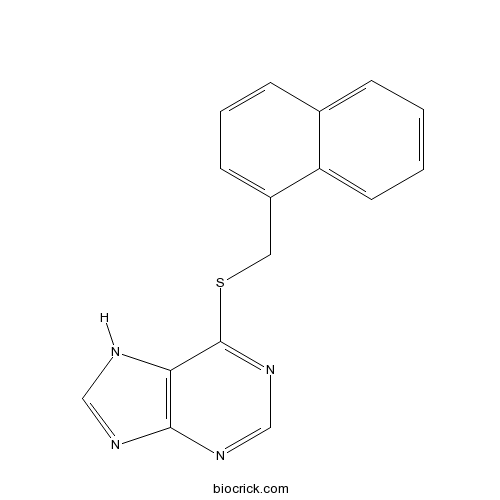
BCC6265
PU 02
313984-77-9
-
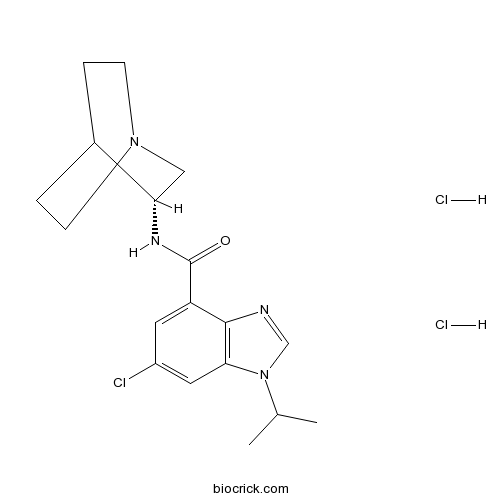
BCC6890
RS 16566 dihydrochloride
1217788-97-0
-
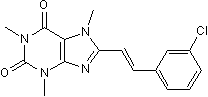
BCC7640
8-(3-Chlorostyryl)caffeine
147700-11-6
-
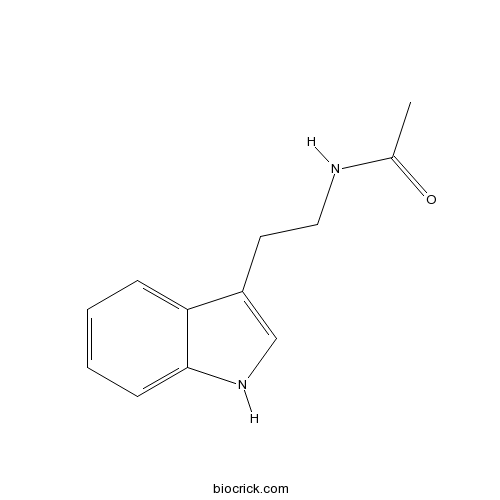
BCC6618
N-Acetyltryptamine
1016-47-3
-
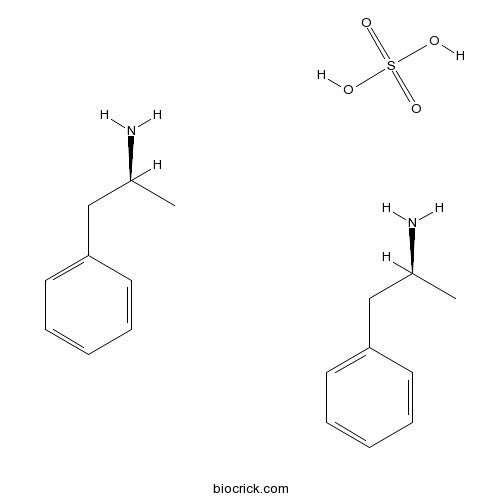
BCC5942
D-Amphetamine sulfate
51-63-8
-
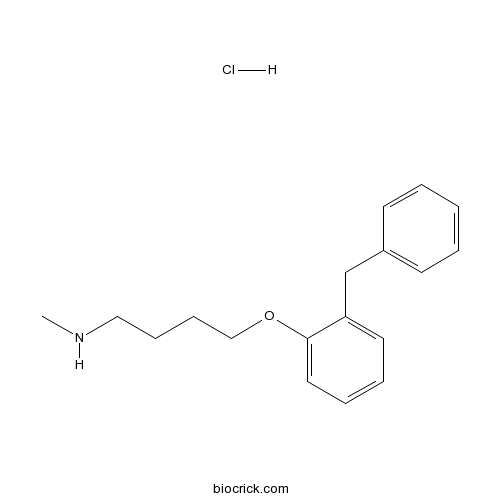
BCC6786
Bifemelane hydrochloride
62232-46-6
-
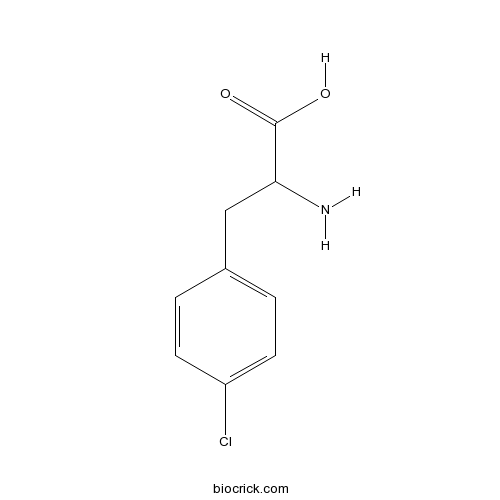
BCC5689
p-Chlorophenylalanine
Fenclonine is a pharmaceutical intermediate.
-
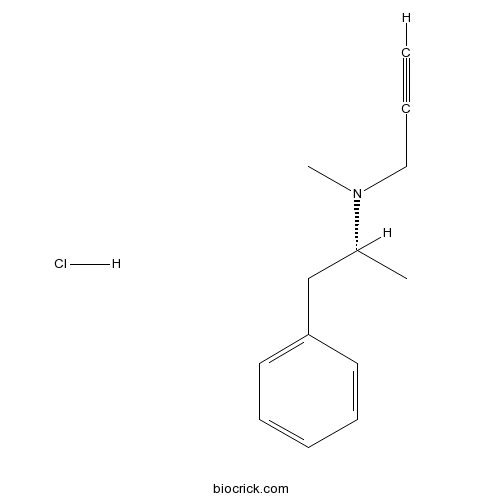
BCC5196
R-(-)-Deprenyl hydrochloride
R-(-)-Deprenyl Hydrochloride is a selective inhibitor of monoamine oxidase B (MAO-B).
-
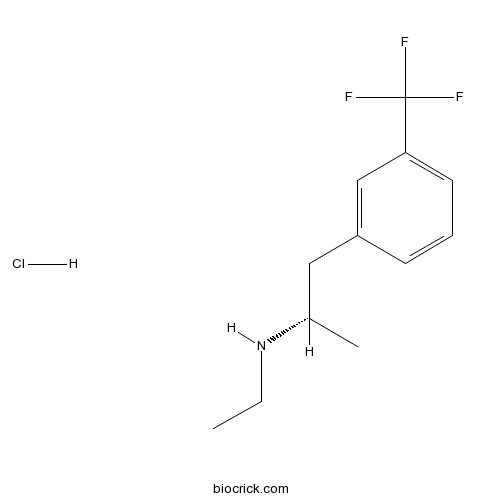
BCC5927
Dexfenfluramine hydrochloride
3239-45-0
-
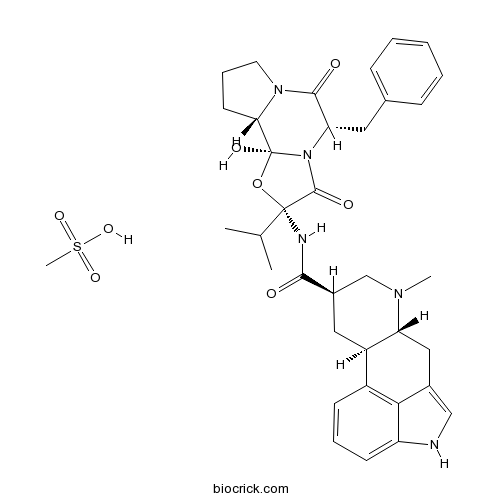
BCC6657
Dihydroergocristine mesylate
Dihydroergocristine mesylate (DHEC mesylate) is a inhibitor of γ-secretase (GSI), reduces the production of the Alzheimer's disease amyloid-β peptides, binds directly to γ-secretase and Nicastrin with equilibrium dissociation constants (Kd) of 25.7 nM and 9.8 μM, respectively.