
Glycocholic acidCAS# 475-31-0 |
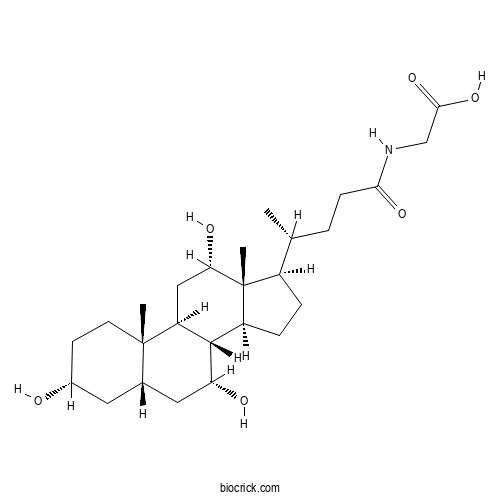
| Cas No. | 475-31-0 | SDF | File under preparation. |
| PubChem ID | 10140.0 | Appearance | Powder |
| Formula | C26H43NO6 | M.Wt | 465.6 |
| Type of Compound | Steroids | Storage | Desiccate at -20°C |
| Solubility | Soluble in Chloroform,Dichloromethane,Ethyl Acetate,DMSO,Acetone,etc. | ||
| Chemical Name | 2-[[(4R)-4-[(3R,5S,7R,8R,9S,10S,12S,13R,14S,17R)-3,7,12-trihydroxy-10,13-dimethyl-2,3,4,5,6,7,8,9,11,12,14,15,16,17-tetradecahydro-1H-cyclopenta[a]phenanthren-17-yl]pentanoyl]amino]acetic acid | ||
| SMILES | CC(CCC(=O)NCC(=O)O)C1CCC2C1(C(CC3C2C(CC4C3(CCC(C4)O)C)O)O)C | ||
| Standard InChIKey | RFDAIACWWDREDC-FRVQLJSFSA-N | ||
| Standard InChI | InChI=1S/C26H43NO6/c1-14(4-7-22(31)27-13-23(32)33)17-5-6-18-24-19(12-21(30)26(17,18)3)25(2)9-8-16(28)10-15(25)11-20(24)29/h14-21,24,28-30H,4-13H2,1-3H3,(H,27,31)(H,32,33)/t14-,15+,16-,17-,18+,19+,20-,21+,24+,25+,26-/m1/s1 | ||
| General tips | For obtaining a higher solubility , please warm the tube at 37 ℃ and shake it in the ultrasonic bath for a while.Stock solution can be stored below -20℃ for several months. We recommend that you prepare and use the solution on the same day. However, if the test schedule requires, the stock solutions can be prepared in advance, and the stock solution must be sealed and stored below -20℃. In general, the stock solution can be kept for several months. Before use, we recommend that you leave the vial at room temperature for at least an hour before opening it. |
||
| About Packaging | 1. The packaging of the product may be reversed during transportation, cause the high purity compounds to adhere to the neck or cap of the vial.Take the vail out of its packaging and shake gently until the compounds fall to the bottom of the vial. 2. For liquid products, please centrifuge at 500xg to gather the liquid to the bottom of the vial. 3. Try to avoid loss or contamination during the experiment. |
||
| Shipping Condition | Packaging according to customer requirements(5mg, 10mg, 20mg and more). Ship via FedEx, DHL, UPS, EMS or other couriers with RT, or blue ice upon request. | ||
Quality Control & MSDS
3D structure
Package In Stock

Number of papers citing our products


Glycocholic acid Dilution Calculator
Glycocholic acid Molarity Calculator
-
 Cholic acidCatalog No.: BCN1286CAS No.: 81-25-4
-
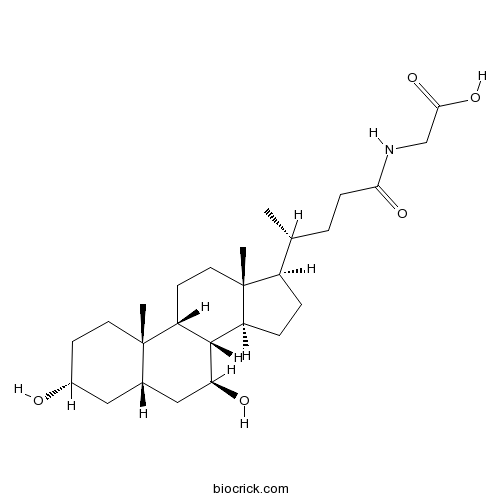 Glycoursodeoxycholic acidCatalog No.: BCN7369CAS No.: 64480-66-6
-
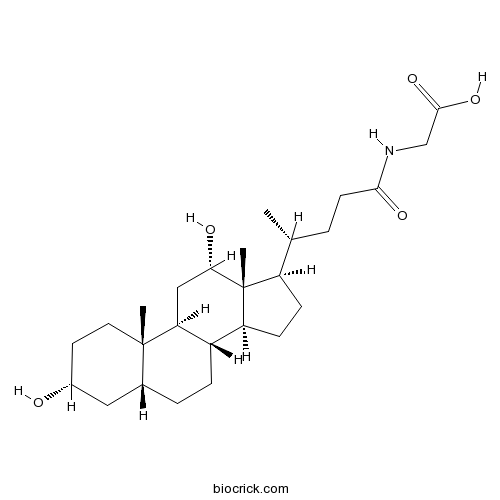 Glycodeoxycholic acidCatalog No.: BCN7250CAS No.: 360-65-6
-
 Taurocholic acidCatalog No.: BCN6954CAS No.: 81-24-3
-
 Sodium taurocholateCatalog No.: BCN9078CAS No.: 145-42-6
-
 Sodium cholateCatalog No.: BCN6981CAS No.: 361-09-1
-
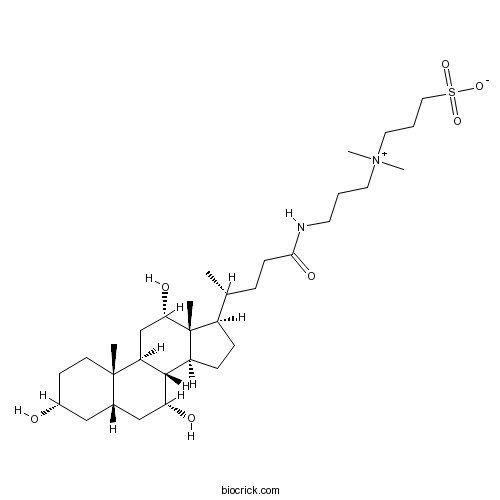 CHAPSCatalog No.: BCC1476CAS No.: 75621-03-3
-
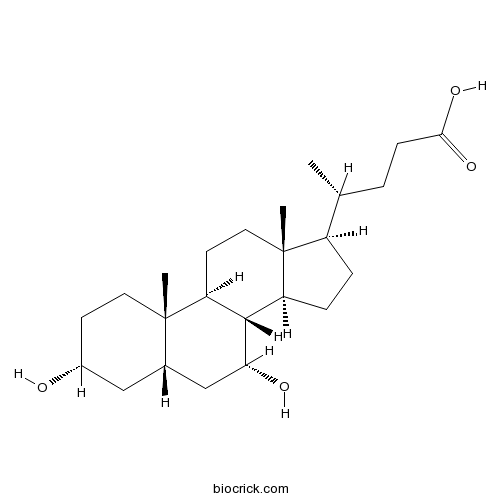 Chenodeoxycholic acidCatalog No.: BCN2620CAS No.: 474-25-9
-
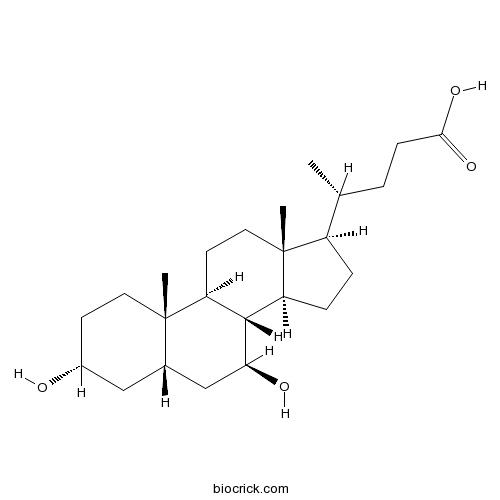 UrsodiolCatalog No.: BCC4945CAS No.: 128-13-2
-
 Deoxycholic acidCatalog No.: BCN1288CAS No.: 83-44-3
-
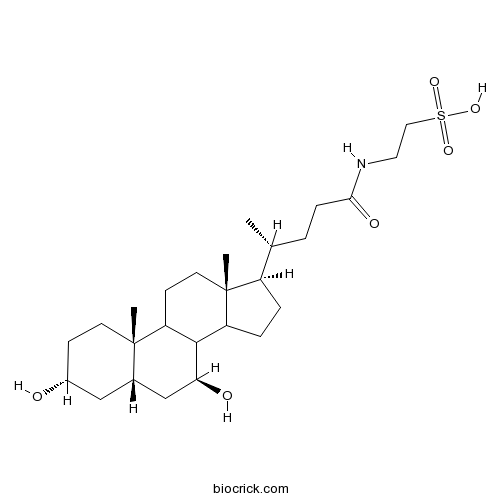 Tauroursodeoxycholic acidCatalog No.: BCN6953CAS No.: 14605-22-2
-
 Taurochenodeoxycholic AcidCatalog No.: BCN8419CAS No.: 516-35-8
| 1 mg | 5 mg | 10 mg | 20 mg | 25 mg | |
| 1 mM | 2.1478 mL | 10.7388 mL | 21.4777 mL | 42.9553 mL | 53.6942 mL |
| 5 mM | 0.4296 mL | 2.1478 mL | 4.2955 mL | 8.5911 mL | 10.7388 mL |
| 10 mM | 0.2148 mL | 1.0739 mL | 2.1478 mL | 4.2955 mL | 5.3694 mL |
| 50 mM | 0.043 mL | 0.2148 mL | 0.4296 mL | 0.8591 mL | 1.0739 mL |
| 100 mM | 0.0215 mL | 0.1074 mL | 0.2148 mL | 0.4296 mL | 0.5369 mL |
| * Note: If you are in the process of experiment, it's necessary to make the dilution ratios of the samples. The dilution data above is only for reference. Normally, it's can get a better solubility within lower of Concentrations. | |||||
- 2-Deoxokanshone M
Catalog No.:BCX2250
CAS No.:3062873-62-2
- Z-isogeranic acid
Catalog No.:BCX2249
CAS No.:85916-85-4
- 6,11,12,16-Tetrahydroxy-5,8,11,13-abitetetraen-7-one
Catalog No.:BCX2248
CAS No.:1295650-67-7
- 3-(2-Hydroxyphenyl)propionic acid
Catalog No.:BCX2247
CAS No.:495-78-3
- Oxypeucedanin hydrate-3-ethyl ether
Catalog No.:BCX2246
CAS No.:90686-46-7
- 4'-Demethyldeoxypodophyllotoxin beta-D-glucopyranoside
Catalog No.:BCX2245
CAS No.:78178-42-4
- Dihydromelilotoside
Catalog No.:BCX2244
CAS No.:24696-05-7
- 7-Feruloylloganic acid
Catalog No.:BCX2243
CAS No.:178666-92-7
- rel-(7S,8S,7''R,8''R)-3,3'',4'',5''-hexamethoxy-7-O-7'',8,8''-lignan
Catalog No.:BCX2242
CAS No.:50394-05-3
- Neoligustilide
Catalog No.:BCX2241
CAS No.:179382-45-7
- threo-1-C-Syringylglycerol 4-O-beta-D-glucopyranoside
Catalog No.:BCX2240
CAS No.:942304-08-7
- Phyllangin
Catalog No.:BCX2239
CAS No.:854044-76-1
- Cadalene
Catalog No.:BCX2814
CAS No.:483-78-3
- Auramine O
Catalog No.:BCX2815
CAS No.:2465-27-2
- 3-Phenylpropyl Acetate
Catalog No.:BCX2816
CAS No.:122-72-5
- Gweicurculactone
Catalog No.:BCX2817
CAS No.:123914-43-2
- Esculentoside L
Catalog No.:BCX2818
CAS No.:130364-33-9
- Rorifamide
Catalog No.:BCX2819
CAS No.:53078-91-4
- Stemoninine
Catalog No.:BCX2820
CAS No.:69772-72-1
- Dracorubin
Catalog No.:BCX2821
CAS No.:6219-63-2
- Astin J
Catalog No.:BCX2822
CAS No.:163136-31-0
- Kalopanaxsaponin G
Catalog No.:BCX2823
CAS No.:57539-70-5
- Kuwanon L
Catalog No.:BCX2824
CAS No.:88524-65-6
- Evodiamide
Catalog No.:BCX2825
CAS No.:116965-70-9
Integrated plasma proteomic and metabolomic profiling demonstrated specific proteins and bile acids remodeling after liver transplantation of children with biliary atresia.[Pubmed:42777789]
Biochim Biophys Acta Proteins Proteom. 2026 Sep 23;1875(1):141181.
This study aimed to characterize plasma protein and bile acid remodeling after liver transplantation (LT) in children with biliary atresia (BA). Paired plasma samples were collected from seven BA patients before and after LT following unsuccessful Kasai portoenterostomy, and profiled using label-free quantitative proteomics and targeted metabolomics of 15 bile acids. A total of 113 proteins were significantly altered after LT, enriched in pathways governing inflammation, coagulopathy, and extracellular matrix reorganization; eight proteins were selected as signature biomarkers, including upregulated hepatocyte growth factor activator (HGFAC), insulin-like growth factor-binding protein 5 (IGFBP5), insulin-like growth factor-binding protein acid-labile subunit (IGFALS), and coagulation factor XI (F11), together with downregulated phosphatidylinositol-binding clathrin assembly protein (PICALM), S100 calcium-binding protein A11 (S100A11), polymeric immunoglobulin receptor (PIGR), and collagen triple helix repeat-containing protein 1 (CTHRC1). Four conjugated primary bile acids, Glycocholic acid (GCA), taurocholic acid (TCA), glycochenodeoxycholic acid (GCDCA), and taurochenodeoxycholic acid (TCDCA), showed precipitous postoperative declines and correlated strongly with clinical liver-injury markers. Two proteins, HGFAC and PIGR, together with these four conjugated bile acids demonstrated high diagnostic accuracy (area under the curve, AUC = 0.86-1.00), supporting their potential as non-invasive biomarkers for monitoring graft function after LT.
Plasma untargeted metabolomics reveals promising diagnostic metabolites for adrenocortical carcinoma.[Pubmed:42698542]
Front Pharmacol. 2026 Aug 21;17:1817514.
Adrenocortical carcinoma (ACC) is a rare and aggressive malignancy with poor prognosis. Surgery is the only curative option for ACC, but recurrence remains high. Effective systemic therapies are still lacking in ACC. Diagnosis currently relies on integrated hormonal, imaging, and histopathological assessments. However, distinguishing ACC from benign adrenocortical adenoma (ACA) remains challenging. To address this, we performed untargeted plasma metabolomics on patients with ACC and ACA, as well as on healthy controls, to identify differential metabolites and elucidate the enriched Kyoto Encyclopedia of Genes and Genomes (KEGG) pathways. Notably, Glycocholic acid emerged as a significantly upregulated metabolite in ACC with superior diagnostic accuracy. Furthermore, a metabolic model incorporating six plasma metabolites, including Glycocholic acid, distinguished ACC from ACA and healthy controls with an area under the curve (AUC) of 0.9266. These findings demonstrate that plasma metabolomics might serve as a promising tool for the detection of ACC.
Blood Bile Acids for Inflammatory Bowel Disease Diagnosis and Disease Activity Assessment: A Metabolomics Meta-Analysis.[Pubmed:42695907]
J Proteome Res. 2026 Sep 4;25(9):4847-4858.
Alterations in circulating bile acids (BAs) have been reported in inflammatory bowel disease (IBD), but the consistency of these changes across clinically relevant comparisons remains unclear. Our goal was to investigate systemic BA alterations in IBD using a metabolomics meta-analysis with an exploratory analysis of BA-related gene expression as a supporting context. A systematic review and meta-analysis of 28 metabolomics studies examined blood BA profiles associated with IBD, IBD diagnosis, and disease activity assessment. Univariate analysis and logistic regression modeling of two independent IBD cohorts explored the blood BA-related genes and IBD. Across 28 studies that comprised 5056 IBD patients, 1721 healthy controls, and 314 non-IBD patients, 131 BAs were reported. Eight predefined clinical comparisons were eligible for the meta-analysis. Lower secondary BA levels were consistently observed in IBD patients compared with controls, between UC and CD, and in active versus remission patients. Deoxycholic acid, glycodeoxycholic acid, and taurodeoxycholic acid were frequently decreased, whereas Glycocholic acid was increased in certain comparisons. Transcriptomics analyses revealed differential expression of several BA-related genes in blood, including SLC51A, ABCB4, and ACOT8, across the comparisons. Our findings identify consistent circulating BA alterations in IBD and highlight the relevance of blood BA for future biomarker research in the diagnosis and disease activity assessment.
Application of metabolomics in drug-induced liver injury: A systematic review.[Pubmed:42657106]
J Transl Int Med. 2026 Aug 12;14(4):547-562.
Drug-induced liver injury (DILI) is one of the most common adverse reactions in clinical settings, and drug hepatotoxicity is also a primary factor contributing to the suspension and withdrawal of drug development. Currently, there are no specific biomarkers available for the early diagnosis and monitoring of DILI in clinical practice. In recent years, metabolomics has emerged as a powerful tool for identifying small molecule biomarkers in DILI, owing to its unique advantages. In this article, we comprehensively reviewed the metabolomics studies related to DILI to investigate the pathophysiological changes in DILI and to assess the potential application of metabolomics in its prediction and diagnosis. Relevant literature published before 30 April 2024 was retrieved from four online databases (PubMed, EMbase, Cochrane Library, and Web of Science). Research data were systematically collected, and the metabolites involved were analyzed. Metabolic pathway analysis related to DILI was conducted using the online software MetaboAnalyst 5.0. A total of 55 studies were included, identifying significantly altered metabolic pathways and valuable metabolic biomarkers. The most frequently reported biomarkers included Glycocholic acid, taurochenodeoxycholic acid, taurocholic acid, creatine, glycochenodeoxycholic acid, taurodeoxycholic acid, glycodeoxycholic acid, and alpha-ketoglutaric acid. The disrupted metabolic pathways were mainly related to bile acid metabolism, lipid metabolism, and the tricarboxylic acid cycle, among which bile acid metabolism showing the most prominent alterations. Lipid metabolism-related pathways included fatty acid biosynthesis, glycerophospholipid metabolism, and sphingolipid metabolism. This article provides a systematic review of metabolomics in DILI, deepening our understanding of the metabolic disturbances caused by DILI.
Endogenously modified multi-bioresponsive silk fibroin nanoparticles enhancing the cellular delivery and anti-inflammatory activity of curcumin.[Pubmed:42629021]
Food Res Int. 2026 Oct 31;242(Pt 1):119771.
Hydrophobic bioactives such as curcumin suffer from poor aqueous solubility, low bioaccessibility, and targeting capability. In this study, silk fibroin, a natural macromolecular protein, was used to form self-assembled nanoparticles. These nanoparticles were surface-grafted with bile acids to modulate interfacial properties and exploit endogenous bile acid transport pathways for ileum-targeted curcumin delivery. Cholic acid, deoxycholic acid, and Glycocholic acid were covalently grafted onto silk fibroin nanoparticles to tailor surface hydrophobicity and charge. Spectroscopic and physicochemical analyses confirmed surface modification. Deoxycholic acid grafted nanoparticles exhibited superior cellular uptake in Caco-2 cells and enhanced anti-inflammatory activity. These nanoparticles exhibited responsiveness to H(2)O(2), GSH, and pH. Moreover, the nanoparticles were incorporated into an alginate-based pH-responsive hydrogel that preserved structural integrity and bioactivity during simulated digestion. In vivo evaluation further confirmed the favorable biocompatibility of the delivery system. This approach shows promise for hydrophobic bioactive compound delivery in functional foods.
Neoadjuvant Hepatic Arterial Infusion Chemotherapy with FOLFOX Plus Tislelizumab for Resectable Hepatocellular Carcinoma Beyond the Milan Criteria: Efficacy, Safety and Biomarker Exploration.[Pubmed:42605348]
J Hepatocell Carcinoma. 2026 Aug 12;13:615120.
PURPOSE: This study aimed to evaluate the efficacy and safety of hepatic arterial infusion chemotherapy of oxaliplatin, fluorouracil, and leucovorin (FOLFOX-HAIC) combined with tislelizumab as a neoadjuvant regimen in patients with resectable hepatocellular carcinoma (HCC) beyond the Milan criteria, and to explore predictive biomarkers of treatment response. RESULTS: 26 patients completed neoadjuvant therapy, with a median tumor size of 6.35cm. The objective response rate according to mRECIST criteria reached 57.7%, and the disease control rate was 96.2%. 22 patients underwent radical surgery, and 10 patients (10/22, 45.5%) achieved major pathological response (residual viable tumor Glycocholic acid (GCA). Microbiome analysis further confirmed increased abundance of bile acid metabolism-related bacteria such as bacteroides in non-responders. Serum interleukin-6 (IL-6) levels after neoadjuvant therapy were correlated with treatment response. CONCLUSION: FOLFOX-HAIC combined with tislelizumab as neoadjuvant therapy for HCC beyond the Milan criteria demonstrates favorable anti-tumor efficacy and controllable toxicity. The level of GCA in tumor, peripheral blood CDCA, IL-6, and fecal bacteroides may hold the potential to serve as a composite biomarker panel to predict pathological response and treatment sensitivity.
Ganhai Weikang Capsules ameliorate functional dyspepsia in rats by modulating gut microbiota and host metabolic homeostasis.[Pubmed:42597718]
Front Pharmacol. 2026 Jul 30;17:1872809.
BACKGROUND: Functional dyspepsia (FD) is a prevalent gastrointestinal disorder with limited long-term efficacy of conventional treatments. Ganhai Weikang Capsules (GHWKCs), a classic traditional Chinese medicine formula, has shown remarkable clinical efficacy in alleviating FD symptoms, but its underlying mechanisms, particularly on the gut microbiota-host metabolism axis, remain unclear. METHODS: We performed chemical profiling of GHWKCs using UPLC-LTQ-Orbitrap-MS and established an FD rat model mimicking the TCM pathogenesis of "spleen deficiency and qi stagnation". We evaluated gastrointestinal motility, histopathology, serum gastrointestinal hormones, and tissue inflammatory factors. Integrated duodenal metabolomics, cecal 16S rRNA sequencing, and network pharmacology were applied to explore the regulatory mechanisms, with Spearman correlation analysis conducted between differential metabolites and gut microbiota. RESULTS: A total of 63 chemical metabolites were identified in GHWKCs. GHWKCs significantly improved gastric emptying and intestinal propulsion, normalized gastrointestinal hormone levels, and inhibited pro-inflammatory cytokine secretion in FD rats. Metabolomics revealed 18 differential metabolites mainly involved in fatty acid beta-oxidation and primary bile acid biosynthesis. Gut microbiota analysis showed GHWKCs counteracted dysbiosis, particularly increasing Coriobacteriales and Actinobacteriota abundance. Correlation analysis confirmed a positive correlation between Coriobacteriales and Glycocholic acid. Network pharmacology identified 31 active metabolites, 213 intersection targets, and key pathways including PI3K-Akt, MAPK, and Toll-like receptor signaling. CONCLUSION: GHWKCs ameliorate FD through multi-target mechanisms involving improved motility, reduced inflammation, and restored microbiota-metabolic homeostasis. The Coriobacteriales-Glycocholic acid axis represents a putative core regulatory pathway bridging TCM theory and modern molecular mechanisms, providing a preclinical mechanistic framework for TCM-based therapy of FD.
Taxifolin ameliorates radiation-induced colitis via the gut microbiota-BAs-FXR/NLRP3 axis.[Pubmed:42570615]
Phytomedicine. 2026 Oct;160:158675.
BACKGROUND: Radiation-induced colitis (RC) poses a substantial clinical challenge with limited therapeutic options. Taxifolin (TAX), a natural flavonoid, exhibits potential anti-inflammatory properties; however, its clinical application is hindered by poor oral bioavailability and an unclear mechanism of action in the context of radiation injury. PURPOSE: This study aims to investigate the therapeutic potential and underlying mechanisms of the flavonoid monomer TAX in the context of RC, with a particular focus on the gut microbiota-BAs-FXR/NLRP3 axis. METHODS: We employed a 13 Gy total abdominal irradiation (TAI) mouse model and HIEC-6 cells. Multi-omics approaches, including 16S rRNA sequencing and untargeted metabolomics, were used to map microbiota and metabolic profiles. Crucially, to establish causality, fecal microbiota transplantation (FMT) was performed to assess the microbiota's mediating role, and the specific FXR antagonist DY268 was utilized to verify the dependency on FXR signaling. Molecular interactions were confirmed via molecular docking, drug affinity responsive target stability (DARTS), and co-immunoprecipitation (Co-IP) assays. RESULTS: TAX significantly mitigated RC, characterized by preserved intestinal barrier integrity and reduced inflammatory cytokine production. It reshaped microbial homeostasis, specifically enriching bile acid (BA)-metabolizing genera (such as Lachnoclostridium) and promoting the accumulation of specific FXR-activating BAs, including Glycocholic acid (GCA), taurochenodeoxycholic acid (TCDCA), and ursodeoxycholic acid (UDCA). FMT from TAX-treated donors successfully recapitulated the radioprotective phenotype in recipient mice, confirming the causal role of the gut microbiota. Mechanistically, both TAX and the enriched BAs directly bound to the farnesoid X receptor (FXR), inducing conformational changes that enhanced its physical interaction with NLRP3, thereby inhibiting inflammasome assembly and downstream signaling. Importantly, pharmacological blockade of FXR by DY268 abolished the protective effects of TAX, confirming that FXR activation is indispensable for its therapeutic action. CONCLUSIONS: TAX mitigates RC not merely as an antioxidant, but as a microecological modulator. Importantly, TAX acts as a natural modulator of the "gut microbiota-BAs-FXR/NLRP3" signaling axis for RC therapy. TAX-induced microbiota changes promote the production of specific bile acids that amplify intestinal FXR signaling to suppress inflammation. This study provides a robust mechanistic basis for using TAX as an orally active radioprotectant targeting the gut-liver axis.
A bio-conjugated 2D photonic crystal hydrogel-based immunoassay for glycocholic acid.[Pubmed:42554633]
Anal Methods. 2026 Aug 13;18(31):6589-6596.
Hepatocellular carcinoma (HCC) remains a leading cause of cancer-related mortality worldwide, underscoring an urgent need for reliable point-of-care testing (POCT) tools. Glycocholic acid (GCA), owing to its high specificity and sensitivity, has been recognised as a promising biomarker for HCC. Nevertheless, current GCA detection methodologies still suffer from drawbacks, including high cost, cumbersome procedures, prolonged assay times, and single-use formats. In this study, a novel label-free immunoassay based on a two-dimensional photonic crystal hydrogel (2D-PCH) has been reported, which enabled visual, quantitative, and reusable detection of GCA. Unlike conventional direct-detection strategies, the developed 2D-PCH employed antigen-antibody complexes as reversible non-covalent crosslinkers within the hydrogel network. Competitive binding between free GCA and the grafted antigen for the limited antibody sites disrupted these crosslinks, reducing the crosslinking density and triggering hydrogel swelling. This volumetric expansion increased the particle spacing of the embedded photonic crystal array, which was quantitatively reflected by an increase in the Debye diffraction ring diameter, accompanied by a visible structural colour shift. The 2D-PCH sensor achieved a limit of detection (LoD) of 3.66 microg mL(-1) and a linear detection range spanning from 10 to 50 microg mL(-1). Moreover, the developed 2D-PCH displayed excellent specificity, good reversibility and satisfactory recovery ranging from 93.02% to 106.07% towards spiked samples. Therefore, the developed 2D-PCH-based immunoassay provided a visual, label-free, convenient, quantitative and reusable POCT method for the biomarker GCA, with great potential for future HCC clinical screening applications.
CD36 is a receptor for human sapovirus.[Pubmed:42525775]
Sci Adv. 2026 Jul 31;12(31):eaed1300.
Human sapovirus (HuSaV) is a major cause of gastroenteritis but has long lacked a defined receptor. Here, we identify the scavenger receptor CD36 as essential for infection. Comparative transcriptomics identified CD36 as the key susceptibility factor. CRISPR knockout abolished replication, while ectopic expression restored permissiveness across diverse cells. Binding assays showed nanomolar affinity between CD36 and HuSaV particles. Infection also required the bile acid Glycocholic acid, which promoted CD36 internalization and viral entry. In human intestinal organoids, CD36 knockout abrogated infection, confirming physiological relevance. Our findings establish CD36 as the long-sought HuSaV receptor, uncover a bile acid-assisted entry mechanism that confines infection to the intestine and point to opportunities for antiviral and vaccine development.
Bacterial-Fungal Co-Occurrence in the Porcine Gut Microbiome Is Associated with Distinctive Meat Flavor Profiles in Indigenous Congjiang Xiang Pigs.[Pubmed:42514731]
Vet Sci. 2026 Jul 22;13(7):721.
Meat flavor significantly influences consumer preference and market value, particularly for indigenous pig breeds renowned for distinctive sensory characteristics. While traditional research has focused on genetic factors and feeding regimens, emerging evidence suggests that gut microbiota plays a crucial role in meat quality attributes. However, the specific contribution of bacterial-fungal co-occurrence to meat flavor formation remains largely unexplored. This study aimed to characterize the associations between intestinal bacterial-fungal co-occurrence networks and the muscle flavor-related metabolite profiles of CX pigs, using an integrated multi-omics approach. Twenty male pigs (10 CX and 10 LAN, 12 months old) were subjected to comprehensive analyses, including meat quality evaluation, electronic nose analysis, 16S and 18S rRNA sequencing, and untargeted metabolomics. CX pigs exhibited significantly superior meat quality characteristics, including higher moisture content (p < 0.001), fat content (p = 0.008), and meat color scores (p < 0.001). Electronic nose analysis revealed significantly higher response values across all ten aroma sensors in CX pigs (p < 0.001), with the most pronounced differences observed in sensors detecting sulfur compounds and organic compounds. Untargeted metabolomics identified 40 differential metabolites, with 27 up-regulated in CX pigs, including key flavor compounds such as Glycocholic acid, isorhamnetin, and pantothenic acid. Microbiome analysis demonstrated significantly higher bacterial alpha diversity in CX pigs (p < 0.05), with enrichment of beneficial bacteria, including Rikenellaceae_RC9_gut_group, Prevotellaceae_UCG_003, and Phascolarctobacterium, while fungal communities showed enrichment of Candida_Lodderomyces_clade. Correlation network analysis revealed that Rikenellaceae_RC9_gut_group demonstrated strong positive correlations with flavor compounds (r = 0.575 for isorhamnetin, r = 0.535 for pantothenic acid, p < 0.001) and all electronic nose responses (r = 0.434-0.691, p < 0.001). Bacterial-fungal co-occurrence networks showed synergistic relationships, with Rikenellaceae_RC9_gut_group positively correlated with Candida_Lodderomyces_clade (r = 0.711, p < 0.001) while exhibiting antagonistic relationships with Piromyces (r = -0.714, p < 0.001). These findings offer novel insights for developing microbiome-targeted strategies to enhance meat quality in pig production systems.
Adult-Onset BAAT p.Glu401Asp Mutation Linking Intrahepatic Cholestasis of Pregnancy to FXR-SREBP Dysregulation.[Pubmed:42495515]
J Clin Exp Hepatol. 2026 Sep-Oct;16(5):103605.
Intrahepatic cholestasis of pregnancy (ICP) affects 0.5-5.6 % of pregnancies and involves bile acid transport defects (ABCB11, ABCB4, ATP8B1). BAAT mutations classically cause neonatal familial hypercholanemia type 3 (FHCA3), with five previously identified pathogenic variants in the catalytic domains. We report a rare adult-onset homozygous BAAT missense mutation (c.1203G>T; p.Glu401Asp) in a 41-year-old Indian woman with third-trimester ICP, postpartum-persistent hypercholanemia, and severe hypertriglyceridemia. This novel BAAT substitution occurs at codon 401 (C-terminal, non-catalytic), yielding conflicting in silico predictions (CADD: 22.5 pathogenic vs. REVEL: 0.211 benign). However, classified as a Variant of Uncertain Significance, its homozygosity and phenotypic correlation support plausibility, pending family segregation, bile acid profiling, or functional assays. Proposedly unconjugated primary bile acids impair ileal FXR activation, thereby disrupting FGF19-SHP-mediated repression of SREBP-1c lipogenesis, a process compounded by insulin resistance. This case represents a rare adult BAAT-ICP association and BAAT-related FXR-SREBP dysregulation, expanding the low-GGT cholestasis spectrum per EASL guidelines. Glycocholic acid and FXR agonists may offer targeted therapies.
Metabolomic Profiling and Machine Learning-Based Prediction of High-Dose Methotrexate-Induced Liver Injury in Pediatric Acute Lymphoblastic Leukemia.[Pubmed:42490747]
Pediatr Blood Cancer. 2026 Sep;73(9):e70424.
BACKGROUND: High-dose methotrexate (HD-MTX) is essential for pediatric acute lymphoblastic leukemia (ALL) but frequently causes hepatotoxicity. To address the critical lack of early prediction tools, this study investigated untargeted metabolomic profiles to identify predictive biomarkers and establish robust machine learning (ML) models for early clinical risk assessment and therapeutic optimization. METHODS: This study included 106 pediatric patients with ALL undergoing HD-MTX therapy. Of these, 56 developed moderate-to-severe liver injury. Untargeted plasma metabolomics was performed before and after treatment. Metabolic alterations were identified using multivariate analyses, with pathway annotation performed via KEGG enrichment. Key discriminatory metabolites were further screened via LASSO regression to identify potential biomarkers. Three ML algorithms (Random Forest, Support Vector Machine, and Bayesian logistic regression) were developed for risk prediction, integrating SHAP analysis for model interpretability and feature contribution evaluation. RESULTS: Patients with liver injury showed distinct metabolic signatures compared with controls. Prior to HD-MTX treatment, 13 metabolites-such as prominently elevated Glycocholic acid-were identified as potential predictors of liver injury, with overarching pathway alterations primarily involving arginine biosynthesis and glutathione metabolism, among others. Post-treatment, 11 distinct metabolites-including arachidic acid-further distinguished the injury group, reflecting complex regulatory mechanisms and multi-pathway shifts. Crucially, all three ML models developed using pre- or post-treatment metabolic biomarkers exhibited high predictive and discriminative accuracy for hepatotoxicity (AUC > 0.900). CONCLUSIONS: These findings characterize the metabolic alterations underlying HD-MTX-induced liver injury, provide a metabolomics-based framework for early risk assessment, and facilitate the development of precision therapeutic strategies in pediatric ALL.
Host genetic architecture and gut microbiota cooperatively regulate early growth in goats.[Pubmed:42436575]
Anim Microbiome. 2026 Jul 11;8(1):93.
Early postnatal growth is a critical determinant of meat production efficiency and long-term genetic improvement in goats; however, the molecular mechanisms underlying individual variation in growth performance remain poorly understood. In this study, a total of 123 Hechuan white goats were included. First, a genome-wide association study (GWAS) for average daily gain (ADG) was performed using all 123 individuals. Subsequently, based on the coefficient of variation of ADG (CV = 65.6%), an extreme phenotype sampling (EPS) strategy was applied to select 39 individuals with extreme growth phenotypes for subsequent metabolomic, microbiome, and integrated mGWAS analyses.The results showed that ADG approximately followed a normal distribution across the 123 goats. GWAS identified 22 loci significantly associated with ADG, mapping to genes including DLK1, NCAPG2, LCORL, CNTNAP2, and SLC8A1, which are involved in pathways related to skeletal muscle development, cell cycle regulation, ion transport, and immune function. Metabolomic profiling detected 1,589 putative metabolites, revealing differential enrichment of lipid, amino acid, and bile acid metabolic pathways between fast- and slow-growing goats. Gut microbiome analysis demonstrated that Christensenellaceae_R-7_group and Monoglobus were significantly enriched in fast-growing individuals, whereas Desulfovibrio was more abundant in slow-growing goats.Integrated mGWAS analysis further revealed extensive effects of host genetic variation on gut microbiota and fecal metabolites. Specifically, 11 bacterial genera were significantly associated with host genomic variants, among which Desulfovibrio exhibited the highest number of associated loci. Integration of multiple variant types consistently linked Desulfovibrio, Eubacterium_hallii_group, and Candidatus_Saccharimonas with genes such as ARHGAP24 and IGF2BP2. In addition, 14 metabolites were significantly associated with host genetic variants, with Lysopc(14:1(9Z)/0:0) and Glycocholic acid showing the strongest associations. Notably, the peak signal for Lysopc was located within HMGA2.Collectively, these findings define a coordinated host genome-gut microbiota-metabolite network underlying early growth variation in goats and provide a mechanistic foundation for precision breeding and targeted nutritional strategies in goat production systems.
Glycocholic acid inhibits TRIB3-ID1 axis to acelerate colitis progression via suppressing intestinal stem cell renewal.[Pubmed:42436164]
Nat Commun. 2026 Jul 11;17(1):6815.
Intestinal stem cell number or their regeneration ability is crucial for attaining mucosal healing. Deciphering the molecular mechanisms responsible for the impairment of intestinal stem cells in inflammatory bowel disease could yield innovative therapeutic insights. Altered bile acid metabolism is a hallmark feature of inflammatory bowel disease, typically characterized by elevated fecal levels of primary bile acids, such as Glycocholic acid. However, the relationship between Glycocholic acid and inflammatory bowel disease remains unclear. Here, we report that Glycocholic acid accelerates inflammatory bowel disease progression through downregulating TRIB3 expression to disrupt intestinal stem cells self-renewal. TRIB3 is highly expressed in crypt cells and sustains intestinal epithelial stemness by preventing ID1 palmitoylation and AP3D1-mediated lysosomal degradation. Glycocholic acid is found to suppress TRIB3-ID1 axis, thereby compromising intestinal epithelium integrity. Notably, we identify Bergenin, a natural compound, as a potential therapeutic agent against inflammatory bowel disease via upregulating TRIB3. These findings highlight the TRIB3-ID1 axis as a promising therapeutic target for inflammatory bowel disease therapy.

Calcutta University

University of Minnesota

University of Maryland School of Medicine

University of Illinois at Chicago

The Ohio State University

University of Zurich

Harvard University

Colorado State University

Auburn University

Yale University

Worcester Polytechnic Institute

Washington State University

Stanford University

University of Leipzig

Universidade da Beira Interior

The Institute of Cancer Research

Heidelberg University

University of Amsterdam

University of Auckland

TsingHua University

The University of Michigan

Miami University

DRURY University

Jilin University

Fudan University

Wuhan University

Sun Yat-sen University

Universite de Paris

Deemed University

Auckland University

The University of Tokyo

Korea University



