
LaurolitsineCAS# 904927-11-3 |
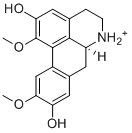
| Cas No. | 904927-11-3 | SDF | File under preparation. |
| PubChem ID | N/A | Appearance | Powder |
| Formula | C18H20NO4 | M.Wt | 314.4 |
| Type of Compound | N/A | Storage | Desiccate at -20°C |
| Solubility | Soluble in Chloroform,Dichloromethane,Ethyl Acetate,DMSO,Acetone,etc. | ||
| General tips | For obtaining a higher solubility , please warm the tube at 37 ℃ and shake it in the ultrasonic bath for a while.Stock solution can be stored below -20℃ for several months. We recommend that you prepare and use the solution on the same day. However, if the test schedule requires, the stock solutions can be prepared in advance, and the stock solution must be sealed and stored below -20℃. In general, the stock solution can be kept for several months. Before use, we recommend that you leave the vial at room temperature for at least an hour before opening it. |
||
| About Packaging | 1. The packaging of the product may be reversed during transportation, cause the high purity compounds to adhere to the neck or cap of the vial.Take the vail out of its packaging and shake gently until the compounds fall to the bottom of the vial. 2. For liquid products, please centrifuge at 500xg to gather the liquid to the bottom of the vial. 3. Try to avoid loss or contamination during the experiment. |
||
| Shipping Condition | Packaging according to customer requirements(5mg, 10mg, 20mg and more). Ship via FedEx, DHL, UPS, EMS or other couriers with RT, or blue ice upon request. | ||
Quality Control & MSDS
Package In Stock

Number of papers citing our products


Laurolitsine Dilution Calculator
Laurolitsine Molarity Calculator
| 1 mg | 5 mg | 10 mg | 20 mg | 25 mg | |
| 1 mM | 3.1807 mL | 15.9033 mL | 31.8066 mL | 63.6132 mL | 79.5165 mL |
| 5 mM | 0.6361 mL | 3.1807 mL | 6.3613 mL | 12.7226 mL | 15.9033 mL |
| 10 mM | 0.3181 mL | 1.5903 mL | 3.1807 mL | 6.3613 mL | 7.9517 mL |
| 50 mM | 0.0636 mL | 0.3181 mL | 0.6361 mL | 1.2723 mL | 1.5903 mL |
| 100 mM | 0.0318 mL | 0.159 mL | 0.3181 mL | 0.6361 mL | 0.7952 mL |
| * Note: If you are in the process of experiment, it's necessary to make the dilution ratios of the samples. The dilution data above is only for reference. Normally, it's can get a better solubility within lower of Concentrations. | |||||
- 9-Nitrocamptothecin
Catalog No.:BCX2317
CAS No.:86639-62-5
- Mandelic acid
Catalog No.:BCX2316
CAS No.:90-64-2
- D-Galacturonic acid hydrate
Catalog No.:BCX2315
CAS No.:685-73-4
- Isatin
Catalog No.:BCX2314
CAS No.:91-56-5
- 4-Hydroxypyridine-2,6-dicarboxylic acid
Catalog No.:BCX2313
CAS No.:499-51-4
- Zeatin
Catalog No.:BCX2312
CAS No.:1637-39-4
- Riboflavin sodium phosphate
Catalog No.:BCX2311
CAS No.:130-40-5
- Chavicol
Catalog No.:BCX2310
CAS No.:501-92-8
- Piperonylic acid
Catalog No.:BCX2309
CAS No.:94-53-1
- 2'-Deoxyadenosine
Catalog No.:BCX2308
CAS No.:958-09-8
- Diosbulbin A
Catalog No.:BCX2307
CAS No.:20086-05-9
- Allylbenzene
Catalog No.:BCX2306
CAS No.:300-57-2
- N6-Isopentenyladenine
Catalog No.:BCX2319
CAS No.:2365-40-4
- Glutathione disulfide
Catalog No.:BCX2320
CAS No.:27025-41-8
- Naringenin chalcone
Catalog No.:BCX2321
CAS No.:73692-50-9
- Spilanthol
Catalog No.:BCX2322
CAS No.:25394-57-4
- Cathayanin C
Catalog No.:BCX2323
CAS No.:330195-61-4
- Taurodeoxycholic acid
Catalog No.:BCX2324
CAS No.:516-50-7
- Cathayanin B
Catalog No.:BCX2325
CAS No.:330195-60-3
- Sorocein H
Catalog No.:BCX2326
CAS No.:157382-82-6
- 3-Methyl-1-(3-methylfuran-2-yl)but-3-en-1-one
Catalog No.:BCX2327
CAS No.:78173-38-3
- Putrescine
Catalog No.:BCX2328
CAS No.:110-60-1
- L-Ornithine
Catalog No.:BCX2329
CAS No.:70-26-8
- Dopamine
Catalog No.:BCX2330
CAS No.:51-61-6
Molecular docking and experimental evaluation of natural alkaloids from Chilean flora (Cryptocarya alba, Peumus boldus, and Laurelia sempervirens) for tyrosinase inhibition and depigmenting potential.[Pubmed:42057847]
Front Pharmacol. 2026 Apr 14;17:1795496.
BACKGROUND: Hyperpigmentation disorders stem from tyrosinase-catalyzed melanin overproduction, worsened by ultraviolet oxidative stress. The native Chilean species Cryptocarya alba, Laurelia sempervirens, and Peumus boldus are sources of aporphine and benzylisoquinoline alkaloids, known for their antioxidant activity. Boldine derivatives, notably diacetylboldine (DAB, Lumiskin), demonstrate commercial depigmenting efficacy, yet structure-activity relationship data are limited.. PURPOSE: Systematically evaluate pure alkaloids and boldine derivatives for tyrosinase inhibition via mushroom enzyme assays, molecular docking, human melanocyte (HEMn-DP), and 3D epidermal (MelanoDerm) models to elucidate depigmenting mechanisms. MATERIAL AND METHODS: Boldine (BOL), N-methyllaurotetanine (NMLT), Laurolitsine (LTS), laurotetanine (LTT), and reticuline (RET) alkaloids were isolated from authenticated plant material via acid-base partitioning/silica gel chromatography; structures were confirmed by (1)H-NMR/UHPLC-MS/MS (98% HPLC purity). Coclaurine (CC), N-methylcoclaurine (NMCC), and BOL derivatives: 3-bromoboldine (3BrBOL) and DAB were synthesized. Isocorydine (ISO) was obtained commercially. Mushroom tyrosinase (EC 1.14.18.1) inhibition measured spectrophotometrically (475 nm, L-DOPA; IC(50) interpolation). Docking performed on A. bisporus tyrosinase (PDB:2Y9X) with AutoDock Vina (30 x 30 x 30 A grid). HEMn-DP cells treated (40/250 ppm, 24 h) for MTS viability and alkali-solubilized melanin (450 nm). MelanoDerm tissues were dosed topically (0.1% w/v) for 14 days, followed by the Solvable melanin assay (490 nm). Data analyzed in GraphPad Prism 8 (Dunnett's test, P < 0.05). RESULTS AND DISCUSSION: LTS (IC(50) = 0.96 mM), an aporphine alkaloid, followed by CC (1.29 mM), a benzylisoquinoline alkaloid, were the most potent mushroom tyrosinase inhibitors, outperforming BOL 6.8- and 5.1-fold (6.56 mM), respectively, yet trailing reference standards such as kojic acid (0.014 mM). Boldine derivatives, including DAB (2.22 mM) and 3BrBOL (1.96 mM), exhibited superior potency relative to the parent compound. Docking revealed LTS's highest affinity (-7.3 kcal/mol; H-bonds: His259 3.4 A, Asn260 3.2 A) versus BOL (-5.3 kcal/mol; solely van der Waals), explained by NH-mediated His263 interaction absent in N-methylated boldine. In addition, hemisynthetic alkaloids (3BrBOL and DAB) show interactions and affinity energies similar to those of BOL. In HEMn-DP (40 ppm, 24 h), BOL/3BrBOL achieved 100% tyrosinase inhibition (viability approximately 50%), exceeding DAB (62%). MelanoDerm (0.1% w/v, 14 days): results confirmed the efficacy of 3BrBOL (-33% melanin, P < 0.05; approximately arbutin), BOL (-10%), and DAB/LTS inactivity, highlighting the superiority of C-3 halogenation. CONCLUSION: LTS is the premier natural inhibitor; optimization of 3BrBOL validates BOL derivatization for ARB equivalent depigmentation in 3D models. These findings support the development of hydroquinone-free cosmeceuticals from Chilean flora alkaloids and advocate the use of nanoemulsions to enhance delivery and reduce cytotoxicity.
Boldine and Laurolitsine Protect against Periodontitis-Associated Bone Loss via RANKL Downregulation.[Pubmed:41839226]
Planta Med. 2026 Aug;92(11):1030-1040.
ABSTRACT: Periodontitis is a chronic inflammatory disease driven by dysbiosis of the subgingival microbiota, leading to immune dysregulation and progressive alveolar bone loss. In recent years, immunotherapeutic approaches, particularly those involving natural products, have gained attention as potential adjuvants to conventional therapy. This study evaluated the effects of four alkaloids, boldine, Laurolitsine, laurotetanine, and N-methyl-laurotetanine, on alveolar bone loss and local immune regulation in experimental periodontitis. ABSTRACT: Male and female C57BL/6 mice with ligature-induced periodontitis received daily oral administration of each alkaloid (20 mg/kg) for 10 days. Alveolar bone loss was quantified by micro-computed tomography (micro-CT). Periodontal immune responses were assessed by RT-qPCR analysis of pro-inflammatory cytokines, T-cell-related transcription factors, and bone metabolism mediators (RANKL and OPG). In addition, regulatory T (Treg) cells in cervical lymph nodes were analyzed by flow cytometry. ABSTRACT: Boldine and Laurolitsine significantly reduced alveolar bone loss compared with untreated periodontitis, in parallel with decreased RANKL expression. All four alkaloids significantly reduced IL-6 expression, with Laurolitsine additionally suppressing IL-17A expression in periodontal tissues, whereas N-methyl-laurotetanine reduced IL-10 expression. No significant changes were observed in CD4(+), CD4(+)FoxP3(+), and CD4(+)FoxP3(+)CD25(+) T-cell frequencies between treated and untreated groups. ABSTRACT: Oral administration of boldine and Laurolitsine attenuates periodontitis-associated alveolar bone loss, likely through differential modulation of cytokine networks and osteoclastogenic signaling. These findings support their potential as host-modulating agents in the management of periodontitis.
Cinnamomum migao H.W. Li Ethanol-Water Extract Suppresses IL-6 Production in Cardiac Fibroblasts: Mechanisms Elucidated via UPLC-Q-TOF-MS, Network Pharmacology, and Experimental Assays.[Pubmed:41150746]
Curr Issues Mol Biol. 2025 Sep 26;47(10):798.
This study aims to elucidate the active components and underlying molecular mechanisms by which the ethanol-water extract of Cinnamomum migao H.W. Li (MG-EWE) inhibits cardiac fibroblast (CF) transdifferentiation and IL-6 production, providing insights into its anti-myocardial fibrosis effects. The chemical composition of MG-EWE was characterized using UPLC-Q-TOF-MS. Network pharmacology analysis identified active constituents and their mechanisms in inhibiting IL-6 production in CFs. An isoproterenol (ISO)-induced rat CF model was established to evaluate the effects of MG-EWE and its main monomers, Laurolitsine and Hecogenin, on cell proliferation, migration, collagen metabolism, IL-6 production, and key proteins in the ADRB2/JNK signaling pathway. A total of 173 compounds were identified in MG-EWE, with 14 core constituents regulating IL-6 synthesis via 16 key targets, including ADRB2 and MAPK9. Gene Ontology enrichment indicated that MG-EWE affects phosphorylation and the JNK signaling cascade. Molecular docking showed strong binding affinities between Laurolitsine, Hecogenin, and their targets ADRB2 and JNK. Experimentally, MG-EWE, Laurolitsine, and Hecogenin significantly inhibited ISO-induced CF proliferation, migration, and hydroxyproline synthesis, as well as the expression of p-ADRB2, p-JNK, p-c-Jun, and IL-6. MG-EWE inhibits CF transdifferentiation and IL-6 production via the ADRB2/JNK/c-Jun signaling axis, mediated by its constituents Laurolitsine and Hecogenin, highlighting its potential for drug development targeting myocardial fibrosis.
Laurolitsine ameliorates insulin resistance, ovarian dysfunction and gut microbiota dysbiosis in DHEA plus HFD-induced PCOS mice.[Pubmed:40989123]
Front Endocrinol (Lausanne). 2025 Sep 8;16:1517934.
BACKGROUND: Polycystic ovary syndrome (PCOS) is a complex endocrine reproductive disorder that affects 10%-13% of women worldwide, characterized by hyperandrogenemia, ovulatory dysfunction, and polycystic ovary formation. Currently, there are no effective specific treatments for PCOS. Therefore, identifying safe and effective therapeutic drugs for PCOS is clinically important. METHODS: In this study, a PCOS mouse model was induced using dehydroepiandrosterone (DHEA) plus high-fat diet (HFD) to investigate the therapeutic effects of Laurolitsine (LL). The efficacy of LL was evaluated by estrous cycle, glucose tolerance test (OGTT), insulin tolerance test (ITT), and serum biochemical markers. Histopathological analysis of ovarian, gonadal fat, and liver tissues was performed using hematoxylin and eosin (H&E) staining. Furthermore, RNA-seq analysis and 16S rRNA sequencing were performed to explore the potential mechanisms underlying LL's effects on PCOS mice. RESULTS: LL exhibited therapeutic effects in PCOS mice. LL improved lipid metabolism, glucose tolerance, insulin resistance, hormonal imbalance, and ovarian dysfunction in PCOS mice. RNA-seq analysis revealed that LL may improve PCOS by modulating key metabolic processes, including hormone response, fatty acid metabolism, and lipid metabolism in the ovaries. Additionally, LL significantly modulated the gut microbiota composition in PCOS mice, particularly reducing the abundance of Proteobacteria and Lactobacillus johnsonii, while increasing the abundance of Akkermansia muciniphila. CONCLUSION: LL is a promising and novel therapeutic agent for PCOS, as it ameliorates insulin resistance, ovarian dysfunction, and gut microbiota.
Alkaloids from Siparuna (Siparunaceae) are predicted as the inhibitors of proteolysis and plasma coagulation caused by snake venom and potentially counteract phospholipase A(2) activity of Bothrops jararaca.[Pubmed:38762214]
J Ethnopharmacol. 2024 Oct 5;332:118349.
ETHNOPHARMACOLOGICAL RELEVANCE: Snakebite envenomation (SBE) is the world's most lethal neglected tropical disease. Bothrops jararaca is the species that causes the greatest number of SBEs in the South and Southeastern of Brazil. The main symptoms are local (inflammation, edema, hemorrhage, and myonecrosis) and systemic (hemorrhage, hemostatic alterations with consumptive coagulopathy, and death) effects. Species of the genus Siparuna, Siparunaceae, are used in folk and traditional medicine to treat SBE. However, limited information is available concerning Brazilian Siparuna species against SBE. AIM OF THE STUDY: To investigate the correlation between the compounds present in the extracts of five Siparuna species as potential agents against proteolytic activity, plasma coagulation, and phospholipase A(2) (PLA(2)) activity caused by B. jararaca venom, using data obtained by UHPLC-MS/MS, biological activity, and multivariate statistics. MATERIALS AND METHODS: The ethanol extracts from leaves of S. ficoides, S. decipiens, S. glycycarpa, S. reginae, and S. cymosa were fractionated by liquid-liquid extraction using different solvents of increasing polarity (hexane, dichloromethane, ethyl acetate, and n-butanol), affording their respective extracts, totaling 25 samples that were assayed through in vitro plasma coagulation and proteolytic activity assays. Moreover, the extracts were analyzed by UHPLC-MS/MS, using electrospray ionization (ESI) and atmospheric-pressure chemical ionization (APCI) in negative and positive ionization modes. The data was processed in MZmine v. 2.53 and evaluated by multivariate statistical tests (PLS) using the software UnscramblerX v. 10.4. These data were also used to build molecular networks (GNPS), and some ions of interest could be annotated using the library of molecules on the GNPS platform. RESULTS: A total of 19 extracts inhibited B. jararaca-induced plasma coagulation, with emphasis on S. cymosa and S. reginae (800 s). The inhibition of the proteolytic activity was also promising, ranging from 16% (S. glycycarpa) to 99% (S. cymosa, S. decipiens, and S. reginae). In addition, most extracts from S. cymosa and S. reginae inhibited 70-90% of PLA(2) activity. Based on data from positive mode APCI analyses, it was possible to obtain a statistic model with reliable predictive capacity which exhibited an average R(2) of 0.95 and a Q(2) of 0.88, indicating a robust fit. This process revealed five ions, identified as the alkaloids: coclaurine (1), stepholidine (2) O-methylisopiline (3), nornantenine (4) and Laurolitsine (5). This is the first study to evidence the potential antivenom of alkaloids from Siparuna species. CONCLUSIONS: Altogether, our results give support to the popular use of Siparuna extracts in SBE accidents, suggesting their potential as an alternative or complementary strategy against envenoming by B. jararaca venom. The predicted ions in the chemometric analysis for the assayed activities can also be correlated with the blocking activity and encourage the continuation of this study for possible isolation and testing of individual compounds on the used models.
Total Synthesis of the Racemate of Laurolitsine.[Pubmed:38338488]
Molecules. 2024 Feb 5;29(3):745.
The total synthesis of Laurolitsine was achieved for the first time. This reaction was accomplished in 14 steps with a 2.3% yield (this was calculated using 3-hydroxy-4-methoxybenzaldehyde as the starting material) starting from two simple materials, 3-hydroxy-4-methoxybenzaldehyde and 2-(3-hydroxy-4-methoxyphenyl)acetic acid, and the longest linear sequence consisted of 11 steps. The key steps included an electrophilic addition reaction in which a nitro group was reduced to an amino group using lithium tetrahydroaluminum and a Pd-catalyzed direct biaryl coupling reaction. In this paper, many of the experimental steps were optimized, and an innovative postprocessing method in which 2-(3-(benzyloxy)-4-methoxyphenyl)ethanamine is salted with oxalic acid was proposed.
Biotransformation of Modified Benzylisoquinoline Alkaloids: Boldine and Berberine and In Silico Molecular Docking Studies of Metabolites on Telomerase and Human Protein Tyrosine Phosphatase 1B.[Pubmed:36297307]
Pharmaceuticals (Basel). 2022 Sep 28;15(10):1195.
Natural nitrogen heterocycles biotransformation has been extensively used to prepare synthetic drugs and explore the fate of therapeutic agents inside the body. Herein, the ability of filamentous fungi to biotransform boldine and berberine was investigated. Docking simulation studies of boldine, berberine and their metabolites on the target enzymes: telomerase (TERT) and human protein tyrosine phosphatase 1B (PTP-1B) were also performed to investigate the anticancer and antidiabetic potentials of compounds in silico. The biotransformation of boldine and berberine with Cunninghamella elegans NRRL 2310, Rhodotorula rubra NRRL y1592, Penicillium chrysogeneum ATCC 10002, Cunninghamella blackesleeana MR198 and Cunninghamella blackesleeana NRRL 1369 via demethylation, N- oxidation, glucosidation, oxidation and hydroxylation reactions produced seven metabolites, namely: 1,10-didesmethyl-boldine (1), Laurolitsine (2), 1,10-didesmethyl-norboldine (3), boldine-9-O-beta-D-glucoside (4), tridesmethyl berberine (5), demethylene berberine (6), and lambertine (7). Primarily, the structures of the metabolites were established by one-dimensional (1D) and two-dimensional (2D) nuclear magnetic resonance (NMR) analyses and mass spectrometry. In silico molecular docking simulation of the metabolites of boldine and berberine to the proteins TERT and PTP-1B, respectively, revealed good binding MolDock scores comparable to boldine and berberine and favorable interactions with the catalytic sites of the proteins. In conclusion, this study presented promising biologically prepared nitrogen scaffolds (isoquinolines) of boldine and berberine.
Laurolitsine ameliorates type 2 diabetes by regulating the hepatic LKB1-AMPK pathway and gut microbiota.[Pubmed:36075181]
Phytomedicine. 2022 Nov;106:154423.
BACKGROUND: Type 2 diabetes mellitus (DM) is a highly prevalent chronic metabolic disease. Effective antidiabetic drugs are needed to improve and expand the available treatments. Using the ob/ob diabetic mouse model, we previously demonstrated that the alkaloid-rich extract from Litsea glutinosa bark (CG) has potent antidiabetic effects and that Laurolitsine (LL) is the richest alkaloid in CG. PURPOSE: We conducted a systematic investigation of the antidiabetic effects and potential mechanisms of LL in vitro and in vivo. METHODS: The antidiabetic effects of LL and its mechanisms of action were explored in HL-7702 hepatocytes in vitro and in db/db mice in vivo by a series of experiments, including cellular toxicity analysis, glucose consumption analysis, serum/liver biochemical analysis, pathological examinations, Western blots, RNA-seq analysis, and gut microbiota analysis. RESULTS: LL stimulated glucose consumption and activated AMP-activated protein kinase (AMPK) without inducing lactic acid production or cytotoxicity in vitro. LL had potent antidiabetic effects with hypoglycemic activity in vivo. It improved insulin resistance, glucose tolerance and lipid metabolism; protected liver, renal and pancreatic functions; and promoted weight loss in db/db mice. Transcriptomic analysis suggested that the antidiabetic effects of LL involved the regulation of mitochondrial oxidative phosphorylation. We further demonstrated that LL effectively activated the hepatic liver kinase B1 (LKB1)/AMPK pathway by regulating the ADP/ATP ratio. Simultaneously, LL significantly modulated the gut microbial community, specifically decreasing the abundances of Mucispirillum schaedleri and Anaerotruncus_sp_G3_2012, which might also contribute to its antidiabetic effects. CONCLUSION: These results suggest that LL is a promising antidiabetic drug candidate that may improve glucolipid metabolism via modulation of the hepatic LKB1/AMPK pathway and the gut microbiota.
Phytoconstituents from ten natural herbs as potent inhibitors of main protease enzyme of SARS-COV-2: In silico study.[Pubmed:35403086]
Phytomed Plus. 2021 Nov;1(4):100083.
BACKGROUND: Lack of treatment of novel Coronavirus disease led to the search of specific antivirals that are capable to inhibit the replication of the virus. The plant kingdom has demonstrated to be an important source of new molecules with antiviral potential. PURPOSE: The present study aims to utilize various computational tools to identify the most eligible drug candidate that have capabilities to halt the replication of SARS-COV-2 virus by inhibiting Main protease (Mpro) enzyme. METHODS: We have selected plants whose extracts have inhibitory potential against previously discovered coronaviruses. Their phytoconstituents were surveyed and a library of 100 molecules was prepared. Then, computational tools such as molecular docking, ADMET and molecular dynamic simulations were utilized to screen the compounds and evaluate them against Mpro enzyme. RESULTS: All the phytoconstituents showed good binding affinities towards Mpro enzyme. Among them Laurolitsine possesses the highest binding affinity i.e. -294.1533 kcal/mol. On ADMET analysis of best three ligands were simulated for 1.2 ns, then the stable ligand among them was further simulated for 20 ns. Results revealed that no conformational changes were observed in the Laurolitsine w.r.t. protein residues and low RMSD value suggested that the Laurolitsine-protein complex was stable for 20 ns. CONCLUSION: Laurolitsine, an active constituent of roots of Lindera aggregata, was found to be having good ADMET profile and have capabilities to halt the activity of the enzyme. Therefore, this makes Laurolitsine a good drug candidate for the treatment of COVID-19.
Study on the pharmacokinetics, tissue distribution and excretion of laurolitsine from Litsea glutinosa in Sprague-Dawley rats.[Pubmed:34219593]
Pharm Biol. 2021 Dec;59(1):884-892.
CONTEXT: Laurolitsine is an aporphine alkaloid and exhibits potent antihyperglycemic and antihyperlipidemic effects in ob/ob mice. OBJECTIVE: To investigate the pharmacokinetics, tissue distribution and excretion of Laurolitsine. MATERIALS AND METHODS: A LC-MS/MS method was established and validated to determine Laurolitsine concentrations in the biological matrix of rats (plasma, tissue homogenate, urine and faeces). 10 Sprague-Dawley (SD) rats were used for plasma exposure study: 5 rats were injected with 2.0 mg/kg of Laurolitsine via the tail vein, and the other 5 rats were administered Laurolitsine (10.0 mg/kg) by gavage. 25 SD rats used for tissue distribution study and 5 SD rats for urine and faeces excretion study: rats administered Laurolitsine (10.0 mg/kg) by gavage. After administered, serial blood, tissue, urine and faeces were collected. Analytical quantification was performed by a previous LC-MS/MS method. The pharmacokinetics, bioavailability, tissue distribution and excretion of Laurolitsine were described. RESULTS: The pharmacokinetic parameters of oral and intravenous administration with T(max) were 0.47 and 0.083 h, t(1/2) were 3.73 and 1.67 h, respectively. Oral bioavailability was as low as 18.17%. Laurolitsine was found at a high concentration in the gastrointestinal tract, liver, lungs and kidneys (26 015.33, 905.12, 442.32 and 214.99 ng/g at 0.5 h, respectively) and low excretion to parent Laurolitsine in urine and faeces (0.03 and 1.20% in 36 h, respectively). CONCLUSIONS: This study established a simple, rapid and accurate LC-MS/MS method to determine Laurolitsine in different rat samples and successful application in a pharmacokinetic study.
Assessment of Insecticidal Activity of Benzylisoquinoline Alkaloids from Chilean Rhamnaceae Plants against Fruit-Fly Drosophila melanogaster and the Lepidopteran Crop Pest Cydia pomonella.[Pubmed:33153001]
Molecules. 2020 Nov 3;25(21):5094.
The Chilean plants Discaria chacaye, Talguenea quinquenervia (Rhamnaceae), Peumus boldus (Monimiaceae), and Cryptocarya alba (Lauraceae) were evaluated against Codling moth: Cydia pomonella L. (Lepidoptera: Tortricidae) and fruit fly Drosophila melanogaster (Diptera: Drosophilidae), which is one of the most widespread and destructive primary pests of Prunus (plums, cherries, peaches, nectarines, apricots, almonds), pear, walnuts, and chestnuts, among other. Four benzylisoquinoline alkaloids (coclaurine, Laurolitsine, boldine, and pukateine) were isolated from the above mentioned plant species and evaluated regarding their insecticidal activity against the codling moth and fruit fly. The results showed that these alkaloids possess acute and chronic insecticidal effects. The most relevant effect was observed at 10 microg/mL against D. melanogaster and at 50 microg/mL against C. pomonella, being the alteration of the feeding, deformations, failure in the displacement of the larvae in the feeding medium of D. melanogaster, and mortality visible effects. In addition, the docking results show that these type of alkaloids present a good interaction with octopamine and ecdysone receptor showing a possible action mechanism.
Lindermyrrhin, a novel 3,4-dihydroisocoumarin from Lindera myrrha roots.[Pubmed:31313599]
Nat Prod Res. 2021 Apr;35(7):1122-1126.
A novel 3,4-dihydroisocoumarin, lindermyrrhin (1), along with three known compounds, quercetin (2), northalifoline (3) and N-formyl-Laurolitsine (4) were isolated from the roots of Lindera myrrha. The structure of compound 1 was identified by interpretation of their spectroscopic data as well as comparison with those reported in the literature. The novel compound 1 represents the first 3,4-dihydroisocoumarin bearing a 2-hydroxyisopropyl substituent at C-3.
Aporphine alkaloids with in vitro antiplasmodial activity from the leaves of Phoebe tavoyana.[Pubmed:30897964]
J Asian Nat Prod Res. 2020 Jan;22(1):52-60.
One new aporphine named tavoyanine A (1), along with four known aporphines laetanine (2), roemerine (3), Laurolitsine (4), and boldine (5), and one morphinandienone type sebiferine (6) were isolated from the leaves of Phoebe tavoyana (Meissn.) Hook f. (Lauraceae). The isolation was achieved by chromatographic techniques, and the structural elucidation was performed via spectral methods. This paper also reports the antiplasmodial activity of roemerine (3), Laurolitsine (4), boldine (5), and sebiferine (6). The results showed that 3-6 have a potent inhibitory activity against the growth of Plasmodium falciparum 3D7 clone, with IC(50) values of 0.89, 1.49, 1.65, and 2.76 microg/ml, respectively.
Aporphine Alkaloids from Illigera aromatica from Guangxi Province, China.[Pubmed:30006090]
Phytochemistry. 2018 Oct;154:73-76.
Three undescribed aporphine alkaloids laurodionine B (1), illigerine A (2), and N-formyl-Laurolitsine (3) were isolated from the methanolic extracts of the Chinese medicinal plant, Illigera aromatica, together with three known analogues (4-6). The chemical structures of 1-6 were identified by spectroscopic methods including 1D and 2D NMR ((1)H, (13)C, COSY, HSQC, and HMBC) and high resolution mass spectrometry (HRESIMS). Compounds 1-3 showed moderate inhibitory activities in vitro against two cultured tumor cell lines, Hela and SMMC7721, with IC(50) values of 32.42-62.90 muM. Only compound 1 had in vitro cytotoxic activity against Bcap37 cells, with the IC(50) value of 90.61 muM.

Calcutta University

University of Minnesota

University of Maryland School of Medicine

University of Illinois at Chicago

The Ohio State University

University of Zurich

Harvard University

Colorado State University

Auburn University

Yale University

Worcester Polytechnic Institute

Washington State University

Stanford University

University of Leipzig

Universidade da Beira Interior

The Institute of Cancer Research

Heidelberg University

University of Amsterdam

University of Auckland

TsingHua University

The University of Michigan

Miami University

DRURY University

Jilin University

Fudan University

Wuhan University

Sun Yat-sen University

Universite de Paris

Deemed University

Auckland University

The University of Tokyo

Korea University



