Hypertension Research
Hypertension is defined as a chronic elevation in blood pressure with a systolic pressure over 140 mmHg and a diastolic pressure over 90 mmHg.The majority of hypertension is primary - that is, an increase in blood pressure with no underlying cause - yet pathologies that affect the kidney or endocrine system may also trigger hypertension. This is known as secondary hypertension. The exact mechanism of primary hypertension is yet to be elucidated, though dysfunctions in mechanisms that regulate vascular tone, both directly and indirectly, have been identified as having a major influence on hypertension.
Hypertension Research Products Targets
- Adenosine A2B Receptor (7)
- Adenosine A2A Receptor (11)
- Lipoxygenase (8)
- Leukotriene and Related Receptor (13)
- Bradykinin Receptor (12)
- Others (10)
- Cyclooxygenase (24)
- Apelin Receptor (5)
- 5-HT1F Receptor (2)
- 5-HT1E Receptor (1)
- 5-HT1D Receptor (13)
- 5-HT1B Receptor (20)
- 5-HT1A Receptor (25)
- 5-HT2C Receptor (23)
- 5-HT2B Receptor (12)
- 5-HT2A Receptor (25)
- Natriuretic Peptide Receptor (4)
- Mineralocorticoid Receptor (7)
- Angiotensin-Converting Enzyme (8)
- 5-HT7 Receptor (11)
- 5-HT6 Receptor (14)
- 5-ht5 Receptor (2)
- 5-HT4 Receptor (17)
- Histamine H4 Receptor (12)
- Histamine H3 Receptor (22)
- Histamine H2 Receptor (10)
- Histamine H1 Receptor (17)
- Adenosine A3 Receptor (8)
- Adenosine A1 Receptor (12)
- Calcitonin and Related Receptor (10)
- VIP Receptor (7)
- Vasopressin Receptor (6)
- NO donors and precursors (9)
- nNOS (5)
- iNOS (11)
- eNOS (1)
- Urotensin-II Receptor (8)
- ETB Receptor (6)
- ETA Receptor (5)
- Angiotensin AT2 Receptor (3)
- Angiotensin AT1 Receptor (9)
- M5 Receptor (2)
- M4 Receptor (3)
- M3 Receptor (4)
- Purinergic (P2Y) Receptor (31)
- M2 Receptor (5)
- M1 Receptor (8)
- Neuromedin U (2)
- NKCC (2)
- Adrenergic α2 Receptor (33)
- Adrenergic α1 Receptor (22)
- Adrenergic β3 Receptor (12)
- Adrenergic β2 Receptor (6)
- Adrenergic β1 Receptor (7)
- Protease-Activated Receptor (23)
- Prostanoid Receptor (24)
- Sphingosine-1-Phosphate Receptor (13)
- Phosphodiesterase (34)
Products for Hypertension Research - Page 6
- Cat.No. Product Name Information/Activity
-
BCC3841
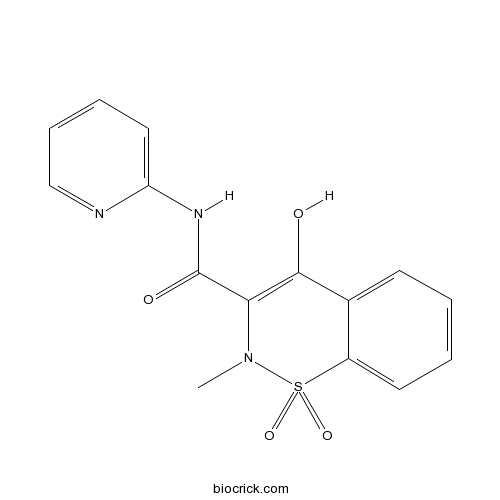
Piroxicam
Piroxicam (CP-16171) is a non-steroidal anti-inflammatory drugs, acts as a COX inhibitor, with IC50s of 47, 25 μM for human monocyte COX-1 and COX-2, respectively.
-
BCN5607
Resveratrol
Resveratrol (trans-Resveratrol; SRT501), a natural polyphenolic phytoalexin that possesses anti-oxidant, anti-inflammatory, cardioprotective, and anti-cancer properties. Resveratrol (SRT 501) has a wide spectrum of targets including mTOR, JAK, β-amyloid, Adenylyl cyclase, IKKβ, DNA polymerase. Resveratrol also is a specific SIRT1 activator. Resveratrol is a potent pregnane X receptor (PXR) inhibitor.

-
BCC7111
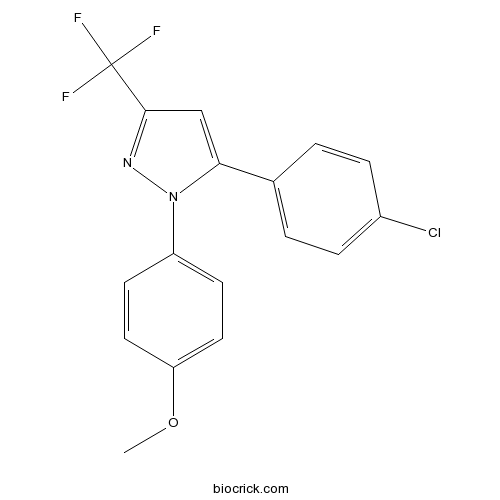
SC 560
SC-560 is a potent and selective COX-1 inhibitor with an IC50 of 9 nM.
-
BCC5948
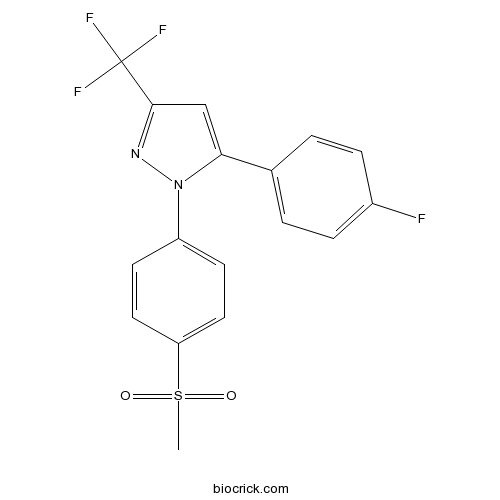
SC 58125
162054-19-5
-
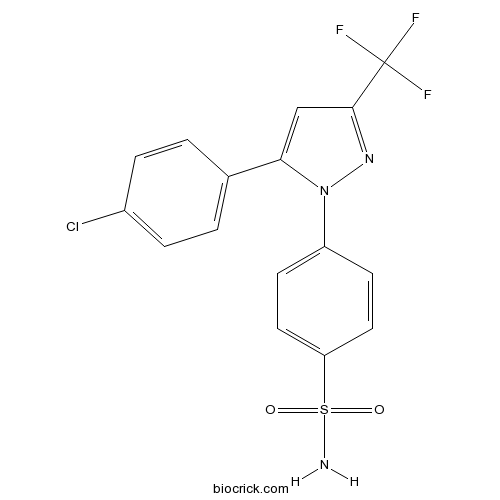
BCC7809
SC 236
170569-86-5
-
BCC4861
Sulindac
Sulindac (MK-231) is a non-steroidal antiinflammatory agent, acts as a COX-2 inhibitor, and inhibits overexpression of COX-2.

-
BCC7391
Talniflumate
66898-62-2

-
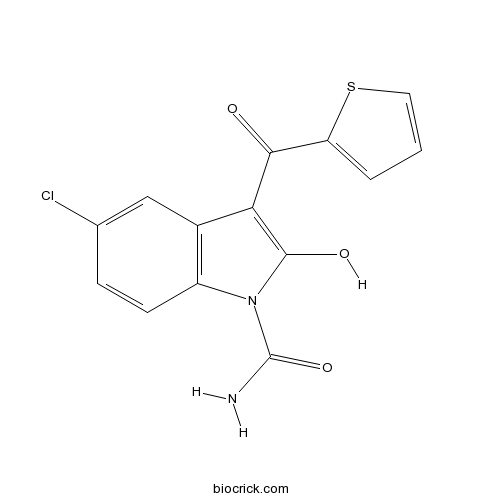
BCC7419
Tenidap
Tenidap, a non-steroidal anti-inflammatory drug, is a selective COX-1 inhibitor, with IC50 values of 0.03 µM and 1.2 µM for COX-1 and COX-2, respectively. Tenidap has anti-inflammatory and antirheumatic properties. Tenidap is also a specific SLC26A3 inhibitor.
-
BCC4441
Valdecoxib
Valdecoxib is a highly potent and selective inhibitor of COX-2, with IC50s of 5 nM and 140 μM for COX-2 and COX-1, respeceively. Valdecoxib can be used in the research of arthritis and pain.

-
BCC7576
BAY-u 9773
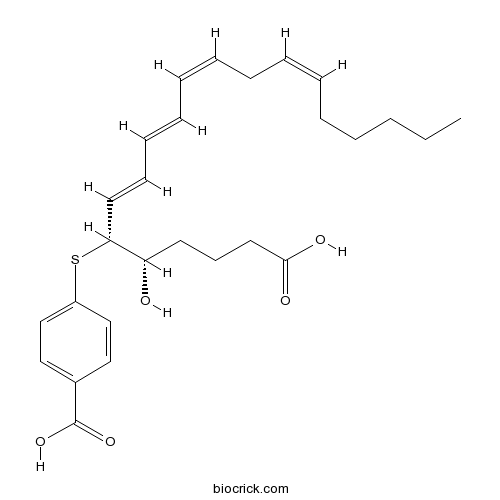
Dual CysLT<sub>1</sub> and CysLT<sub>2</sub> antagonist