
6-HydroxyflavanoneCAS# 190831-08-4 |
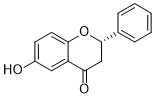
| Cas No. | 190831-08-4 | SDF | File under preparation. |
| PubChem ID | N/A | Appearance | Powder |
| Formula | C15H12O3 | M.Wt | 240.3 |
| Type of Compound | N/A | Storage | Desiccate at -20°C |
| Solubility | Soluble in Chloroform,Dichloromethane,Ethyl Acetate,DMSO,Acetone,etc. | ||
| General tips | For obtaining a higher solubility , please warm the tube at 37 ℃ and shake it in the ultrasonic bath for a while.Stock solution can be stored below -20℃ for several months. We recommend that you prepare and use the solution on the same day. However, if the test schedule requires, the stock solutions can be prepared in advance, and the stock solution must be sealed and stored below -20℃. In general, the stock solution can be kept for several months. Before use, we recommend that you leave the vial at room temperature for at least an hour before opening it. |
||
| About Packaging | 1. The packaging of the product may be reversed during transportation, cause the high purity compounds to adhere to the neck or cap of the vial.Take the vail out of its packaging and shake gently until the compounds fall to the bottom of the vial. 2. For liquid products, please centrifuge at 500xg to gather the liquid to the bottom of the vial. 3. Try to avoid loss or contamination during the experiment. |
||
| Shipping Condition | Packaging according to customer requirements(5mg, 10mg, 20mg and more). Ship via FedEx, DHL, UPS, EMS or other couriers with RT, or blue ice upon request. | ||
Quality Control & MSDS
Package In Stock

Number of papers citing our products


6-Hydroxyflavanone Dilution Calculator
6-Hydroxyflavanone Molarity Calculator
| 1 mg | 5 mg | 10 mg | 20 mg | 25 mg | |
| 1 mM | 4.1615 mL | 20.8073 mL | 41.6146 mL | 83.2293 mL | 104.0366 mL |
| 5 mM | 0.8323 mL | 4.1615 mL | 8.3229 mL | 16.6459 mL | 20.8073 mL |
| 10 mM | 0.4161 mL | 2.0807 mL | 4.1615 mL | 8.3229 mL | 10.4037 mL |
| 50 mM | 0.0832 mL | 0.4161 mL | 0.8323 mL | 1.6646 mL | 2.0807 mL |
| 100 mM | 0.0416 mL | 0.2081 mL | 0.4161 mL | 0.8323 mL | 1.0404 mL |
| * Note: If you are in the process of experiment, it's necessary to make the dilution ratios of the samples. The dilution data above is only for reference. Normally, it's can get a better solubility within lower of Concentrations. | |||||
- Guanidinoacetic acid
Catalog No.:BCX2340
CAS No.:352-97-6
- 3-Amino-3-(3,4-dimethoxyphenyl)propionic acid
Catalog No.:BCX2339
CAS No.:54160-63-3
- 3-Methyl-4-isopropylphenol
Catalog No.:BCX2338
CAS No.:3228-02-2
- Turanose
Catalog No.:BCX2337
CAS No.:547-25-1
- Doxofylline
Catalog No.:BCX2336
CAS No.:69975-86-6
- 5-Methoxytryptamine
Catalog No.:BCX2335
CAS No.:608-07-1
- L-Mannose
Catalog No.:BCX2334
CAS No.:10030-80-5
- L-Galactose
Catalog No.:BCX2333
CAS No.:15572-79-9
- L-Arabinose
Catalog No.:BCX2332
CAS No.:5328-37-0
- Norcantharidin
Catalog No.:BCX2331
CAS No.:29745-04-8
- Dopamine
Catalog No.:BCX2330
CAS No.:51-61-6
- L-Ornithine
Catalog No.:BCX2329
CAS No.:70-26-8
- D-Glucuronic acid
Catalog No.:BCX2342
CAS No.:6556-12-3
- Bryodulcosigenin
Catalog No.:BCX2343
CAS No.:88930-16-9
- Lactose
Catalog No.:BCX2344
CAS No.:63-42-3
- Acridone
Catalog No.:BCX2345
CAS No.:578-95-0
- Caffealdehyde
Catalog No.:BCX2346
CAS No.:141632-15-7
- (+)-Licarin B
Catalog No.:BCX2347
CAS No.:42016-15-9
- Pyridoxal phosphate
Catalog No.:BCX2348
CAS No.:54-47-7
- Methylaervine
Catalog No.:BCX2349
CAS No.:86293-40-5
- Pipemidic acid
Catalog No.:BCX2350
CAS No.:51940-44-4
- 2-tert-Butyl-4-methoxyphenol
Catalog No.:BCX2351
CAS No.:121-00-6
- 5-Pentadecylresorcinol
Catalog No.:BCX2352
CAS No.:3158-56-3
- Dotriacontane
Catalog No.:BCX2353
CAS No.:544-85-4
Targeting TLR4/NF-kappaB/NLRP3 signaling with 6-hydroxyflavanone mitigates amyloid-beta-induced Alzheimer's disease in mice.[Pubmed:42731509]
Biomed Pharmacother. 2026 Oct;203:119833.
Alzheimer's disease (AD) is the most common neurodegenerative disorder and is characterized by progressive cognitive decline, cholinergic dysfunction, oxidative stress, and neuroinflammation. Despite extensive research, effective disease-modifying therapies remain unavailable. 6-Hydroxyflavanone (6-OH-F), a naturally occurring flavonoid with antioxidant and anti-inflammatory properties, has not been investigated in AD. This study evaluated the neuroprotective potential of 6-OH-F against amyloid-beta (Abeta)-induced AD pathology. Network pharmacology was employed to identify potential targets and pathways associated with 6-OH-F in AD. Neuro-2a cells were pretreated with 6-OH-F (12.5-50 muM) before Abeta exposure, followed by assessment of cell viability, reactive oxygen species (ROS), acetylcholinesterase (AChE), NLRP3, TNF-alpha, and IL-1beta levels. AD was induced in mice by intracerebroventricular administration of pre-aggregated Abeta. Animals received 6-OH-F (15, 30, or 60 mg/kg, p.o.) for four weeks. Behavioral, biochemical, molecular, imaging, and histopathological analyses were subsequently performed. Network pharmacology revealed significant overlap between 6-OH-F targets and AD-associated genes, with enrichment of pathways related to neuronal function and inflammation. In vitro, 6-OH-F attenuated Abeta-induced cytotoxicity and reduced ROS, AChE, NLRP3, TNF-alpha, and IL-1beta levels. In vivo, 6-OH-F improved cognitive performance, alleviated oxidative stress and cholinergic dysfunction, and suppressed the expression of TLR4, pNF-kappaB, NLRP3, ASC, caspase-1, GSDMD, pro-inflammatory cytokines, IBA1, and GFAP. Furthermore, it reduced neuronal degeneration, blood-brain barrier disruption, and cerebral hemodynamic abnormalities. 6-OH-F ameliorates Abeta-induced cognitive impairment by attenuating oxidative stress, neuroinflammation, and pyroptotic signaling, potentially through modulation of the TLR4/NF-kappaB/NLRP3 pathway, highlighting its therapeutic potential in Alzheimer's disease.
Untargeted plasma metabolite detection in sudden sensorineural hearing loss: identifying key metabolic signatures.[Pubmed:40726995]
Front Mol Biosci. 2025 Jul 14;12:1567064.
BACKGROUND: Sudden sensorineural hearing loss (SSNHL) is a common otological disorder with complex etiologies and unclear pathophysiology. This study aimed to detect and analyze plasma metabolites in SSNHL, identify potential biomarkers, and uncover underlying metabolic mechanisms. METHODS: A cohort of 64 SSNHL, classified into four subtypes (low-frequency, high-frequency, flat and total deafness type), and 53 normal controls (NC) were recruited. Plasma samples were collected and analyzed by high-performance liquid chromatography-mass spectrometry (LC-MS). Metabolite profiling was performed, followed by multivariate statistical analyses, including orthogonal projections to latent structures-discriminant analysis (OPLS-DA) and partial least-squares discriminant analysis (PLS-DA) to find differentially expressed metabolites between the groups. RESULTS: The results showed significant differences in the plasma metabolome when comparing each of the four SSNHL types with NC. A total of 130 differentially expressed metabolites were identified, with sphingosine, anthranilic acid, and 6-Hydroxyflavanone (6-HF) being prominent examples. Were prominent. Pathway enrichment analysis indicated that these metabolites were mainly involved in central carbon metabolism, protein digestion and absorption, aminoacyl-tRNA biosynthesis, mineral absorption, etc. CONCLUSION: These findings imply that plasma metabolite profiling holds promise as a non-invasive approach for screening biomarkers in SSNHL. The identified differential metabolites and associated metabolic pathways may offer novel perspectives on the pathophysiology of SSNHL, presenting potential targets for future therapeutic interventions.
6-Hydroxyflavanone treats anxiety and chemotherapy-induced neuropathy in Sprague-Dawley rats.[Pubmed:39744130]
Front Pharmacol. 2024 Dec 18;15:1486918.
BACKGROUND: Cancer remains a predominant cause of death worldwide. The advent of effective chemotherapy has enormously decreased the mortality rate and increased the life expectancy of cancer patients. However, the adverse effects allied with chemotherapy contribute to the development of neurotoxicity, anxiety, and depression. OBJECTIVE: The dual effects of a novel flavanone, 6-Hydroxyflavanone (6-HF), were investigated in treating chemotherapy-induced neuropathy along with anxiolytic propensity. METHODS: The anti-neuropathy propensity of 6-HF was evaluated utilizing the cisplatin-induced neuropathy (CIN) model, whereas its anxiolytic activity was evaluated utilizing anxiety models, such as the elevated plus maze test (EPM), the staircase test, and the open-field paradigm. RESULT: Cisplatin administration induced static and dynamic allodynia in the rats. Concomitant administration of 6-HF and cisplatin for four successive weeks remarkably reduced the chemotherapy-induced mechanical allodynia, evident from an elevation in the paw withdrawal threshold (PWT) and paw withdrawal latency (PWL). The anxiolytic-like activity of 6-HF in the EPM apparatus was confirmed by the increased number of entries in the open arm and time spent at the central platform, which was further confirmed by the enhanced head-dipping frequency in the same assay. A decrease in rearing behavior of the mice without suppression of the steps ascended further assured the anxiolytic-like potential of 6-HF. Additionally, the animals under investigation spent more time at the intersection of the open-field apparatus, further confirming the anxiolytic potential of 6-HF. CONCLUSION: 6-HF might be considered a potential therapeutic agent for counteracting two common adverse effects of chemotherapy, neurotoxicity and anxiety.
The series of L-lysine-derived gelators-modified multifunctional chromatography stationary phase for separation of chiral and achiral compounds.[Pubmed:39163701]
J Chromatogr A. 2024 Sep 27;1733:465228.
In this study, using chiral L-lysine as the molecular skeleton, three kinds of L-lysine-derived gelators (G(BLB), G(BLF) and G(FLF)) were synthesized and then bonded to the surface of silica matrix (5 mum) by amide condensation to prepare a series of multifunctional chromatography stationary phases (G(BLB)-SiO(2), G(BLF)-SiO(2), and G(FLF)-SiO(2)) were prepared. The L-lysine-derived gelators not only possess chiral recognition ability, but also can spontaneously form oriented and ordered network structures in liquid medium through the interaction of non-covalent bonding forces such as hydrogen bonding, pi-pi stacking, and van der Waals forces. The comprehensive effect of multiple weak interaction sites enhances the molecular recognition ability and further improves the separation diversity of different types of compounds on stationary phases. The separation and evaluation of chiral compounds showed that benzoin, 1-phenyl-ethanol, 1-phenyl-propanol and 6-Hydroxyflavanone could be separated in normal phase mode (NPLC). The separation of different types of non-chiral compounds, such as sulfonamides, nucleosides, nucleobases, polycyclic aromatic hydrocarbons (PAHs), anilines, and aromatic acids, were achieved in hydrophilic interaction/reversed-phase/ion-exchange mode (HILIC/RPLC/IEC), and the separation of polarized compounds could be performed under the condition of ultrapure water as the mobile phase, which has the typical retention characteristics of per aqueous liquid chromatography (PALC). The effects of organic solvent content, temperature, pH value, and buffer salt concentration on the retention and separation performance of the column were investigated. Comparison of the three prepared columns showed that the separation performance (such as aromatic selectivity) could be improved by increasing the types of functional groups on the surface of the stationary phase and the number of aromatic groups. In a word, the prepared stationary phase have multiple retention properties, can simultaneously separate chiral compounds and various types of achiral compounds. This work provides an idea for developing multifunctional liquid chromatography stationary phase materials, and further expands the application of gelators in separation science.
Structural modification of naturally occurring phenolics as a strategy for developing cytotoxic molecules towards cancer cells.[Pubmed:37821361]
Arch Pharm (Weinheim). 2023 Dec;356(12):e2300294.
Natural products belonging to different chemical classes have been established as a promising source of novel anticancer drugs. Several low-molecular-weight compounds from the classes of monoterpenes, phenylpropanoids, and flavonoids were shown to possess anticancer activities in previous studies. In this work, over 20 semisynthetic derivatives of molecules belonging to these classes, namely thymol, eugenol, and 6-Hydroxyflavanone were synthesized and tested for their cytotoxicity against two human cancer cell lines, namely AGS cells (gastric adenocarcinoma) and A549 cells (human lung carcinoma). An initial screening based on viability assessment was performed to identify the most cytotoxic compounds at 100 muM. The results evidenced that two 6-Hydroxyflavanone derivatives were the most cytotoxic among the compounds tested, being selected for further studies. These derivatives displayed enhanced toxicity when compared with their natural counterparts. Moreover, the lactate dehydrogenase (LDH) assay showed that the loss of cell viability was not accompanied by a loss of membrane integrity, thus ruling out a necrotic process. Morphological studies with AGS cells demonstrated chromatin condensation compatible with apoptosis, confirmed by the activation of caspase 3/7. Furthermore, a viability assay on a noncancer human embryonic lung fibroblast cell line (MRC-5) confirmed that these two derivatives possess selective anticancer activity.
Targeting Anti-Inflammatory Pathways to Treat Diabetes-Induced Neuropathy by 6-Hydroxyflavanone.[Pubmed:37299516]
Nutrients. 2023 May 30;15(11):2552.
It is evident that inflammation and metabolic syndrome instigated by diabetes mellitus can precipitate diabetes-induced neuropathy (DIN) and pain. In order to find an effective therapeutic method for diabetes-related problems, a multi-target-directed ligand model was used. 6-Hydroxyflavanone (6-HF) carrying anti-inflammatory and anti-neuropathic pain potential due to its quadruplicate mechanisms, targeting cyclooxygenase-2 (COX-2), 5-lipoxygenase (5-LOX), and opioid and GABA-A receptors was investigated. The anti-inflammatory potential of the test drug was confirmed utilizing in silico, in vitro, and in vivo tests. A molecular simulation approach was utilized to observe the interaction of 6-HF with the inflammatory enzyme COX-2 as well as opioid and GABA-A receptors. The same was confirmed via in vitro COX-2 and 5-LOX inhibitory assays. In vivo tests were performed to analyze the thermal anti-nociception in the hot-plate analgesiometer and anti-inflammatory action in the carrageenan-induced paw edema model in rodents. The potential anti-nociceptive effect of 6-HF was evaluated in the DIN model in rats. The Naloxone and Pentylenetetrazole (PTZ) antagonists were used to confirm the underlying mechanism of 6-HF. The molecular modeling studies revealed a favorable interaction of 6-HF with the identified protein molecules. In vitro inhibitory studies revealed that 6-HF inhibited the COX-2 and 5-LOX enzymes significantly. The 6-HF at dosages of 15, 30, and 60 mg/kg substantially reduced heat nociception in a hot plate analgesiometer as well as carrageenan-induced paw edema in rodent models. The authors discovered that 6-HF had anti-nociception properties in a streptozotocin-induced diabetic neuropathy model. According to the findings of this study, 6-HF was demonstrated to diminish inflammation caused by diabetes as well as its anti-nociception effect in DIN.
Chiral and achiral separation of ten flavanones using supercritical fluid chromatography. Application to bee pollen analysis.[Pubmed:36375216]
J Chromatogr A. 2022 Dec 6;1685:463633.
The separation of ten flavanones (flavanone, 2'-hydroxyflavanone, 4'-hydroxyflavanone, 6-Hydroxyflavanone, 7-hydroxyflavanone, naringenin, naringin, hesperetin, pinostrobin, and taxifolin) using supercritical fluid chromatography and considering achiral and chiral approaches has been studied in this work. For this purpose, different stationary phases and organic modifiers have been checked. Considering the achiral separation, the best results were obtained with the Lichrospher 100 Diol column at 35 degrees C, 3 mL/min, 150 bar and a gradient of 2-propanol from 5% to 50%. The baseline separation of the ten compounds was achieved in 18 min. Using the chiral column Chiralpak AD, the separation of the ten pairs of enantiomers was obtained in 32 min. In this case, the chromatographic conditions were 30 degrees C, 3 mL/min, 150 bar and the organic modifier was a mixture ethanol/methanol (80:20) containing 0.1% of trifluoroacetic acid applied in an elution gradient from 15% to 50%. The applicability of the proposed chiral method was assessed by analysing bee pollen samples and 2S-pinostrobin was determined in some of them.
In Vitro Anti-Diabetic Activities and UHPLC-ESI-MS/MS Profile of Muntingia calabura Leaves Extract.[Pubmed:35011523]
Molecules. 2022 Jan 4;27(1):287.
Anti-diabetic compounds from natural sources are now being preferred to prevent or treat diabetes due to adverse effects of synthetic drugs. The decoction of Muntingia calabura leaves was traditionally consumed for diabetes treatment. However, there has not been any published data currently available on the processing effects on this plant's biological activity and phytochemical profile. Therefore, this study aims to evaluate the effect of three drying methods (freeze-drying (FD), air-drying (AD), and oven-drying (OD)) and ethanol:water ratios (0, 50, and 100%) on in vitro anti-diabetic activities of M. calabura leaves. In addition, an ultrahigh-performance-liquid chromatography-electrospray ionization tandem mass spectrometry (UHPLC-ESI-MS/MS) method was used to characterize the metabolites in the active extract. The FD M. calabura leaves, extracted with 50% ethanol, is the most active extract that exhibits a high alpha-glucosidase and alpha-amylase inhibitory activities with IC(50) values of 0.46 +/- 0.05 and 26.39 +/- 3.93 microg/mL, respectively. Sixty-one compounds were tentatively identified by using UHPLC-ESI-MS/MS from the most active extract. Quantitative analysis, by using UHPLC, revealed that geniposide, daidzein, quercitrin, 6-Hydroxyflavanone, kaempferol, and formononetin were predominant compounds identified from the active extract. The results have laid down preliminary steps toward developing M. calabura leaves extract as a potential source of bioactive compounds for diabetic treatment.
Development of flavanone and its derivatives as topical agents against psoriasis: The prediction of therapeutic efficiency through skin permeation evaluation and cell-based assay.[Pubmed:32220586]
Int J Pharm. 2020 May 15;581:119256.
Flavonoids inhibit skin inflammation. Previous study suggests that the flavonoids with flavanone backbone were beneficial to penetrate into the skin. We aimed to investigate the possibility of psoriasis treatment by topically applied flavanone and its derivatives including naringenin, hesperetin, 6-Hydroxyflavanone, flavanone, and 6-bromoflavone. The skin absorption of the compounds was determined by Franz cells. Molecular modeling was used to compute the physicochemical and molecular parameters of the penetrants in order to elucidate the correlation between structure and permeation. Among the compounds tested, flavanone showed the greatest skin absorption. The in vitro skin absorption predicted efficient skin targeting of 6-bromoflavone with minimal risk of circulation absorption. The permeation of naringenin was remarkably enhanced 13-fold in the barrier-defective skin mimicking inflamed skin. The penetrants with fewer hydrogen bond number, total polarity surface, and molecular volume were advantageous for facile skin absorption. In the cell-based study, IL-1beta inhibition in imiquimod (IMQ)-stimulated keratinocytes was increased following the increase in compound lipophilicity. Naringenin, a flavanone analog with three hydroxyl moieties, could suppress IL-6 overexpression to baseline control. We assessed the anti-inflammatory potency of the chemicals in comparison with tacrolimus as reference in a psoriasis-like mouse model. Flavanone was found to mitigate scaling and epidermal hyperplasia at a higher level than naringenin. Flavanone lessened IL-6 overexpression by 80% in the psoriasiform plaque. The skin barrier function recorded by transepidermal water loss (TEWL) was recovered by naringenin but not flavanone. The experimental data indicate that naringenin and flavanone are potential candidates for anti-psoriatic therapy.
Position Impact of Hydroxy Groups on Spectral, Acid-Base Profiles and DNA Interactions of Several Monohydroxy Flavanones.[Pubmed:31443449]
Molecules. 2019 Aug 22;24(17):3049.
Structure-related biological activities of flavanones are still considered largely unexplored. Since they exhibit various medicinal activities, it is intriguing to enter deeper into their chemical structures, electronic transitions or interactions with some biomolecules in order to find properties that allow us to better understand their effects. Little information is available on biological activity of flavanone and its monohydroxy derivatives in relation to their physicochemical properties as spectral profiles, existence of protonated/deprotonated species under pH changes or interaction with Calf Thymus DNA. We devoted this work to research demonstrating differences in the physicochemical properties of the four flavanones: flavanone, 2'-hydroxyflavanone, 6-Hydroxyflavanone and 7-hydroxyflavanone and linking them to their biological activity. Potentiometric titration, UV-Vis spectroscopy were used to investigate influence of pH on acid-base and spectral profiles and to propose the mode of interaction with DNA. Cyclic voltammetry was applied to evaluate antioxidant potentiality and additionally, theoretical DFT(B3LYP) method to disclose electronic structure and properties of the compounds. Molecular geometries, proton affinities and pK(a) values have been determined. According to computational and cyclic voltammetry results we could predict higher antioxidant activity of 6-Hydroxyflavanone with respect to other compounds. The values of K(b) intrinsic binding constants of the flavanones indicated weak interactions with DNA. Structure-activity relationships observed for antioxidant activity and DNA interactions suggest that 6-Hydroxyflavanone can protect DNA against oxidative damage most effectively than flavanone, 2'-hydroxyflavanone or 7-hydroxyflavanone.
Antityrosinase, Antioxidant, and Cytotoxic Activities of Phytochemical Constituents from Manilkara zapota L. Bark.[Pubmed:31370334]
Molecules. 2019 Jul 31;24(15):2798.
Hyperpigmentation is considered by many to be a beauty problem and is responsible for photoaging. To treat this skin condition, medicinal cosmetics containing tyrosinase inhibitors are used, resulting in skin whitening. In this study, taraxerol methyl ether (1), spinasterol (2), 6-Hydroxyflavanone (3), (+)-dihydrokaempferol (4), 3,4-dihydroxybenzoic acid (5), taraxerol (6), taraxerone (7), and lupeol acetate (8) were isolated from Manilkara zapota bark. Their chemical structures were elucidated by analysis of their nuclear magnetic resonance (NMR) spectroscopy and mass spectrometry (MS) data, and by comparing them with data found in the literature. The in vitro antityrosinase, antioxidant, and cytotoxic activities of the isolated compounds (1-8) were evaluated. (+)-Dihydrokaempferol (4) exhibited higher monophenolase inhibitory activity than both kojic acid and alpha-arbutin. However, it showed diphenolase inhibitory activity similar to kojic acid. (+)-Dihydrokaempferol (4) was a competitive inhibitor of both monophenolase and diphenolase activities. It exhibited the strongest 2,2-diphenyl-1-picrylhydrazyl (DPPH), 2,2'-azino-bis(3-ethylbenzothiazoline-6-sulfonic acid (ABTS), and ferric reducing antioxidant power (FRAP) activities of the isolated compounds. Furthermore, (+)-dihydrokaempferol (4) also demonstrated potent cytotoxicity in breast carcinoma cell line (BT474), lung bronchus carcinoma cell line (Chago-K1), liver carcinoma cell line (HepG2), gastric carcinoma cell line (KATO-III), and colon carcinoma cell line (SW620). These results suggest that M. zapota bark might be a good potential source of antioxidants and tyrosinase inhibitors for applications in cosmeceutical products.
Thiol-ene click derived structurally well-defined per(3,5-dimethyl)phenylcarbamoylated cationic cyclodextrin separation material for achiral and chiral chromatography.[Pubmed:29726105]
J Sep Sci. 2018 Jul;41(13):2710-2718.
In this work, a novel single sulfoether-bridged cationic per(3,5-dimethyl)phenylcarbamoylated-beta-cyclodextrin separation material was prepared by thiol-ene click chemistry and characterized by using FTIR spectroscopy, solid-state (13) C NMR spectroscopy and elemental analysis, which confirmed the correct structure. The separation material exhibited a good achiral separation performance for benzene homologues and phenylamine analogs, especially o-xylene and m-xylene, and m-phenylenediamine and o-phenylenediamine can be discriminated by the (3,5-dimethyl)phenylcarbamoyl cyclodextrins. The chiral resolving ability of the separation material was evaluated by discriminating various isoxazolines, flavonoids, and beta-blockers in reversed-phase high-performance liquid chromatography. For isoxazolines, the material showed the best chiral discrimination toward 3-aryl-5-(2-oxopyrrolidin-1-yl)-isoxazolines, where the resolution for 3ClPh-OPr reached 6.03. For flavonoids, it exhibited more efficient separation to the ones with more hydrophobic substituents, with a resolution of 5.93 for 6-Hydroxyflavanone. beta-Blockers were also enantioseparated satisfactorily on the material. The as-prepared separation material is a good member of the thiol-ene click derived cyclodextrin stationary phase family.
Ordered mesoporous silica functionalized with beta-cyclodextrin derivative for stereoisomer separation of flavanones and flavanone glycosides by nano-liquid chromatography and capillary electrochromatography.[Pubmed:28202192]
J Chromatogr A. 2017 Mar 24;1490:166-176.
In this paper a chiral stationary phase (CSP) was prepared by the immobilization of a beta-CD derivative (3,5-dimethylphenylcarbamoylated beta-CD) onto the surface of amino-functionalized spherical ordered mesoporous silica (denoted as SM) via a urea linkage using the Staudinger reaction. The CSP was packed into fused silica capillaries 100mum I.D. and evaluated by means of nano-liquid chromatography (nano-LC) and capillary electrochromatography (CEC) using model compounds for the enantio- and the diastereomeric separation. The compounds flavanone, 2'-hydroxyflavanone, 4'-hydroxyflavanone, 6-Hydroxyflavanone, 4'-methoxyflavanone, 7-methoxyflavanone, hesperetin, hesperidin, naringenin, and naringin were studied using reversed and polar organic elution modes. Baseline stereoisomer resolution and good results in terms of peak efficiency and short analysis time of all studied flavonoids and flavanones glycosides were achieved in reversed phase mode, using as mobile phase a mixture of MeOH/H(2)O, 10mM ammonium acetate pH 4.5 at different ratios. For the polar organic mode using 100% of MeOH as mobile phase, the CSP showed better performances and the baseline chiral separation of several studied compounds occurred in an analysis time of less than 10min. Good results were also achieved by CEC employing two different mobile phases. The use of MeOH/H(2)O, 5mM ammonium acetate buffer pH 6.0 (90/10, v/v) was very effective for the chiral resolution of flavanone and its methoxy and hydroxy derivatives.
[Study on Fluorescence Properties of Flavanone and Its Hydroxyl Derivatives].[Pubmed:30048098]
Guang Pu Xue Yu Guang Pu Fen Xi. 2016 Apr;36(4):1007-12.
Flavanone derivatives are important active ingredients of natural medicine, so the synthesis of these compounds is one of the research hotspots of organic synthesis. Nevertheless, there is little research on fluorescence properties of these compounds up to now. Fluorescence properties of flavanone and 6 kinds of hydroxyl derivatives are studied in this paper. It is found that aqueous solutions of flavanone (FV), 7-hydroxyflavanone (7HF) and 6-Hydroxyflavanone (6HF) have fluorescence, but aqueous solutions of 2'-hydroxyflavanone (2'HF), 4'-hydroxyflavanone (4'HF), naringenin and pinocembrin basically have no fluorescence. In three dimensional fluorescence spectra, excitation wavelengths lambdaex of FV are located at 235, 265 and 340 nm, emission wavelength lambdaem is at 386 nm; lambdaex of 7HF are at 230, 276 and 315 nm, lambdaem is at 391 nm; lambdaex of 6HF are at 260 and 356 nm, em is at 482 nm. Influences of pH on fluorescence of FV, 7HF and 6HF are studied, and the reasons of pH affects on fluorescence are discussed from the viewpoint of molecular structure. The UV-absorption spectra of 7HF and 6HF at different pH are studied, and the proton ionization constants (pKa) of 7HF and 6HF are determined respectively to be 7.26+/-0.05 and 9.90+/-0.02, by a pH-absorption method. Influences of solvent (methanol) on fluorescence of FV, 7HF and 6HF are studied, and find that the fluorescence of FV and 7HF in methanol are weaker than that in water, but the fluorescence of 6HF in methanol is much stronger. In ordered media (SDS, CTAB and beta-CD), fluorescence of FV and 7HF decreased than that in water, but the fluorescence of 6HF enhanced in the media of beta-CD or CTAB. Using quinine sulfate or L-tryptophane as reference, fluorescence quantum yields of FV and 7HF aqueous solutions are measured to be 0.057 and 0.012, respectively; fluorescence quantum yields of 6HF in methanol or in aqueous solution containing 1.62 mg.mL-1 beta-CD are measured to be 0.064 or 0.012, respectively.
Eleven Microbial Metabolites of 6-Hydroxyflavanone.[Pubmed:26235165]
Chem Pharm Bull (Tokyo). 2015;63(8):579-83.
6-Hydroxyflavanone (1) when fermented with fungal culture Cunninghamella blakesleeana (ATCC 8688a) yielded flavanone 6-O-beta-D-glucopyranoside (2), flavanone 6-sulfate (3), and 6-Hydroxyflavanone 7-sulfate (4). Aspergillus alliaceus (ATCC 10060) also transformed 1 to metabolite 3 as well as 4'-hydroxyflavanone 6-sulfate (5) and 6,4'-dihydroxyflavanone (6). Beauveria bassiana (ATCC 7159) metabolized 1 to 6 and flavanone 6-O-beta-D-4-O-methyglucopyranoside (7). Mucor ramannianus (ATCC 9628) transformed 1 to 2,4-cis-6-hydroxyflavan-4-ol (8), 2,4-trans-6-hydroxyflavan-4-ol (9), 2,4-trans-6,4'-dihydroxyflavan-4-ol 5-sulfate (10), 1,3-cis-1-methoxy-1-(2,5-dihydroxyphenyl)-3-phenylpropane (11) and 2,4-trans-flavan-4-ol 6-sulfate (12). Structures of the metabolic products were elucidated by means of spectroscopic data. None of the metabolites tested showed antibacterial, antifungal and antimalarial activities against selected organisms. However, weak antileishmanial activity was observed for metabolite 11 when tested against Leishmania donovani.

Calcutta University

University of Minnesota

University of Maryland School of Medicine

University of Illinois at Chicago

The Ohio State University

University of Zurich

Harvard University

Colorado State University

Auburn University

Yale University

Worcester Polytechnic Institute

Washington State University

Stanford University

University of Leipzig

Universidade da Beira Interior

The Institute of Cancer Research

Heidelberg University

University of Amsterdam

University of Auckland

TsingHua University

The University of Michigan

Miami University

DRURY University

Jilin University

Fudan University

Wuhan University

Sun Yat-sen University

Universite de Paris

Deemed University

Auckland University

The University of Tokyo

Korea University



