
LactoseCAS# 63-42-3 |
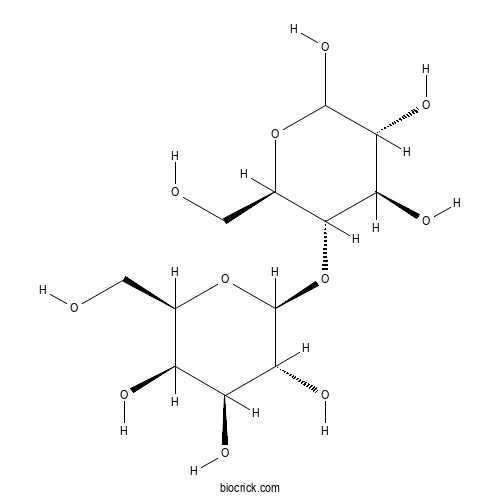
| Cas No. | 63-42-3 | SDF | File under preparation. |
| PubChem ID | 440995.0 | Appearance | Powder |
| Formula | C12H22O11 | M.Wt | 342.3 |
| Type of Compound | N/A | Storage | Desiccate at -20°C |
| Solubility | Soluble in Chloroform,Dichloromethane,Ethyl Acetate,DMSO,Acetone,etc. | ||
| Chemical Name | (2R,3R,4S,5R,6S)-2-(hydroxymethyl)-6-[(2R,3S,4R,5R)-4,5,6-trihydroxy-2-(hydroxymethyl)oxan-3-yl]oxyoxane-3,4,5-triol | ||
| SMILES | C(C1C(C(C(C(O1)OC2C(OC(C(C2O)O)O)CO)O)O)O)O | ||
| Standard InChIKey | GUBGYTABKSRVRQ-QKKXKWKRSA-N | ||
| Standard InChI | InChI=1S/C12H22O11/c13-1-3-5(15)6(16)9(19)12(22-3)23-10-4(2-14)21-11(20)8(18)7(10)17/h3-20H,1-2H2/t3-,4-,5+,6+,7-,8-,9-,10-,11?,12+/m1/s1 | ||
| General tips | For obtaining a higher solubility , please warm the tube at 37 ℃ and shake it in the ultrasonic bath for a while.Stock solution can be stored below -20℃ for several months. We recommend that you prepare and use the solution on the same day. However, if the test schedule requires, the stock solutions can be prepared in advance, and the stock solution must be sealed and stored below -20℃. In general, the stock solution can be kept for several months. Before use, we recommend that you leave the vial at room temperature for at least an hour before opening it. |
||
| About Packaging | 1. The packaging of the product may be reversed during transportation, cause the high purity compounds to adhere to the neck or cap of the vial.Take the vail out of its packaging and shake gently until the compounds fall to the bottom of the vial. 2. For liquid products, please centrifuge at 500xg to gather the liquid to the bottom of the vial. 3. Try to avoid loss or contamination during the experiment. |
||
| Shipping Condition | Packaging according to customer requirements(5mg, 10mg, 20mg and more). Ship via FedEx, DHL, UPS, EMS or other couriers with RT, or blue ice upon request. | ||
Quality Control & MSDS
3D structure
Package In Stock

Number of papers citing our products


Lactose Dilution Calculator
Lactose Molarity Calculator
-
 MaltotetraoseCatalog No.: BCN6709CAS No.: 34612-38-9
-
 MaltohexaoseCatalog No.: BCN6710CAS No.: 34620-77-4
-
 LactoseCatalog No.: BCN8387CAS No.: 14641-93-1
-
 MaltoseCatalog No.: BCC8338CAS No.: 69-79-4
-
 MaltoheptaoseCatalog No.: BCX0731CAS No.: 34620-78-5
-
 MaltotrioseCatalog No.: BCX0776CAS No.: 1109-28-0
-
 MaltooctaoseCatalog No.: BCX0906CAS No.: 6156-84-9
-
 MaltodecaoseCatalog No.: BCX0994CAS No.: 6082-21-9
-
 D-(+)-Lactose MonohydrateCatalog No.: BCN9037CAS No.: 64044-51-5
-
 TrehaloseCatalog No.: BCC9182CAS No.: 99-20-7
-
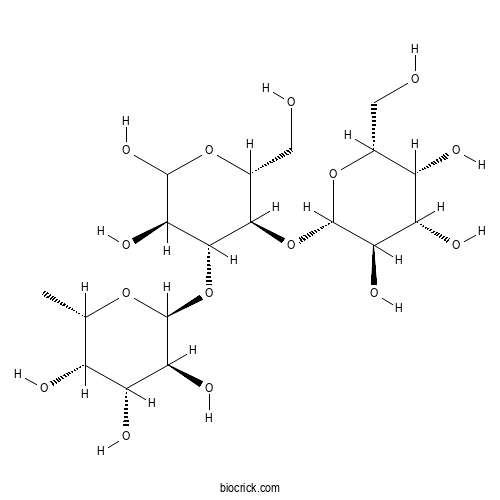 3-FucosyllactoseCatalog No.: BCX1056CAS No.: 41312-47-4
-
 Galactopinitol ACatalog No.: BCC8926CAS No.: 64290-91-1
-
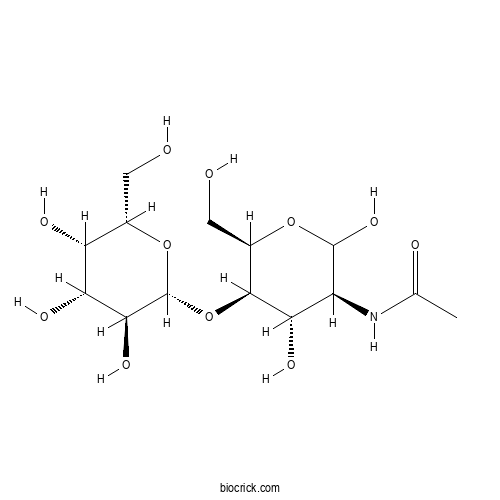 N-Acetyl-D-lactosamineCatalog No.: BCX1181CAS No.: 32181-59-2
-
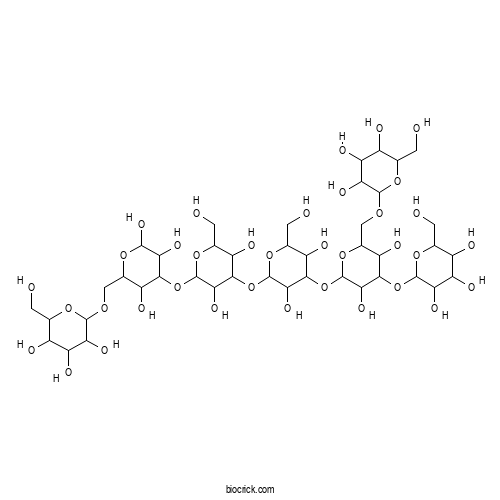 LentinanCatalog No.: BCX0740CAS No.: 37339-90-5
-
 IsoMaltoseCatalog No.: BCN8321CAS No.: 499-40-1
-
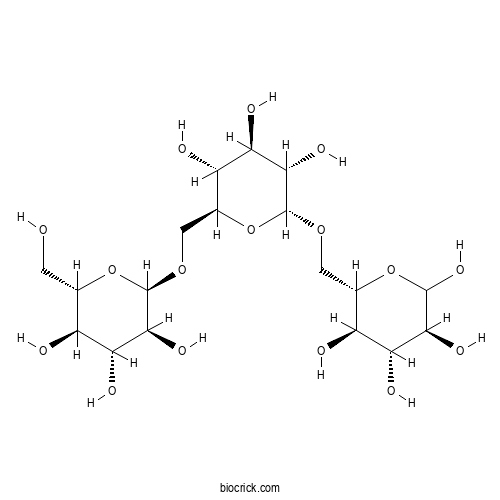 IsomaltotrioseCatalog No.: BCX0909CAS No.: 3371-50-4
-
 beta-D-glucoseCatalog No.: BCN8171CAS No.: 492-61-5
-
 D-GalactoseCatalog No.: BCN8528CAS No.: 59-23-4
-
 D-(+)-MannoseCatalog No.: BCC8311CAS No.: 3458-28-4
-
 α-D-GlucoseCatalog No.: BCC9197CAS No.: 492-62-6
| 1 mg | 5 mg | 10 mg | 20 mg | 25 mg | |
| 1 mM | 2.9214 mL | 14.6071 mL | 29.2141 mL | 58.4283 mL | 73.0353 mL |
| 5 mM | 0.5843 mL | 2.9214 mL | 5.8428 mL | 11.6857 mL | 14.6071 mL |
| 10 mM | 0.2921 mL | 1.4607 mL | 2.9214 mL | 5.8428 mL | 7.3035 mL |
| 50 mM | 0.0584 mL | 0.2921 mL | 0.5843 mL | 1.1686 mL | 1.4607 mL |
| 100 mM | 0.0292 mL | 0.1461 mL | 0.2921 mL | 0.5843 mL | 0.7304 mL |
| * Note: If you are in the process of experiment, it's necessary to make the dilution ratios of the samples. The dilution data above is only for reference. Normally, it's can get a better solubility within lower of Concentrations. | |||||
- Bryodulcosigenin
Catalog No.:BCX2343
CAS No.:88930-16-9
- D-Glucuronic acid
Catalog No.:BCX2342
CAS No.:6556-12-3
- 6-Hydroxyflavanone
Catalog No.:BCX2341
CAS No.:190831-08-4
- Guanidinoacetic acid
Catalog No.:BCX2340
CAS No.:352-97-6
- 3-Amino-3-(3,4-dimethoxyphenyl)propionic acid
Catalog No.:BCX2339
CAS No.:54160-63-3
- 3-Methyl-4-isopropylphenol
Catalog No.:BCX2338
CAS No.:3228-02-2
- Turanose
Catalog No.:BCX2337
CAS No.:547-25-1
- Doxofylline
Catalog No.:BCX2336
CAS No.:69975-86-6
- 5-Methoxytryptamine
Catalog No.:BCX2335
CAS No.:608-07-1
- L-Mannose
Catalog No.:BCX2334
CAS No.:10030-80-5
- L-Galactose
Catalog No.:BCX2333
CAS No.:15572-79-9
- L-Arabinose
Catalog No.:BCX2332
CAS No.:5328-37-0
- Acridone
Catalog No.:BCX2345
CAS No.:578-95-0
- Caffealdehyde
Catalog No.:BCX2346
CAS No.:141632-15-7
- (+)-Licarin B
Catalog No.:BCX2347
CAS No.:42016-15-9
- Pyridoxal phosphate
Catalog No.:BCX2348
CAS No.:54-47-7
- Methylaervine
Catalog No.:BCX2349
CAS No.:86293-40-5
- Pipemidic acid
Catalog No.:BCX2350
CAS No.:51940-44-4
- 2-tert-Butyl-4-methoxyphenol
Catalog No.:BCX2351
CAS No.:121-00-6
- 5-Pentadecylresorcinol
Catalog No.:BCX2352
CAS No.:3158-56-3
- Dotriacontane
Catalog No.:BCX2353
CAS No.:544-85-4
- Phenylephrine
Catalog No.:BCX2354
CAS No.:59-42-7
- Uridine 5'-diphosphogaluronic acid trisodium
Catalog No.:BCX2355
CAS No.:148407-07-2
- Cisplatin
Catalog No.:BCX2356
CAS No.:15663-27-1
Spray-dried simvastatin-loaded dry emulsions as preformulations for 2D printing inks: effects of carrier and ink medium composition on redispersion and stability.[Pubmed:42830158]
Int J Pharm. 2026 Oct 4:127508.
This study evaluated spray-dried simvastatin-loaded dry emulsions as preformulations for the extemporaneous preparation of two-dimensional (2D) printing inks. The concept was based on stable solid intermediates intended for redispersion immediately before use, rather than storage as pre-mixed drug-loaded liquid inks. Oil-in-water emulsions containing simvastatin were prepared using Lactose, maltodextrin, nanocrystalline cellulose (NCC)/Lactose and NCC/maltodextrin as carrier systems, with and without antioxidants, and converted into dry emulsions by spray drying. The resulting powders were characterized for particle size, morphology, drug solid state, encapsulation efficiency and redispersibility, and were subjected to one-month stability testing. After redispersion in different propylene glycol/water media, the reconstituted systems were evaluated for particle size, surface tension and viscosity, together with physical and chemical stability. Carrier composition strongly affected powder properties and simvastatin retention. Lactose formulations showed higher encapsulation efficiency than maltodextrin formulations, while NCC affected simvastatin retention in a carrier- and condition-dependent manner, with NCC/Lactose showing the most favorable chemical stability profile. Simvastatin was partly crystalline in Lactose and NCC/Lactose particles, whereas it was amorphous in maltodextrin and NCC/maltodextrin systems. NCC/Lactose provided the most favorable simvastatin retention across both dry and redispersed formulations, while maltodextrin-based systems produced smaller dry and redispersed particles that showed higher physical stability over the storage period. The blank ink medium also influenced redispersion performance: water-rich media promoted smaller particles, whereas propylene glycol-rich media resulted in higher simvastatin retention regardless of the carrier used. This demonstrates the potential of spray-dried dry emulsions as solid preformulations for 2D printing inks, while highlighting the need to tailor both carrier and blank ink medium composition to the physicochemical properties of the incorporated drug.
Genetic and non-genetic factors influencing milk composition and cow metabolism.[Pubmed:42828335]
Arch Anim Breed. 2026 Oct 2;69(4):541-552.
The aim of this study was to evaluate the influence of genetic and non-genetic factors on milk composition and cow metabolism. Czech Holstein ( n = 230 ) and Czech Simmental cows ( n = 289 ) were analysed. The effects of farm, breed, parity, lactation stage, and polymorphisms on the AGPAT6, SCD1, FASN, LEP, and DGAT1 genes were evaluated. The contents of protein, fat, and fatty acids (FAs); the levels of beta -hydroxybutyric acid (BHB), citric acid, acetone, and urea; and somatic cell scores were analysed. The farm and lactation stages were the most significant factors influencing the parameters, as well as their interactions. The effects of parity and breed were much weaker. The impact of gene polymorphisms was very low, as were the interactions between gene and farm, between lactation stage and farm, and between parity and lactation stage. BHB levels were influenced by farm in the models including all genes and by parity in the models including AGPAT6, SCD1, and DGAT1 genes. In contrast, the effect of lactation stage on BHB levels was not significant in any model. The contents of protein and Lactose were influenced by parity and lactation stage and, in some cases, by farm-lactation stage interactions and by gene polymorphisms. Urea, citric acid, acetone, and FA levels were affected by the lactation stage, and urea was also affected by the interaction of the farm and lactation stage. Daily milk production correlated negatively and significantly with components other than urea, acetone, BHB, and polyunsaturated FAs. The urea content and milk yield were significantly positively correlated. The correlations of BHB with fat / protein and fat / Lactose ratios were significantly positive, but the prediction of ketosis in individual cows does not seem to be reliable. The level of BHB in milk, which is routinely assessed during milk performance testing, is suggested as a field predictor of clinical or subclinical ketosis in animals.
A rare case of gastroenteritis due to salmonella enterica serovar Infantis in South India.[Pubmed:42827777]
Front Public Health. 2026 Sep 18;14:1874658.
Salmonella enterica serovar Infantis is an emerging non-typhoidal Salmonella (NTS) serovar increasingly associated with foodborne gastroenteritis. Human infections caused by this serovar remain underreported in India. We report a case of acute gastroenteritis caused by Salmonella enterica serovar Infantis in a 53-year-old male from South India. The patient presented with acute-onset watery diarrhoea for six days associated with intermittent fever and recent outside food consumption. Stool culture yielded non-Lactose fermenting colonies identified by automated identification using the VITEK-2 Compact system as Salmonella group, which was subsequently confirmed as Salmonella enterica serovar Infantis by the National Institute for Research in Bacterial Infections, Kolkata, India. Antimicrobial susceptibility testing revealed susceptibility to ceftriaxone, cefepime, carbapenems, ciprofloxacin, and trimethoprim/sulfamethoxazole, while resistance to aminoglycosides and cefuroxime-axetil was observed. The patient improved clinically with ceftriaxone therapy and supportive management. This case highlights the emerging clinical importance of S. Infantis in India and underscores the necessity of routine serotyping, antimicrobial susceptibility testing, and strengthened surveillance to monitor evolving resistance patterns and public health risks associated with NTS infections.
Coated bacterial enzymes: a one-step approach for enzymatic purification and immobilization.[Pubmed:42823390]
Prep Biochem Biotechnol. 2026 Oct 1:1-13.
The purification of industrial enzymes typically relies on costly, multi‑step chromatographic protocols. To address this, we developed a novel platform termed Coated Bacterial Enzymes (CBEs), which enables one‑step purification and immobilization of recombinant proteins fused to the SlpA cell wall binding domain. As a proof of concept, we used a beta‑galactosidase from Bifidobacterium bifidum of dairy relevance. The chimeric enzyme BbgII‑SlpA was expressed in Escherichia coli and captured from crude lysate onto glutaraldehyde‑inactivated Bacillus subtilis cells via SlpA domain. Binding was characterized by a dissociation constant (K(d)) of 16.2 muM and maximum binding capacity (B(max)) of 144 mumol/g. The resulting CBEs biocatalyst exhibited optimal activity at pH 6.0 for ONPG and Lactose, with a broader pH profile than the free enzyme. Optimal temperatures were 60 degrees C for ONPG and 50 degrees C for Lactose, and CBEs retained >80% activity after 390 min at 45 degrees C, compared to 20% for the free enzyme. Catalytic efficiencies (kcat/Km) were 2.62 x 10(6) M(-1).s(-1) for ONPG and 4.40 x 10(2) M(-1).s(-1) for Lactose. Moreover, CBEs showed improved tolerance to cations such as Ca(2+) and Fe(2+). Furthermore, at 7 degrees C in skim milk, the CBEs achieved approximately 53% Lactose hydrolysis within 20 h and retained 35-45% of its initial activity after five reuse cycles.
Functional and Structural Characterization of the Erythrina fusca Seed Lectin EFusL: A GalNAc-Binding Lectin with Specificity for Tumor-Associated O‑Glycans.[Pubmed:42819266]
ACS Omega. 2026 Aug 18;11(34):51677-51689.
Lectins from the genus Erythrina are predominantly galactoside-binding legume lectins with conserved structural features and established use as glycan-recognition tools. However, several species remain incompletely characterized, including the seed lectin from Erythrina fusca (EFusL). Here, EFusL was isolated by single-step Lactose-agarose affinity chromatography and characterized by hemagglutination assays, carbohydrate inhibition, physicochemical stability tests, electrophoresis, mass spectrometry-based sequencing, structural modeling, molecular docking, and toxicity assays. EFusL migrated as a 29-31 kDa glycoprotein and contained approximately 4.3% neutral carbohydrates. Hemagglutination inhibition confirmed a galactoside-directed profile, with Lactose, gaLactose, and N-acetyl-d-galactosamine among the effective inhibitors. EFusL showed maximal hemagglutinating activity at pH 8.0, retained activity up to 40 degrees C, and displayed reduced activity after EDTA treatment with partial recovery following Ca(2+)/Mn(2+) supplementation. Sequence analysis identified a 249-residue mature lectin highly similar to Erythrina corallodendron and Erythrina cristagalli lectins, including conservation of residues associated with galactoside recognition. Structural modeling supported the canonical beta-sandwich legume lectin fold, and docking analyses indicated that EFusL accommodates galactoside ligands through a conserved polar interaction network comparable to related Erythrina lectins and legume lectins in general. Under the tested conditions, EFusL did not induce lethality in Artemia salina and did not significantly affect NHDF viability, although moderate reductions in HeLa and HT-1080 viability were observed under selected concentration- and time-dependent conditions. Together, these results define EFusL as a structurally conserved, galactoside-binding Erythrina lectin with moderate physicochemical stability and limited cell-type-dependent effects in the evaluated models, supporting its classification within the canonical Erythrina lectin group with similar biotechnological potential.
Subchronic exposure to an abamectin-chlorantraniliprole mixture alters mammary gland integrity, cell proliferation and apoptosis, lactation, and reproductive performance in female rabbits.[Pubmed:42815809]
Reprod Toxicol. 2026 Sep 30;146:109369.
This study investigated the effects of subchronic exposure to Voliam Targo(R) (VT), a binary insecticide containing abamectin and chlorantraniliprole, on maternal reproduction, lactation, lipid metabolism, milk composition, and mammary gland integrity in female rabbits. Thirty nulliparous rabbits (30 females and 30 males; Oryctolagus cuniculus) were randomly assigned to control or VT-treated groups (15 mg/kg body weight/day by oral gavage) for 12 consecutive weeks. Following a 17-day pre-mating period, animals underwent artificial insemination using heterospermic or homospermic matings, with treatment maintained throughout gestation and lactation until postnatal day 35. Mammary gland alterations were evaluated using biochemical, histopathological, histomorphometric, and immunohistochemical analyses. VT exposure significantly increased maternal body weight during gestation and lactation while reducing mammary gland weight. Reproductive performance varied according to mating pattern, with paternal-only exposure increasing litter size, whereas biparental exposure produced the smallest litters and the highest maternal body weight during lactation. Early lactation was characterized by a transient increase in milk yield accompanied by decreased fat content and increased dry matter, protein, Lactose, and pH. Lipid profiling demonstrated persistent hypercholesterolemia, intermittent hypertriglyceridemia, and progressive high density lipoprotein (HDL) elevation. Histopathological examination revealed acinar epithelial necrosis, inflammatory infiltration, fibrosis, ductal ectasia, and vascular congestion. Histomorphometry confirmed enlargement of acinar structures and epithelial nuclei, reflecting hypertrophy and architectural disorganization. Immunohistochemistry demonstrated increased Ki-67, p53, and Bcl-2 expression, suggesting dysregulated cell proliferation and apoptosis. These findings demonstrate that subchronic VT exposure compromises mammary gland integrity, lipid homeostasis, lactational function, and reproductive performance, highlighting potential reproductive health risks associated with chronic insecticide exposure.
CMOS multifunctional programmable metachip for terahertz-integrated sensing and communication.[Pubmed:42814816]
Sci Adv. 2026 Oct 2;12(40):eaeb5047.
Metachips are formed by incorporating periodically arranged meta-atoms with on-chip circuits, enabling electromagnetic wave manipulation at the single-chip-tile level and holding great promise for terahertz applications. In this work, we present a complementary metal-oxide semiconductor (CMOS)-based terahertz-programmable metachip and demonstrate its proof of concept for terahertz-integrated sensing and communication (T-ISAC) with array scalability. Fabricated using an industry-standard 55-nanometer CMOS process, the proposed metachip realizes terahertz wave modulation at dual frequencies near 410 and 520 gigahertz in both reflection and transmission (transflection) modes. The metachip array supports multichannel terahertz communication by addressing distinct modulation signals to each chip tile. By harnessing the array scalability, the metachip array facilitates motion tracking of metallic objects while enabling the detection of the terahertz fingerprint material alpha-Lactose against glucose. The proposed CMOS metachip represents a viable pathway toward integrated system-on-chip terahertz hardware solutions for scalable T-ISAC applications.
Effects of Starter Concentration and Fermentation Time on Microbiological, Physicochemical, Nutritional, and Sensory Properties of Young Coconut Drink-Based Yogurt.[Pubmed:42812799]
Int J Food Sci. 2026 Sep 28;2026:8077012.
The development of plant-based yogurt alternatives continues to expand in response to Lactose intolerance, sustainability concerns, and demand for nondairy fermented products. Young coconut drink, derived from a mixture of coconut water and young coconut flesh, has been reported to contain fermentable sugars, minerals, and bioactive compounds that support microbial growth, suggesting its potential as a fermentation substrate. However, its fermentation characteristics remain underexplored. This study evaluated the effects of starter culture concentration (0.8% and 1%) and fermentation time (8 and 10 h) on the microbiological, physicochemical, nutritional, mineral, and sensory properties of young coconut drink-based yogurt. Yogurt was produced using Lactobacillus delbrueckii subsp. bulgaricus and Streptococcus thermophilus at 45 degrees C. All formulations achieved lactic acid bacteria viability above 10(7) CFU/g, indicating adequate LAB viability after fermentation. Starter concentration significantly influenced acidification, viscosity, proximate composition, carbohydrate utilization, and sensory acceptability, whereas fermentation time exerted a secondary effect. The formulation containing 1% starter fermented for 10 h exhibited the most balanced profile, combining desirable texture, acidity, and overall acceptability. This selected formulation showed a fatty acid profile dominated by medium-chain fatty acids, particularly lauric acid, a diverse amino acid profile characteristics of the plant-based matrix, and high mineral bioaccessibility (> 90%) for potassium, magnesium, and iron as determined by an in vitro gastrointestinal digestion model. Overall, young coconut drink-based yogurt demonstrates potential as a plant-based fermented beverage derived from locally available resources. However, further studies are required to enhance its nutritional profile and sensory characteristics.
First Report of bla(CTX-M-15) in a Marine Thermotolerant Enterobacter Isolate From Bangladesh: Genomic Insights Into Halotolerance and Antimicrobial Resistance.[Pubmed:42811786]
Microbiologyopen. 2026 Oct;15(5):e70425.
Marine ecosystems are becoming important reservoirs for antimicrobial resistance (AMR). However, genomic data on ESBL (Extended-Spectrum Beta-Lactamase)-producing Enterobacter species from marine environments are limited. The widespread bla(CTX-M-15) gene, usually found in clinical and wastewater settings, has not been reported in marine Enterobacter from Bangladesh. A thermotolerant, Lactose-fermenting isolate (LB01) from the Bay of Bengal seawater near Laboni Beach, Cox's Bazar, was isolated and identified as Enterobacter kobei based on > 99.4% average nucleotide identity and phylogenetic clustering. Its 4.62 Mb genome (55.05% GC) encoded 4410 genes, including bla(CTX-M-15), bla(ACT-9), and qnrS1, with bla(CTX-M-15) located next to an ISEc9-like insertion sequence, indicating a mobilizable resistance locus. The genome also contained efflux systems (acrAB, mdtABC, oqxAB), adhesion and iron uptake genes (fim, flh, ent, fep, chu), and comprehensive halotolerance modules (proVWX, betT, nhaA, kdpABC, mscL/S) consistent with its growth in up to 7% NaCl. This is the first genomic characterization of a marine E. kobei carrying bla(CTX-M-15) resistant determinant in Bangladesh, showing convergence of resistance, virulence, and halotolerance traits that support persistence in saline, human-impacted environments. The findings broaden the ecological scope of clinically relevant ESBL genes and highlight the importance of coastal ecosystems as overlooked nodes in the global AMR network within a One Health framework.
Electrochemical determination of glucose in beverages intended for athletes using a CuO-based nanocomposite sensor.[Pubmed:42807074]
Front Chem. 2026 Sep 14;14:1947269.
This study presents the development of a highly sensitive nonenzymatic glucose sensor based on a g-C(3)N(4)-CuO composite-modified glassy carbon electrode (GCE). CuO nanoparticles were effectively deposited on graphitic carbon nitride (g-C(3)N(4)) to fabricate the sensor. The integration of g-C(3)N(4)-CuO as a modifier significantly enhances the surface properties of the modified GCE, facilitating improved electron transfer and an increased number of active sites for glucose oxidation in NaOH solution. The electrochemical characterization of the modified electrode was performed using cyclic voltammetry (CV) and electrochemical impedance spectroscopy (EIS) techniques, revealing excellent electrochemical properties. The suggested methodology exhibited a broad calibration range from 3 to 650 microM and an impressively low detection limit of 0.5 microM. The anti-interference property was evaluated against several potential interferents, including dopamine, ascorbic acid, uric acid, L-cysteine, Lactose, and sucrose, demonstrating high selectivity for glucose detection. Additionally, real sample analysis conducted on sports drinks confirmed the practical applicability and accuracy of the sensor. In addition, the sensor presented remarkable reproducibility and satisfactory storage stability. The proposed sensing platform provides a practical and promising analytical tool for nonenzymatic glucose detection in food industry applications.
Factors influencing the physical and chemical stability of whey permeate powders: A correlational study based on industry samples.[Pubmed:42805378]
J Dairy Sci. 2026 Sep 28:S0022-0302(26)03313-8.
Whey permeate is an important co-product of cheese manufacturing, commonly converted into a powder (WPP) through evaporation, Lactose crystallization, and spray drying. The composition of whey permeate powders (WPPs) varies and is influenced by the properties of the cheese produced and the processing parameters used during manufacturing. WPPs may undergo physical and chemical changes, including the Maillard reaction and caking, during storage and transportation, thereby impacting the functional and physical properties of the final product. Therefore, this work aims to establish correlations between parameters related to the physical and chemical stability of whey permeate powders (WPPs) and the content of major and minor constituents, including Lactose, monosaccharides, organic acids, protein and nitrogen-containing compounds, and minerals. For this purpose, 15 commercial WPPs were collected from 4 different producers in the United States and subjected to compositional analysis and a shelf-life test for 6 mo at T = 25 +/- 2 degrees C and a relative humidity (RH) of 50 +/- 5% to induce browning. From the compositional analysis of the 15 WPP samples, it was established that their range in composition is representative of literature values for WPPs, allowing us to generalize our results. The observed correlations were analyzed in the form of a correlational heat map and by principal component analysis (PCA). We find that the glass transition temperature (T(g)), which serves as a proxy for molecular mobility and which is related to the propensity of powder caking, positively correlates with the Lactose content, while it negatively correlates with the content of glucose, gaLactose, and lactic acid, which are all strong plasticizers. We observe that the color change (DeltaE*) during storage, which is used as a proxy for the degree of Maillard browning, negatively correlates with the Lactose content, demonstrating the critical impact of molecular mobility on the rate of browning. DeltaE* positively correlates with the content of glucose, gaLactose, and lactic acid. This is expected specifically for glucose and gaLactose, which are both reducing sugars and strong plasticizers. The protein and peptide content only weakly correlates with both T(g) and the degree of browning, while the impact of minerals is more complex, in particular in relation to the physical stability of WPPs. Overall, our results improve the understanding of compositional variability of WPPs and its effect on instability, providing concrete direction for process optimization and reformulation, and constitute a basis for further mechanistic studies.
Restoration of lactose metabolism in Lacticaseibacillus rhamnosus GG for dairy fermentation applications.[Pubmed:42805377]
J Dairy Sci. 2026 Sep 28:S0022-0302(26)03325-4.
Lacticaseibacillus rhamnosus GG (LGG) is a widely used probiotic but has limited applications in dairy fermentation because of its poor Lactose utilization. Here, we generated a Lactose-positive LGG derivative using the LGG endogenous CRISPR-Cas system achieving a marker-free, scarless 20-bp deletion to disrupt the t1 transcriptional terminator upstream of the Lactose operon. Using Lactose-based selection, Lactose-positive derivatives were then isolated and confirmed a restored functional lacG allele by sequencing. After curing the editing plasmid, the final strain, MJM570, was obtained. Whole-genome sequencing verified the intended terminator deletion and lacG reversion. MJM570 grew robustly on Lactose, supported growth and acidification in milk, and showed improved proliferation and viability in yogurt fermentation and refrigerated storage compared with the wild-type LGG. This marker-free strategy leaves no foreign DNA in the final strain and provides a practical platform for developing dairy-compatible probiotic cultures with improved performance in fermented dairy applications. Overall, this study demonstrates the potential of endogenous CRISPR-Cas systems for food-relevant genome editing for developing dairy-compatible probiotic cultures.
Feeding Ascophyllum nodosum meal or ethylenediamine dihydroiodide to transition dairy cows: Effects on milk yield and plasma concentrations of thyroid hormones and markers of metabolic status.[Pubmed:42805370]
J Dairy Sci. 2026 Sep 28:S0022-0302(26)03308-4.
Ascophyllum nodosum (ASCO) is a brown seaweed rich in I and bioactive compounds. Previous research demonstrated that feeding incremental amounts of ASCO meal linearly decreased the plasma concentrations of nonesterified fatty acids (NEFA) and cortisol in lactating dairy cows, suggesting that ASCO may improve cows' metabolic status during the transition period. We aimed to investigate the effects of supplementing transition dairy cows with ASCO meal or ethylenediamine dihydroiodide (EDDI) on plasma concentrations of thyroid hormones and markers of metabolic status, DMI, and milk yield and composition. Forty pregnant Holstein cows averaging (mean +/- SD) 3.2 +/- 1.1 lactations were blocked by expected calving date and assigned to 1 of 4 treatments 28 d before parturition through 28 DIM as follows: 1) control (CON): 11 mg/d of EDDI to meet the NRC (2001) recommended I concentration of 0.5 mg of I/kg of DMI (actual I = 0.70 mg/kg of DMI), 2) low seaweed (LSW): CON plus 57 g/d of ASCO meal (3.13 mg of I/kg of DMI), 3) high seaweed (HSW): CON plus 113 g/d of ASCO meal (5.52 mg of I/kg of DMI), and 4) high EDDI (HEDDI): CON plus 124.8 mg/d of EDDI to match the I concentration of the HSW diet (5.55 mg of I/kg of DMI). All cows were fed the same pre- and postpartum basal TMR with forage:concentrate ratios of 72:28 and 56:44, respectively. The I sources were top-dressed into the TMR, manually mixed to ensure uniformity, and offered once daily during the morning feeding. Blood samples were collected once weekly prepartum and on d 0, 1, 7, 14, 21, and 28 postpartum. Preplanned, nonorthogonal contrasts were used to compare treatment effects using ANOVA, with df partitioned into linear and quadratic effects of ASCO meal supplementation and I source (HSW vs. HEDDI diet). Prepartum BW, BCS, and plasma concentrations of BHB, glucose, insulin, and thyroid hormones did not change linearly or quadratically in response to ASCO meal supplementation or I source. Whereas plasma concentration of NEFA linearly increased in cows fed graded levels of ASCO meal, it was not affected by I source. Dry matter intake, yields of milk and milk fat and Lactose, and milk fat and true protein concentrations were not affected linearly or quadratically by ASCO meal. However, milk Lactose concentration and true protein yield tended to respond quadratically. Cows fed HSW tended to have lower DMI than those fed HEDDI. Contrarily, milk fat concentration tended to increase and that of MUN increased in HSW versus HEDDI cows. Total I intake and milk I concentration and yield linearly increased with ASCO meal supplementation but did not differ between I source. Postpartum plasma concentrations of NEFA, BHB, glucose, insulin, and thyroid hormones were not impacted linearly or quadratically by ASCO meal. In contrast, HSW cows had greater plasma free triiodothyronine and lower total thyroxin concentrations than HEDDI cows. Overall, ASCO meal linearly increased prepartum concentration of plasma NEFA without improving metabolic health status or milk yield during the transition period.
Active-site engineering of a GH2 bifidobacterial beta-galactosidase for improved formation of N-acetyl-lactosamine - a core structure of human milk oligosaccharides.[Pubmed:42804912]
Food Chem. 2026 Aug 21;531:150812.
N-Acetyl-lactosamine (LacNAc), forming the core structure of certain human milk oligosaccharides, can be synthesized via transgalactosylation catalyzed by beta-galactosidases, using Lactose as the galactosyl donor and N-acetyl-glucosamine (GlcNAc) as the galactosyl acceptor. To improve LacNAc yield, a GH2 beta-galactosidase (Bbrebetagal-II) from Bifidobacterium breve DSM 20213, was subjected to alanine-scanning mutagenesis targeting the gaLactose-binding amino acid residues at its active site. Disruption of the hydrogen bonds at non-conserved residues severely reduced enzymatic activity. Loosening the active site reduced the substrate binding capacity but enhanced regioselectivity toward beta-(1-->4) linkage formation in transgalactosylated products. All active mutants increased LacNAc yield compared to wild-type Bbrebetagal-II. The Bbrebetagal-II-H558A variant showed a threefold increase in LacNAc yield, while the formation of its regioisomeric by-product, N-acetyl-allolactosamine (alloLacNAc), remained comparable to the wild type. This straightforward approach of alanine scanning mutagenesis may be applied for different glycosidases that are of interest for the synthesis of other desired glycans.

Calcutta University

University of Minnesota

University of Maryland School of Medicine

University of Illinois at Chicago

The Ohio State University

University of Zurich

Harvard University

Colorado State University

Auburn University

Yale University

Worcester Polytechnic Institute

Washington State University

Stanford University

University of Leipzig

Universidade da Beira Interior

The Institute of Cancer Research

Heidelberg University

University of Amsterdam

University of Auckland

TsingHua University

The University of Michigan

Miami University

DRURY University

Jilin University

Fudan University

Wuhan University

Sun Yat-sen University

Universite de Paris

Deemed University

Auckland University

The University of Tokyo

Korea University



