Products for DNA Synthesis
-
BCC1057
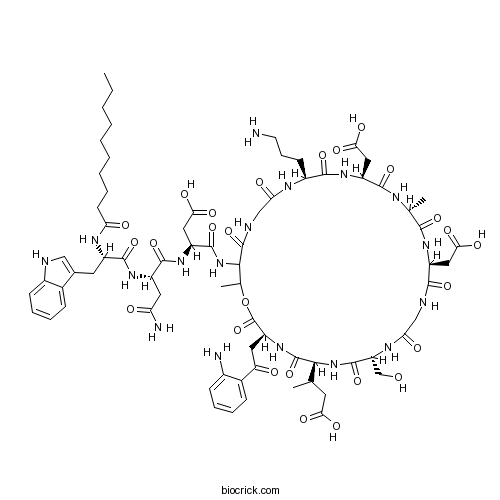
Daptomycin
Daptomycin is a lipopeptide antibiotic with rapid in vitro bactericidal activity against gram-positive organisms.
-
BCC4457
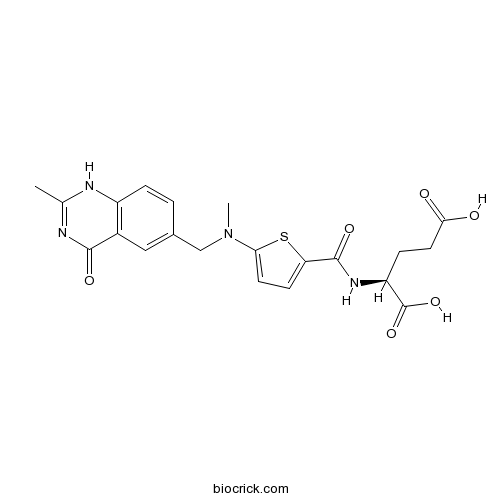
Raltitrexed
Raltitrexed is an antimetabolite drug used in chemotherapy, acting by inhibiting thymidylate synthase.
-
BCC3700
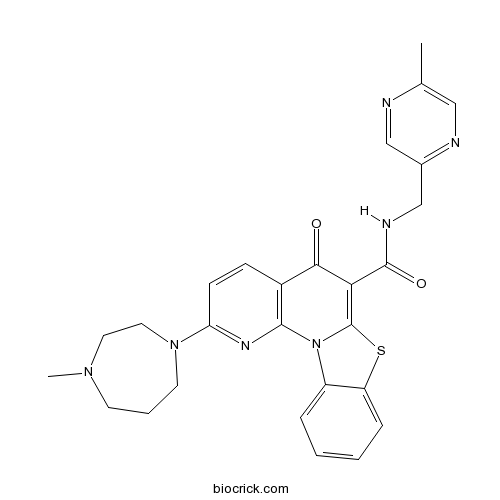
CX-5461
CX-5461 is a potent and oral rRNA synthesis inhibitor. It inhibits RNA polymerase I-driven transcription of rRNA with IC50s of 142, 113, and 54 nM in HCT-116, A375, and MIA PaCa-2 cells, respectively.
-
BCC4250
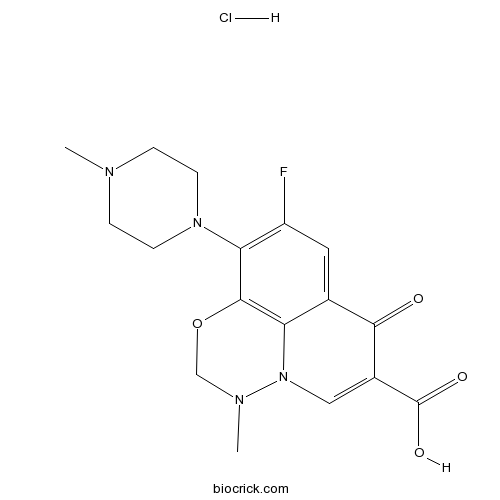
Marbofloxacin hydrochloride
Marbofloxacin hydrochloride is a potent antibiotic of which depends upon its inhibition of DNA-gyrase.
-
BCC4117
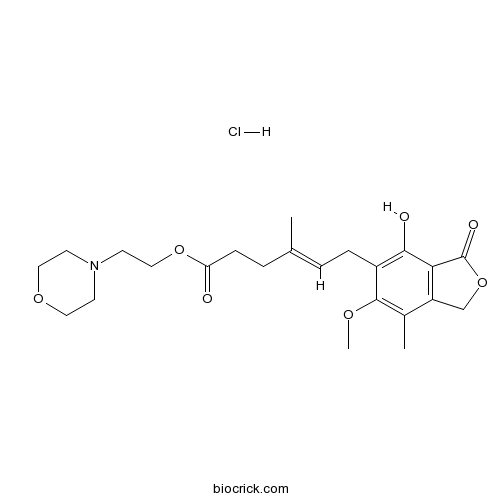
Mycophenolate mofetil hydrochloride
-
BCC1871
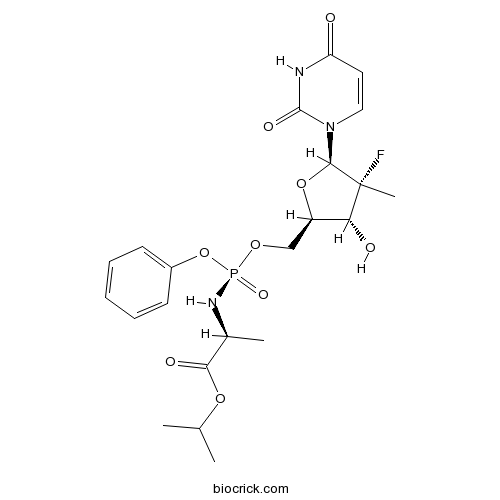
PSI-7977
Sofosbuvir (PSI-7977) is an HCV RNA replication inhibitor with an EC50 of 92 nM.
-
BCC1072
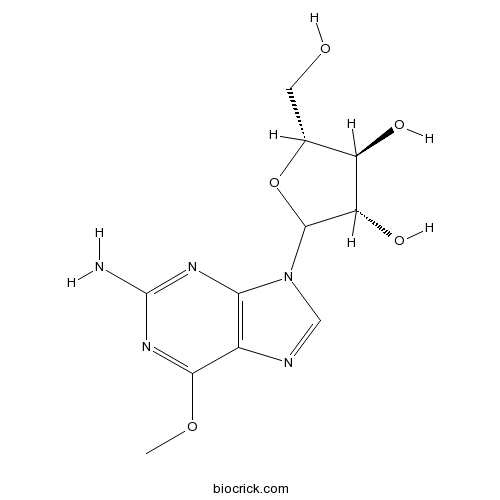
Nelarabine
Nelarabine (Arranon, 506U78) is a purine nucleoside analog and DNA synthesis inhibitor with IC50 from 0.067-2.15 μM in tumor cells.
-
BCC1076
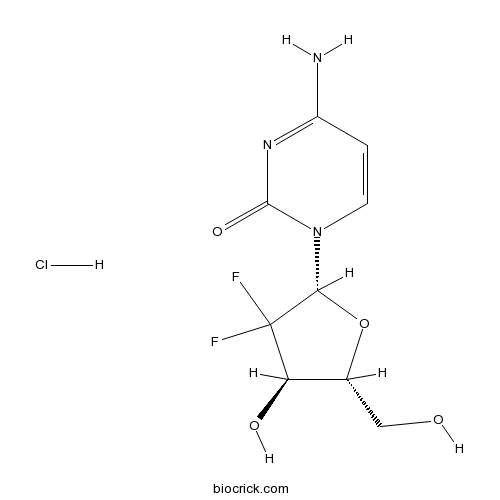
Gemcitabine HCl
Gemcitabine Hydrochloride (LY 188011 hydrochloride) is a DNA synthesis inhibitor which inhibits the growth of BxPC-3, Mia Paca-2, PANC-1, PL-45 and AsPC-1 cells with IC50s of 37.6, 42.9, 92.7, 89.3 and 131.4 nM, respectively.
-
BCC1078
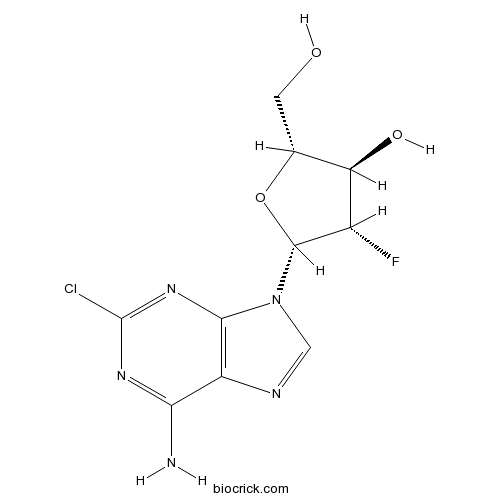
Clofarabine
Clofarabine(Clolar; Clofarex) inhibits the enzymatic activities of ribonucleotide reductase (IC50 = 65 nM) and DNA polymerase.
-
BCC5558
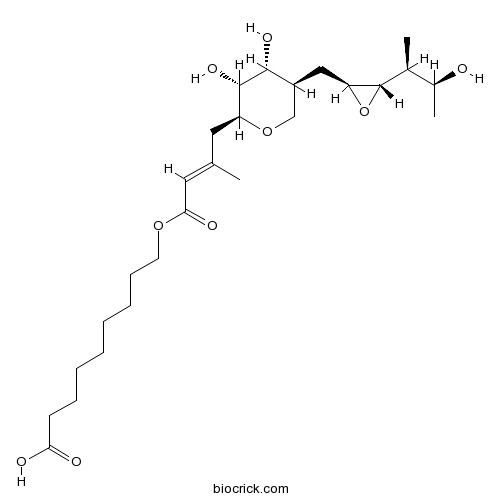
Mupirocin
Mupirocin (BRL-4910A) is an orally active antibiotic isolated from Pseudomonas fluorescens. Mupirocin (BRL-4910A) apparently exerts its antimicrobial activity by reversibly inhibiting isoleucyl-transfer RNA, thereby inhibiting bacterial protein and RNA synthesis.
-
BCC6421
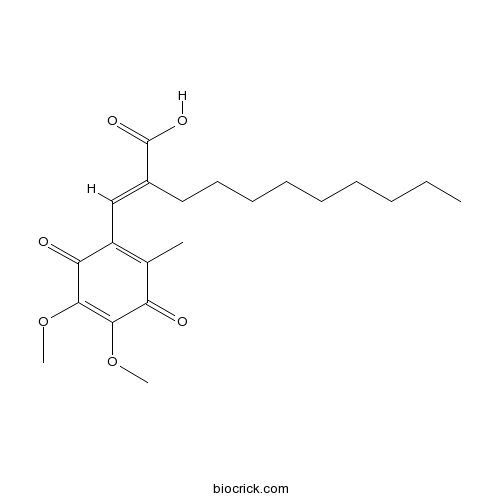
E3330
E3330 (APX-3330) is a direct, orally active AP endonuclease 1 (APE1; also known as REF-1) inhibitor, which suppresses NF-κB DNA-binding activity. E3330 (APX-3330) blocks TNF-α-induced activation of IL-8 production in liver cancer cell lines. E3330 (APX-3330) shows anticancer properties, such as inhibition of cancer cell growth and migration[1-4].
-
BCC7621
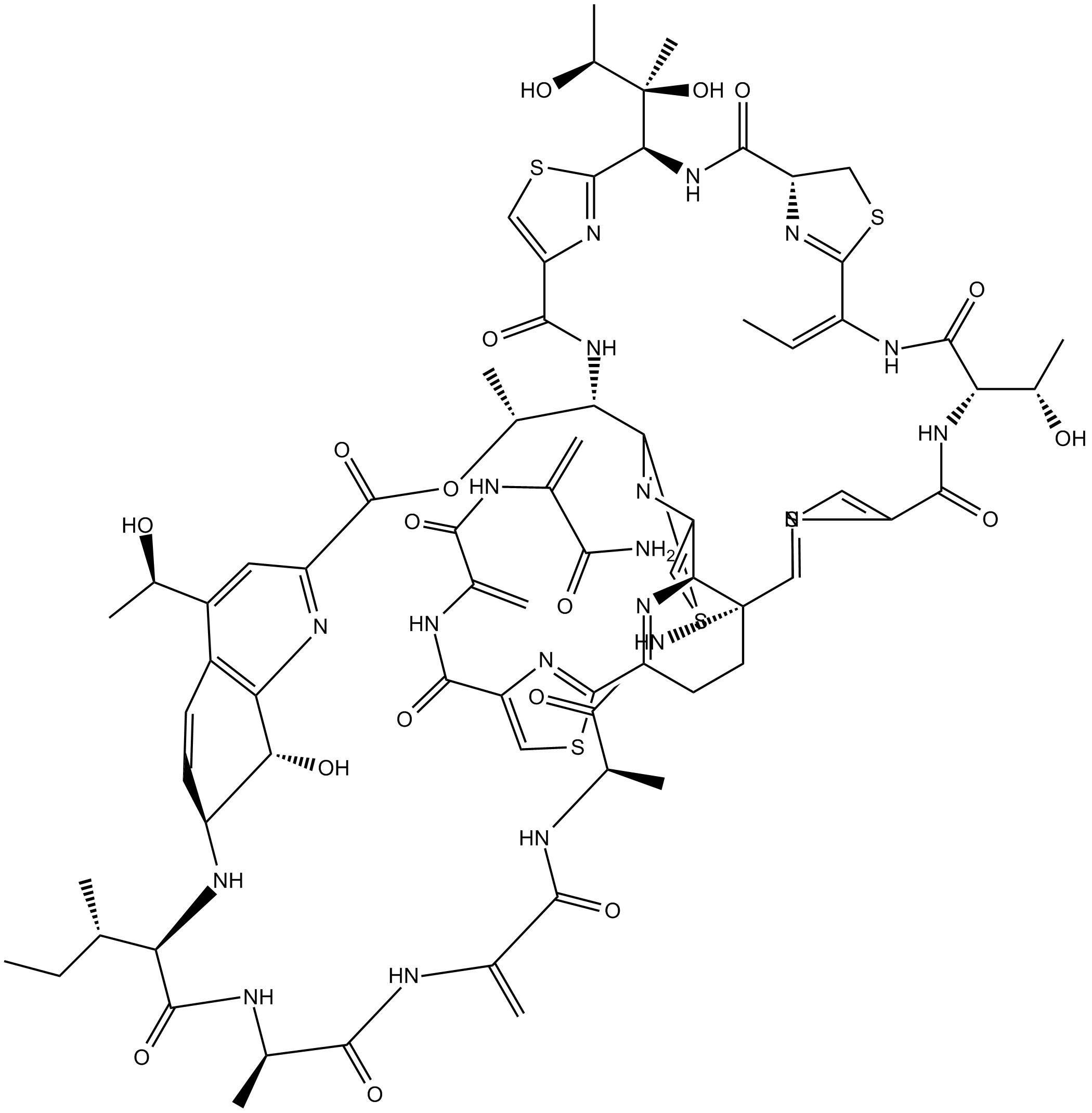
Thiostrepton
Thiostrepton is a natural cyclic oligopeptide antibiotic, is a natural product of the ribosomally synthesized and post-translationally modified peptide (RiPP) class.
-
BCC3759
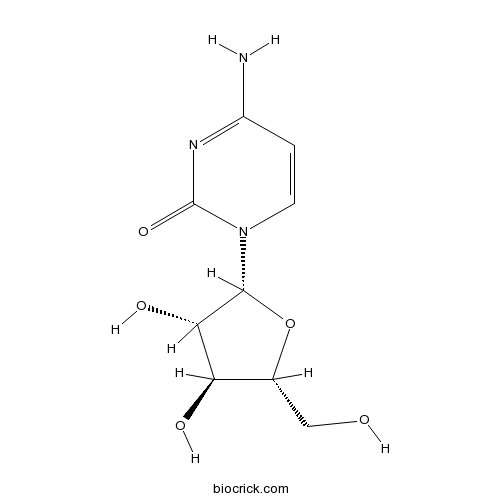
Cytarabine
Cytarabine, a nucleoside analog, causes S phase cell cycle arrest and inhibits DNA polymerase. Cytarabine inhibits DNA synthesis with an IC50 of 16 nM. Cytarabine has antiviral effects against HSV.
-
BCC3931
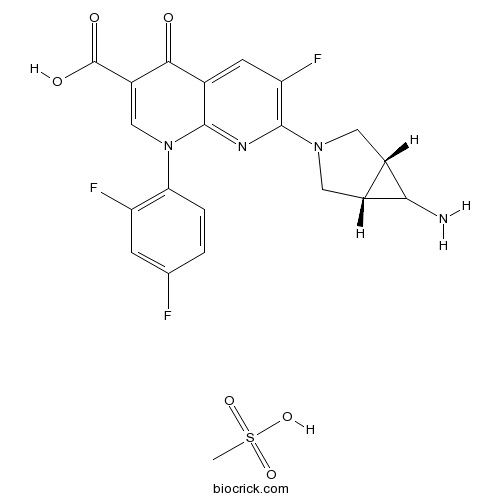
Trovafloxacin mesylate
Trovafloxacin mesylate is a broad-spectrum quinolone antibiotic with potent activity against Gram-positive, Gram-negative and anaerobic organisms. Trovafloxacin mesylate blocks the DNA gyrase and topoisomerase IV activity. Trovafloxacin mesylate is also a potent, selective and orally active pannexin 1 channel (PANX1) inhibitor with an IC50 of 4 μM for PANX1 inward current. Trovafloxacin mesylate does not inhibit connexin 43 gap junction or PANX2. Trovafloxacin mesylate leads to dysregulated fragmentation of apoptotic cells by inhibiting PANX1.
-
BCN2168
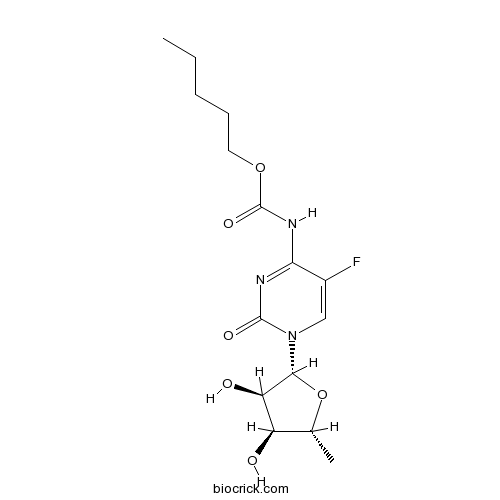
Capecitabine
Capecitabine is an oral prodrug that is converted to its active metabolite, 5-FU, by thymidine phosphorylase.
-
BCC4115
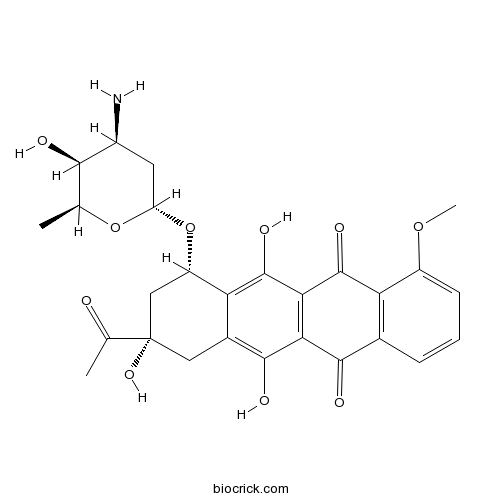
Daunorubicin
Daunorubicin (Daunomycin; RP 13057; Rubidomycin) is a topoisomerase II inhibitor with potent antineoplastic activities. Daunorubicin (Daunomycin; RP 13057; Rubidomycin) inhibites DNA and RNA synthesis in sensitive and resistant Ehrlich ascites tumor cells.
-
BCC2518
Fludarabine
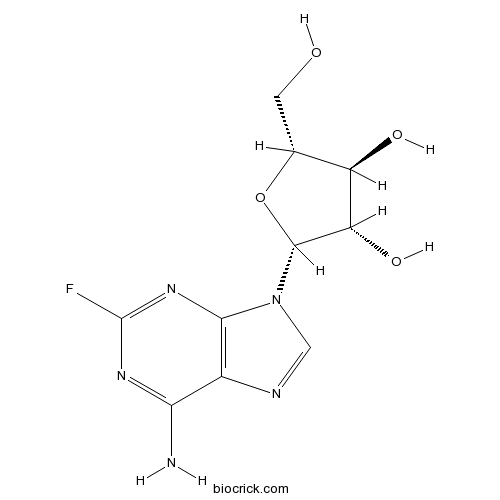
Fludarabine (NSC 118218) is a DNA synthesis inhibitor, which also inhibits phosphorylation of STAT1. Fludarabine, a pro-drug, is converted metabolically by dephosphorylation to the antimetabolite, F-ara-A.
-
BCC2024
VAL-083
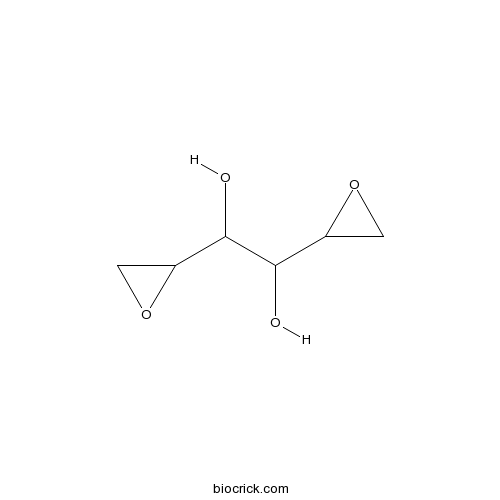
VAL-083 is an alkylating agent that creates N7 methylation on DNA, with antitumor activity.
-
BCC5112
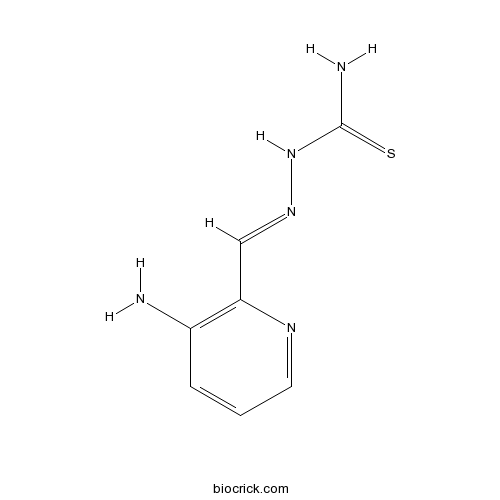
Triapine
-
BCC1837
Paradol
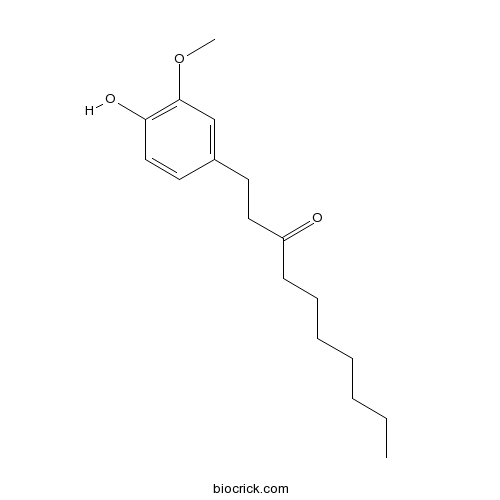
Paradol is a pungent phenolic substance found in ginger and other Zingiberaceae plants. Paradol is an effective inhibitor of tumor promotion in mouse skin carcinogenesis, binds to cyclooxygenase (COX)-2 active site.
-
BCC4453
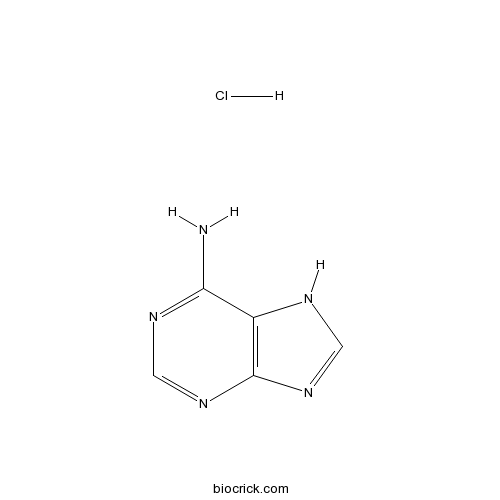
Adenine HCl
Adenine hydrochloride (6-Aminopurine hydrochloride) is a purine derivative with a variety of roles in biochemistry, including cellular respiration, in the form of both the energy-rich adenosine triphosphate (ATP) and the cofactors nicotinamide adenine dinucleotide (NAD) and flavin adenine dinucleotide (FAD), and protein synthesis, as a chemical component of DNA and RNA.
-
BCC4451
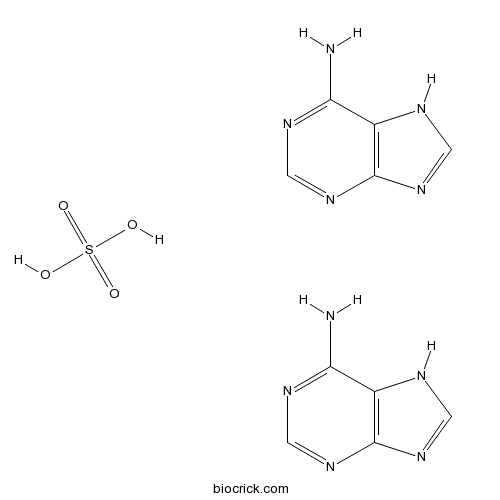
Adenine sulfate
Adenine hemisulfate (6-Aminopurine hemisulfate) is a purine derivative with a variety of roles in biochemistry, including cellular respiration, in the form of both the energy-rich adenosine triphosphate (ATP) and the cofactors nicotinamide adenine dinucleotide (NAD) and flavin adenine dinucleotide (FAD), and protein synthesis, as a chemical component of DNA and RNA.
-
BCC3930
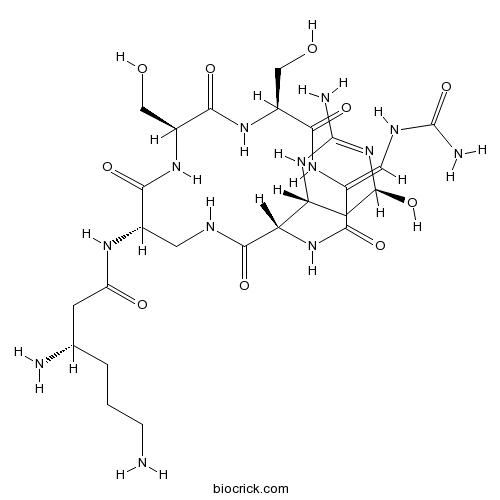
Viomycin
Antibiotic; inhibits bacterial DNA synthesis
-
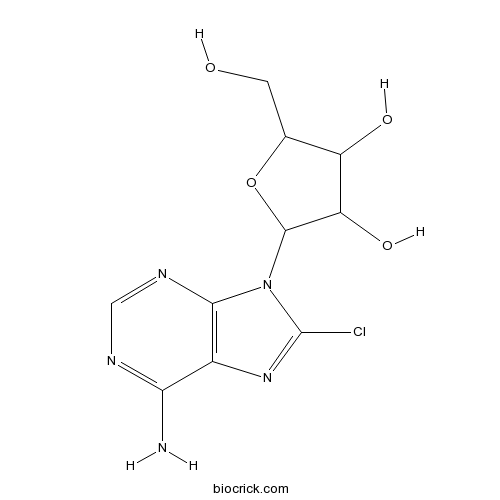
BCC7935
8-Chloroadenosine
-
BCC5565
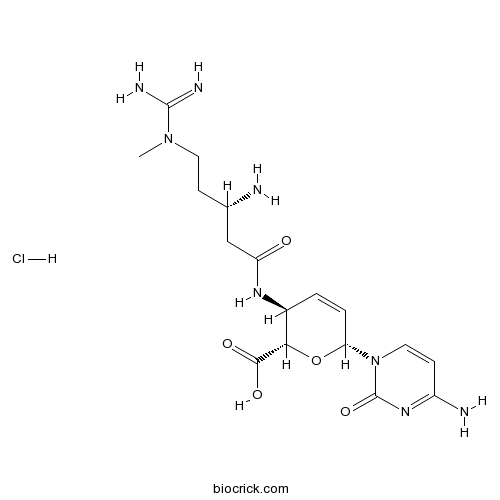
Blasticidin S HCl
Blasticidin S hydrochloride is a nucleoside antibiotic isolated from Streptomyces griseochromogenes. Blasticidin S is a potent inhibitor of protein synthesis in both prokaryotic and eukaryotic cells.
-
BCC4452
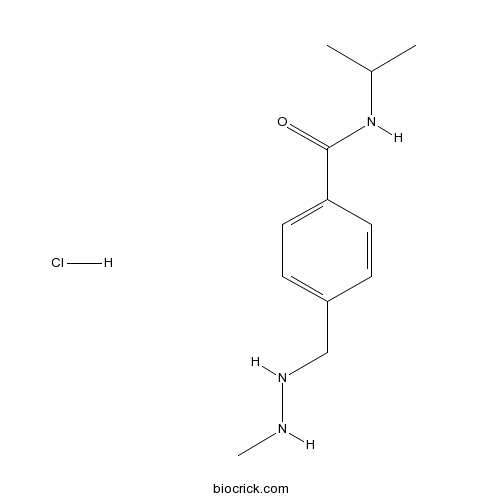
Procarbazine HCl
Procarbazine Hydrochloride is an alkylating agent, with anticancer activity.
-
BCC1164
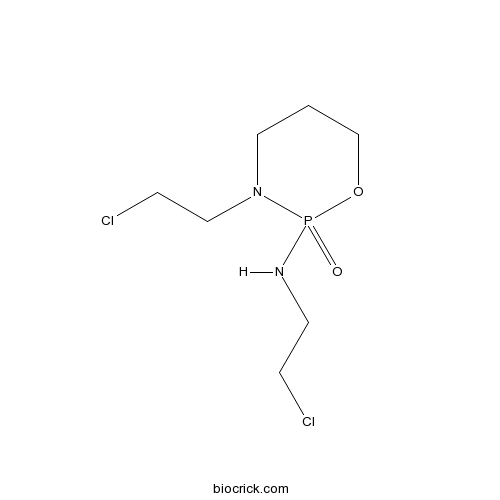
Ifosfamide
Ifosfamide is an alkylating chemotherapeutic agent with activity against a wide range of tumors.
-
BCC1170
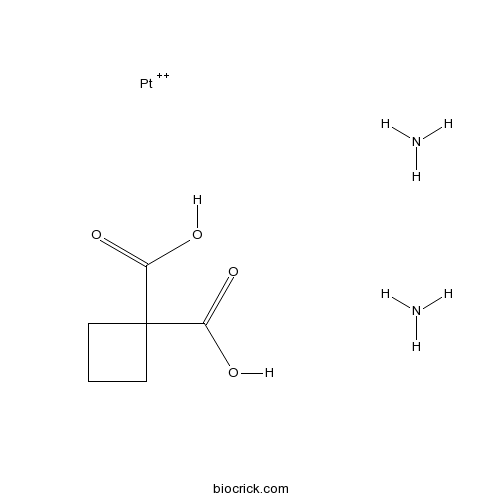
Carboplatin
Carboplatin (NSC 241240) is a DNA synthesis inhibitor which binds to DNA, inhibits replication and transcription and induces cell death. Carboplatin (NSC 241240) is a derivative of CDDP and a potent anti-cancer agent.
-
BCC1173
Cladribine
Cladribine is an adenosine deaminase inhibitor used to treat hairy cell leukemia and multiple sclerosis.

-
BCC1174
Dacarbazine
Dacarbazine(DTIC-Dome; DTIC) is an antineoplastic agent.

-
BCC4762
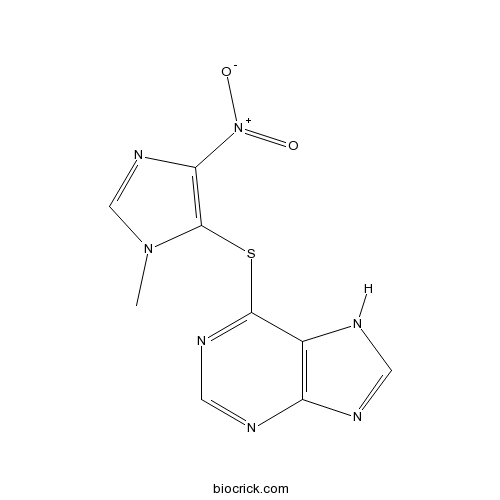
Azathioprine
Azathioprine(Azasan, Imuran; BW 57-322) is a drug that suppresses the immune system and is used in organ transplantation and autoimmune disease.
-
BCC1185
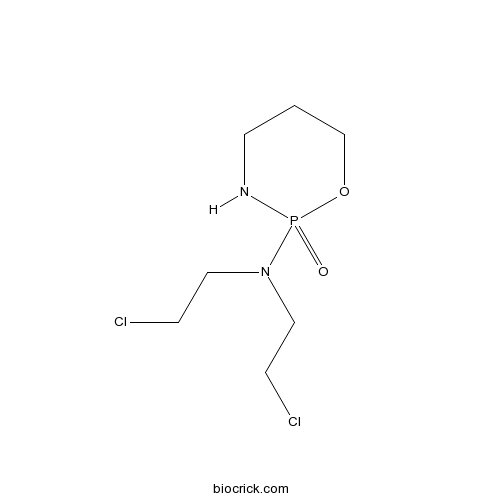
Cyclophosphamide
Cyclophosphamide is a synthetic alkylating agent chemically related to the nitrogen mustards with antineoplastic activity, a immunosuppressant.
-
BCC1186
Mercaptopurine (6-MP)
6-Mercaptopurine is a purine analogue which acts as an antagonist of the endogenous purines and has been widely used as antileukemic agent and immunosuppressive drug.

-
BCC1187
Floxuridine
Floxuridine (5-Fluorouracil 2'-deoxyriboside) is a pyrimidine analog and known as an oncology antimetabolite. Floxuridine inhibits Poly(ADP-Ribose) polymerase and induces DNA damage by activating the ATM and ATR checkpoint signaling pathways in vitro. Floxuridine is a extreamly potent inhibitor for S. aureus infection and induces cell apoptosis. Floxuridine has antiviral effects against HSV and CMV.

-
BCC7860
Puromycin dihydrochloride
Puromycin Dihydrochloride (CL13900 dihydrochloride), an aminonucleoside antibiotic, inhibits protein synthesis.

-
BCN4090
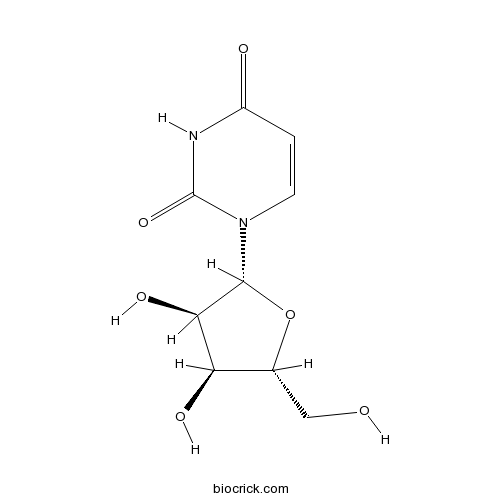
Uridine
Uridin is a glycosylated pyrimidine-analog containing uracil attached to a ribose ring (or more specifically, aribofuranose) via a β-N1-glycosidic bond.
-
BCC3929
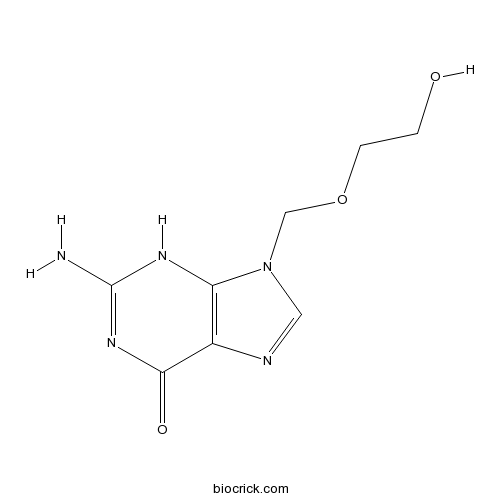
Acyclovir
Acyclovir (Aciclovir) is a guanosine analogue and an orally active antiviral agent. Acyclovir inhibits HSV-1 (IC50 of 0.85 μM), HSV-2 (IC50 of 0.86 μM) and varicella-zoster virus. Acyclovir can be phosphorylated by viral thymidine kinase (TK), and Acyclovir triphosphate interferes with viral DNA polymerization through competitive inhibition with guanosine triphosphate and obligatory chain termination. Acyclovir prevents bacterial infections during induction therapy for acute leukaemia.
-
BCC1214
Carmofur
Carmofur is a derivative of fluorouracil, an antimetabolite used as an antineoplastic agent.

-
BCC3932
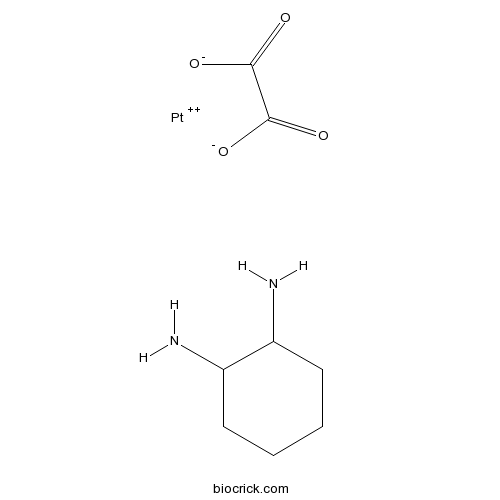
Oxaliplatin
Oxaliplatin is a DNA synthesis inhibitor. Oxaliplatin causes DNA crosslinking damage, prevents DNA replication and transcription and causes cell death. Oxaliplatin time-dependently inhibits human melanoma cell lines C32 and G361 with IC50 values of 0.98 μM and 0.14 μM, respectively. Oxaliplatin induces cell autophagy.
-
BCC4116
Cytarabine hydrochloride
Cytarabine hydrochloride, a nucleoside analog, causes S phase cell cycle arrest and inhibits DNA polymerase. Cytarabine inhibits DNA synthesis with an IC50 of 16 nM. Cytarabine hydrochloride has antiviral effects against HSV.

-
BCC5109
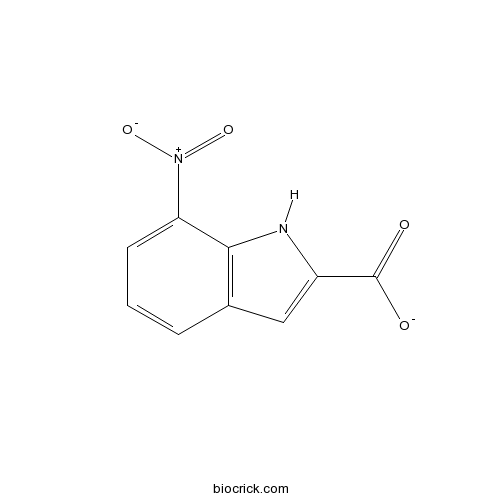
CRT0044876
CRT0044876 is a potent and selective APE1 inhibitor with IC50 of ~3 μM.
-
BCC3681
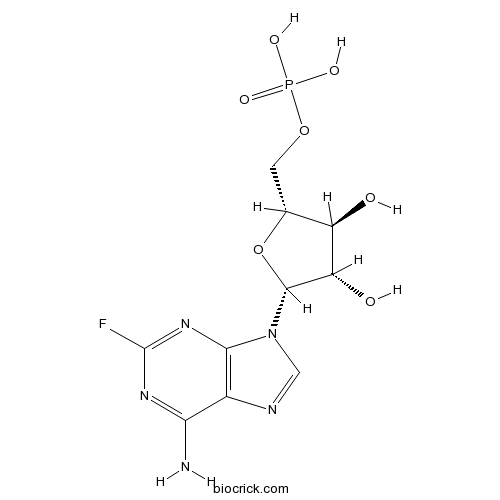
Fludarabine Phosphate (Fludara)
Fludarabine (phosphate) is an analogue of adenosine and deoxyadenosine, which is able to compete with dATP for incorporation into DNA and inhibit DNA synthesis.
-
BCC3848
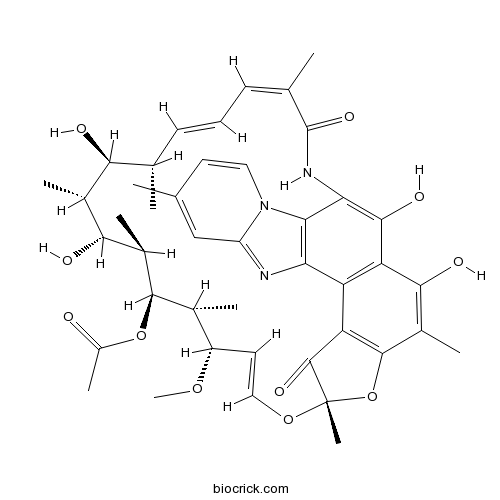
Rifaximin (Xifaxan)
Rifaximin(Xifaxan) is an orally administered, semi-synthetic, nonsystemic antibiotic derived from rifamycin SV with antibacterial activity.
-
BCC5580
BMH-21
BMH-21 is a small molecule DNA intercalator that binds ribosomal DNA and inhibits RNA polymerase I (Pol I) transcription; does not cause phosphorylation of H2AX.

-
BCC3694
Bleomycin Sulfate
Bleomycin sulfate is a DNA synthesis inhibitor with potent antitumor activity.

-
BCC3784
Gemcitabine
Gemcitabine (LY 188011) is a pyrimidine nucleoside analog antimetabolite and an antineoplastic agent. Gemcitabine inhibits DNA synthesis and repair, resulting in autophagyand apoptosis. Gemcitabine inhibits the growth of BxPC-3, Mia Paca-2, PANC-1, PL-45 and AsPC-1 cells with IC50s of 37.6 nM, 42.9 nM, 92.7 nM, 89.3 nM and 131.4 nM, respectively.