Products for Potassium Channel
-
BCC6904
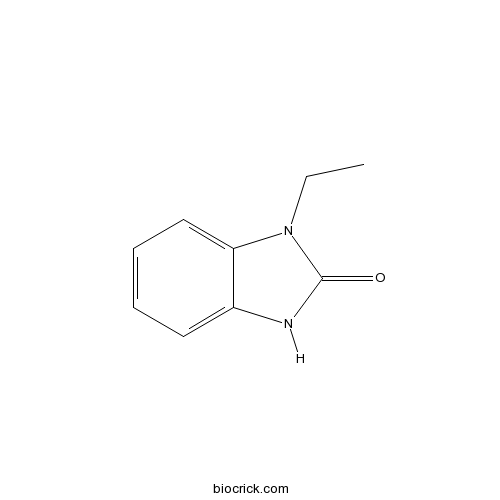
1-EBIO
-
BCC7445
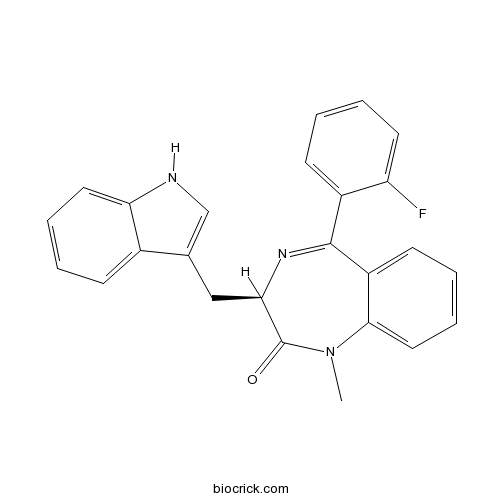
L-364,373
-
BCC5005
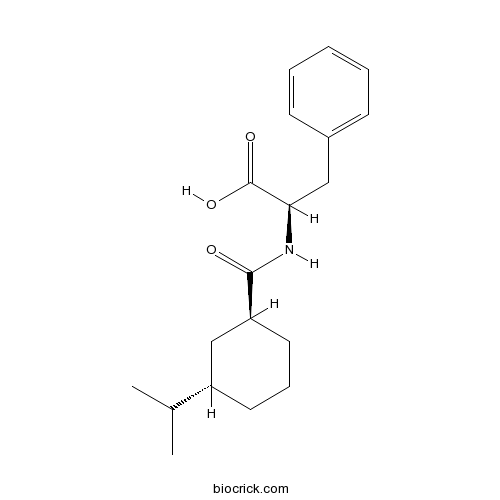
Nateglinide
Nateglinide, a D-phenylalanine derivative, is an orally active and short-acting insulinotropic agent and a DPP IV inhibitor. Nateglinide inhibits ATP-sensitive K+ channels in pancreatic β-cells. Nateglinide is used for the treatment of type 2 (non-insulin-dependent) diabetes mellitus[1][2].
-
BCC7231
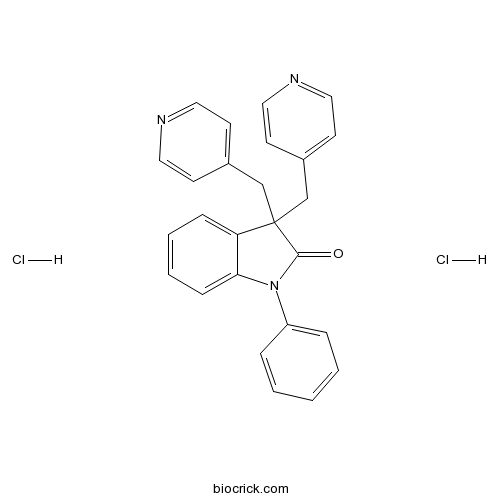
Linopirdine dihydrochloride
-
BCC7182
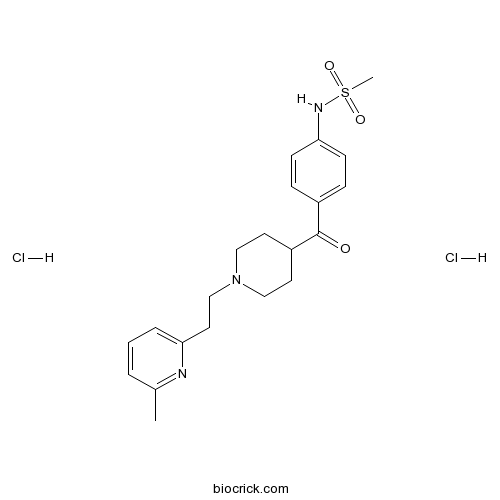
E-4031 dihydrochloride
E-4031 is a class III antiarrhythmic agent which selectively blocks hERG potassium channel.
-
BCC3770
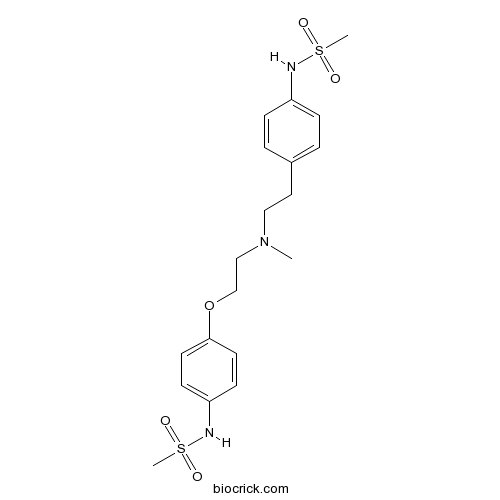
Dofetilide
Dofetilide(Tikosyn) is a class III antiarrhythmic agent.
-
BCC5006
ML133 HCl
ML133 hydrochloride is a selective Kir2 family channels inhibitor, with an IC50 of 1.8 μM at pH 7.4 and 290 nM at pH 8.5.

-
BCC7232
XE 991 dihydrochloride
XE 991 dihydrochloride, a Kv7 (KCNQ) channels blocker, potently inhibits Kv7.1 (KCNQ1), Kv7.2 (KCNQ2), Kv7.2 + Kv7.3 (KCNQ3) channel, and M-current with IC50s of 0.75 µM, 0.71 µM, 0.6 μM, and 0.98 µM, respectively.

-
BCC7957
Penitrem A
Penitrem A is an indole diterpene neurotoxic alkaloid produced by Penicillium, acts as a selective BK channel antagonist with antiproliferative and anti-invasive activities against multiple malignancies. Penitrem A increases the spontaneous release of endogenous glutamate, gamma-aminobutyric acid (GABA) and aspartate from cerebrocortical synaptosomes, and induces tremorgenic syndromes in animals.

-
BCC7254
Y-27152
Y-27152, a prodrug of the KATP (Kir6) channel opener Y-26763, is a long-acting K+ channel opener with less tachycardia: antihypertensive effects in hypertensive rats and dogs in conscious state.

-
BCC7253
Y-26763
Y-26763 is a K+ channel opener and active metabolite of Y-27152. Y-26763 is an ATP-sensitive K+ (KATP) channel activator.

-
BCC6932
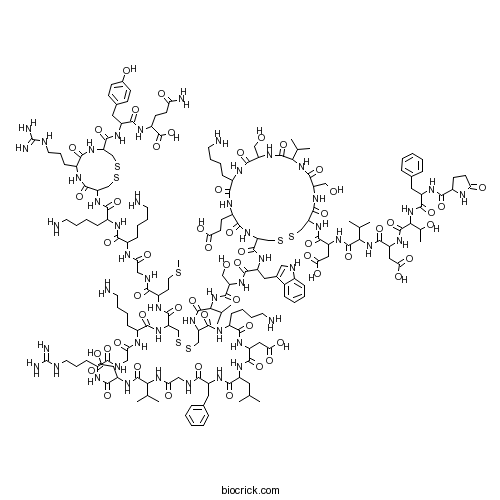
Iberiotoxin
-
BCC6126
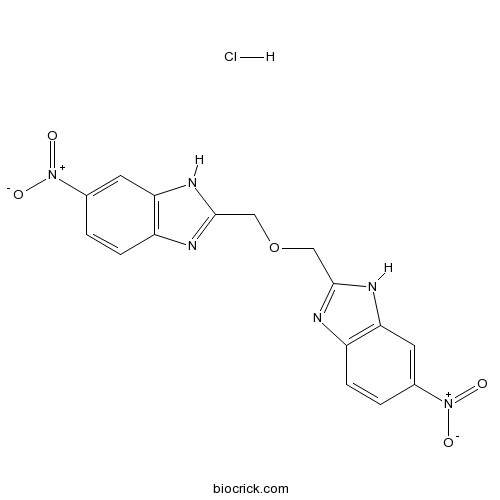
VU 591 hydrochloride
VU591 hydrochloride is a potent, selective renal outer medullary potassium channel (ROMK or Kir1.1) inhibitor, with an IC50 of 0.24 μM.
-
BCC6825
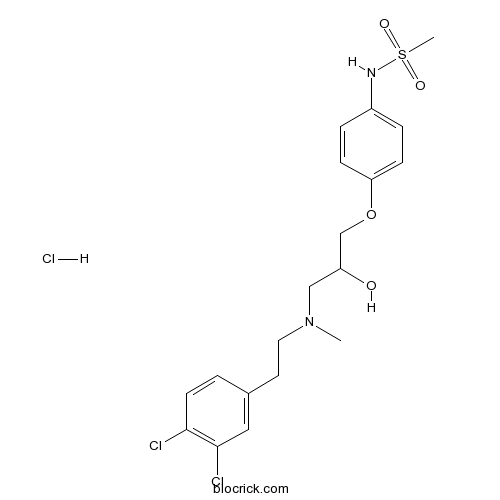
AM 92016 hydrochloride
AM-92016 hydrochloride is a specific blocker of rectifier potassium current (IK). AM-92016 hydrochloride delays rectifier potassium channel (IK), repolarizes the membrane thereby restricting the duration of the nerve impulse thereby restricting the duration of the nerve impulse.
-
BCC2504
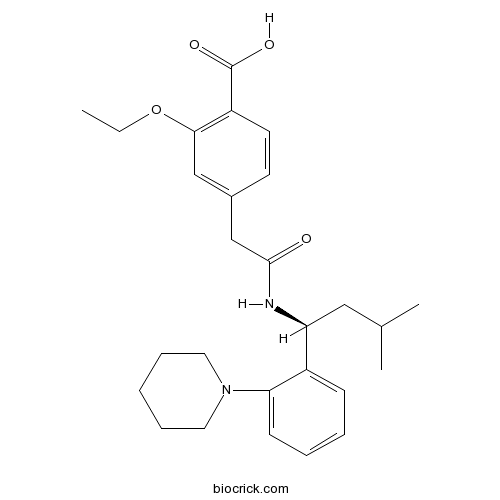
Repaglinide
Repaglinide is an insulin secretagogue for the treatment of type-2 diabetes mellitus.
-
BCC7784
UK 78282 hydrochloride

-
BCC7976
ML 277
ML277(CID53347902) is a novel, potent and selective K(v)7.1 (KCNQ1) potassium channel activator with EC50 of 270 nM.

-
BCC4777
Dronedarone HCl
Dronedarone Hydrochloride is a non-iodinated amiodarone derivative that inhibits Na+, K+ and Ca2+ currents.

-
BCN2176
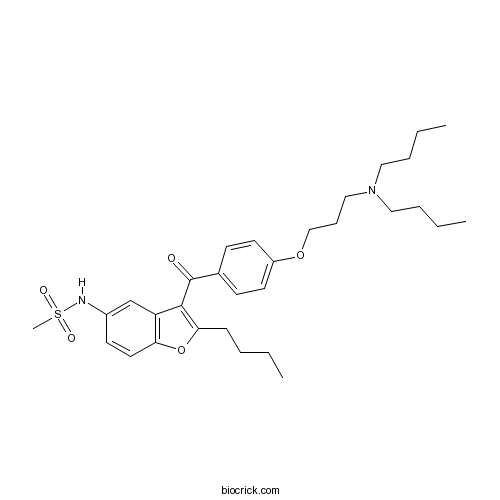
Dronedarone
Dronedarone (SR 33589) is a newer therapeutic agent with a structural resemblance to amiodarone and a better side effect profile; it is a multichannel blocker with antiadrenergic properties and has been evaluated in both rate and rhythm control strategies in the management of AF.
-
BCC7710
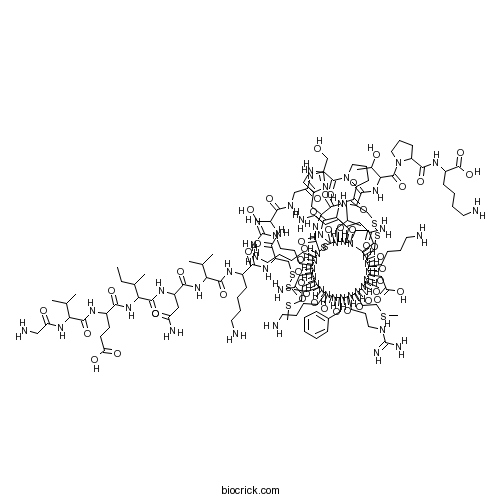
Kaliotoxin
-
BCC5000
Mitiglinide Calcium
Mitiglinide Calcium (KAD-1229; S21403) is a drug for the treatment of type 2 diabetes; it is a highly selective KATP channel antagonist.

-
BCC7709
Margatoxin
Margatoxin, an alpha-KTx scorpion toxin, is a high affinity inhibitor of Kv1.3 (Kd=11.7 pM). Margatoxin inhibits the Kv1.2 (Kd=6.4 pM) and Kv1.1 (Kd=4.2 nM). Margatoxin, a 39 amino-acid-long peptide, is isolated from the venom of the scorpion Centruroides margaritatus and widely used in ion channel research.

-
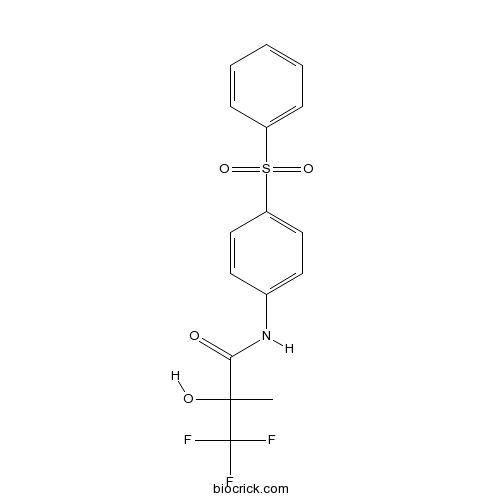
BCC6831
ZM 226600
-
BCC5536
Azimilide Dihydrochloride
Azimilide Dihydrochloride (NE-10064 Dihydrochloride) is a class III antiarrhythmic compound, inhibits I(Ks) and I(Kr) in guinea-pig cardiac myocytes and I(Ks) (minK) channels expressed in Xenopus oocytes.

-
BCC5535
Azimilide

-
BCC6427
Retigabine

-
BCC7779
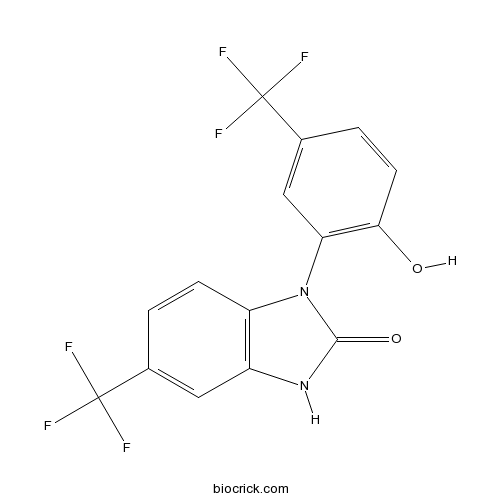
NS 1619
NS-1619 is a selective large conductance Ca2+-activated K+-channel activator.
-
BCC7331
DMP 543
DMP-543 (XR-543) is a KV7 channel blocker, also acts as a potent neurotransmitter release enhancer.

-
BCC7055
Chromanol 293B

-
BCC7080
(-)-[3R,4S]-Chromanol 293B
![(-)-[3R,4S]-Chromanol 293B](/media/images/struct/BCC7080.png)
-
BCC8026
Agitoxin 2

-
BCC7777
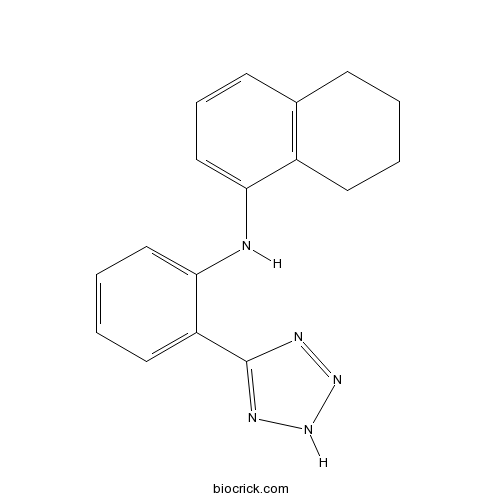
BL 1249
BL-1249 is a nonsteroidal anti-inflammatory drug (NSAID) and a potassium channel activator. BL-1249 potently activates K2P2.1 (TREK-1) and K2P10.1 (TREK-2) with EC50 values of 5.5 μM and 8.0 μM, respectively. BL-1249 extracellular application activates all TREK subfamily members but has no effect on other K2P subfamilies. BL-1249 exhibits more selective for the bladder (EC50 of 1.26 μM) than vascular tissue (EC50 of 21.0 μM).
-
BCC1809
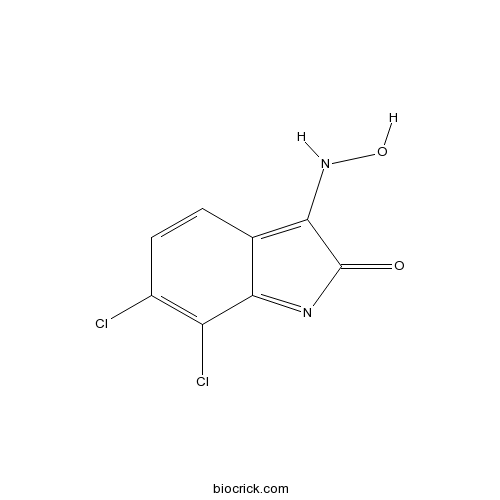
NS309
NS309 is a positive modulator of small- and intermediate- conductance Ca2+-activated K+ channels (KCa2 and KCa3.1 channels); increases Ca2+ sensitivity. Displays no activity at BK channels.
-
BCC7984
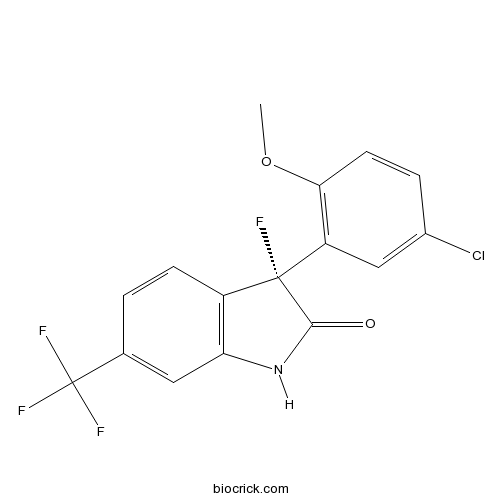
MaxiPost
Flindokalner (BMS-204352) is a potassium channel modulator. Flindokalner is a positive modulator of all neuronal Kv7 channel subtypes expressed in HEK293 cells. Flindokalner is also a large conductance calcium-activated K channel (BKca) positive modulator. Flindokalner shows a negative modulatory activity at Kv7.1 channels (Ki=3.7 μM), and acts as a negative modulator of GABAA receptors. Flindokalner shows anxiolytic efficacy in vivo.
-
BCC4377
Amiodarone HCl
Amiodarone hydrochloride is an antiarrhythmic drug for inhibition of ATP-sensitive potassium channel with IC50 of 19.1 μM.

-
BCC7016
UCL 1684

-
BCC7671
Valinomycin
Valinomycin (NSC 122023) is a cyclic depsipeptide antibiotic first isolated from Streptomyces fulvissimus, act as a potassium selective ionophore. Valinomycin (NSC 122023) inhibits lymphocyte proliferation by its effects on the cell membrane, and induces apoptosis in CHO cells. Valinomycin induces activation of PINK1 leading to Parkin Ser65 phosphorylation.

-
BCC7448
BMS 191011
BMS-191011 (BMS-A) is an opener of the large-conductance, Ca2++-activated potassium (maxi-K) channel, effective in stroke models.

-
BCC5002
Gliclazide
Gliclazide (S1702) is a whole-cell beta-cell ATP-sensitive potassium currents blocker with an IC50 of 184 nM. Gliclazide is used as an antidiabetic.

-
BCC5990
ShK-Dap22

-
BCC7141
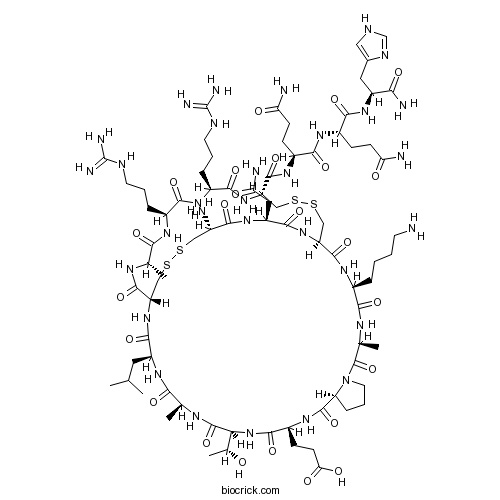
Apamin
Apamin (Apamine) is an 18 amino acid peptide neurotoxin found in apitoxin (bee venom), is known as a specifically selective blocker of Ca2+-activated K+ (SK) channels and exhibits anti-inflammatory and anti-fibrotic activity.
-
BCC5740
Tertiapin-Q

-
BCC4788
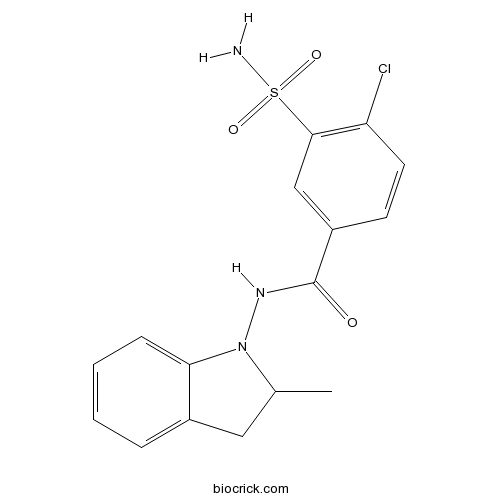
Indapamide
Indapamide is a non-thiazide sulphonamide diuretic compound, generally used in the treatment of hypertension, as well as decompensated cardiac failure.
-
BCC1122
TRAM-34
TRAM-34 is a highly selective blocker of intermediate-conductance calcium-activated K+ channel (IKCa1) (Kd=20 nM).

-
BCC3785
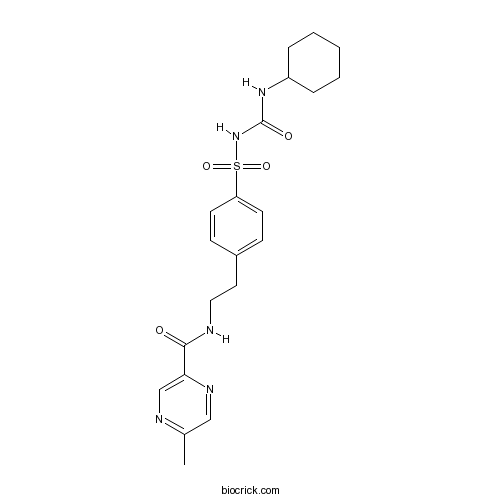
Glipizide
Glipizide(K 4024; CP 2872) is used to treat high blood sugar levels caused by a type of diabetes mellitus called type 2 diabetes.
-
BCC7803
VU 590 dihydrochloride

-
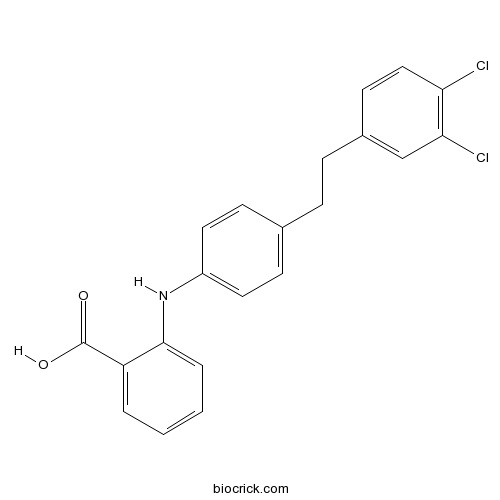
BCC7499
PD 118057
PD-118057 is a human ether-a-go-go-related gene (hERG) channel activator that does not cause hERG blockade.
-
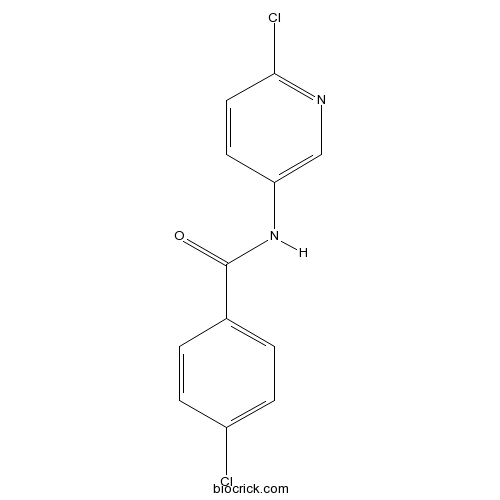
BCC6338
ICA 110381
ICA 110381 (Compound 16) is a KCNQ2/Q3 potassium channel opener for the treatment of epilepsy. ICA 110381 is a KCNQ2/Q3 agonist (EC50=0.38 μM) as well as KCNQ1 antagonist (IC50=15 μM).
-
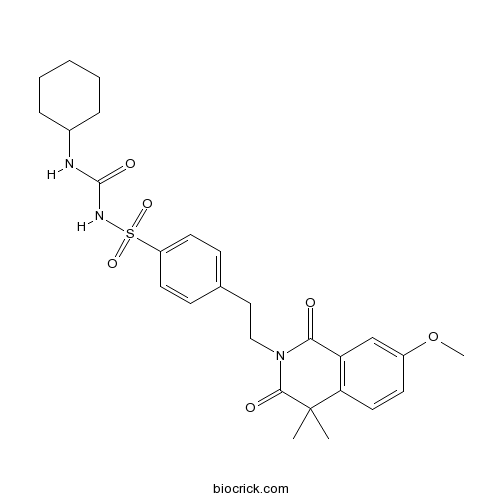
BCC5003
Gliquidone
Gliquidone (AR-DF 26) is an anti-diabetic drug in the sulfonylurea class, used in the treatment of diabetes mellitus type 2.
-
BCC6190
NS 3623
NS3623 is an activator of human ether-a-go-go-related gene (hERG1/KV11.1) potassium channels. NS3623 activates the IKr and Ito currents and has antiarrhythmic effect. NS3623 has a dual mode of action, being an inhibitor of hERG1 channels.

-
BCC6307
NS 6180
NS6180 is a novel potent and selective KCa3.1 channel inhibitor(IC50= 9 nM) prevents T-cell activation and inflammation.

-
BCC4297
Minoxidil
Minoxidil (U10858) is an ATP-sensitive potassium (KATP) channel opener, a potent oral antihypertensive agent and a peripheral vasodilator that promotes vasodilation also affects hair growth. Minoxidil is also a potent inhibitor of soybean lipoxygenaseare with an IC50 of 20 μM.

-
BCC7743
SKA 31
SKA-31 is a potent potassium channel activator with EC50s of 260 nM, 1.9 μM, 2.9 μM, and 2.9 μM for KCa3.1, KCa2.2, KCa2.1 and KCa2.3, respectively. SKA-31 potentiates endothelium-derived hyperpolarizing factor response and lowers blood pressure.

-
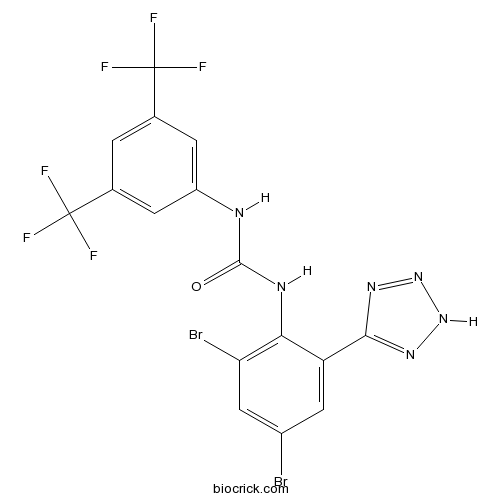
BCC7872
NS 5806
NS5806, a potent potassium current activator, increases KV4.3/KChIP2 peak current amplitudes with an EC50 of 5.3 μM. NS5806 slows KV4.3 and KV4.2 current dacay in channel complexes containing KChIP2.
-
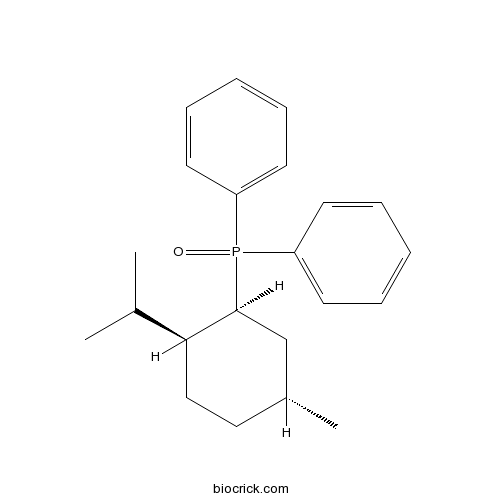
BCC7398
DPO-1
-
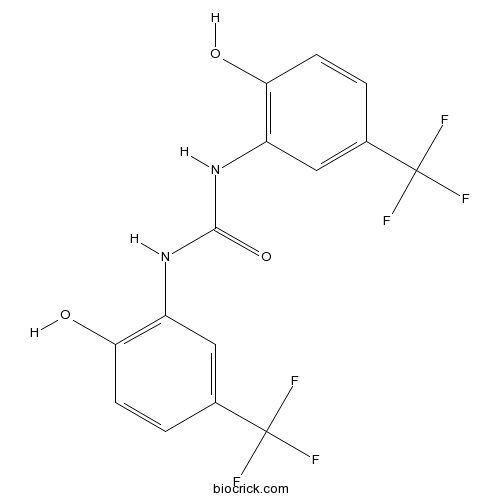
BCC7552
NS 1643
NS1643 is a partial agonist of human ether-a-go-go-related gene (hERG) K(+) channels with an EC50 of 10.5 μM.
-
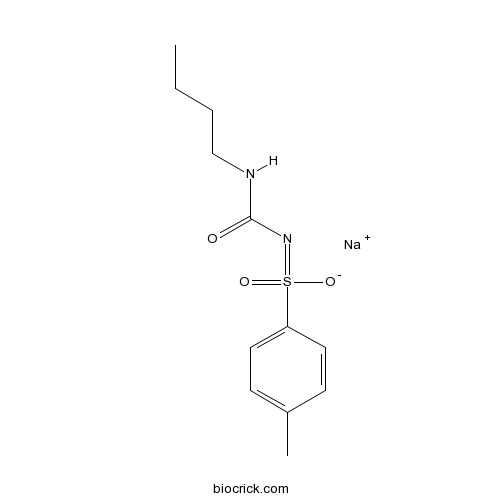
BCC5632
Tolbutamide Sodium
-
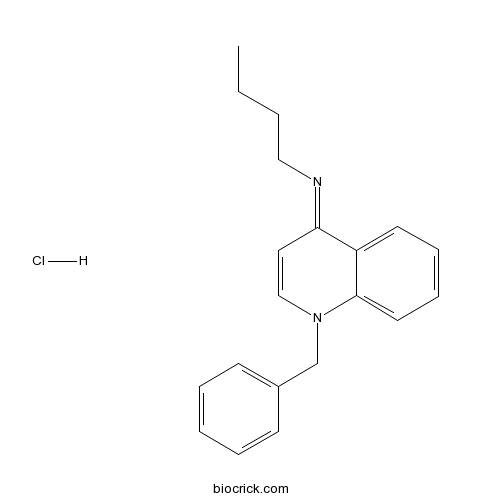
BCC7048
CP 339818 hydrochloride
-
BCC6213
ML 213
ML213 is a selective activator of Kv7.2 and Kv7.4 channels, enhances Kv7.2 and Kv7.4 channels with EC50s of 230 and 510 nM, respectively.

-
BCC5267
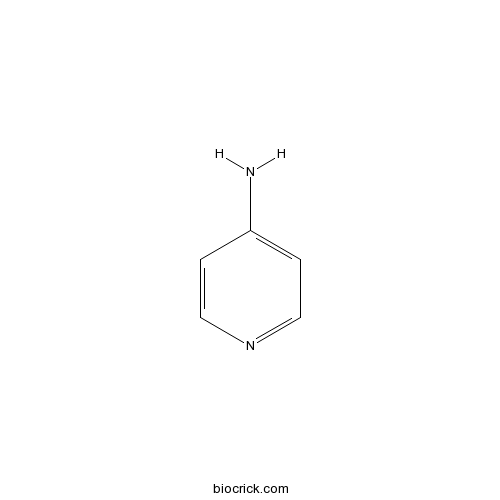
4-Aminopyridine
4-Aminopyridine is a nonselective K+ channel blocker that binds from the cytoplasmic side of the cell membrane.
-
BCC7554
Tetraethylammonium chloride
Non-selective K<sup>+</sup> channel blocker

-
BCC7262
PNU 37883 hydrochloride

-
BCC7911
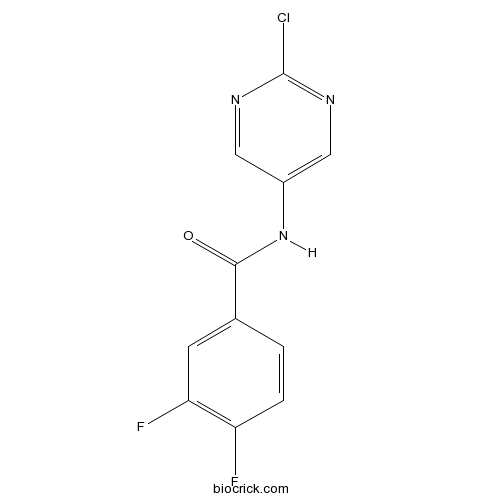
ICA 069673
ICA-069673 is a KCNQ2/Q3 potassium channel activator with an IC50 of 0.69 μM.
-
BCC7027
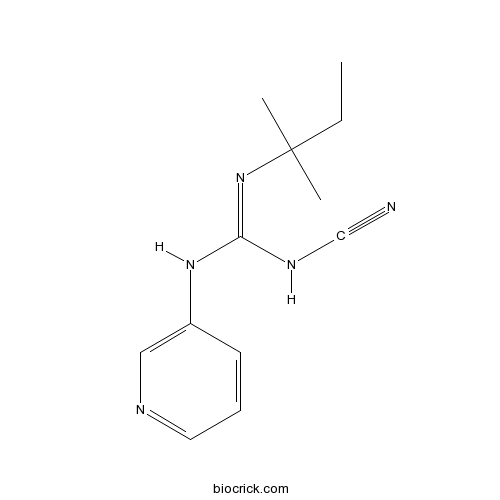
P1075
P-1075 is a potent activator of sulfonylurea receptor 2-associated ATP-sensitive potassium channels (SUR2-KIR6), with an EC50 value of 45 nM for SUR2B-KIR6 channel activation. P-1075 also P1075 opens mitochondrial K(ATP) channels and generates reactive oxygen species resulting in cardioprotection of rabbit hearts.
-
BCC5001
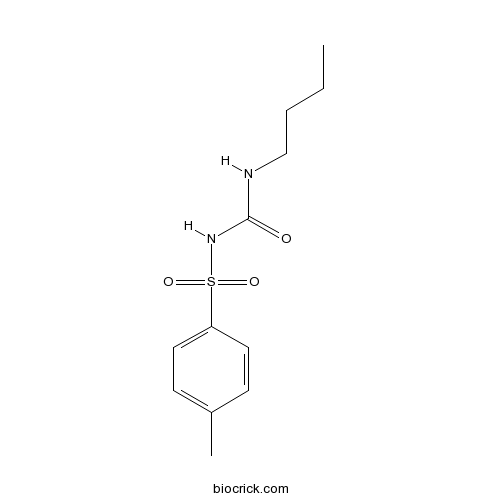
Tolbutamide
Tolbutamide is a first generation potassium channel blocker, sulfonylurea oral hypoglycemic drug.
-
BCC5004
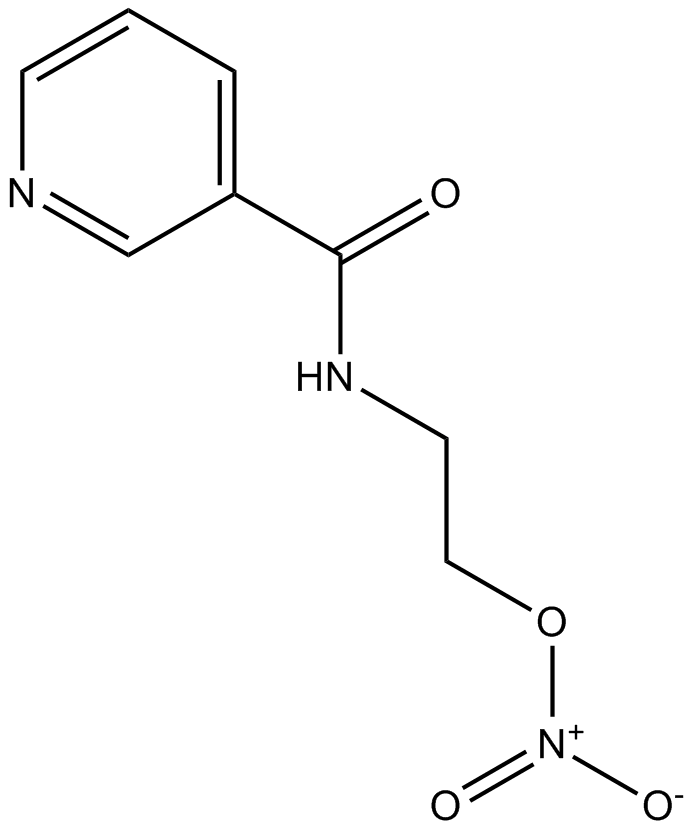
Nicorandil
Nicorandil (SG-75) is potassium channel activator.
-
BCC7914
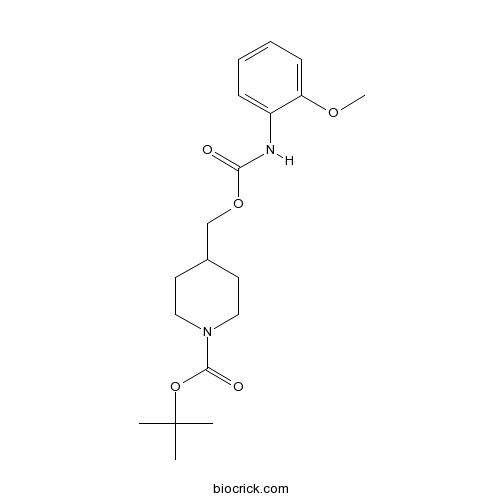
GW 542573X
-
BCC7388
Nonactin
Nonactin is a naturally occurring macrotetrolide antibiotic from Streptomyces griseus. Nonactin acts as an ionophore for monovalent cations, including K+, and NH4+. Nonactin is able to uncouple the oxidative phosphorylation of mitochondria. Nonactin selectively induces apoptosis in cell lines harboring active mutant β-catenin. Nonactin inhibits the surface expression of endogenous HSP60.

-
BCC7927
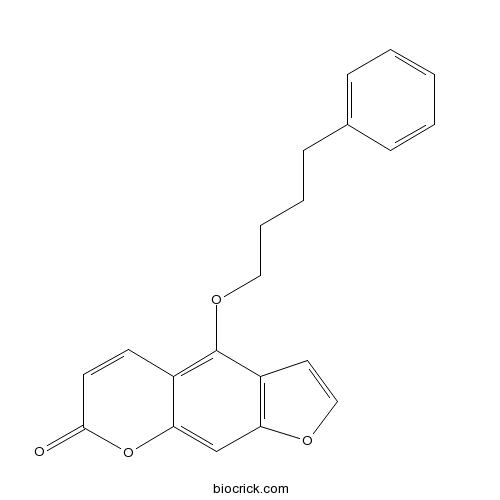
Psora 4
Potent K<sub>V</sub>1.3 channel blocker
-
BCC7526
CyPPA

-
BCC6044
RuBi-4AP

-
BCC7806
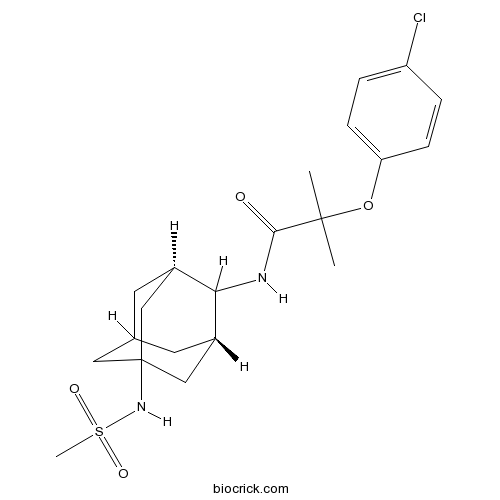
JNJ 303
JNJ 303 is a potent IKs blocker with an IC50 value of 64 nM. JNJ 303 does not have any effects on other cardiac channels at concentrations of 3.3 μM for INa, Ica, Ito, and IKr. JNJ 303 induces QT-prolongations and causes unprovoked torsades de pointes (TdP).
-
BCC5424
VU 0240551
VU 0240551 is a small molecule inhibitor of the neuronal K-Cl cotransporter, KCC2 (IC50 = 560 nM for K+ uptake assay in KCC2-overexpressing cells).

-
BCC6639
YS-035 hydrochloride

-
BCC7446
UCL 2077
UCL 2077 is a selective slow-afterhyperpolarization (sAHP) channel blocker (IC50 = 500 nM in hippocampal neurons in culture), having minimal effects on Ca2+ channels, action potentials, input resistance and the medium after hyperpolarization. UCL 2077 is also a subtype-selective blocker of the epilepsy associated KCNQ channels.

-
BCC7038
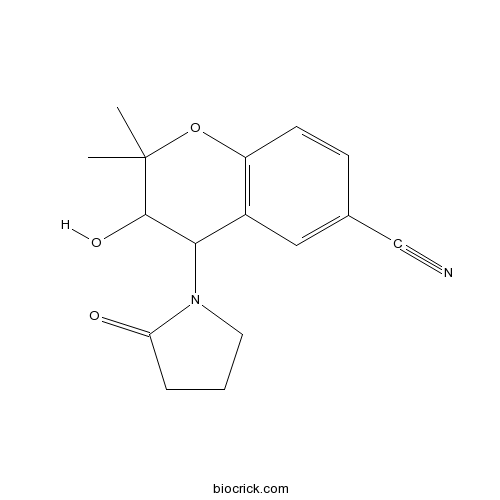
Cromakalim
-
BCC7039
Levcromakalim
Levcromakalim ((-)-Cromakalim) is an ATP-sensitive K+ channel (KATP) activator.

-
BCC8063
ML365
ML365 is a novel selective small molecule inhibitor of TASK1(KCNK3) with IC50 of 4 nM(thallium influx fluorescent assay) and 16 nM(automated electrophysiology assay).

-
BCC6290
NS 11021
NS 11021 is a potent and specific Ca2-activated big-conductance K+ Channels (KCa1.1 channels) activator. NS 11021 at concentrations above 0.3 μM activates KCa1.1 in a concentration-dependent manner by parallelshifting the channel activation curves to more negative potentials.

-
BCC6933
Charybdotoxin