Products for NMDA Receptor
-
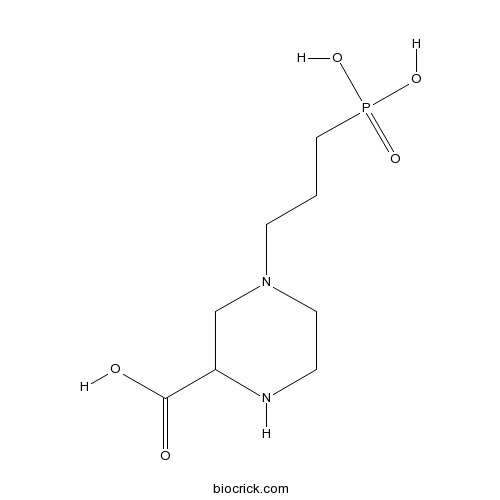
BCC6561
(RS)-CPP
-
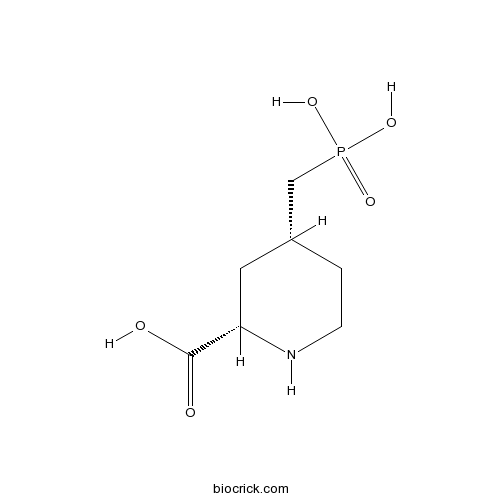
BCC6986
CGS 19755
-
BCC6571
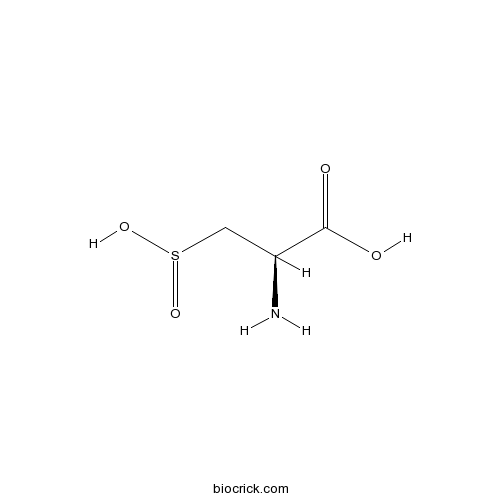
L-Cysteinesulfinic acid
L-Cysteinesulfinic acid is a potent agonist at several rat metabotropic glutamate receptors (mGluRs) with pEC50s of 3.92±0.03, 4.6±0.2, 3.9±0.2, 2.7±0.2, 4.0±0.2, and 3.94±0.08 for mGluR1, mGluR5, mGluR2, mGluR4, mGluR6, and mGluR8, respectively.
-
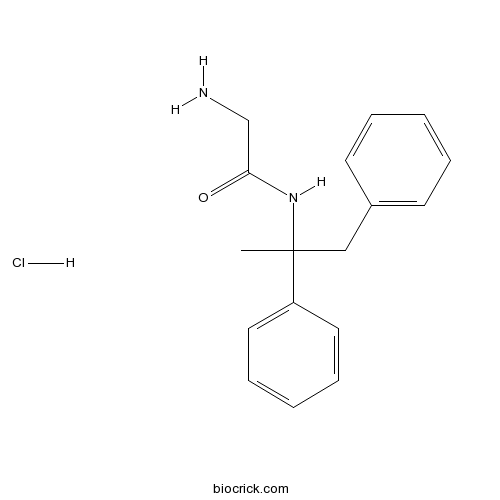
BCC7129
Remacemide hydrochloride
-
BCC6589
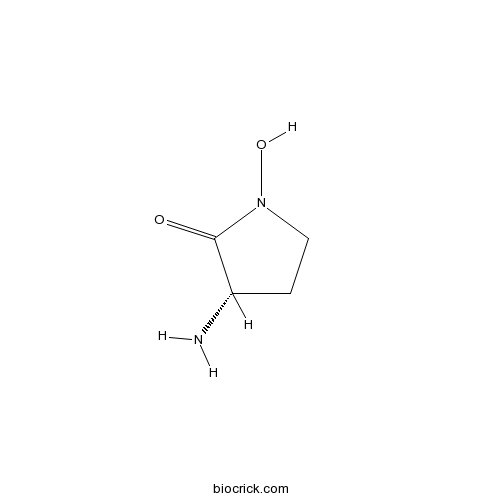
(S)-(-)-HA-966
-
BCC5946
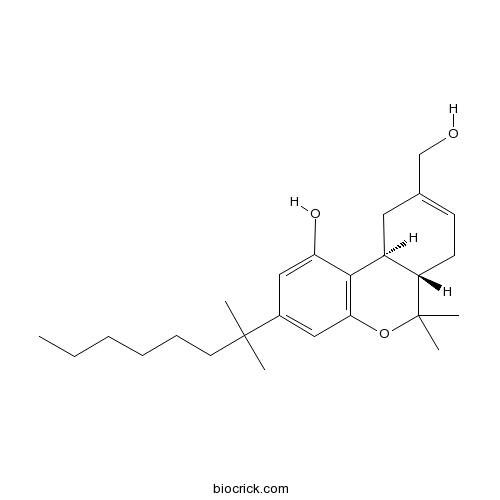
HU 211
Dexanabinol (HU-211) is an artificially synthesized cannabinoid derivative and lacks cannabimimetic effects. Dexanabinol exhibits not only the antioxidant and neuroprotective activities in brain but also anti-inflammatory activity by inhibiting NF-κB and decreasing cytokines such as TNFα and interleukin-6, which could ensure the integrity of BBB and reduce cell apoptosis and death. Dexanabinol is widely used in head injury or stroke treatment and has been shown to be safe in animals and humans.
-
BCC7309
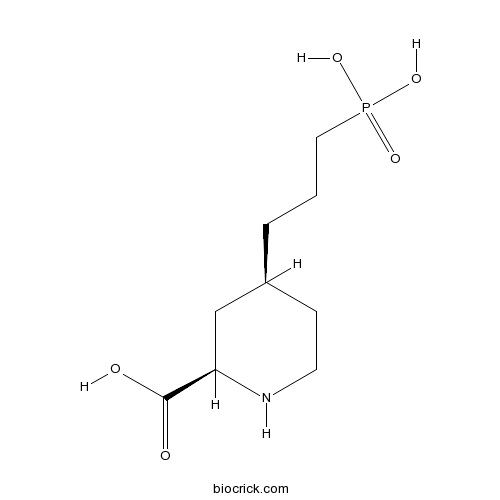
PPPA
-
BCC7087
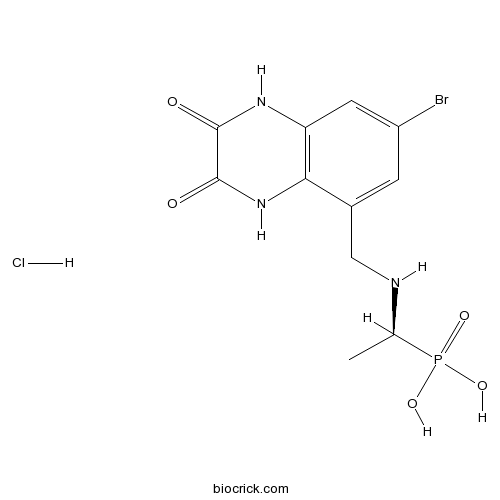
CGP 78608 hydrochloride
CGP 78608 hydrochloride is a highly potent and selective antagonist at the glycine-binding site of the NMDA receptor, with an IC50 of 6 nM. CGP 78608 acts as a potentiator of GluN1/GluN3A-mediated glycine currents, with an estimated EC50 in the low nM range (26.3 nM). Anticonvulsant activity.
-
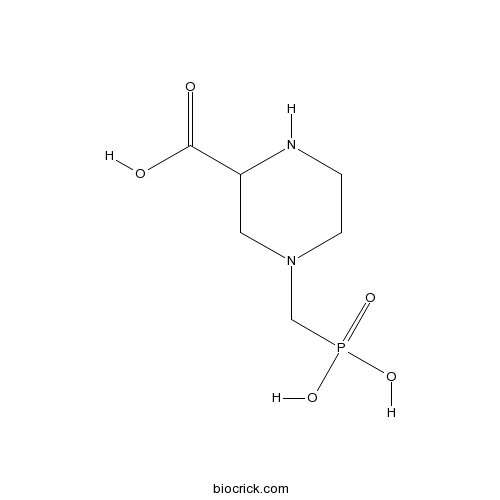
BCC7308
PMPA (NMDA antagonist)
-
BCC6999
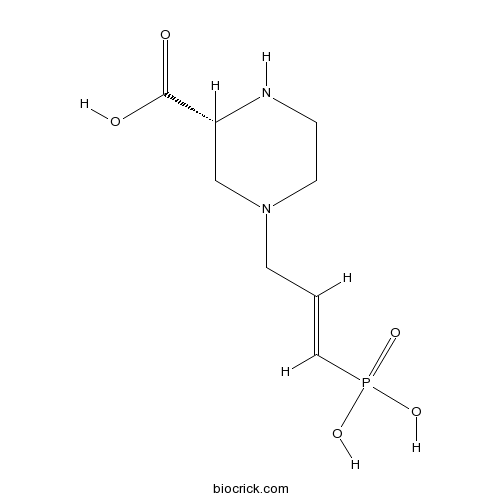
D-CPP-ene
-
BCC4160
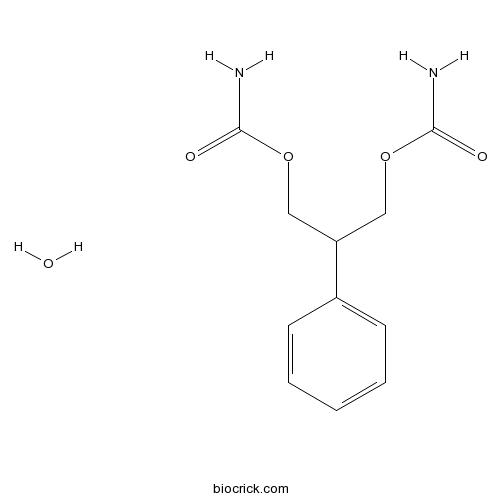
Felbamate hydrate
Felbamate hydrate (W-554 hydrate) is a potent nonsedative anticonvulsant whose clinical effect may be related to the inhibition of N-methyl-D-aspartate (NMDA) .
-
BCC7292
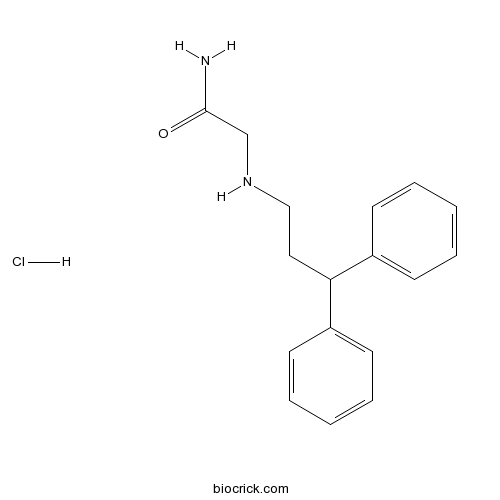
N20C hydrochloride
-
BCC6013
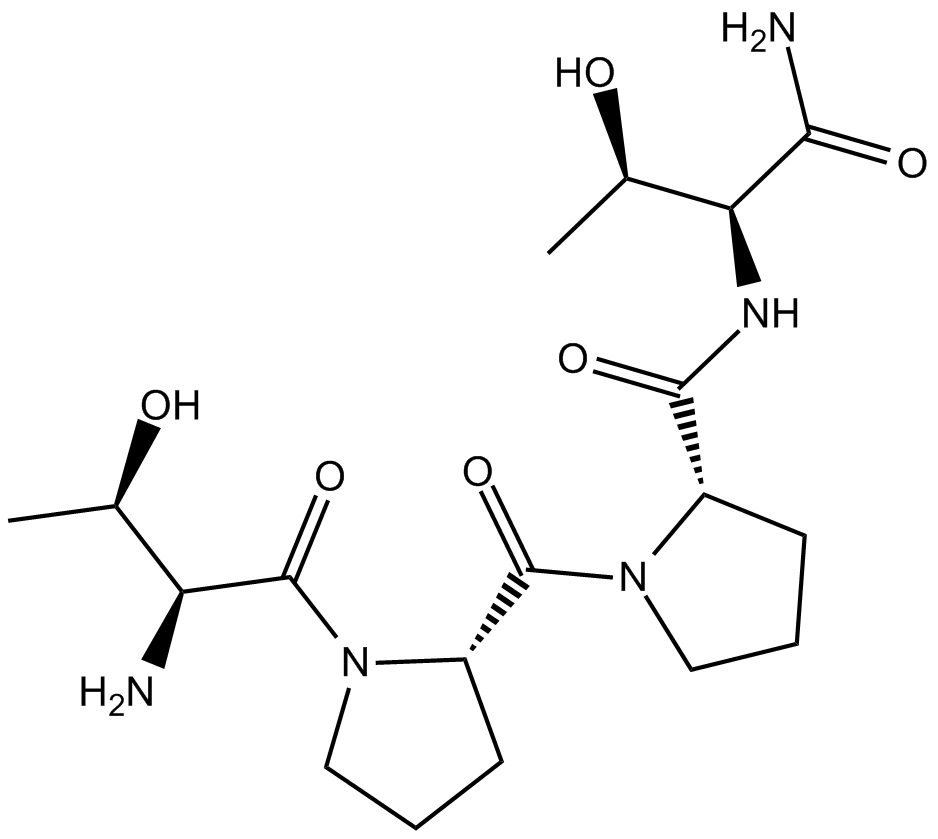
GLYX 13
Rapastinel (GLYX-13) is an N-methyl-D-aspartate receptor (NMDAR) modulator that has characteristics of a glycine site partial agonist.
-
BCC7758
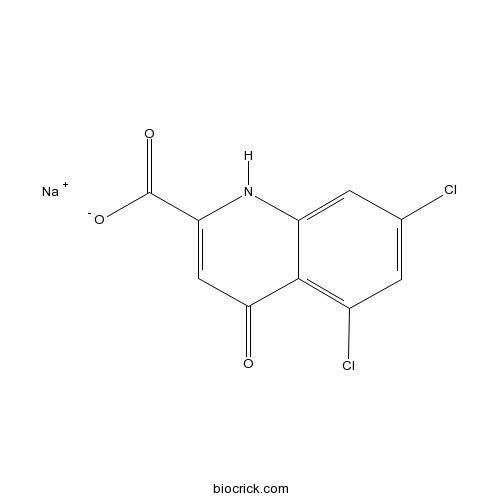
5,7-Dichlorokynurenic acid sodium salt
-
BCC7280
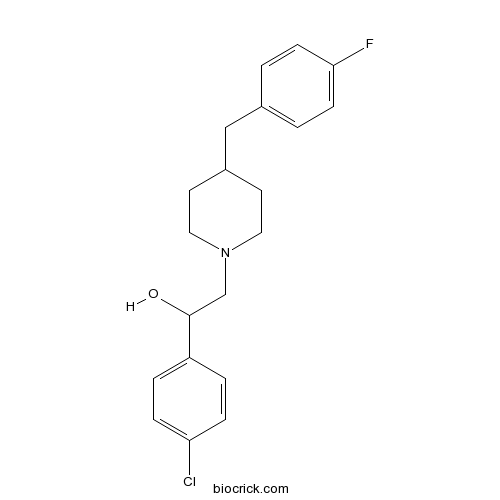
Eliprodil
Eliprodil(SL-820715) is a non-competitive NR2B-NMDA receptor antagonist(IC50=1 uM), less potent for NR2A- and NR2C-containing receptors(IC50> 100 uM).
-
BCC4593
(-)-MK 801
(-)-Dizocilpine maleate ((-)-MK-801 maleate) is a less active (-)-enantiomer of Dizocilpine. (-)-Dizocilpine maleate is a selective and non-competitive N-methyl-D-aspartate (NMDA) receptor antagonist with a Ki of 211.7 nM. (-)-Dizocilpine maleate has antidepressant effects.

-
BCC5888
MNI-caged-NMDA

-
BCC6292
QNZ 46
QNZ46 is a NR2C/NR2D-selective NMDA receptor non-competitive antagonist (IC50 values are 3, 6, 229, and >300, >300 μM for NR2D, NR2C, NR2A, NR2B, and GluR1, respectively).

-
BCC6588
(R)-(+)-HA-966
(R)-(+)-HA-966 ((+)-HA-966) is a partial agonist/antagonist of glycine site of the N-methyl-D-aspartate (NMDA) receptor complex. (R)-(+)-HA-966 selectively blocks the activation of the mesolimbic dopamine system by amphetamine. (R)-(+)-HA-966 can cross the blood-brain barrier and has the potential for neuropathic and acute pain.

-
BCC5771
LY 233053

-
BCC6581
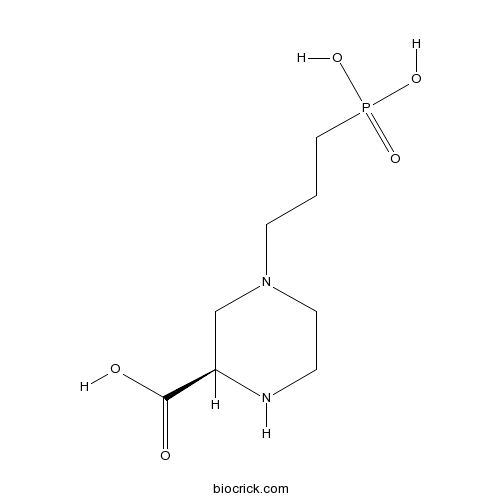
(R)-CPP
-
BCC5977
Conantokin-T

-
BCC7078
CGP 37849
CGP 37849 is a potent, competitive and orally active N-methyl-D-aspartate (NMDA) receptor antagonist. CGP 37849 is an anticonvulsant in rodents and has antidepressant and anxiolytic-like effects.

-
BCC7053
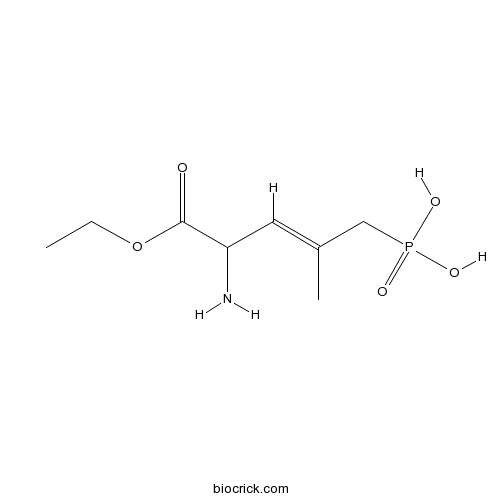
CGP 39551
-
BCC6594
N-(4-Hydroxyphenylacetyl)spermine

-
BCC7753
DL-AP5 Sodium salt

-
BCC4059
MDL-29951
MDL-29951 is a novel glycine antagonist of NMDA receptor activation, with Ki of 0.14 μM for [3H]glycine binding in vitro and in vivo.

-
BCC6592
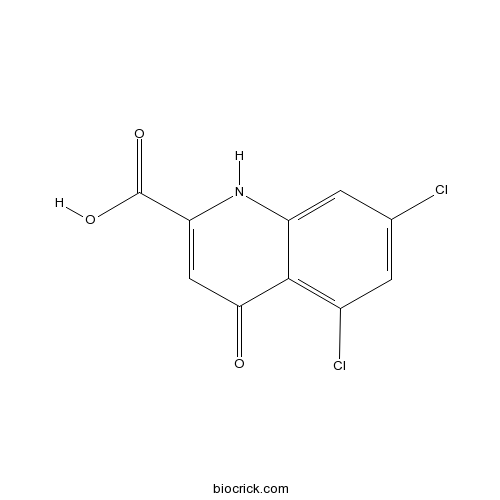
5,7-Dichlorokynurenic acid
-
BCC4159
Ro 25-6981 Maleate
Ro 25-6981 Maleate is a potent and selective activity-dependent blocker of NMDA receptors containing the NR2B subunit.

-
BCC7655
Ro 8-4304 hydrochloride

-
BCC7508
threo Ifenprodil hemitartrate

-
BCC6984
CCMQ

-
BCC6602
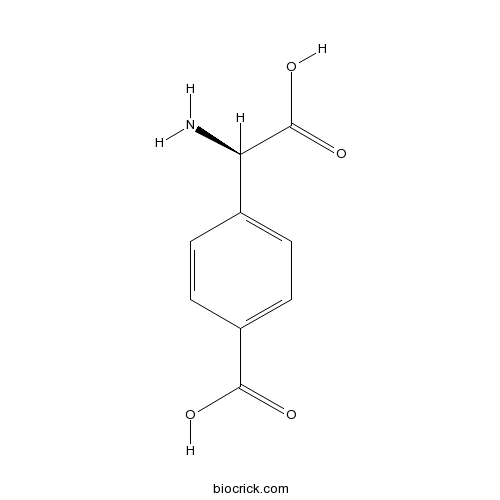
(R)-4-Carboxyphenylglycine
-
BCC6892
LY 235959

-
BCC6599
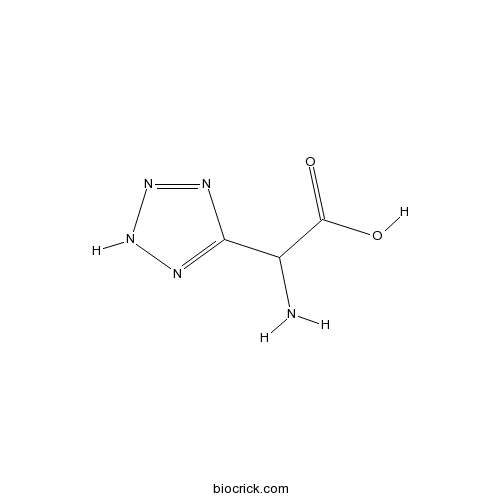
(RS)-(Tetrazol-5-yl)glycine
(RS)-(Tetrazol-5-yl)glycine (D,L-(tetrazol-5-yl)glycine) is a highly potent and selective N-methyl-D-aspartate (NMDA) receptor agonist. (RS)-(Tetrazol-5-yl)glycine has EC50s of 99 nM, 1.7 μM for GluN1/GluN2D and GluN1/GluN2A, respectively. (RS)-(Tetrazol-5-yl)glycine induces seizure responses and Fos in mice.
-
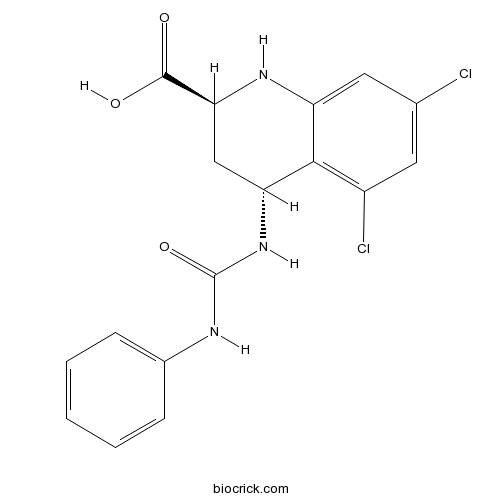
BCC6774
L-689,560
L-689560 is a potent N-methyl-D-aspartate (NMDA) receptor antagonist at the GluN1 glycine binding site. L-689560 is widely used as a radiolabeled ligand in binding studies and used for study the roles of NMDA receptors in normal neurological processes as well as in diseases.
-
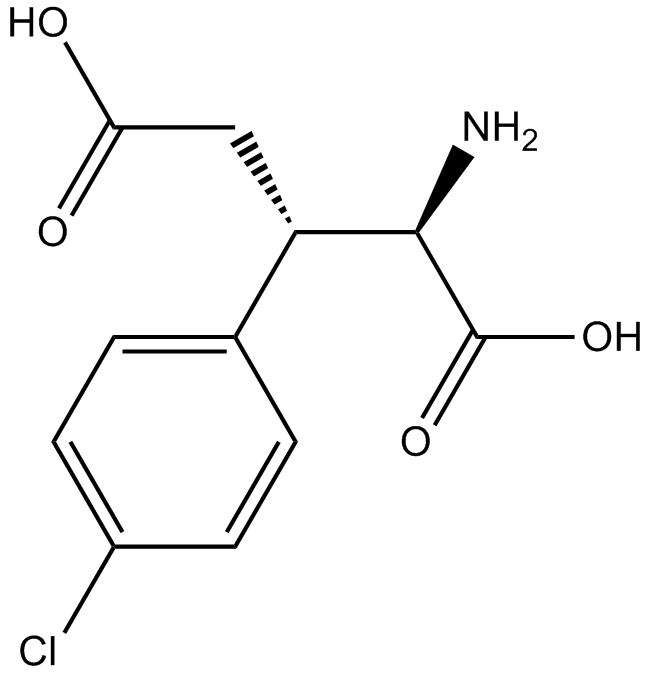
BCC6805
(2R,3S)-Chlorpheg
-
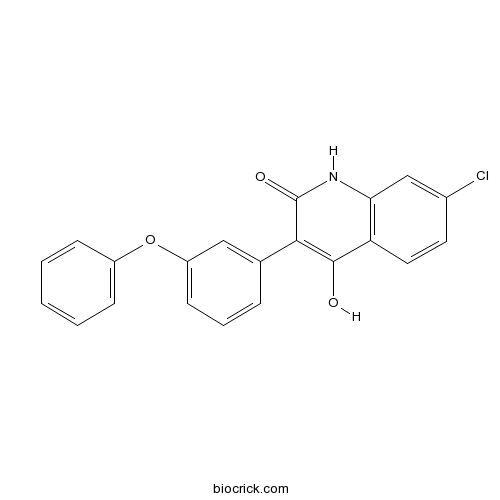
BCC6842
L-701,324
L-701324 is an orally active and long acting anticonvulsant with high affinity and selectivity for the glycine site on the NMDA receptor.
-
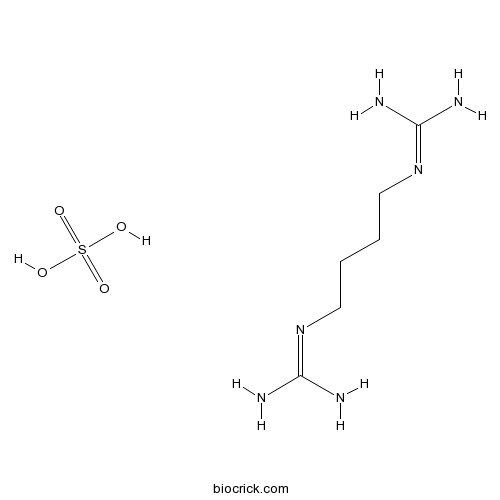
BCC6631
Arcaine sulfate
-
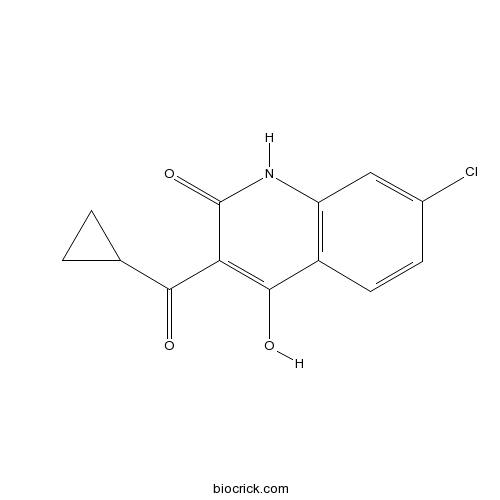
BCC6755
L-701,252
-
BCC7340
Gavestinel

-
BCC4158
Ro 25-6981
Ro 25-6981 is a potent and selective activity-dependent blocker of NMDA receptors containing the NR2B subunit. IC50 values are 0.009 and 52 μM for cloned receptor subunit combinations NR1C/NR2B and NR1C/NR2A respectively.

-
BCC1939
SDZ 220-581
SDZ 220-581 is an orally active, potent, competitive NMDA receptor antagonist with pKi value of 7.7.

-
BCC6992
SDZ 220-040

-
BCC4157
SDZ 220-581 hydrochloride
SDZ 220-581 hydrochloride is an orally active, potent, competitive NMDA receptor antagonist with pKi value of 7.7.

-
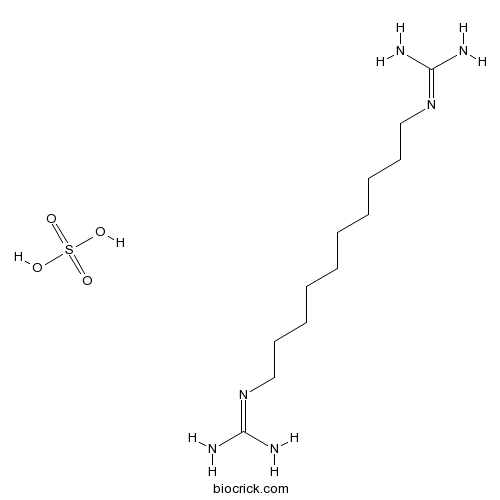
BCC6730
Synthalin sulfate
-
BCC5982
Ketamine hydrochloride

-
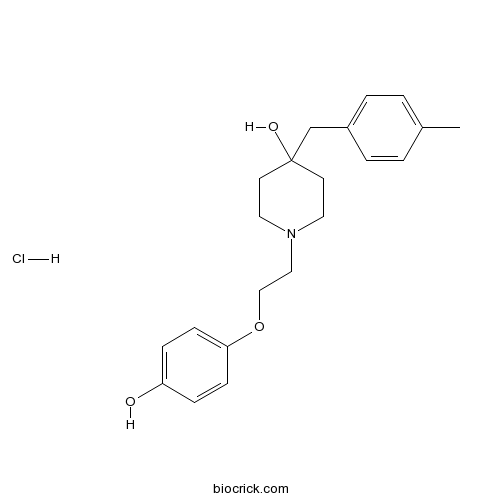
BCC7369
Co 101244 hydrochloride
-
BCC5980
Conantokin-R

-
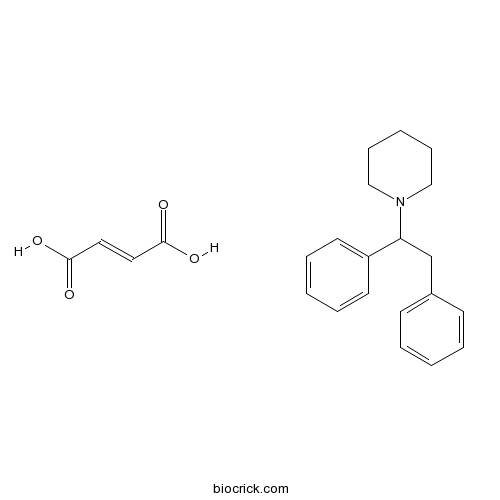
BCC6619
(±)-1-(1,2-Diphenylethyl)piperidine maleate
-
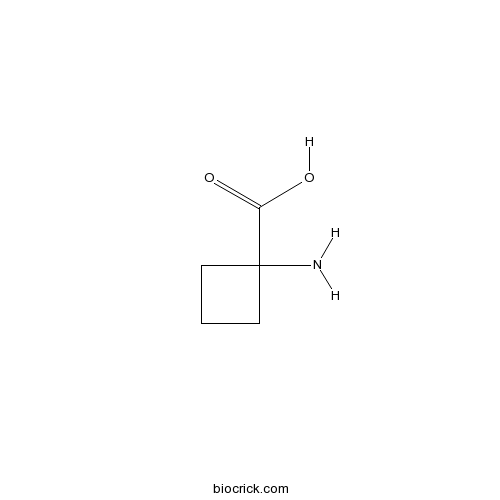
BCC6584
ACBC
-
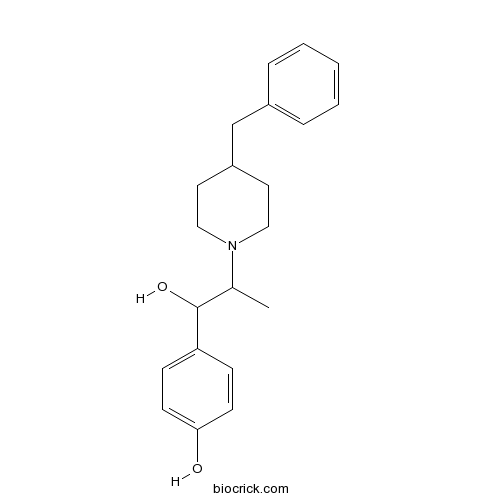
BCC6688
Ifenprodil hemitartrate
-
BCC4904
Felbamate
Felbamate (W-554) is a potent nonsedative anticonvulsant whose clinical effect may be related to the inhibition of N-methyl-D-aspartate (NMDA).

-
BCC6591
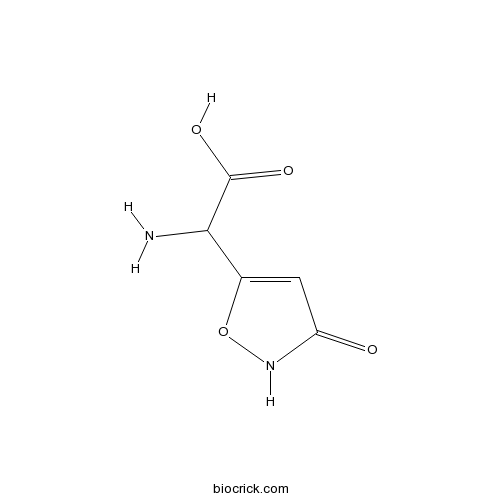
Ibotenic acid
Ibotenic acid has agonist activity at both the N-methyl-D-aspartate (NMDA) and trans-ACPD or metabolotropic quisqualate (Qm) receptor sites.
-
BCC7482
TCS 46b

-
BCC6864
Spermine tetrahydrochloride
Spermine tetrahydrochloride is an endogenous metabolite.

-
BCC6865
Spermidine trihydrochloride
Spermidine trihydrochloride maintains cell membrane stability, increases antioxidant enzymes activities, improving photosystem II (PSII), and relevant gene expression. Spermidine trihydrochloride significantly decreases the H2O2 and O2.- contents.

-
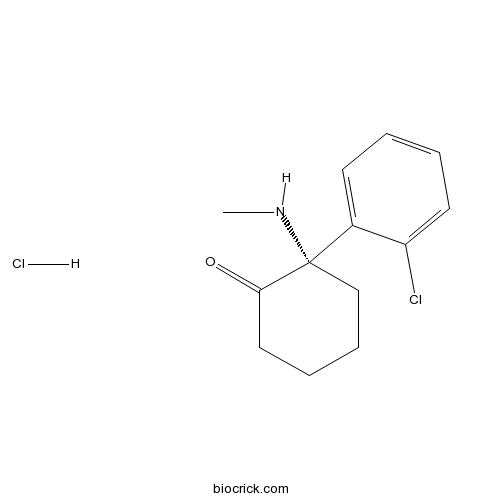
BCC7930
(S)-(+)-Ketamine hydrochloride
-
BCC6205
DQP 1105

-
BCC6566
cis-ACPD

-
BCC7862
CIQ
CIQ is a subunit-selective potentiator of NMDA receptors containing the NR2C or NR2D subunit.

-
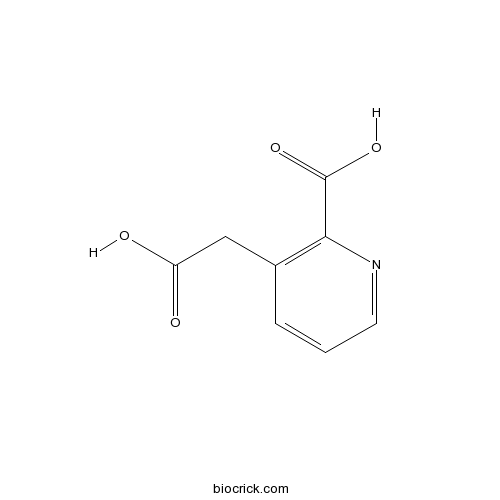
BCC6570
Homoquinolinic acid
-
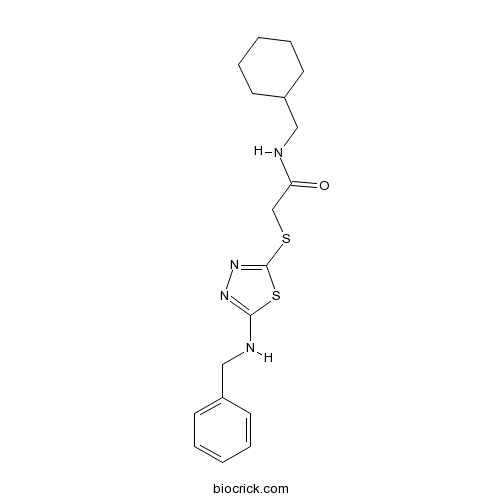
BCC6123
TCN 213
-
BCC4282
Flupirtine
Flupirtine(D 9998) is a selective neuronal potassium channel opener that also has NMDA receptor antagonist properties.

-
BCC7234
Ro 04-5595 hydrochloride

-
BCC5918
PPDA

-
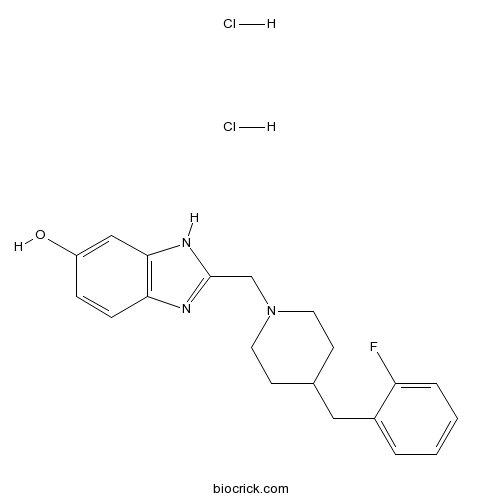
BCC6111
TCN 237 dihydrochloride
NMDA-IN-1 is a potent and NR2B-selective NMDA antagonist with Ki of 0.85 nM; NR2B Ca2+ influx IC50 is 9.7 nM; no activities on NR2A, NR2C, NR2D, hERG-channel and α1-adrenergic receptor.
-
BCC1288
(+)-MK 801

-
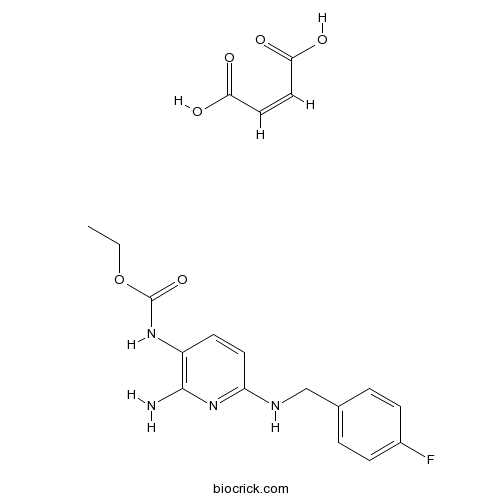
BCC4456
Flupirtine maleate
Flupirtine Maleate(D 9998) is a selective neuronal potassium channel opener that also has NMDA receptor antagonist properties.
-
BCC6552
DL-AP5

-
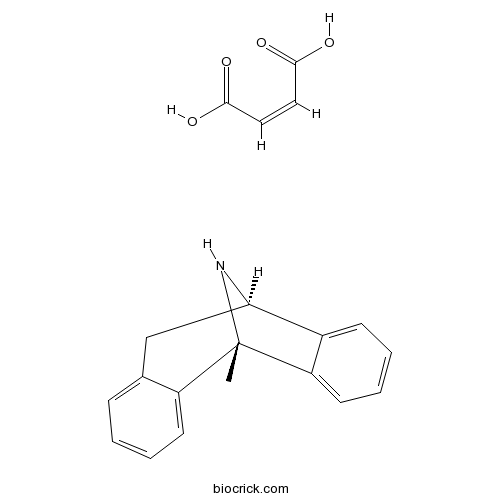
BCC4014
(+)-MK 801 Maleate
Dizocilpine maleate (MK-801 maleate) is a potent, selective and non-competitive NMDA receptor antagonist with Kd of 37.2 nM in rat brain membranes.
-
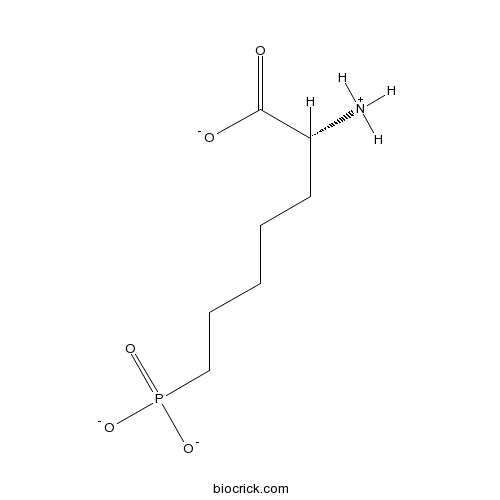
BCC6551
DL-AP7
-
BCC6554
L-AP5

-
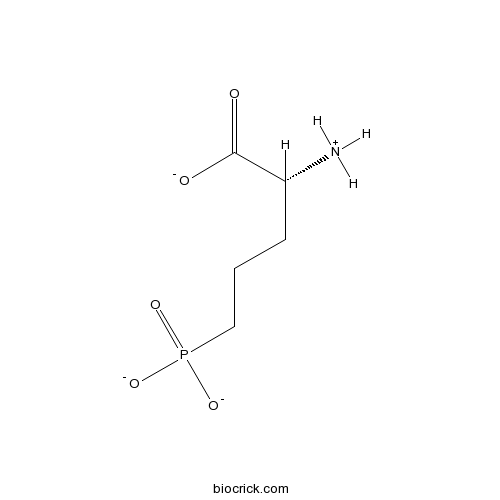
BCC6553
D-AP5
D-AP5 is a NMDA receptor antagonist.
-
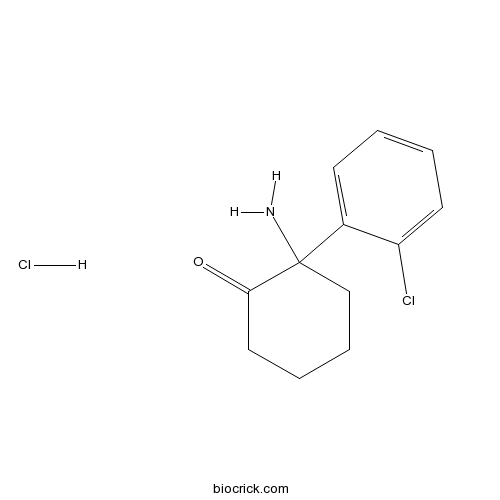
BCC5859
Norketamine hydrochloride
-
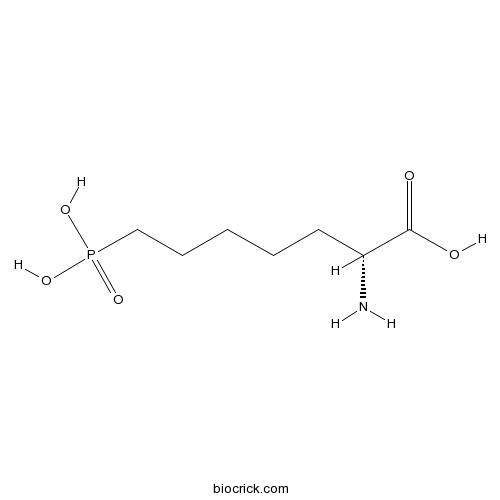
BCC6559
D-AP7
-
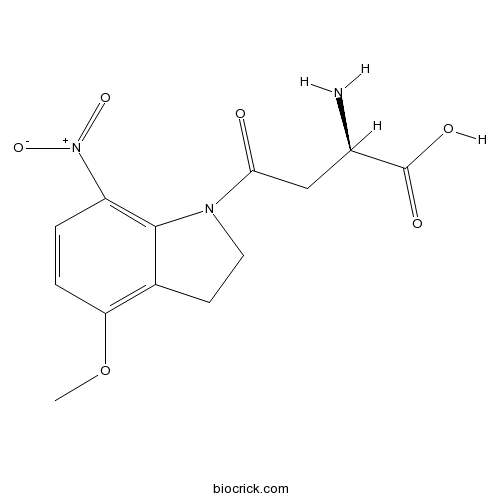
BCC5896
MNI-caged-D-aspartate
-
BCC6122
TCN 201

-
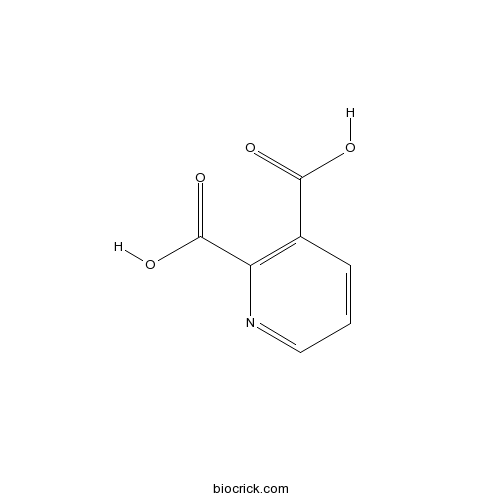
BCC6573
Quinolinic acid
Quinolinic acid is an endogenous N-methyl-D-aspartate (NMDA) receptor agonist synthesized from L-tryptophan via the kynurenine pathway and thereby has the potential of mediating N-methyl-D-aspartate neuronal damage and dysfunction.
-
BCC6120
Conantokin G